Marcin Wichary
5 January 2026 / 4,400 words / 350 photos
Fav tech museums
I love technology history because it brings me both advice and encouragement: stories of people solving problems despite constraints much bigger than mine, stories of flawed inventions and flawed inventors, stories of oddities that can inform and inspire.
Sometimes the blueprints for the best version of the future already exist in the past, but only if you do some spelunking first, and remixing second. Those who read history will be able to repeat it, but under better circumstances, or more stellar execution.
Technology history means visiting tech museums, and I have been doing that for decades now. I wanted to reflect on why I love some of them more than the others, so I made this photo essay: six best tech museums I’ve been to, 16 great ones… and, at the end, three not-as-positive examples.
I wrote it mostly for myself to think about what museums mean for me and what makes for the best museum experiences, but perhaps you will find something in it, too.
I liked more museums than presented here, of course. And I have a lot more to visit (please let me know if you have suggestions!). But of the ones I have been to, these are the ones that deserve a spotlight.
The best tech museums that I’ve been to
National Railway Museum Park / Taipei Railway Workshop
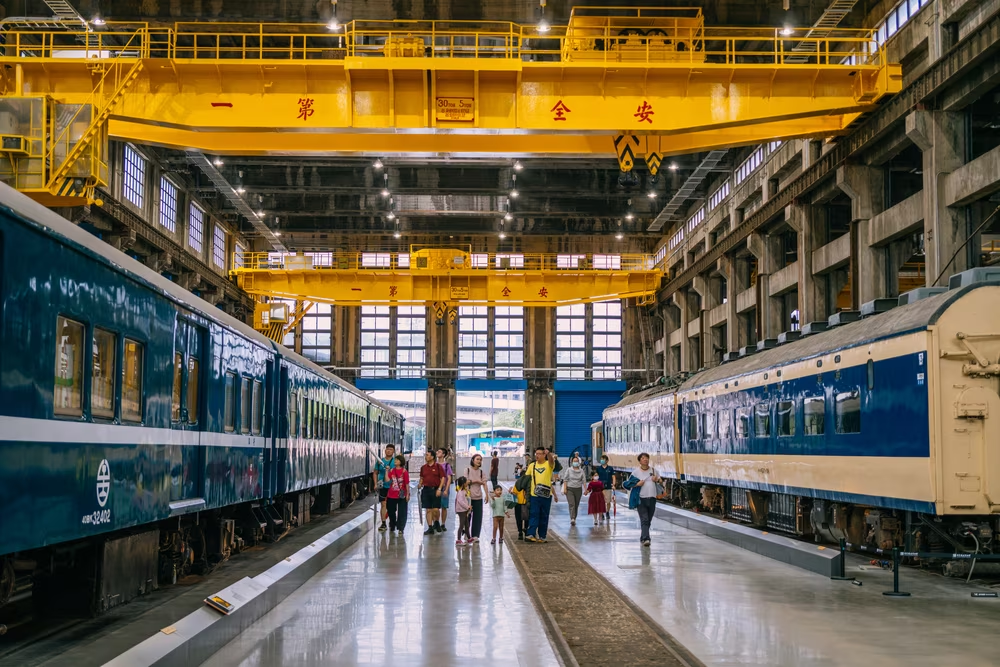
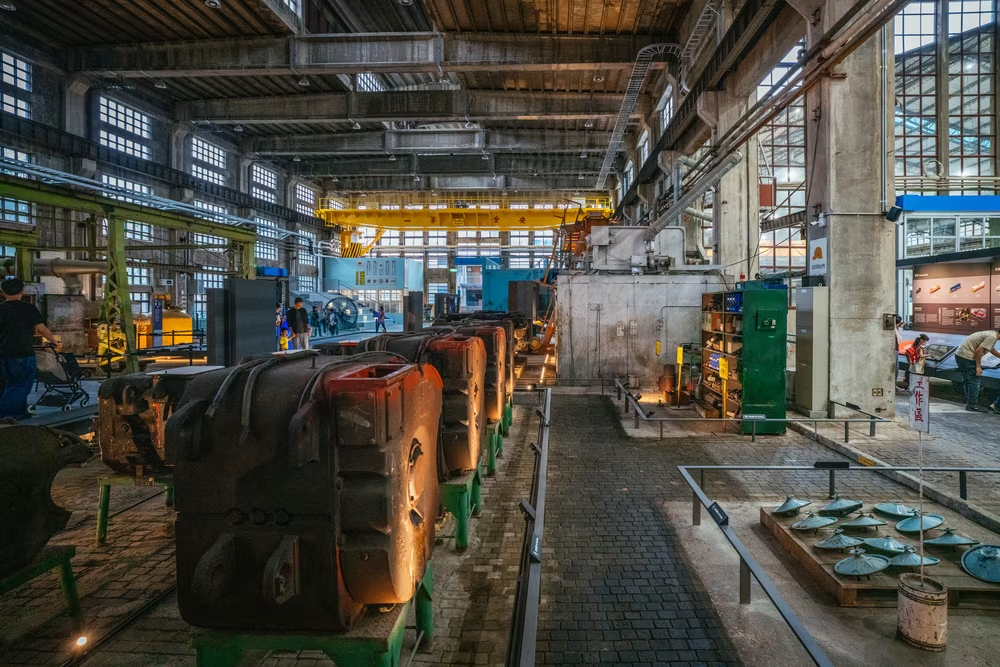
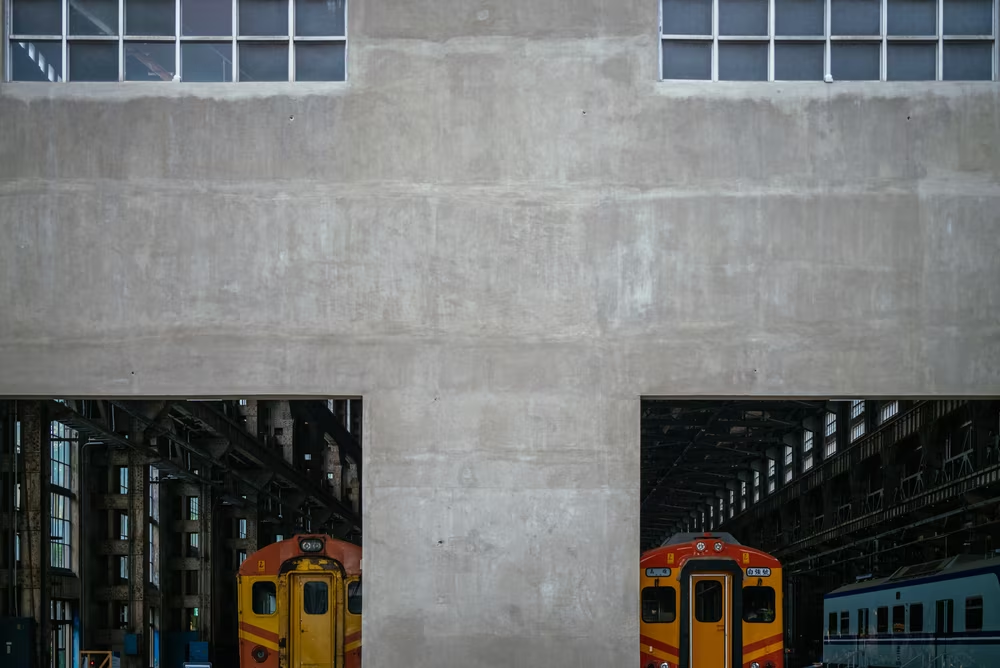
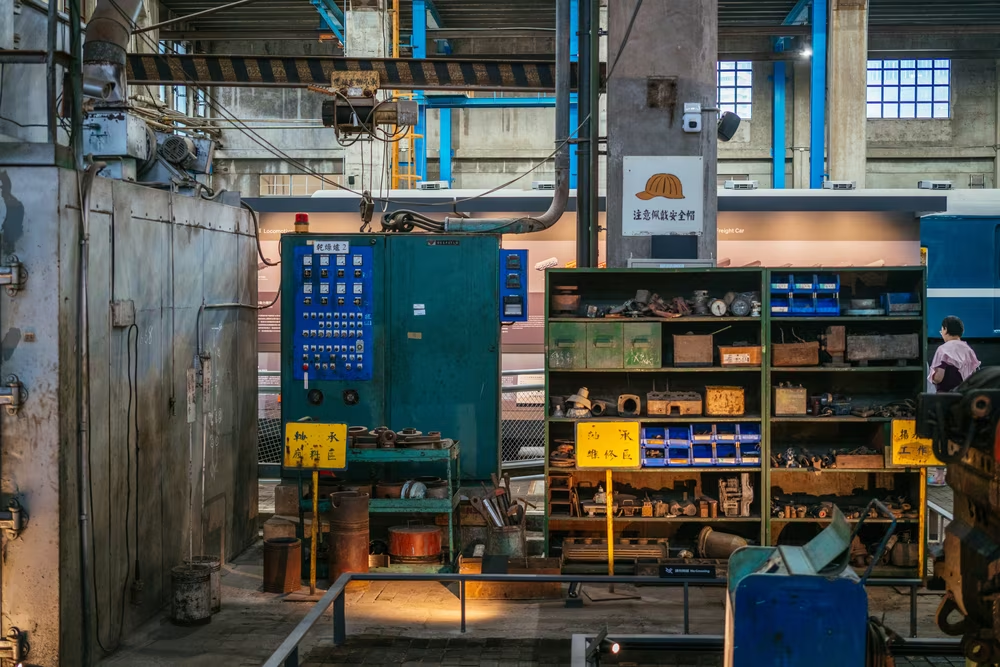
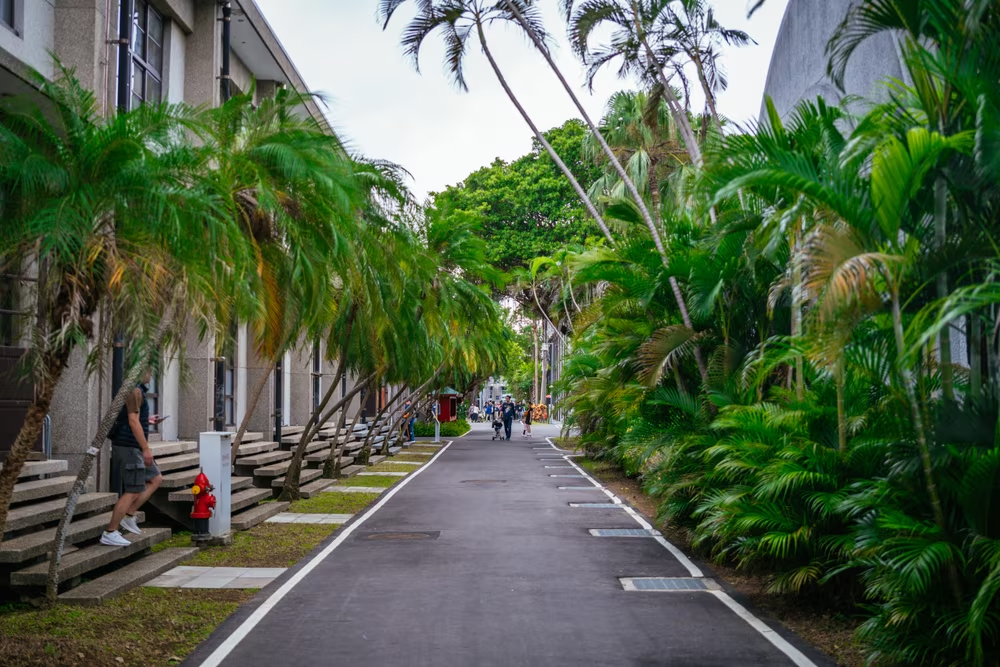
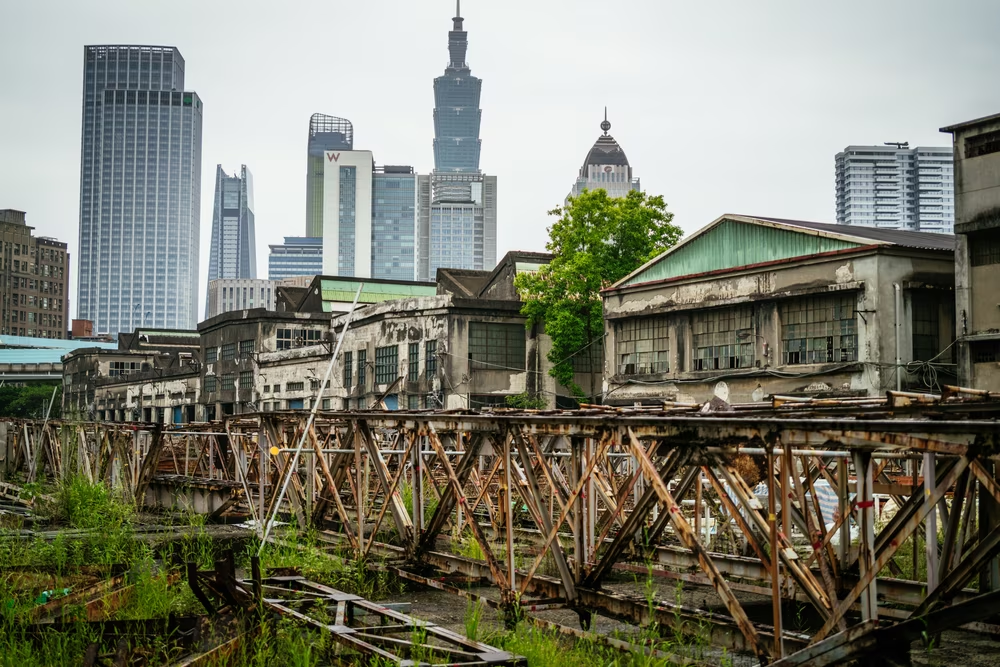
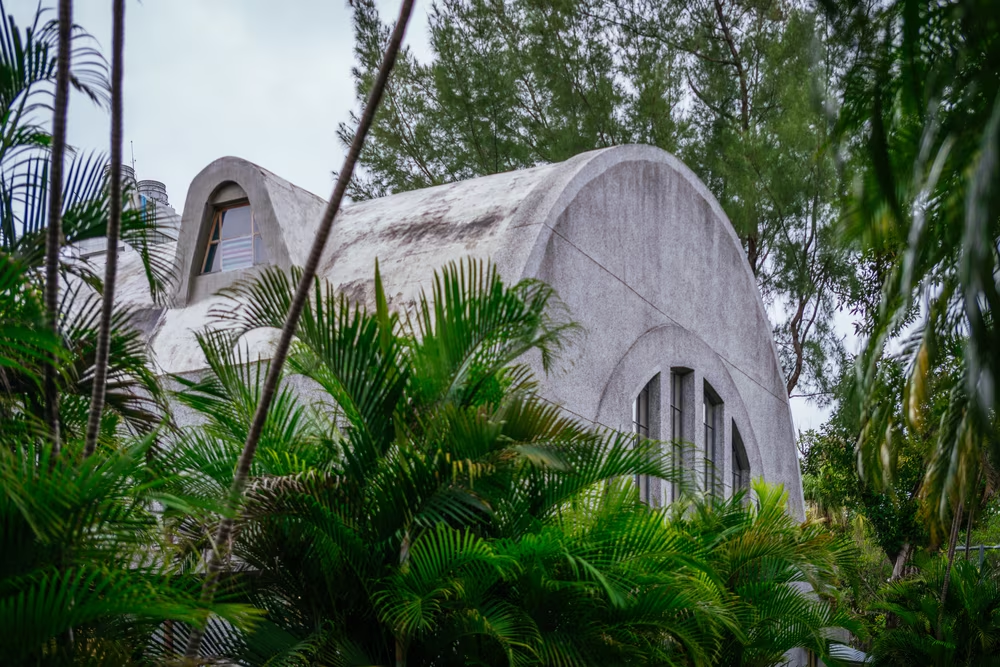
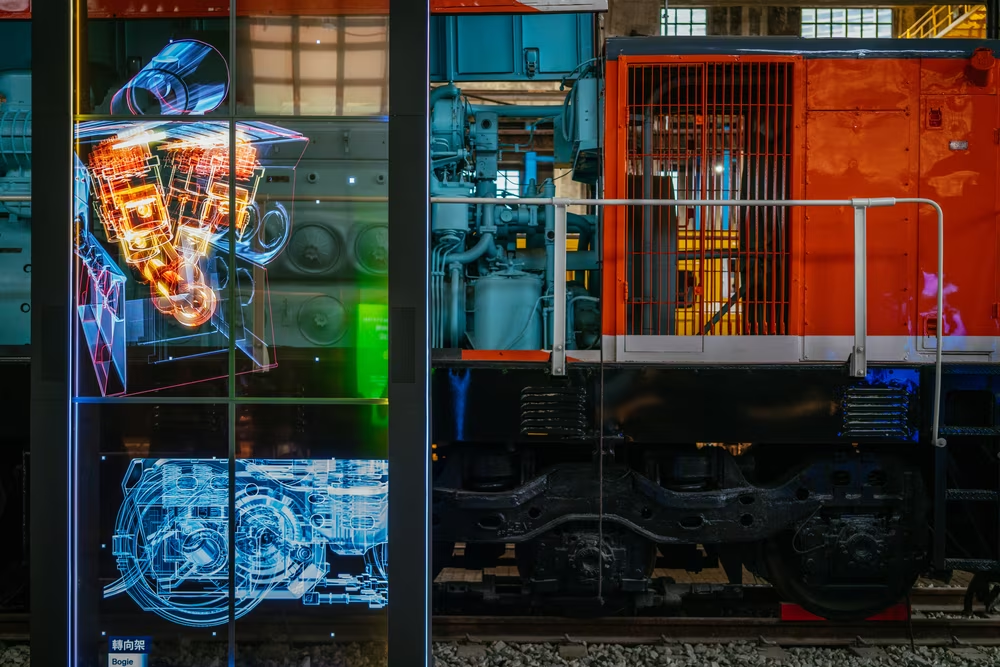
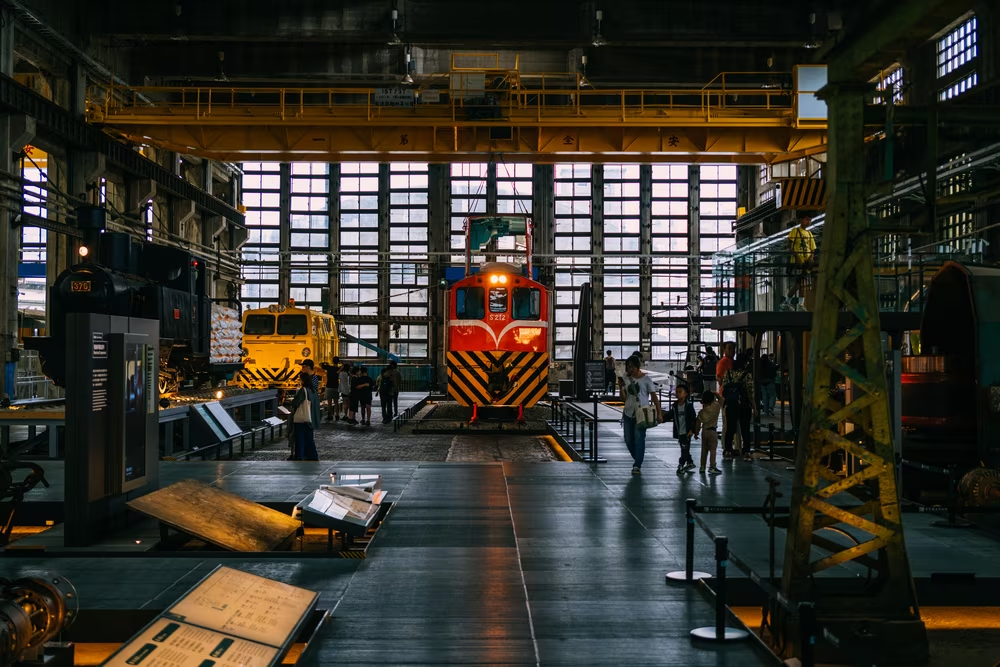
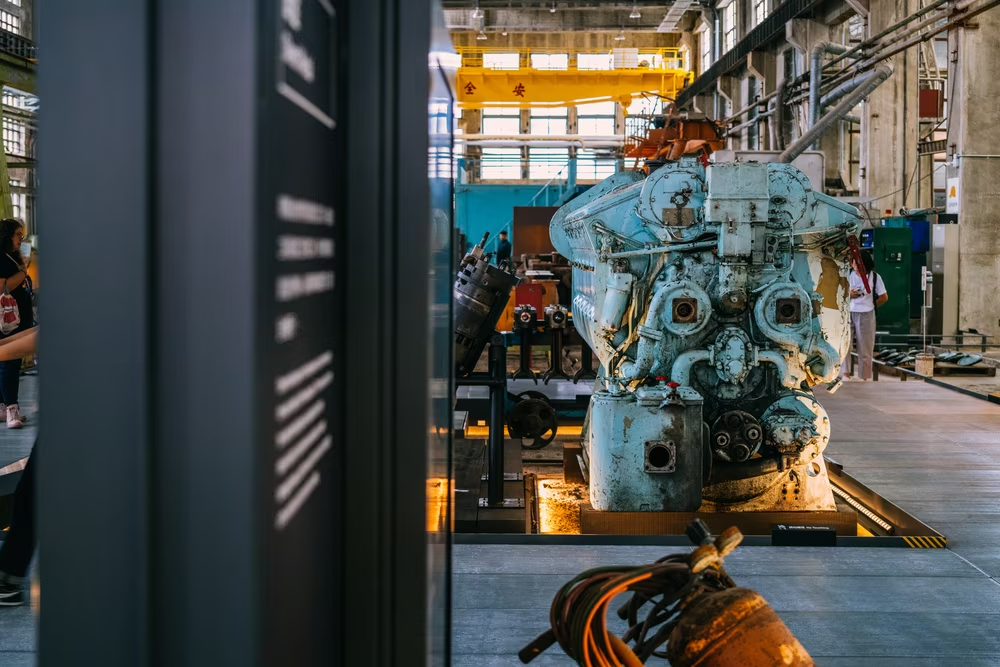
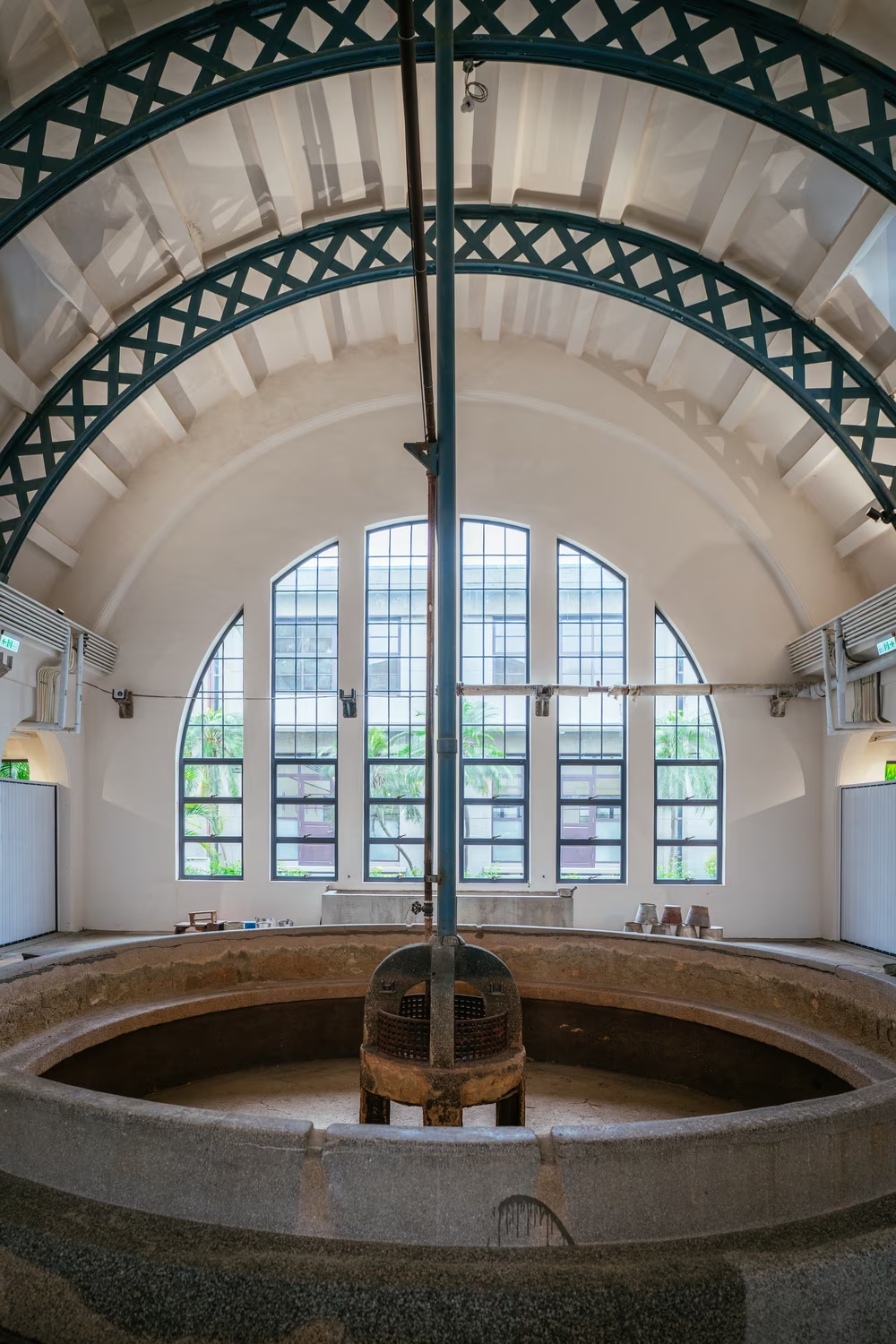
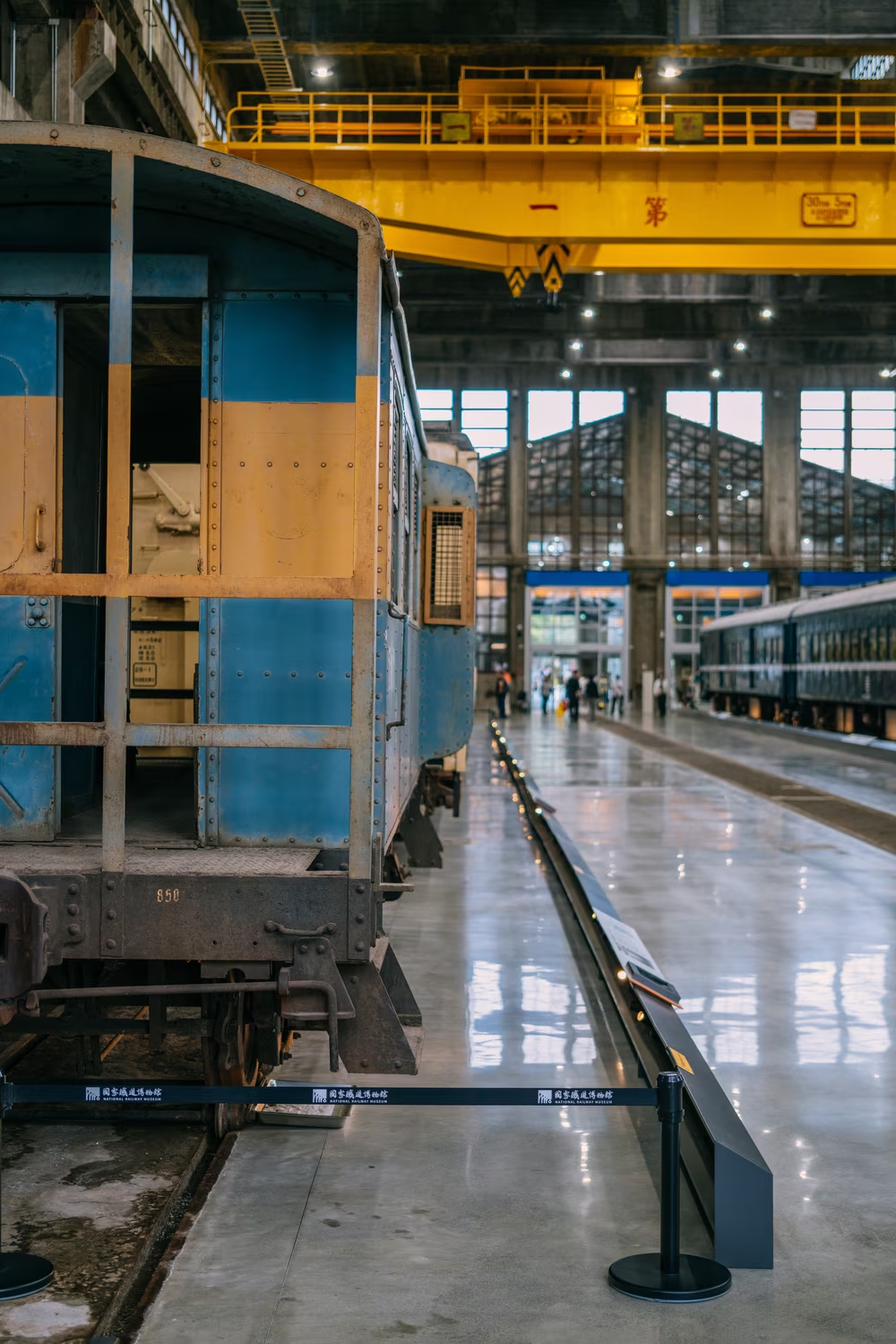
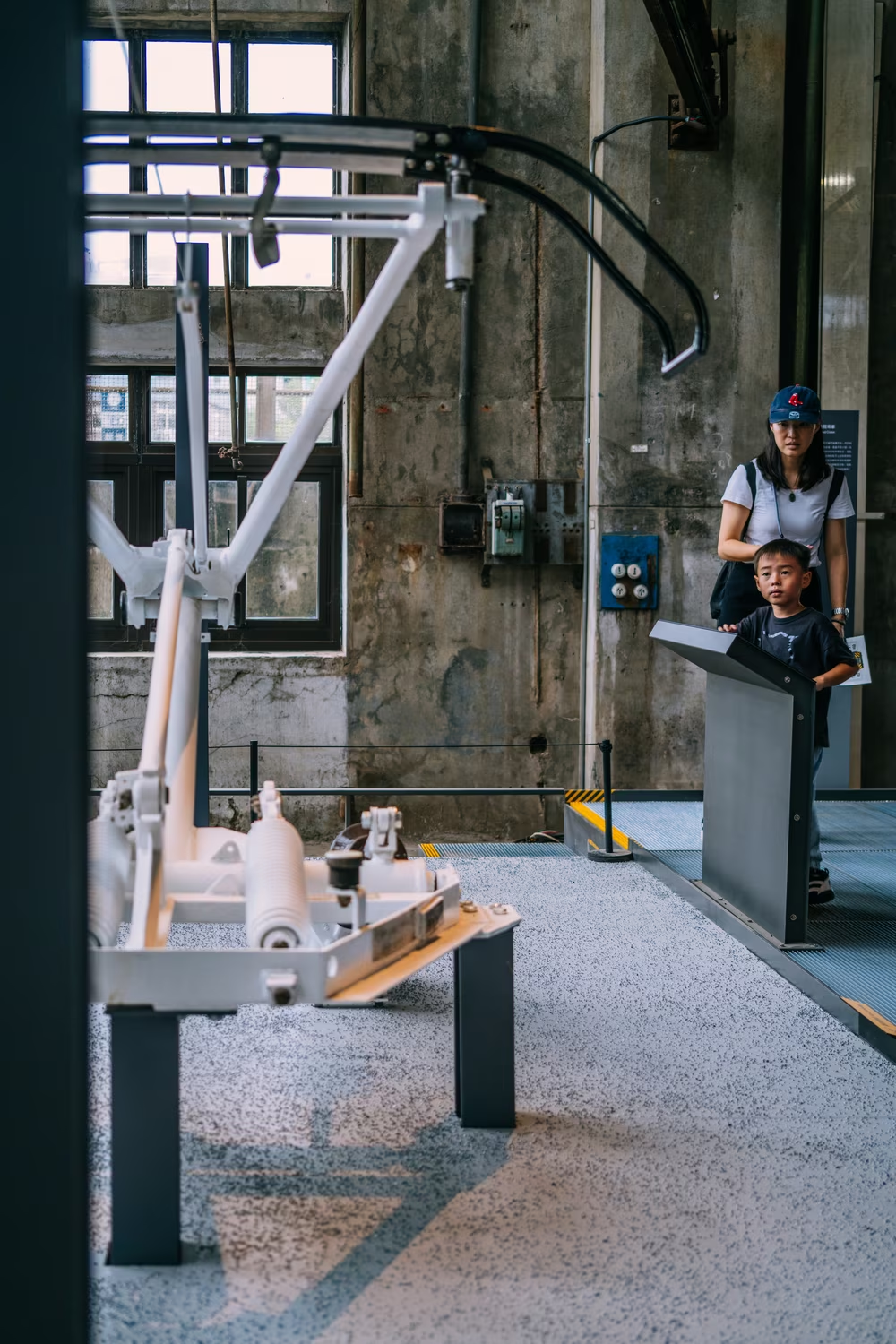
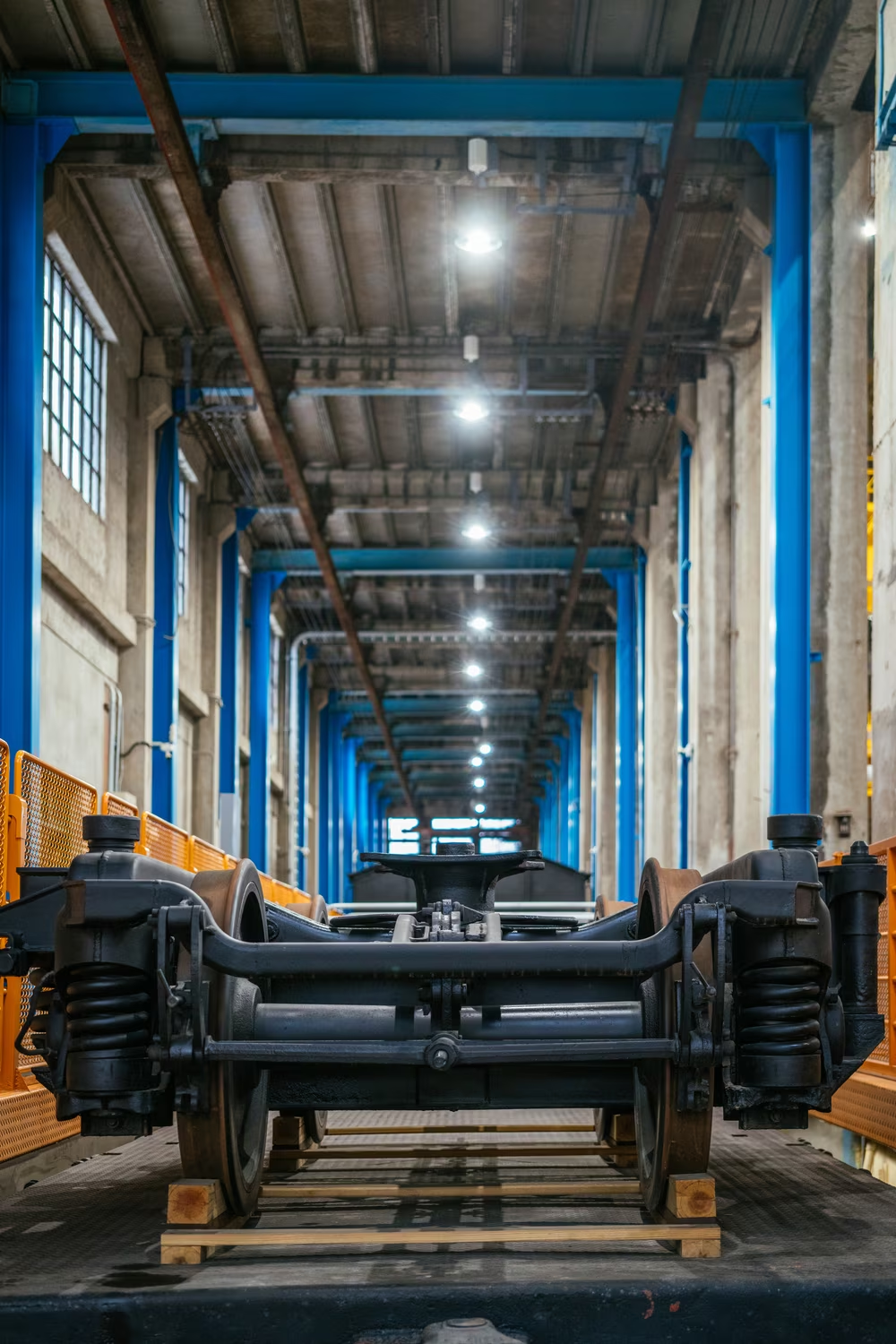
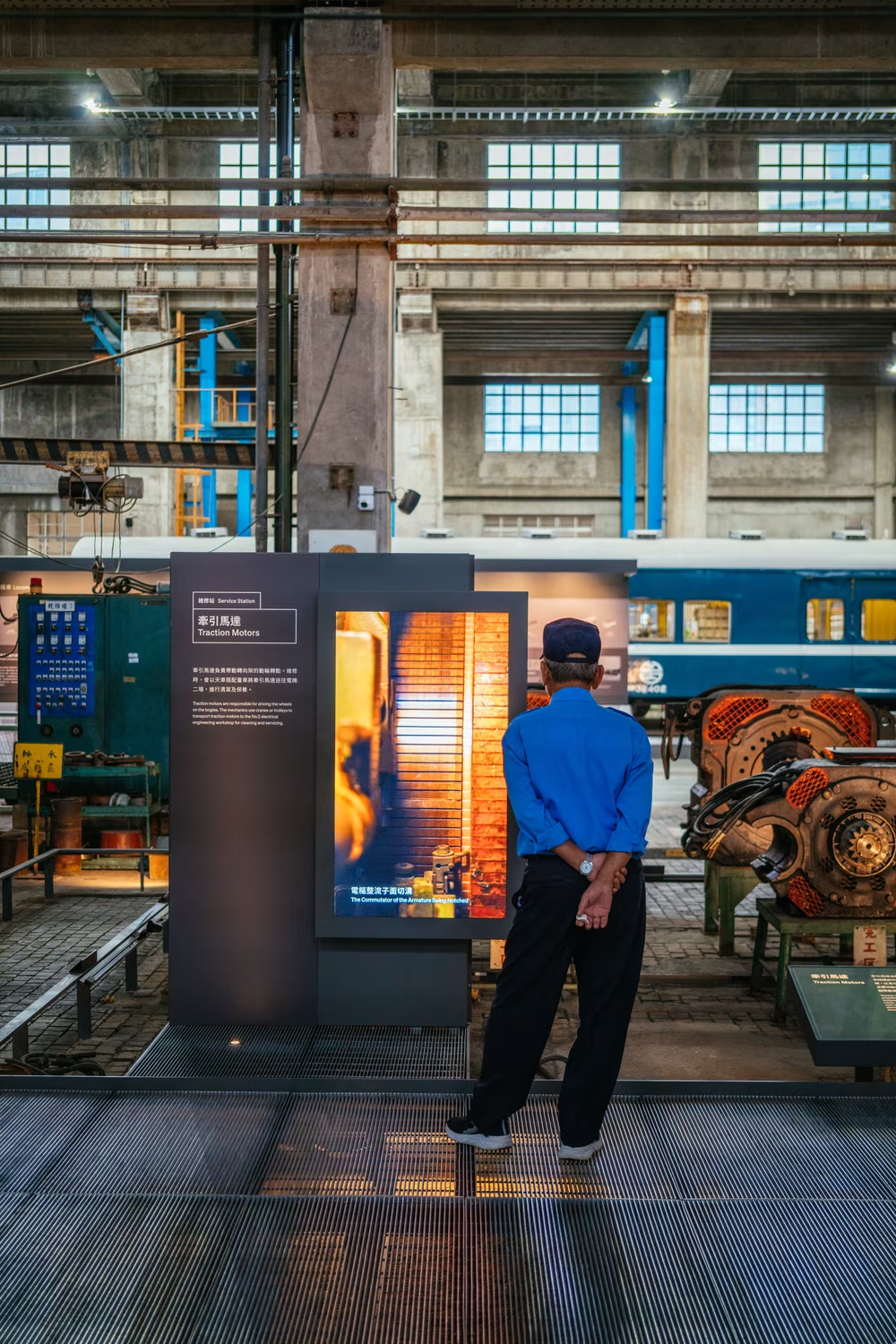
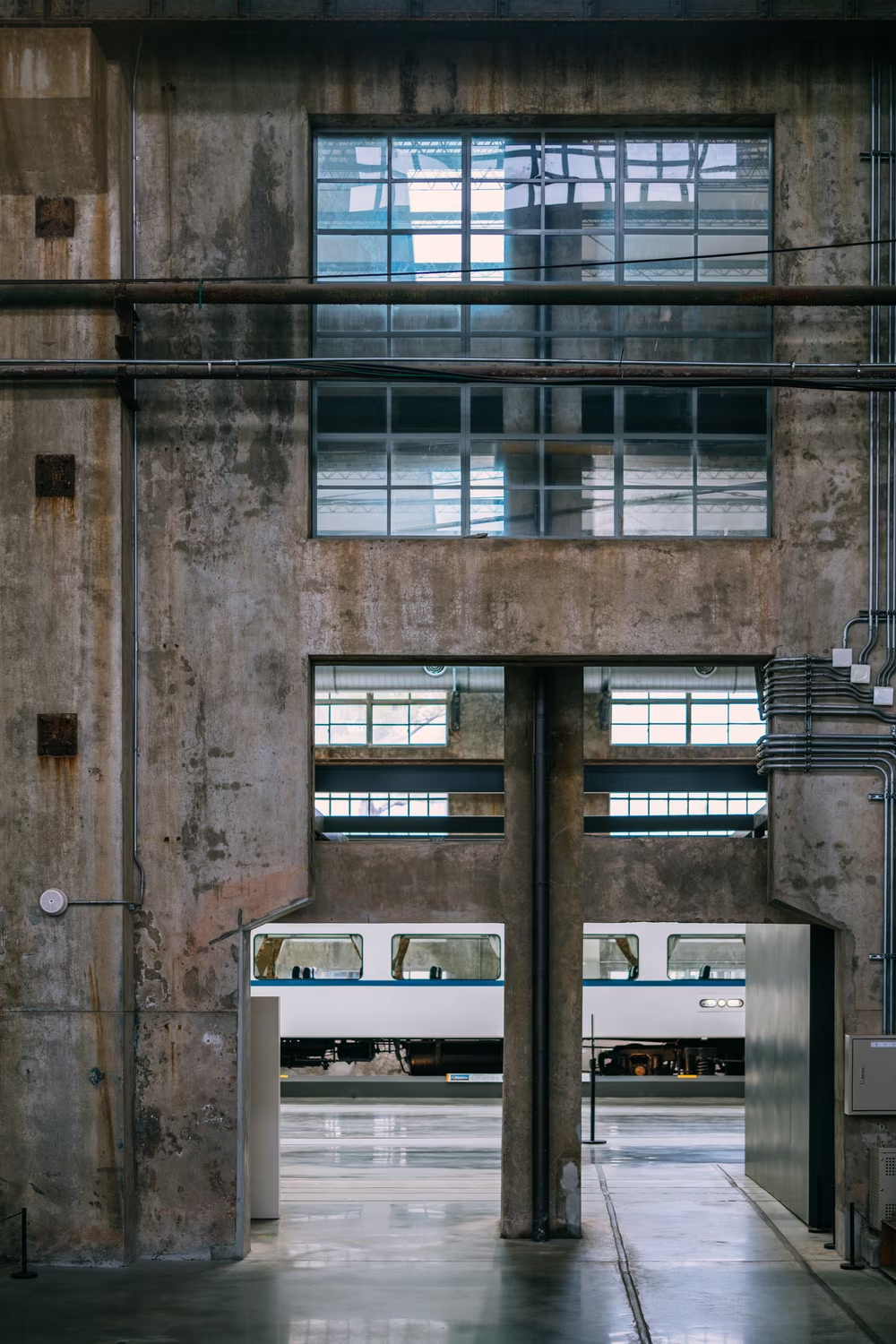
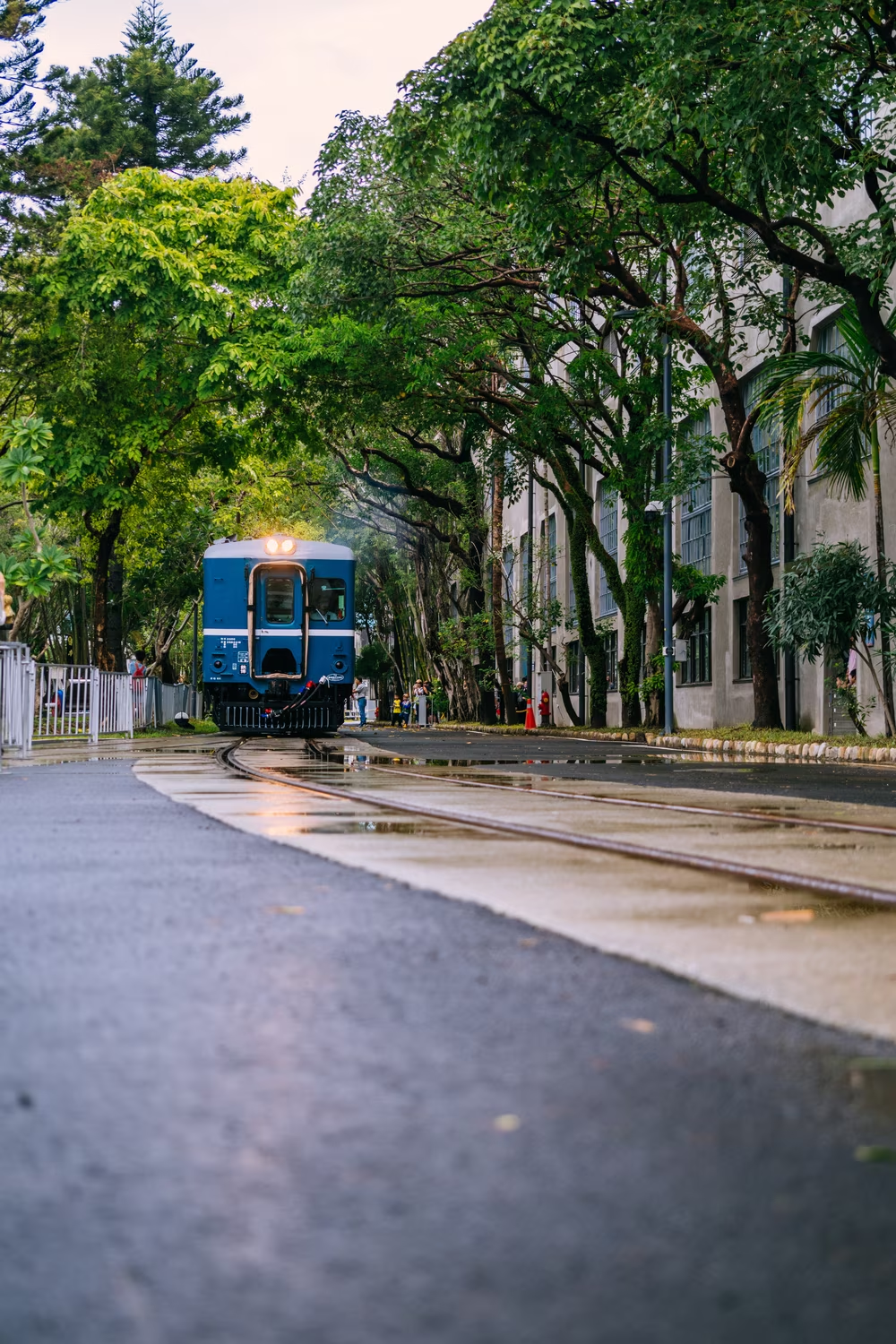
This place blew me away. It’s a newish museum, but hosted in an old, massive railway workshop building complex, so you know the space itself is going to be part of the story – locomotives, huge industrial cranes that lift them around, various bits and pieces of preserved machinery. I generally love this kind of a vibe (even the smell of it all) and find it, in a way, breathtaking. Part of me would choose to live here in an instant.
But, there are more things that make this museum special.
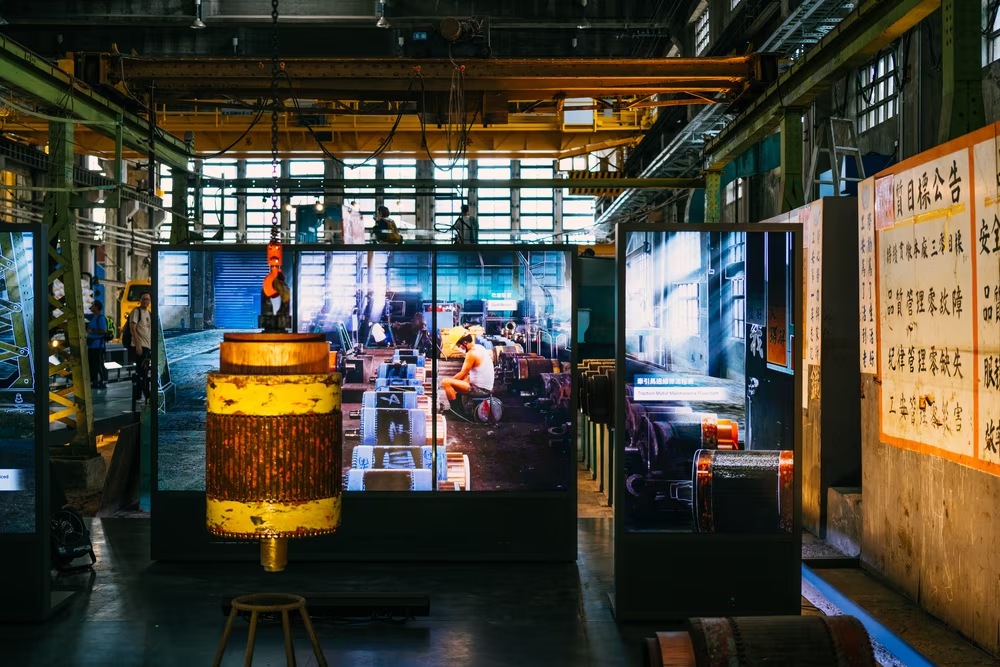
The production value is impeccable and it seems to be spent on things that matter. For example, there are absolutely magnificent videos here of men restoring old locomotives, presented on big vertical displays. They’re transfixing, almost pornographic. But they still feel made by someone who cares about this stuff and wants to show it well, and not just show it off.
The landmark exhibit here is a multimedia piece with a huge transparent screen occasionally moving by an important locomotive, showing its innards. It’s a lavish, impressive animation, with huge thumping bass and 3D renders… maybe a bit too cinematic, but again: it feels like it’s coming from the right place. Trains are amazing and underrated, and they deserve awe.
Generally, there’s a lot of pride around here, and it feels like the right flavor of pride. In many exhibits, one can sense how people care about restoring the old machines and telling their stories, how the railways mattered to Taiwan, how important this preservation of history as a concept is to people here.
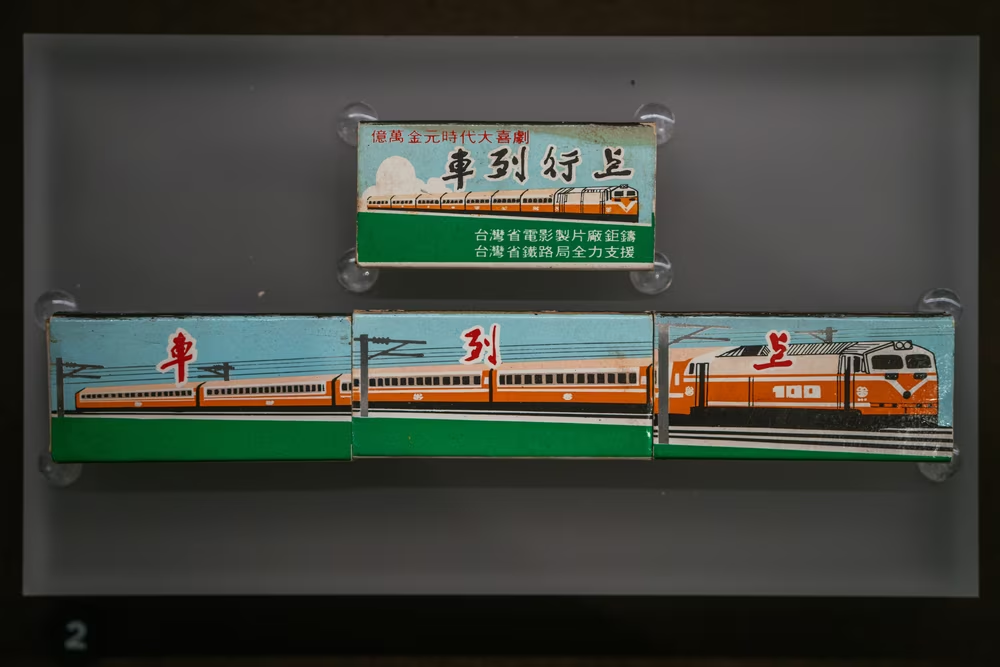
Flanking the big building with amazing sightlines are some smaller, more traditional exhibits. The focus seems to be a bit more on the cultural aspects of railways, and less on the tech side. I learned so much from it all.
Overall, it’s a fantastic blend of old and new, with thoughtful details. It’s big and inspiring enough I came back again a week later. There are many other disused buildings around the refurbished one that haven’t been touched yet, and I understand the aspiration is to turn it into almost a park of sorts. I hope I’ll be back to check out how they’re doing.
Museu de la Tècnica de l’Empordà
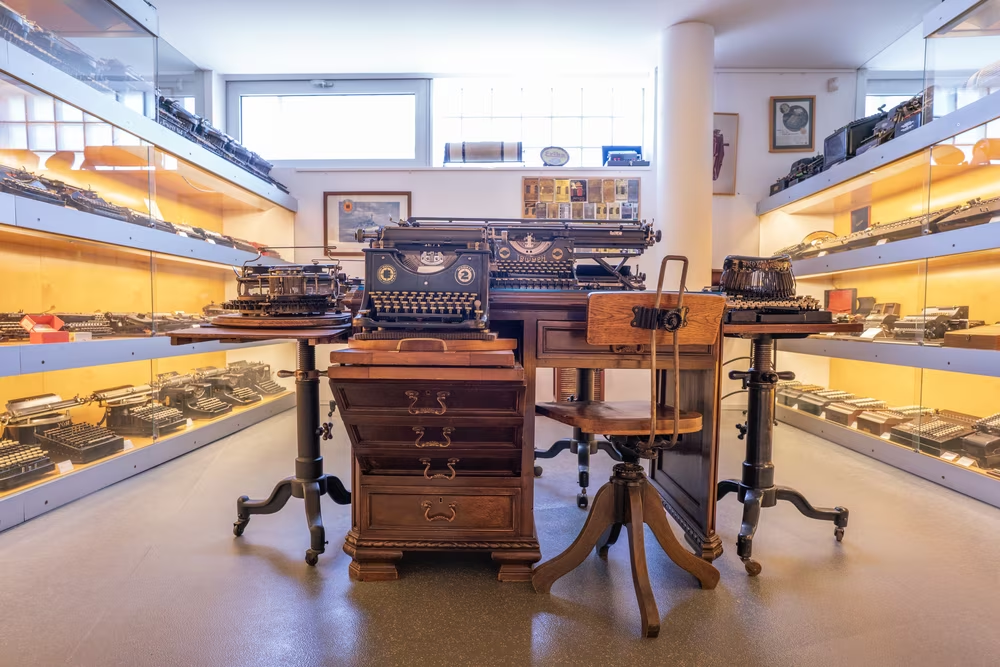
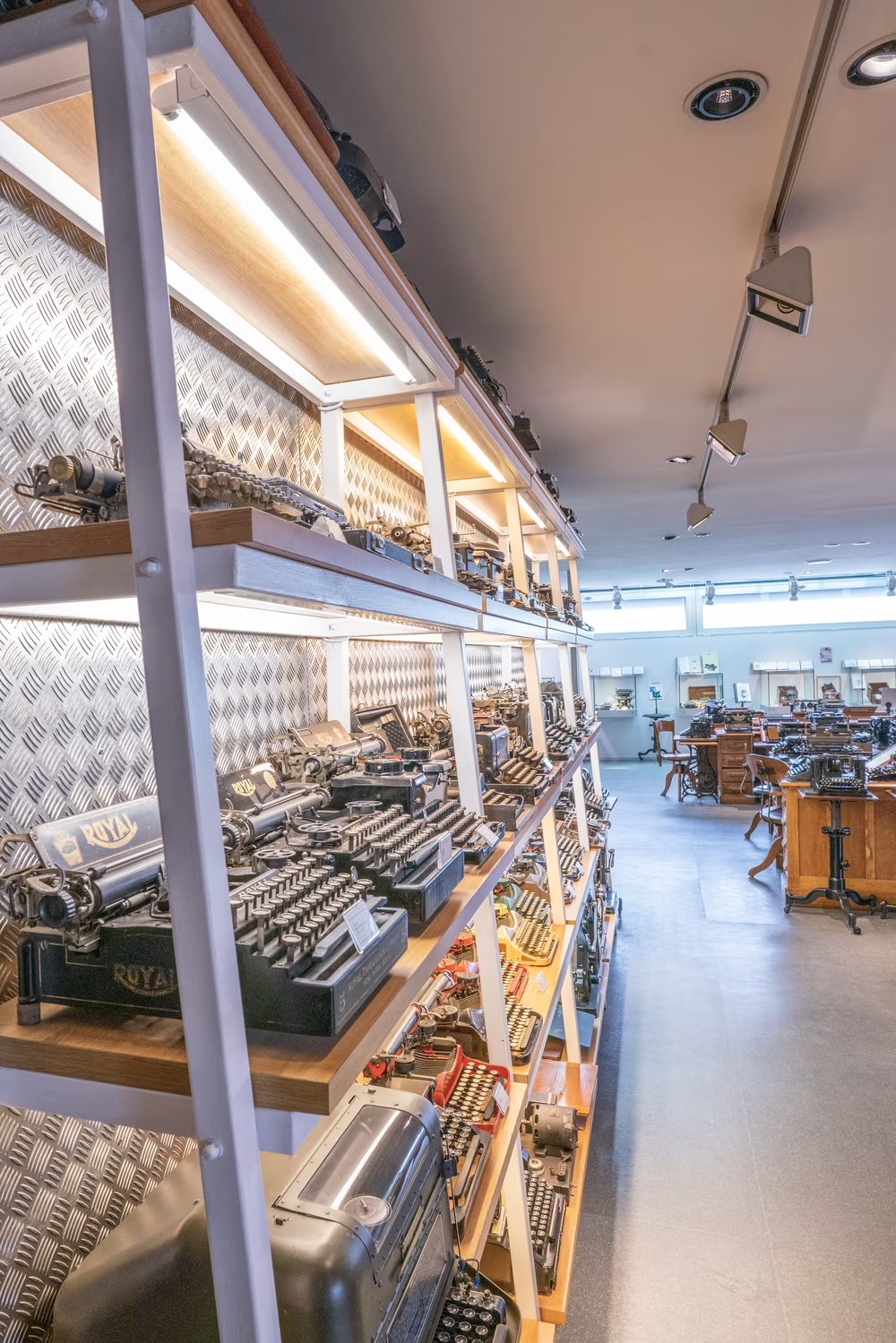
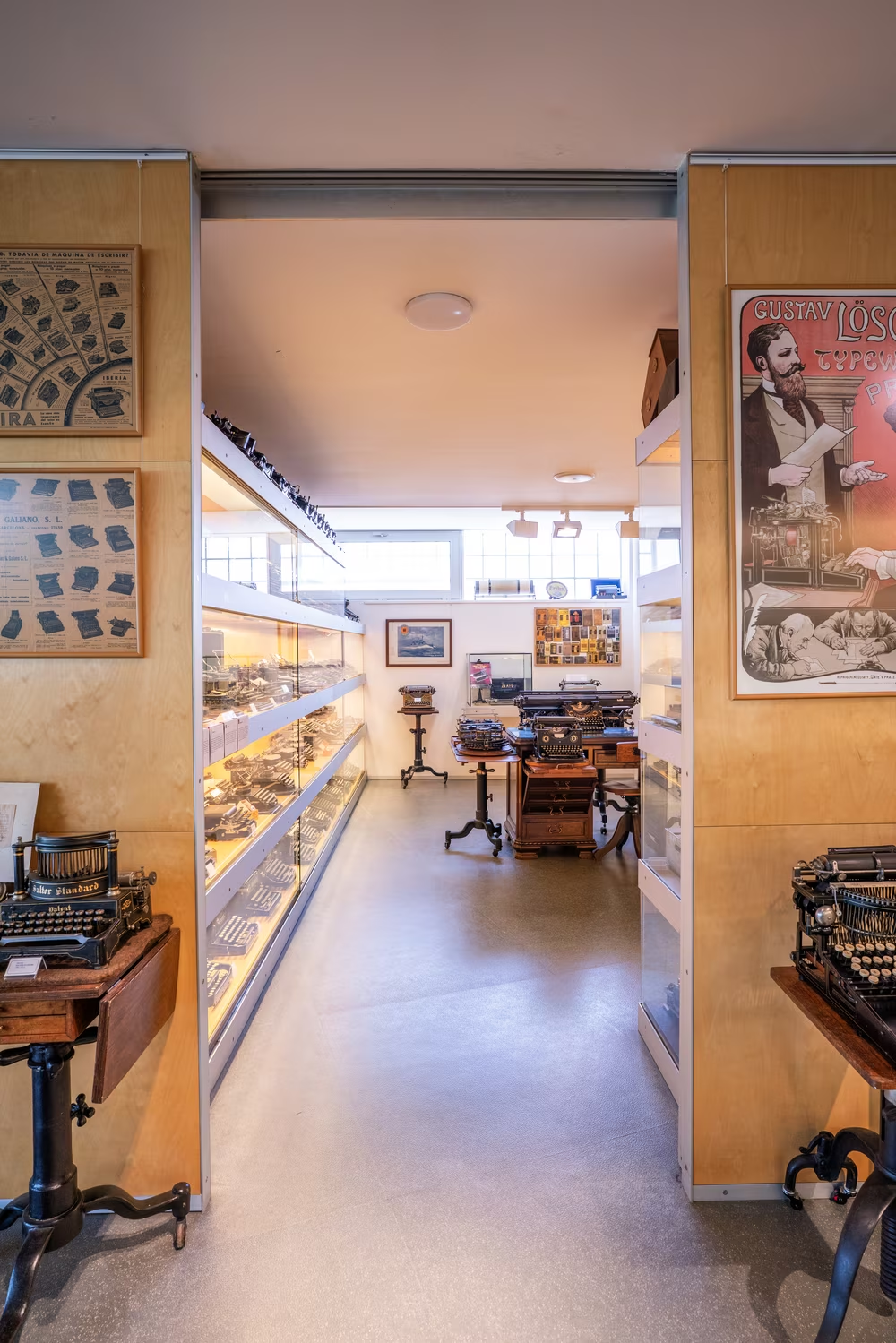
This was perhaps my best museum experience ever – the right thing at the right time in an unexpected place and with unexpected intensity. This thread captured the story, and I reflected upon it later here.
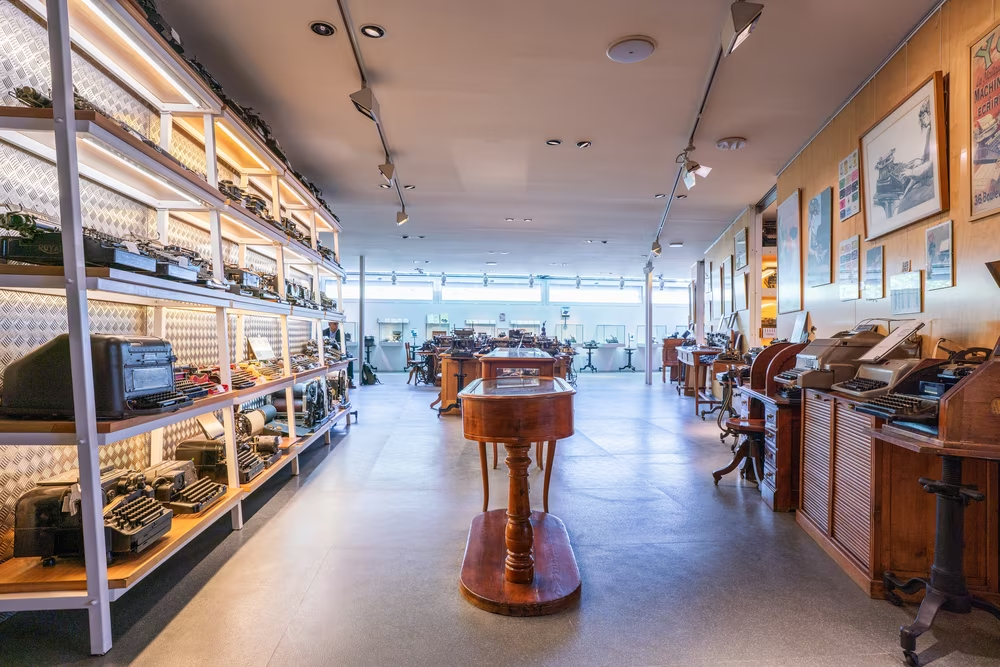
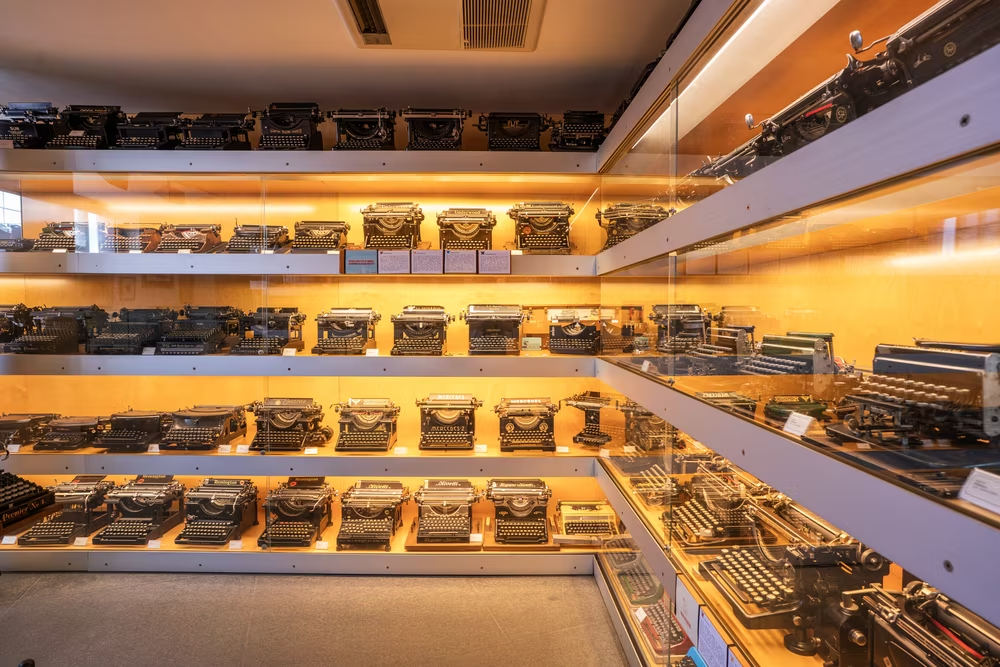
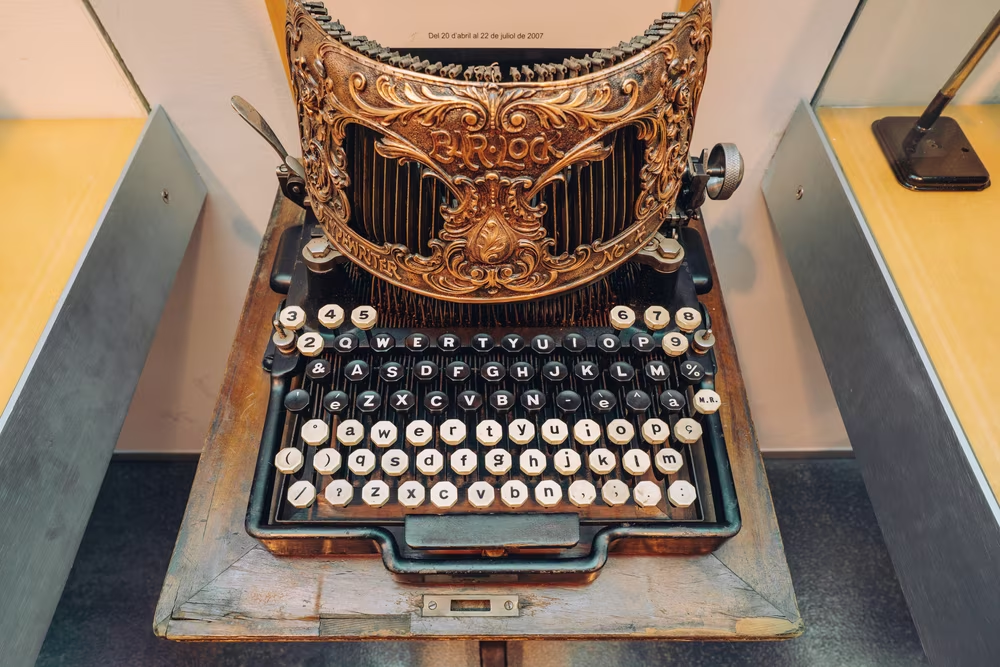
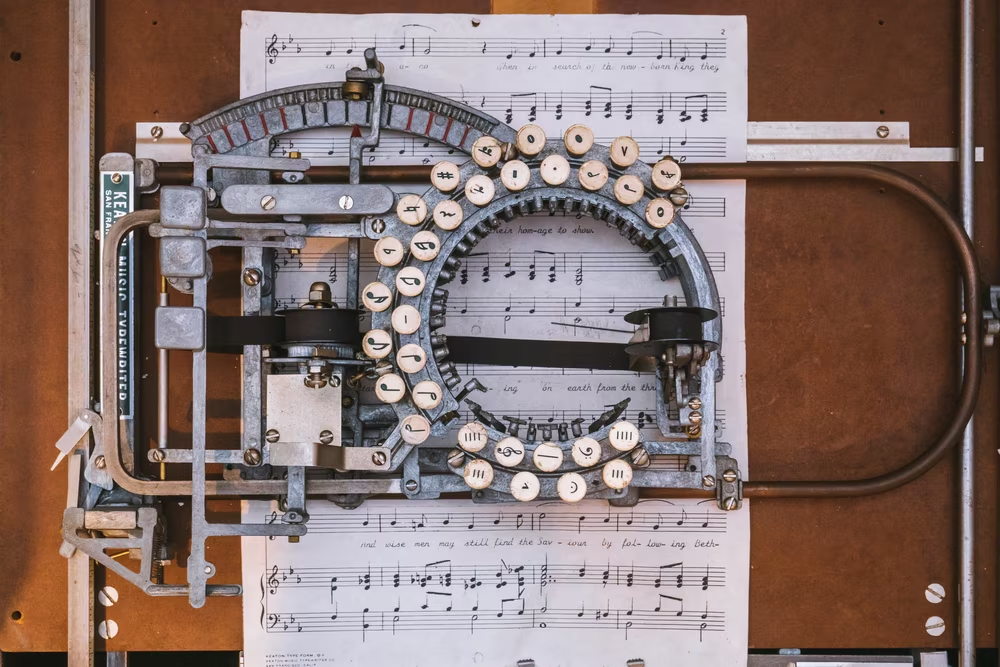
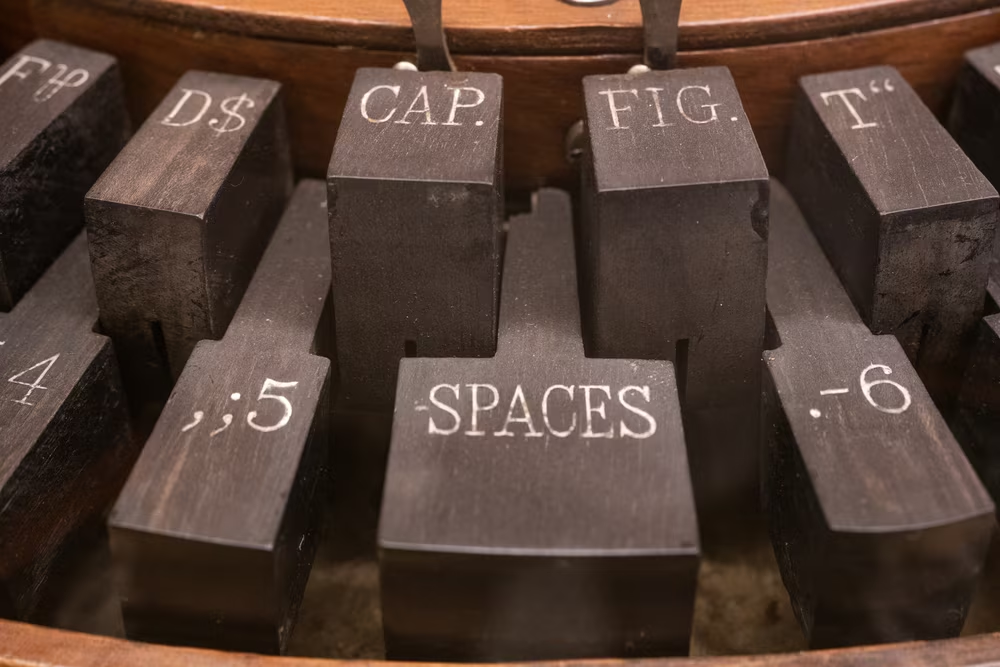
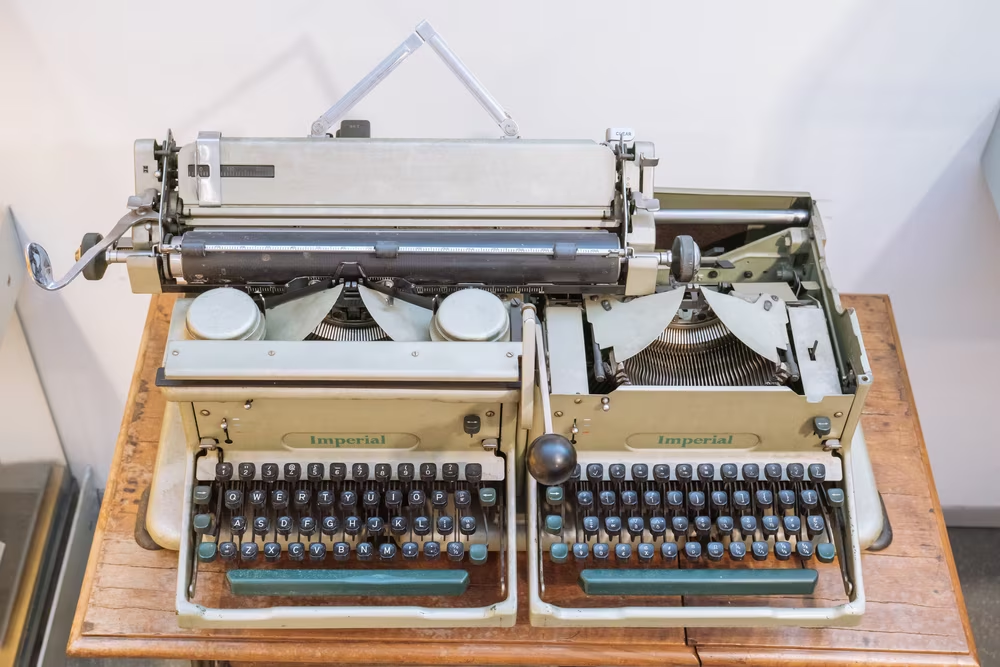
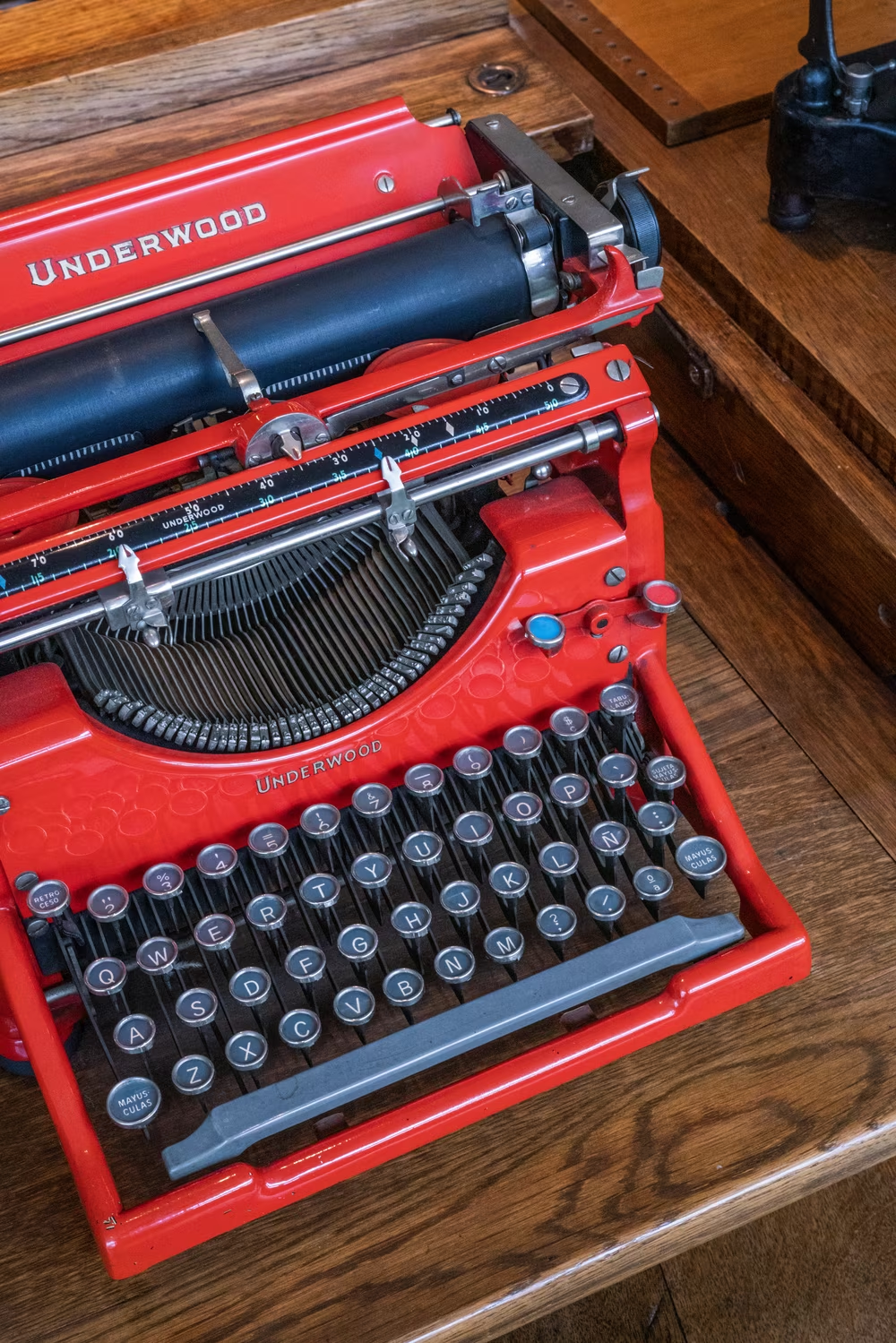
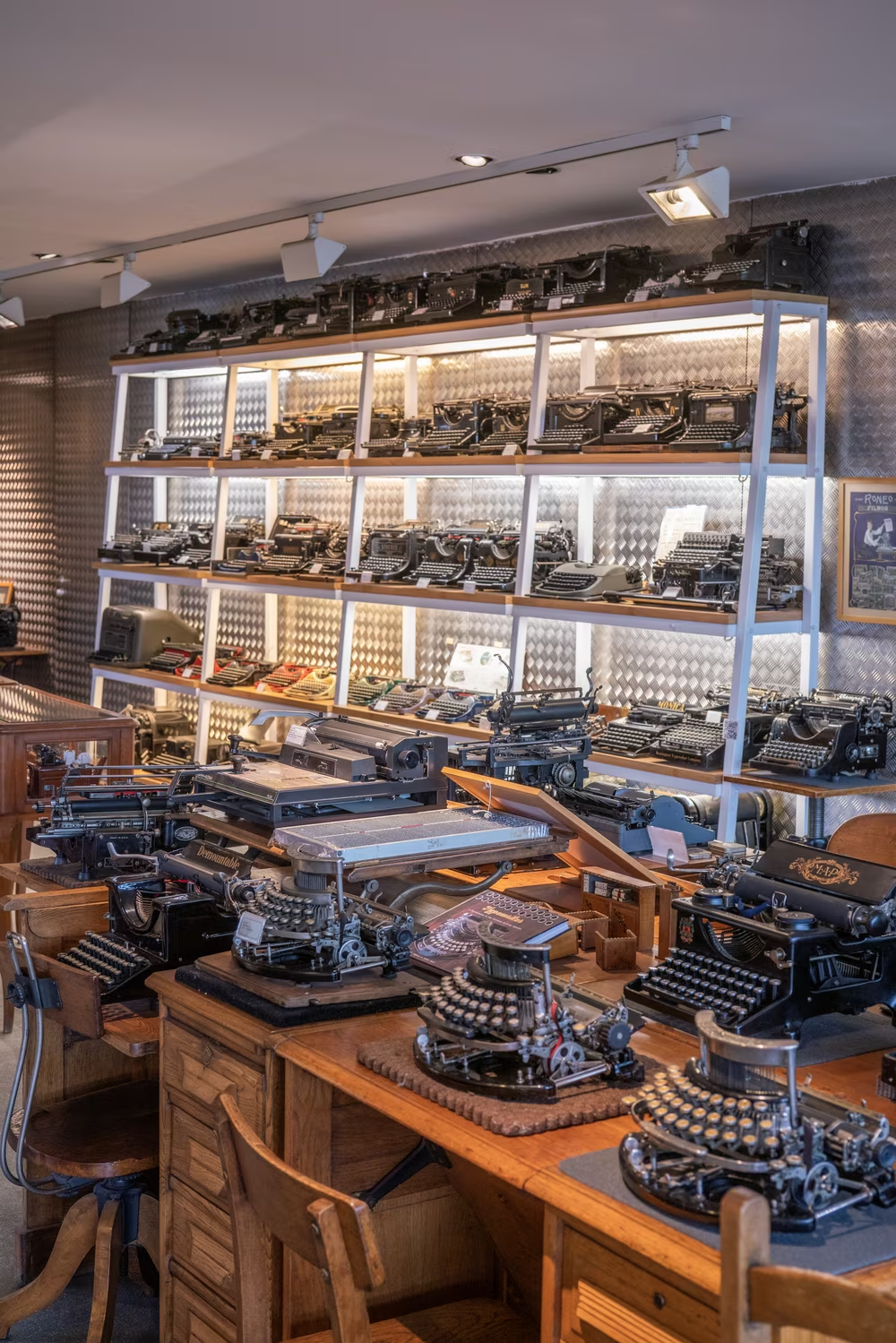
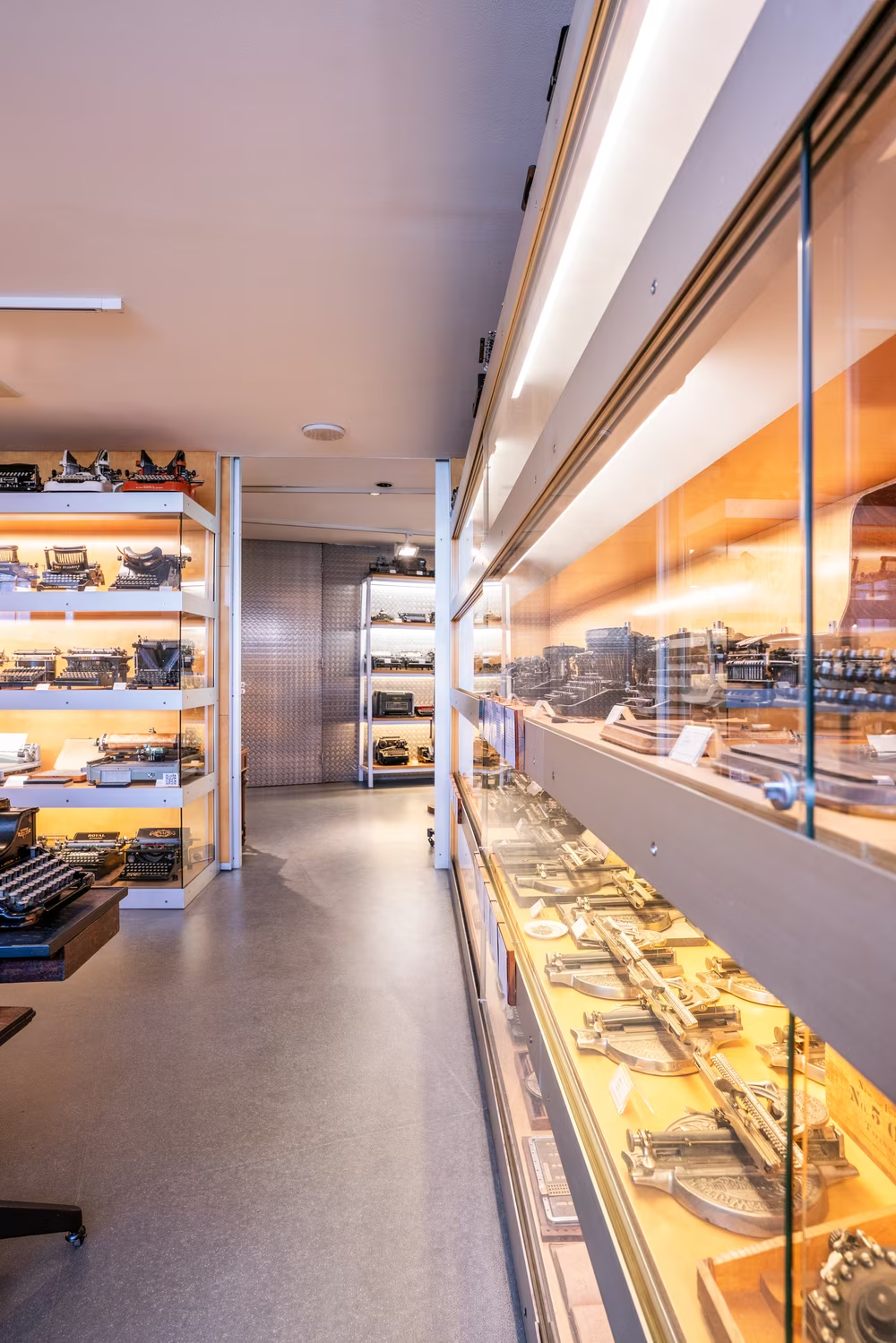
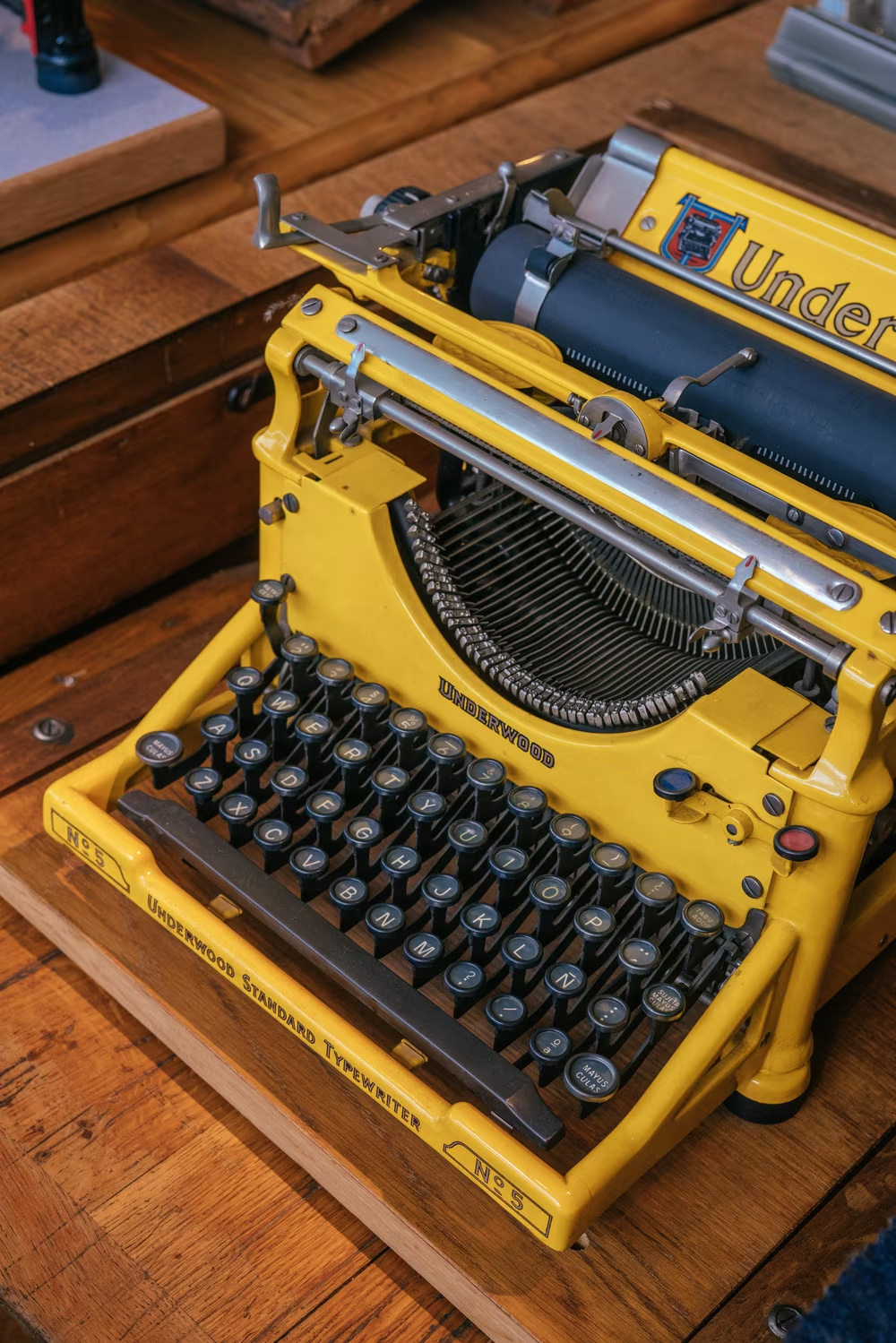
So yeah, I’m biased, but the reasons for that bias are worth celebrating. This museum definitely belongs to the joint category of “great collection” + “great passion,” with so many typewriters you could sometimes even pause and trace the history of individual manufacturer, as all of their models are shown side by side like on a timeline.
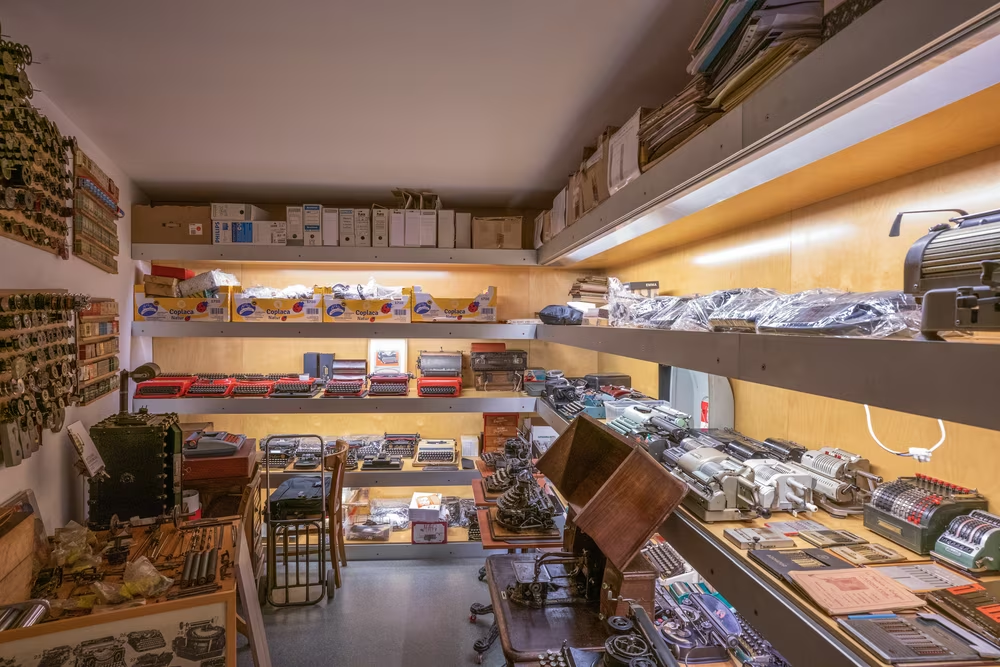
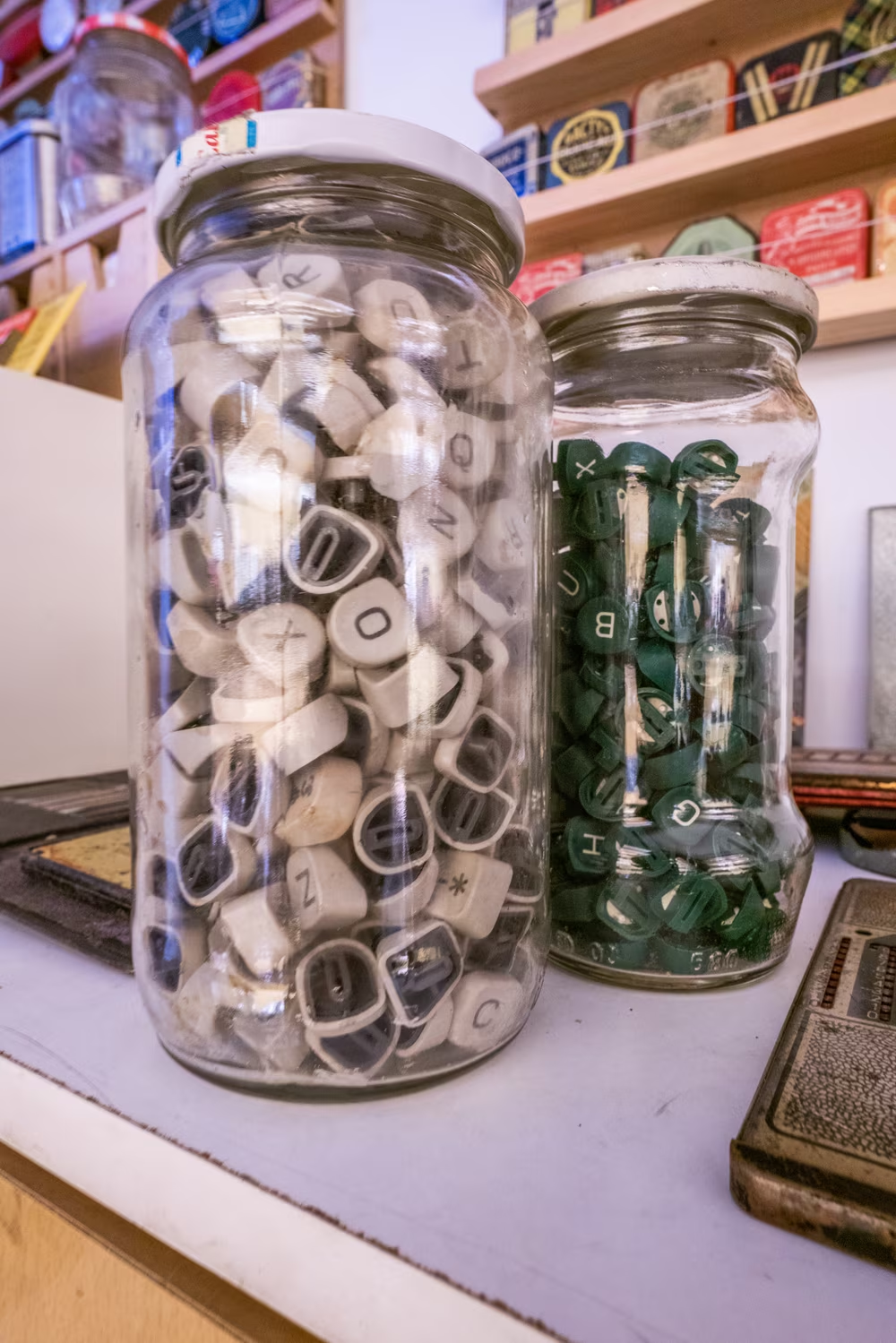
There’s also something I always appreciate: the ephemera. It’s not just typewriters, but also the desks, the accessories, the advertisements, the complementary devices. There is a risk of a museum doing that kind of stuff in a way that feels like hoarding and I don’t fully understand yet what separates one from the other. This museum is not an extreme time capsule like other museums can be, but I find the ephemera crucial to understanding the machines. Nothing, after all, is used in isolation, and no device can be removed from the context of its time and its surroundings.
I’m also very happy I got to briefly meet the creator of the museum (and his whole family) before his passing.
ACMI
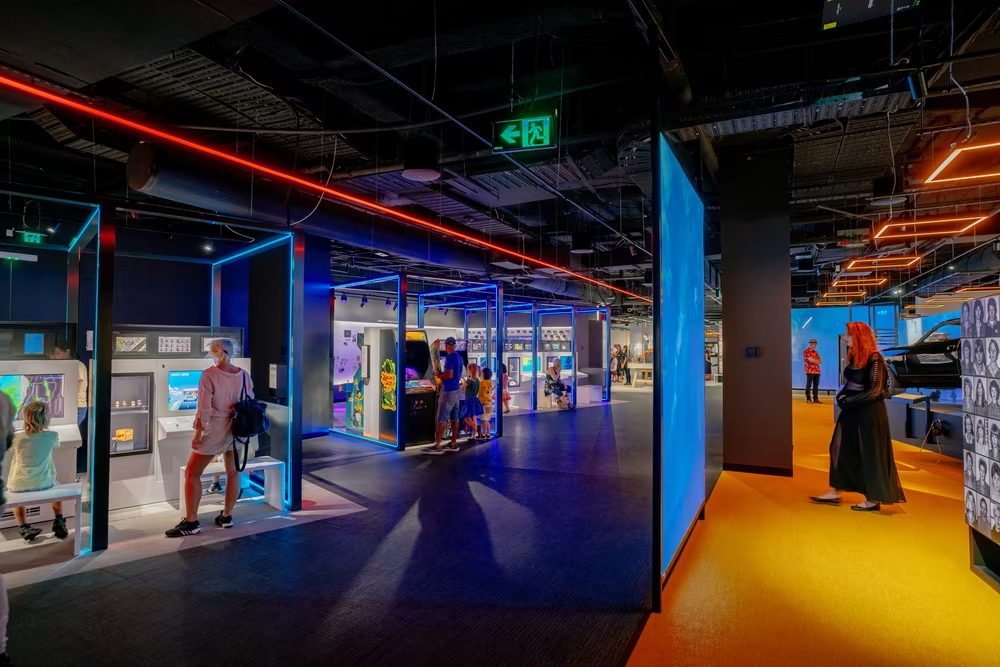
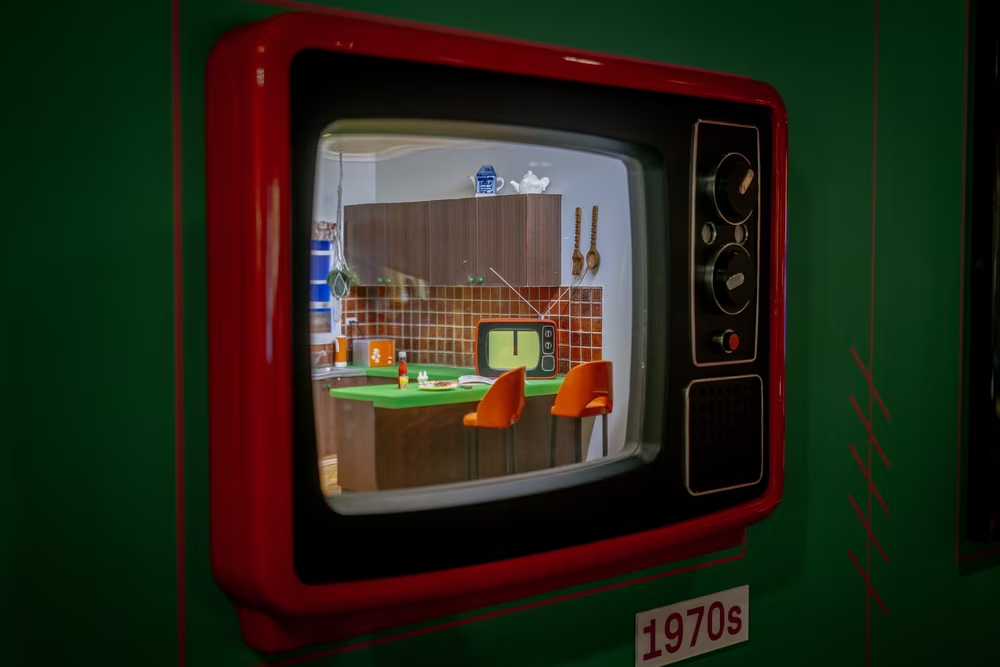
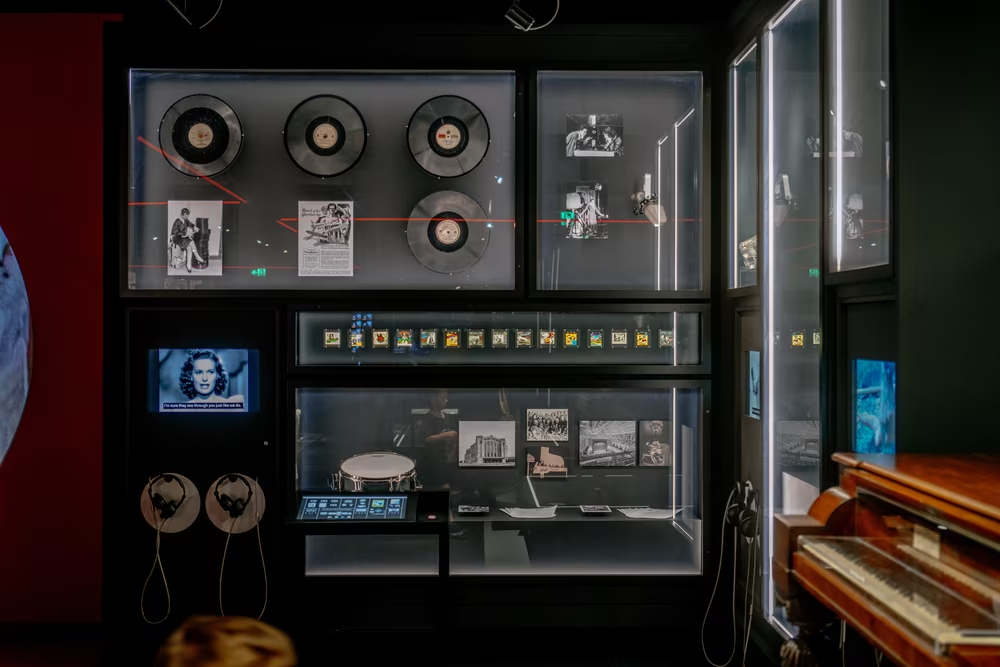
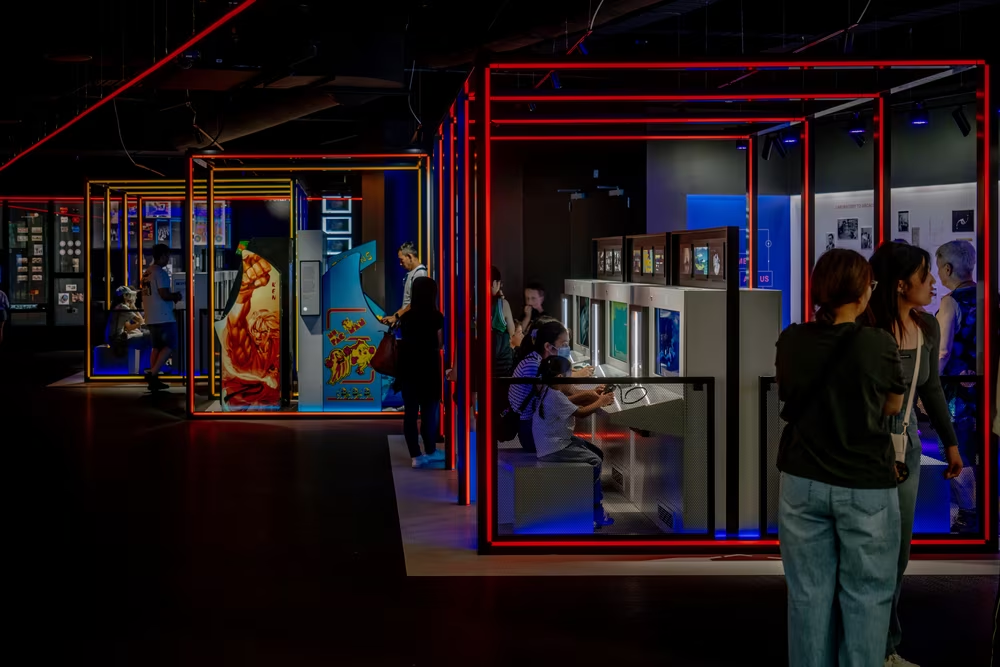
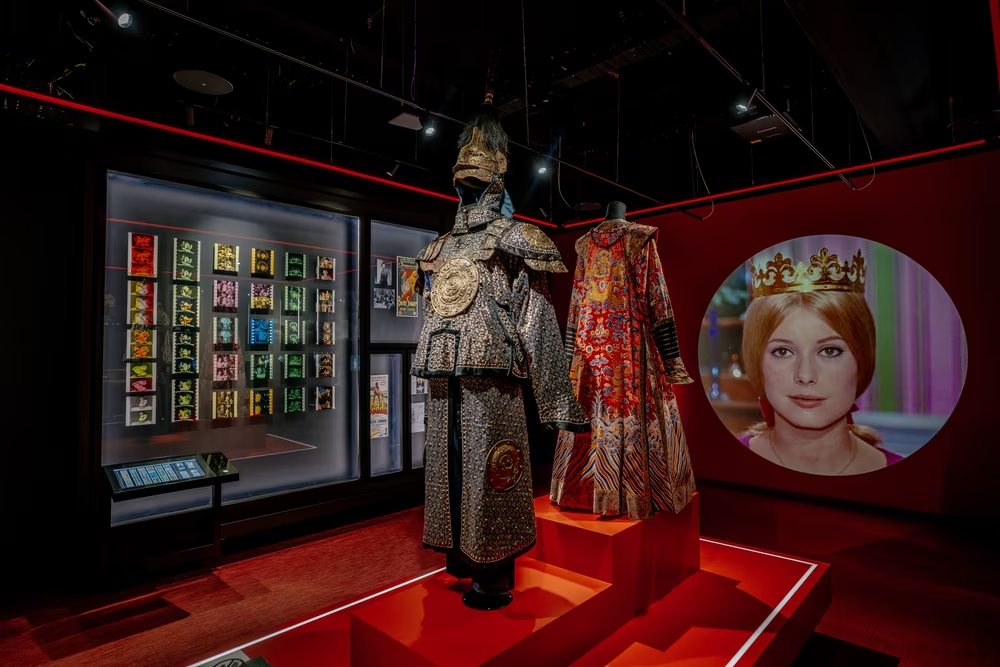
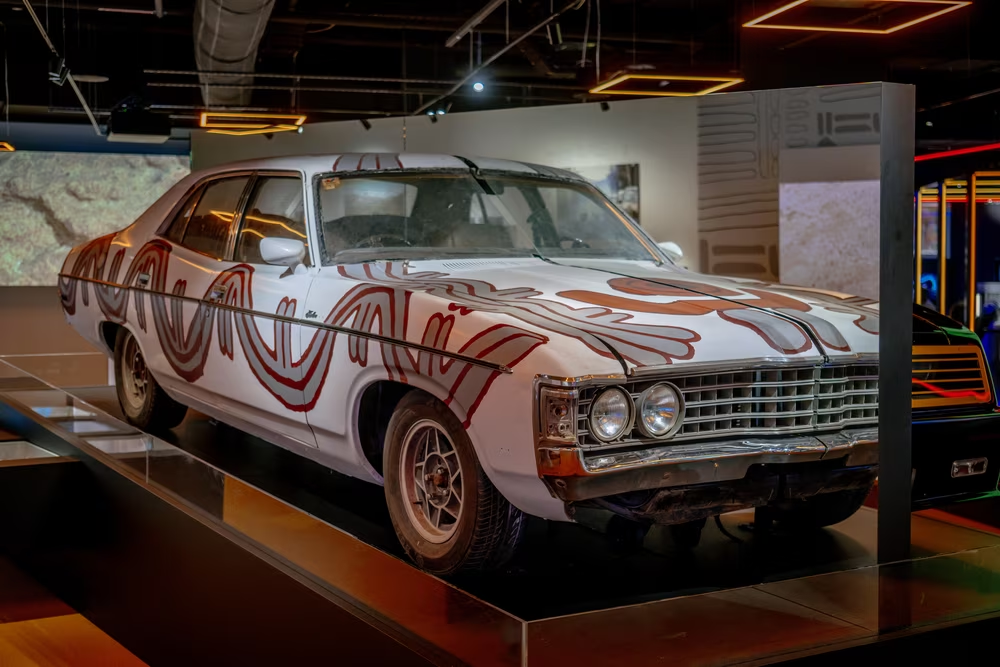
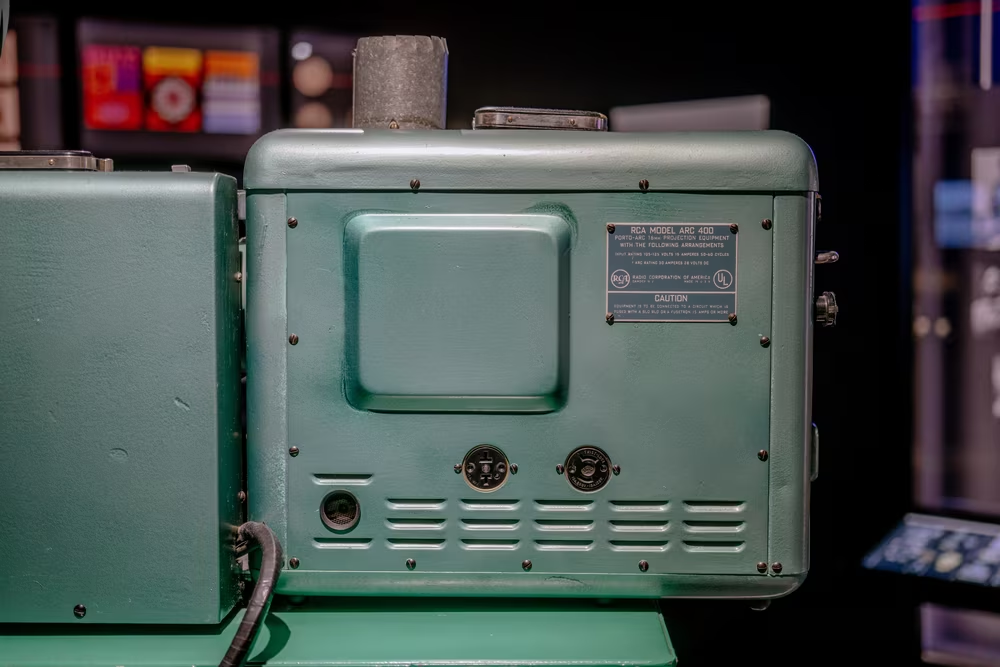
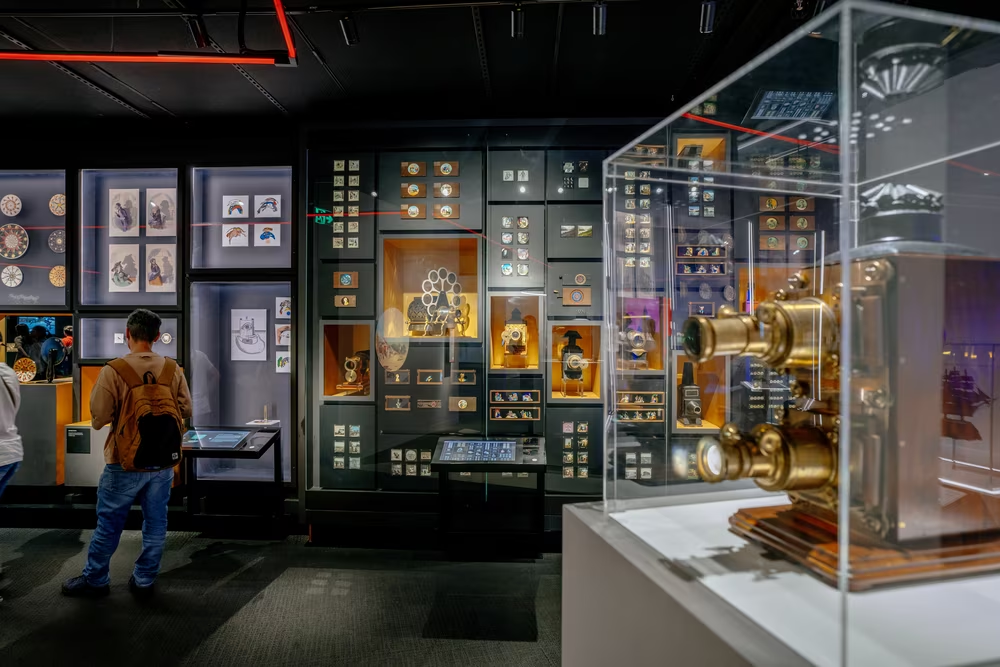
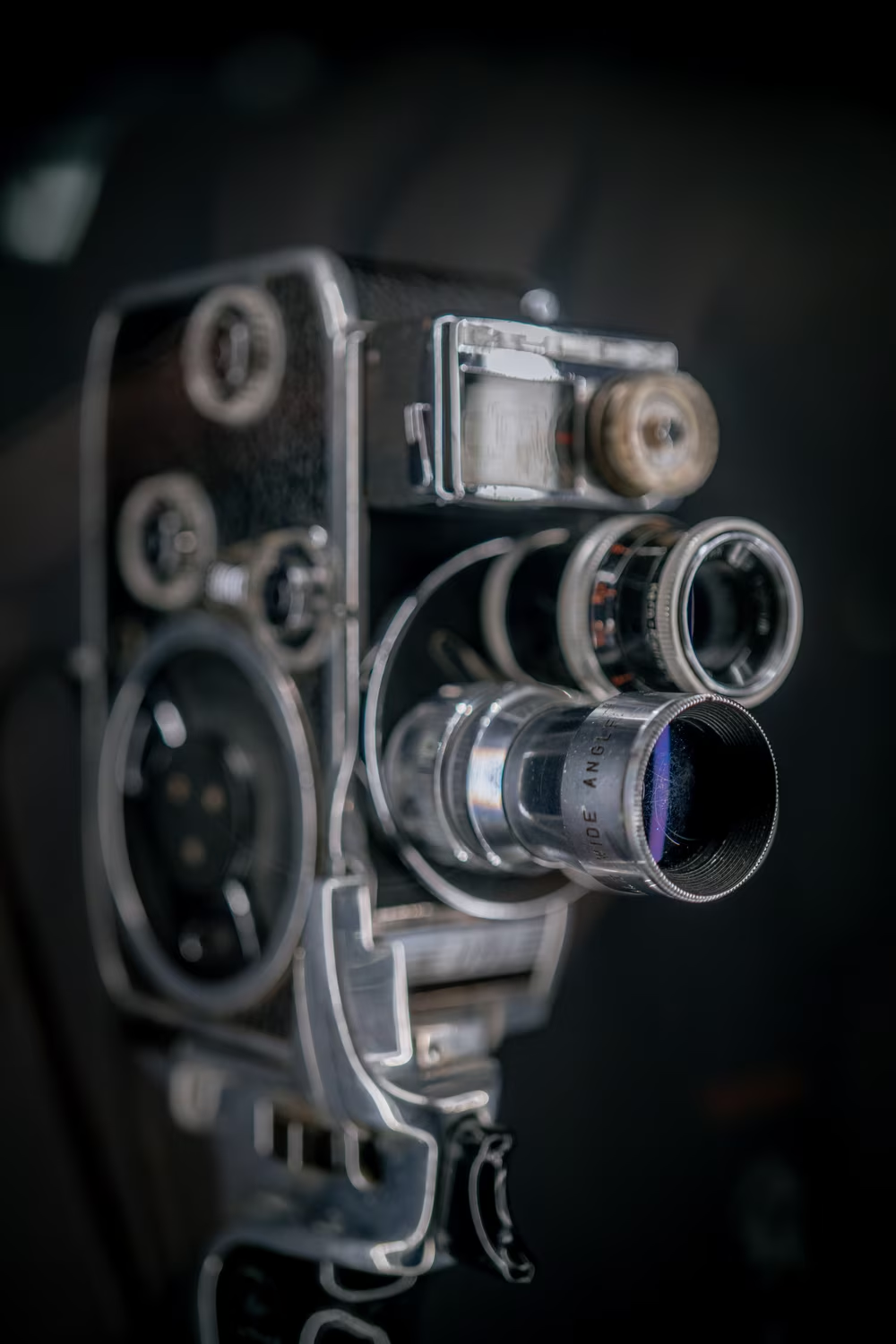
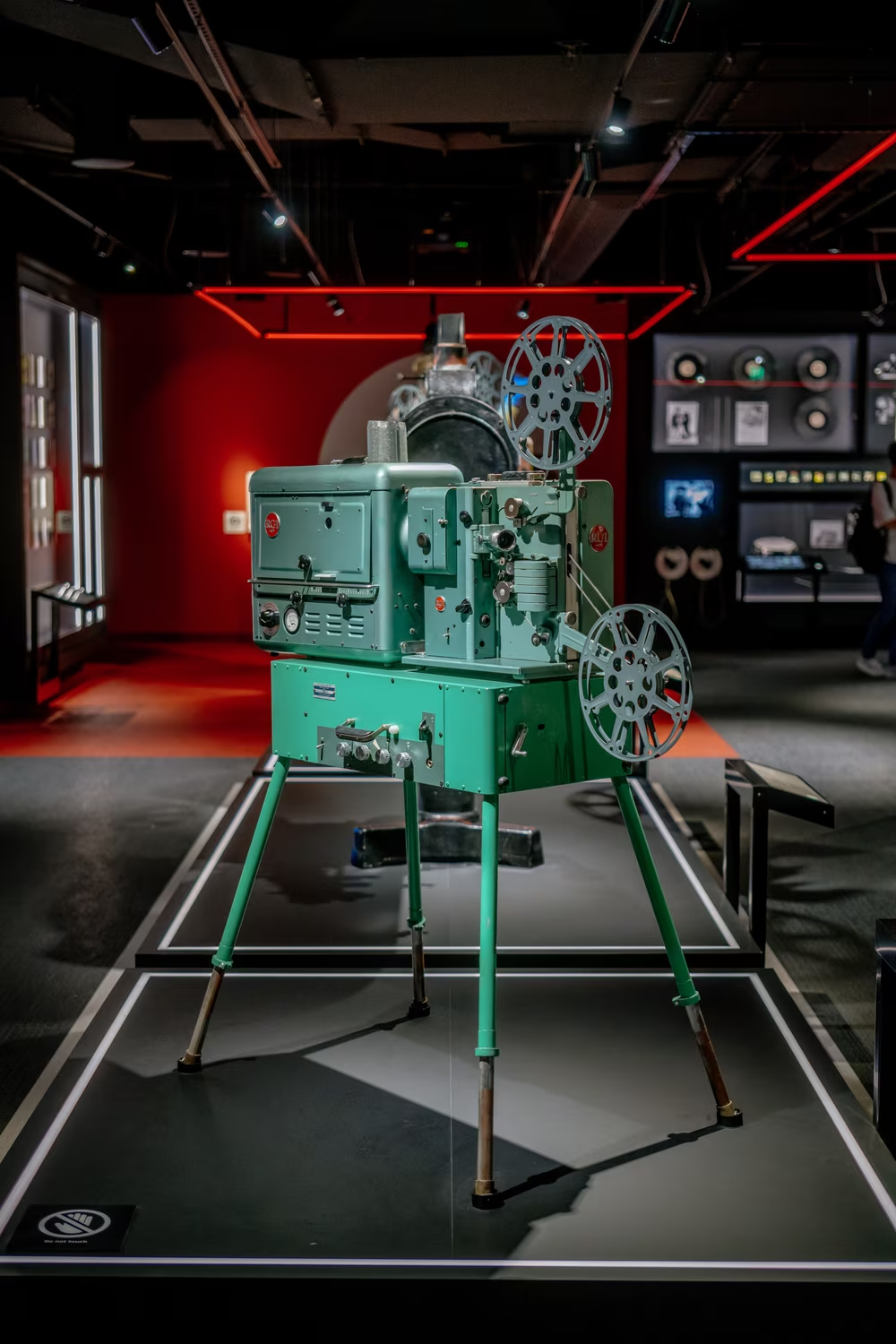
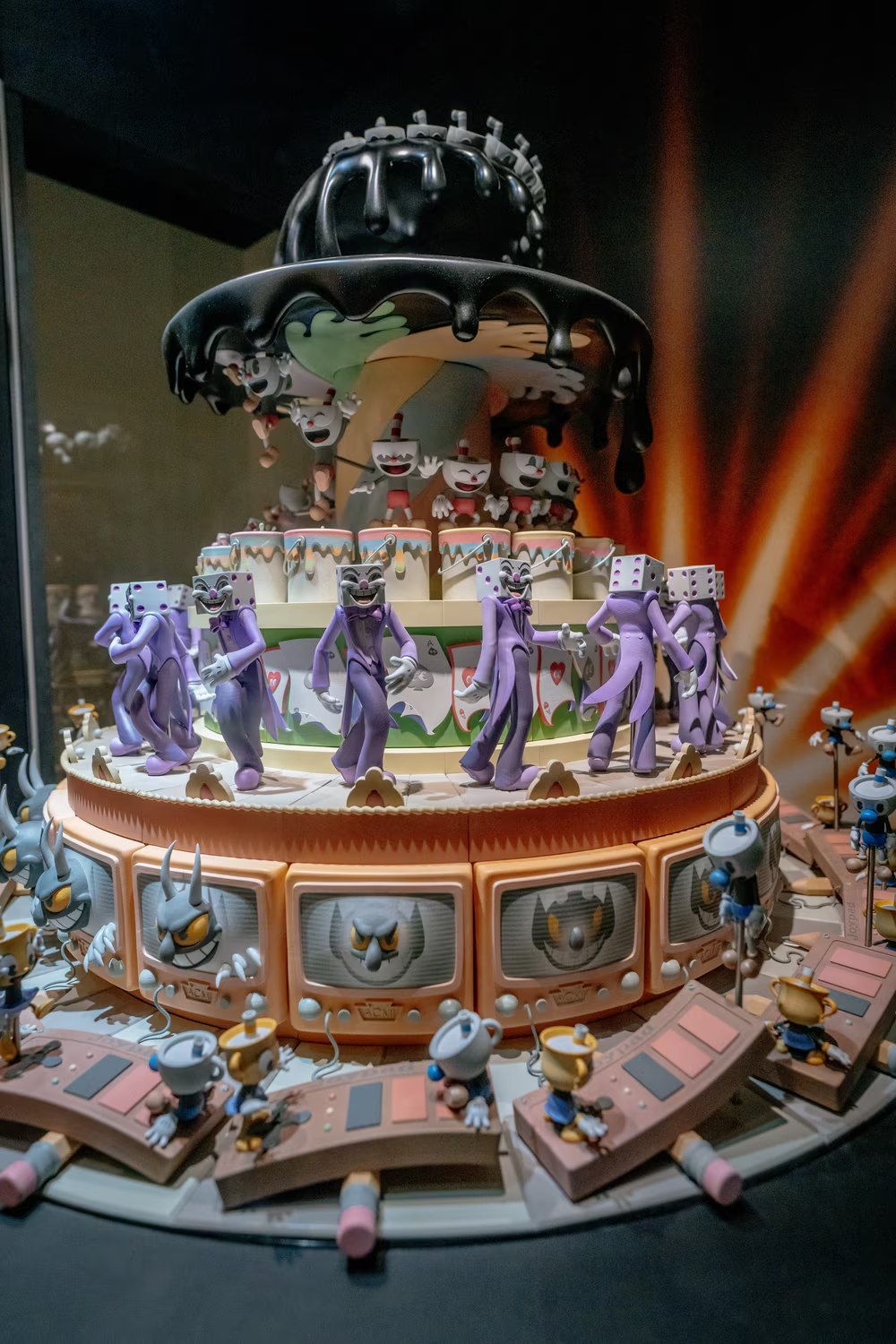
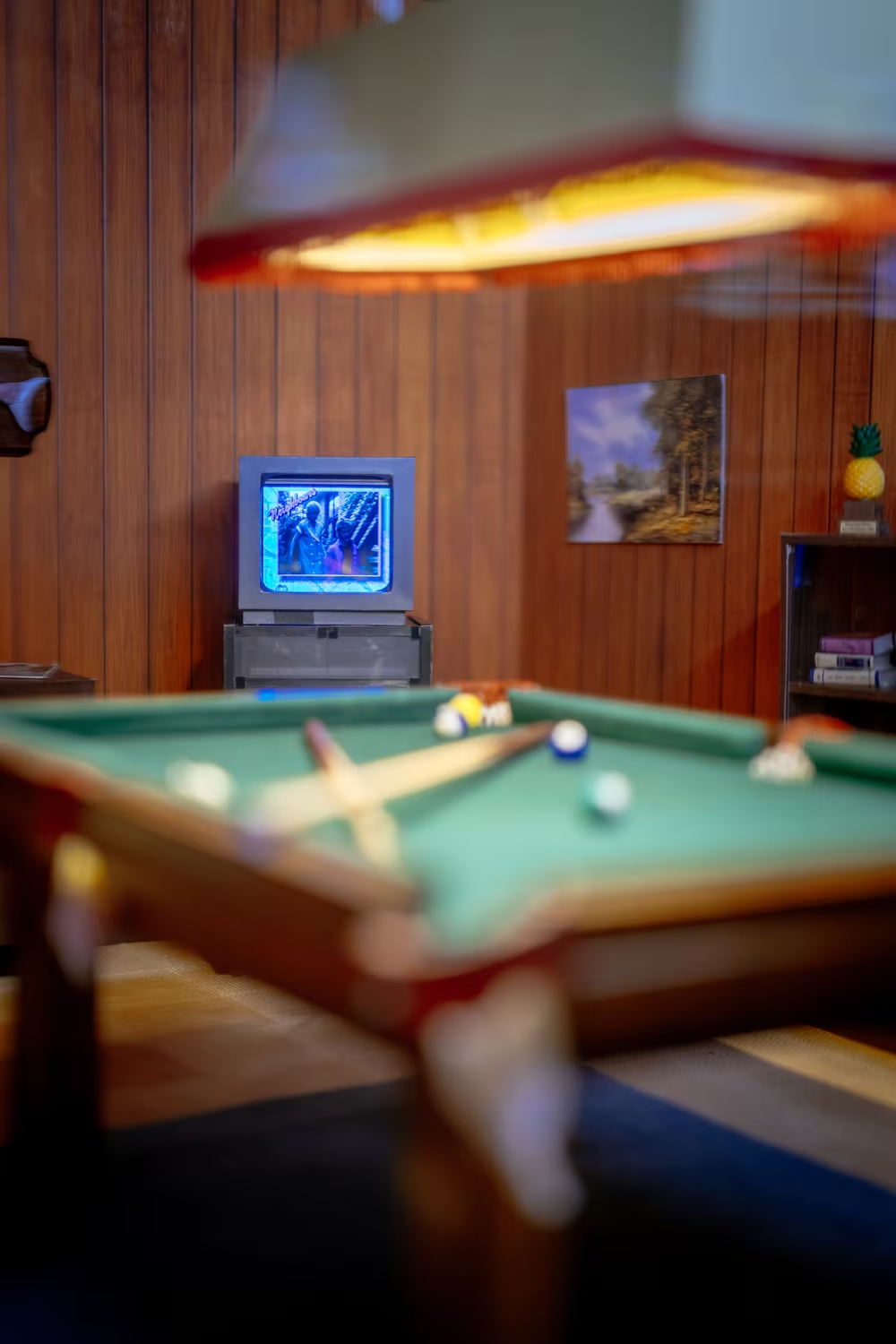
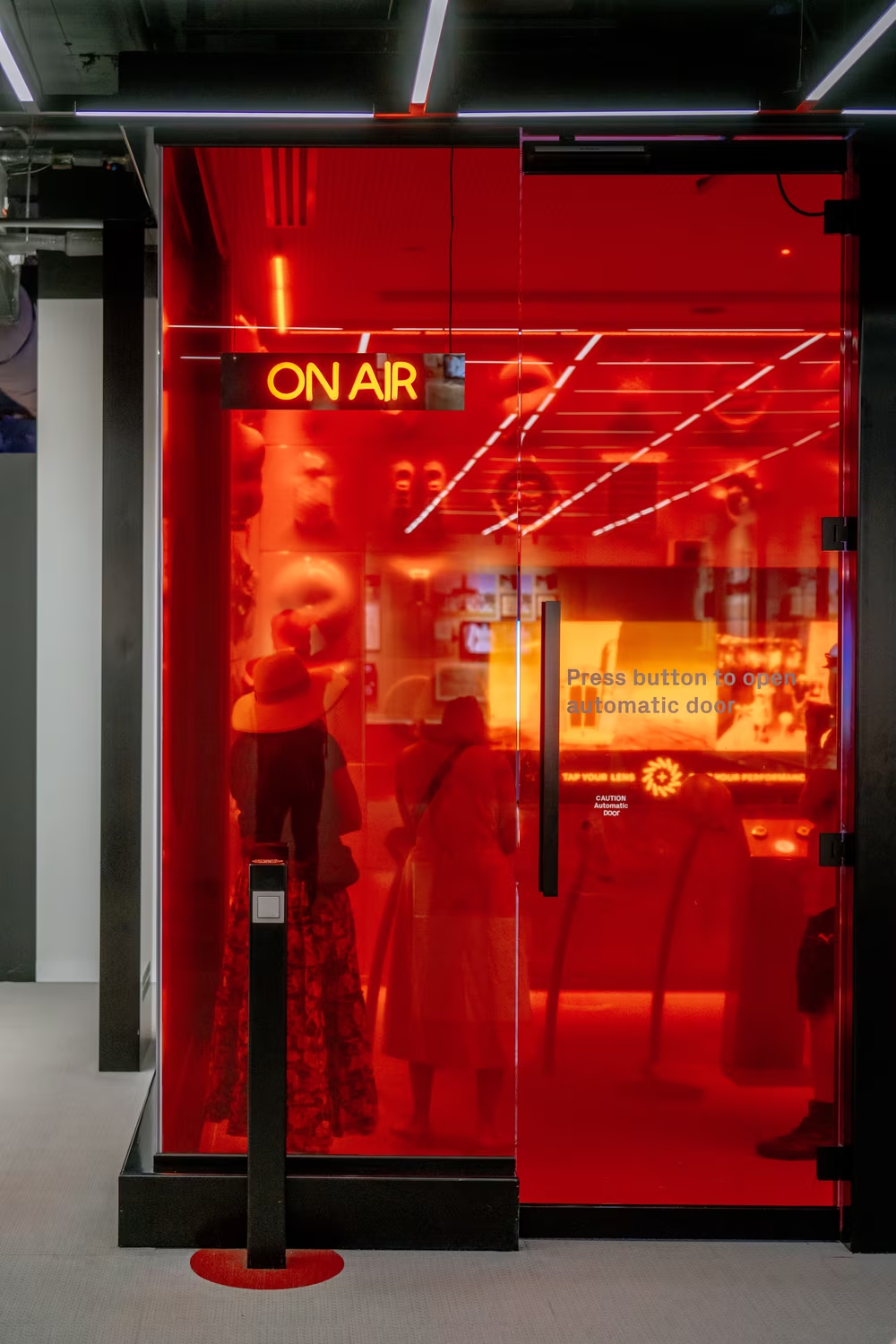
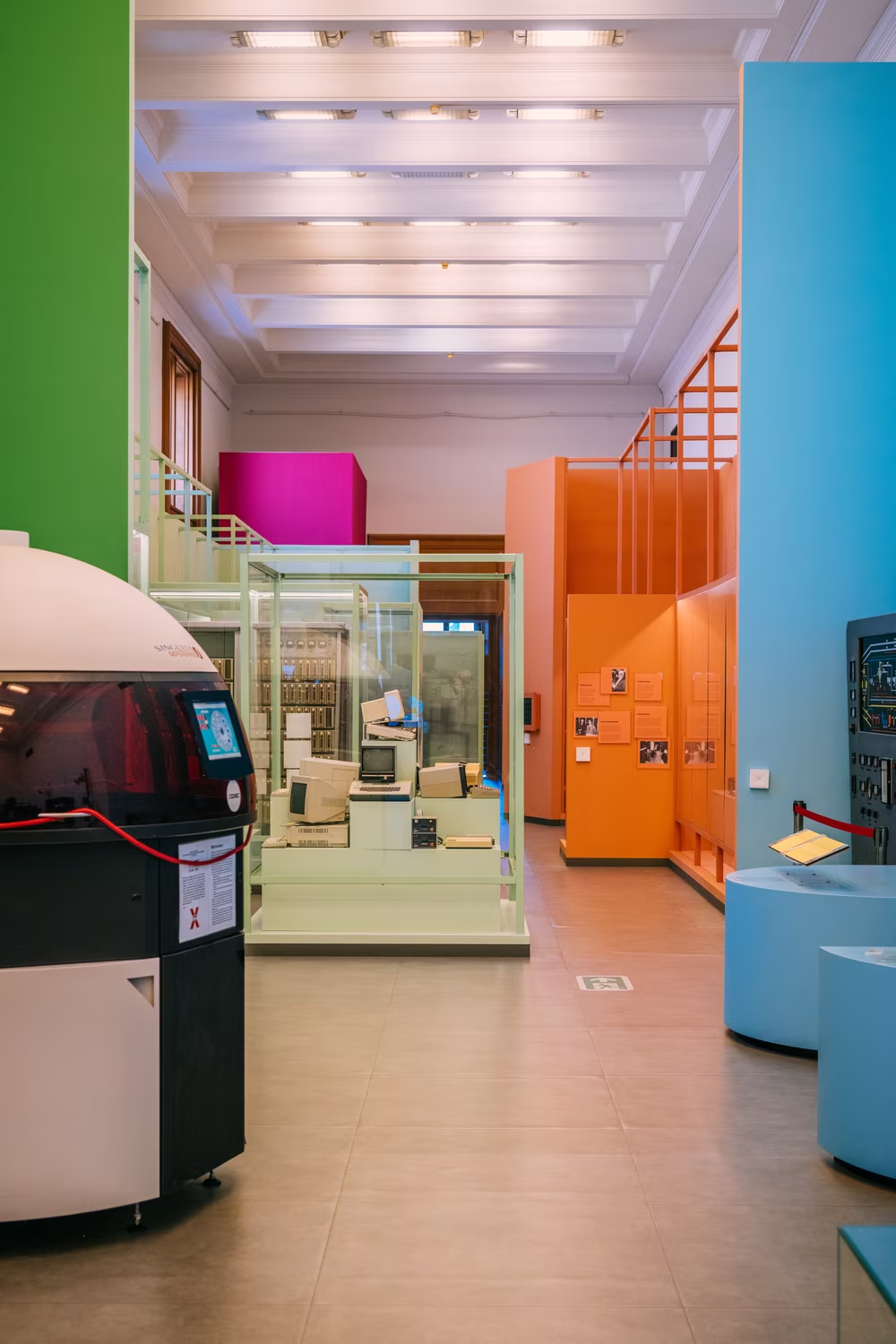
My photos won’t do ACMI justice. This is an extremely well-made museum, filled with great experiences and stories. Every exhibit here drips with creativity, from simple ideas like splitting a car in half with two well-placed mirrors, or miniatures of TV rooms held inside actual TVs. There are probably fifty great little details here that will make you happy even if you don’t notice them, and are a proof that a museum is so much more than its collection.
Even the applications of technology are wonderful and exemplary. This isn’t a museum where you’d encounter a piece of paper saying “under maintenance” slapped atop a stock Android tablet. For example, there is one exhibit here where you can edit a video by moving wooden blocks:
Upon entry, you get a cool artifact resembling a View-Master reel where you “collect” interesting information by tapping on things; most museums would screw this up somehow, and here it works flawlessly and the interactions are delightful. It feels the way we want tech to be – serving and enhancing, integrated, reliable, in the background.
You can tell the museum is run by a designer! This is all really creative and endlessly inspiring. Top of my list. My strict travel plans meant I only visited once, and I regret it, as I feel I only scratched the surface.

Computerspielemuseum / Computer Game Museum
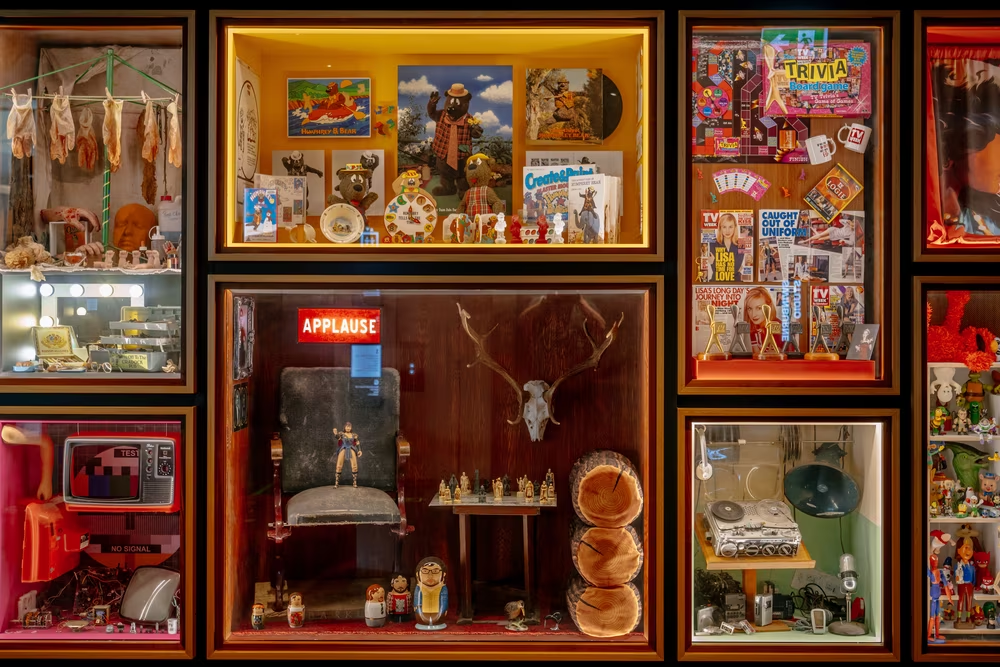
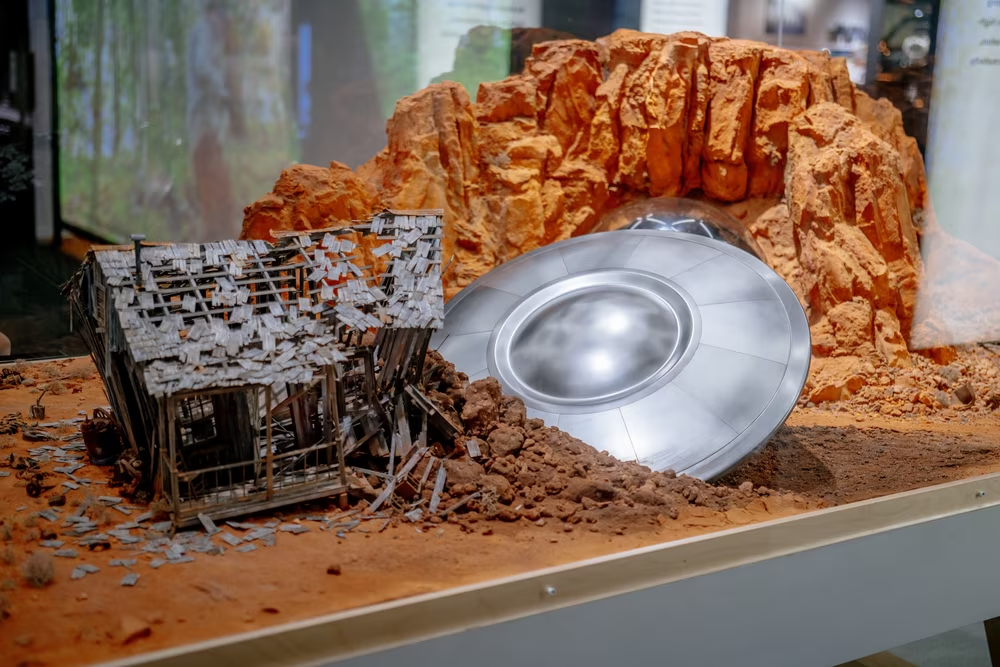
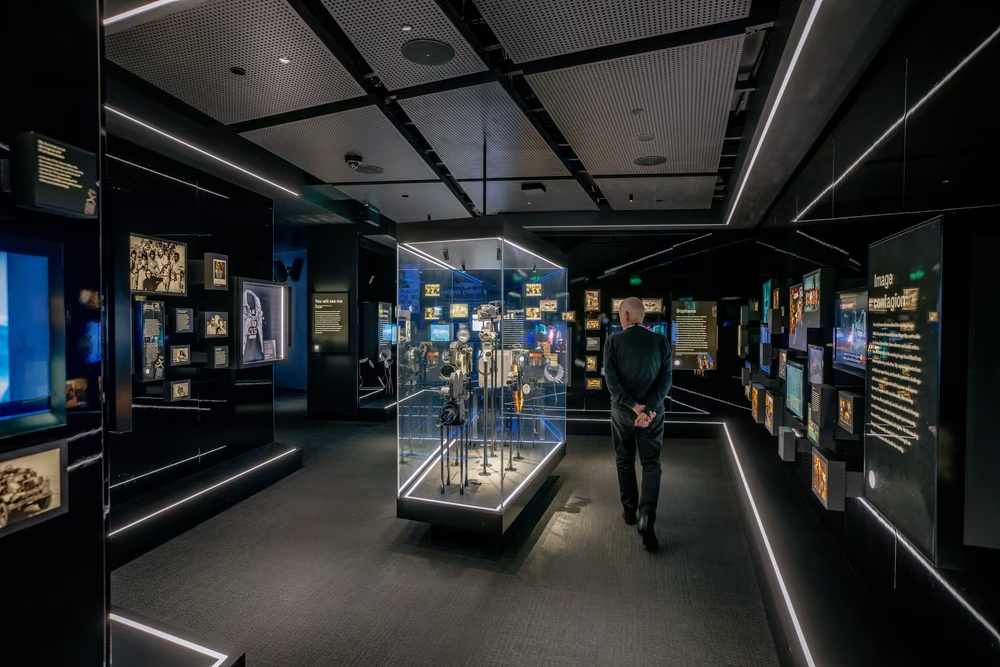
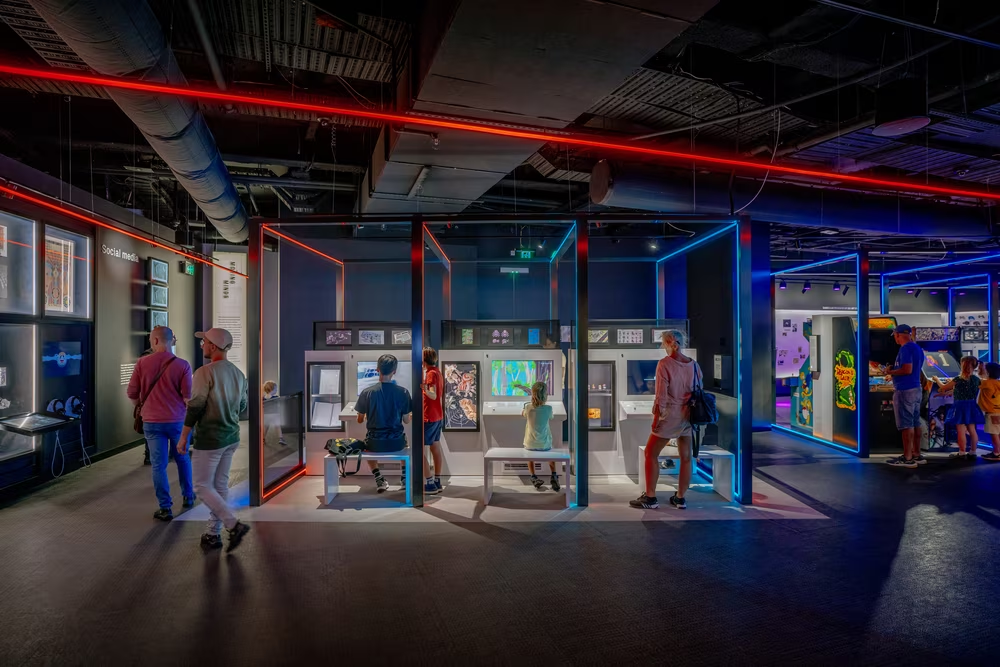
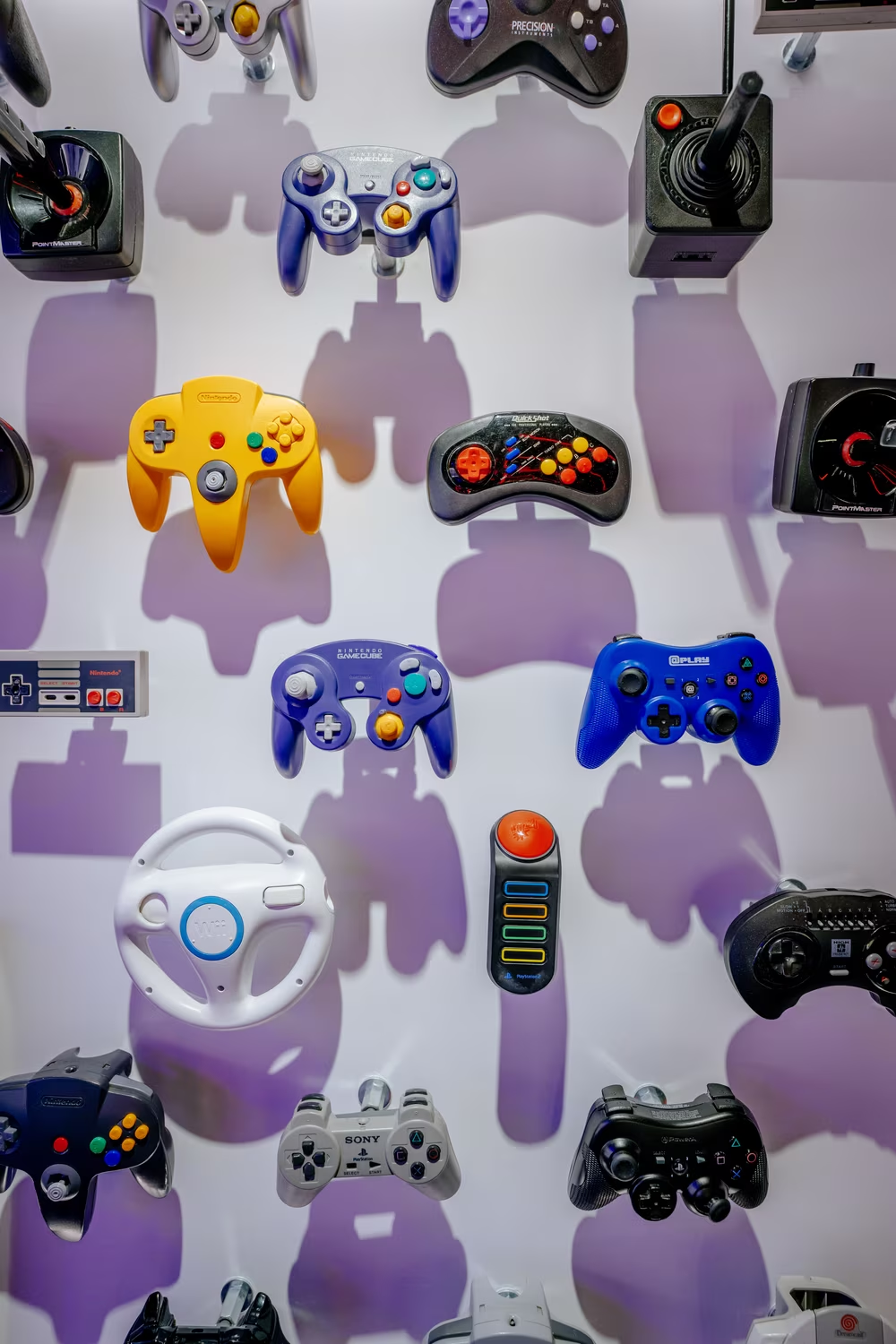
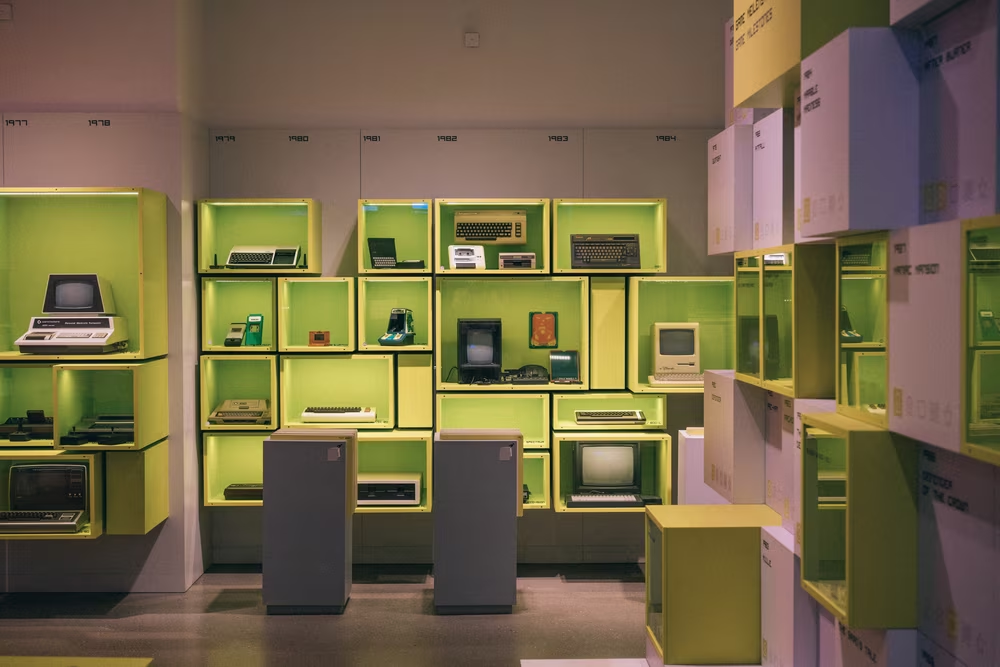
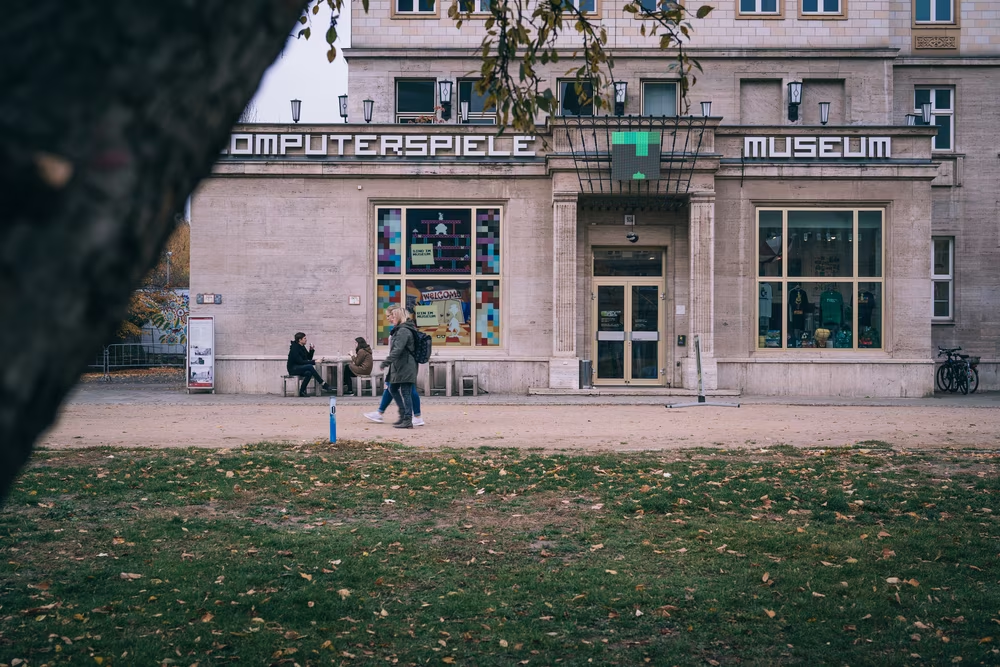
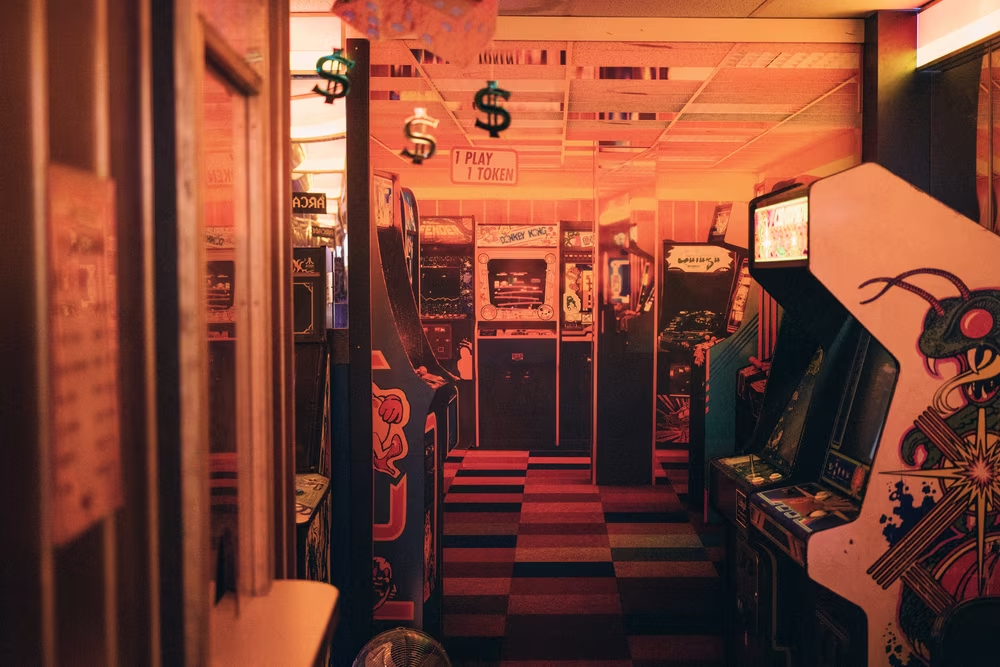
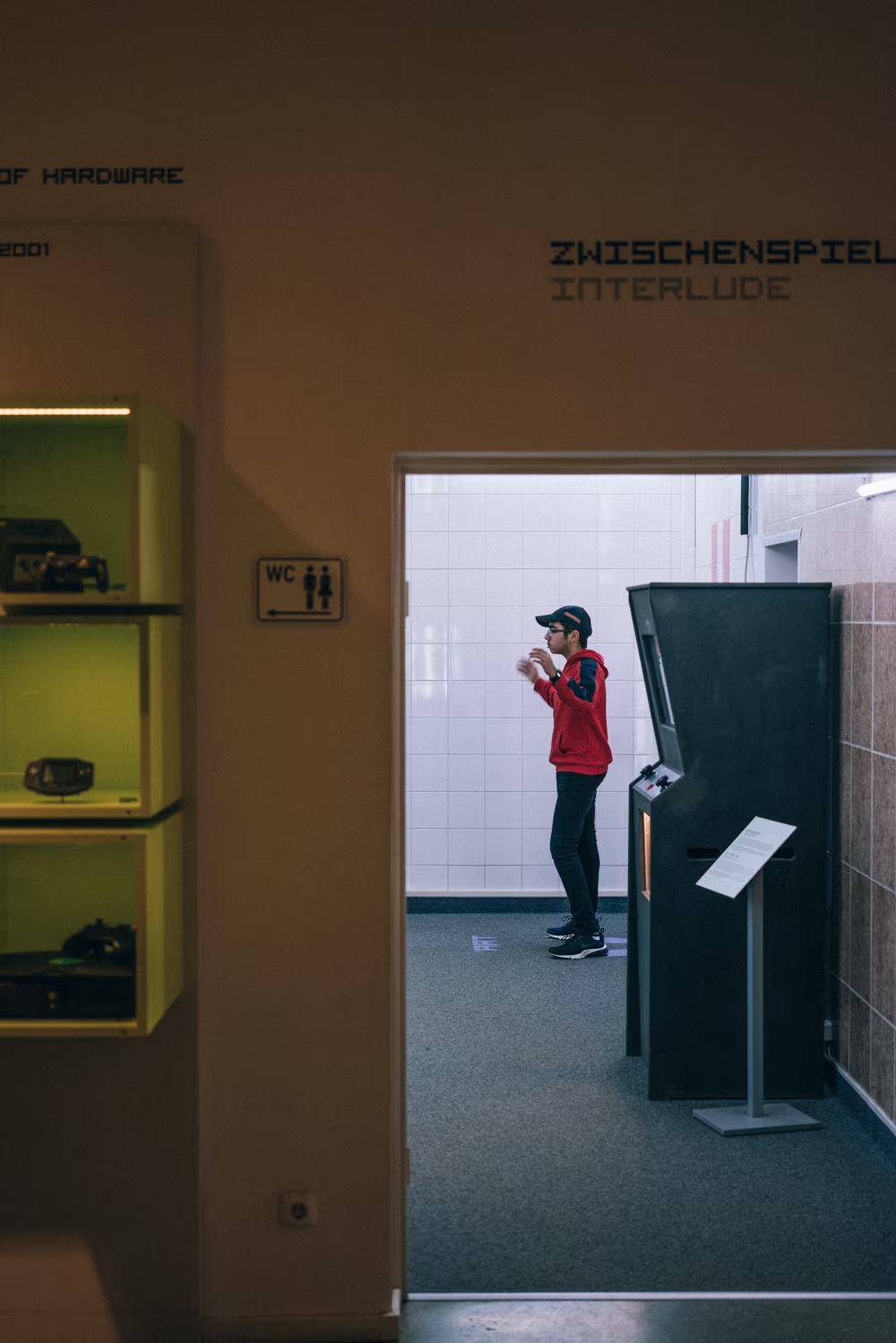
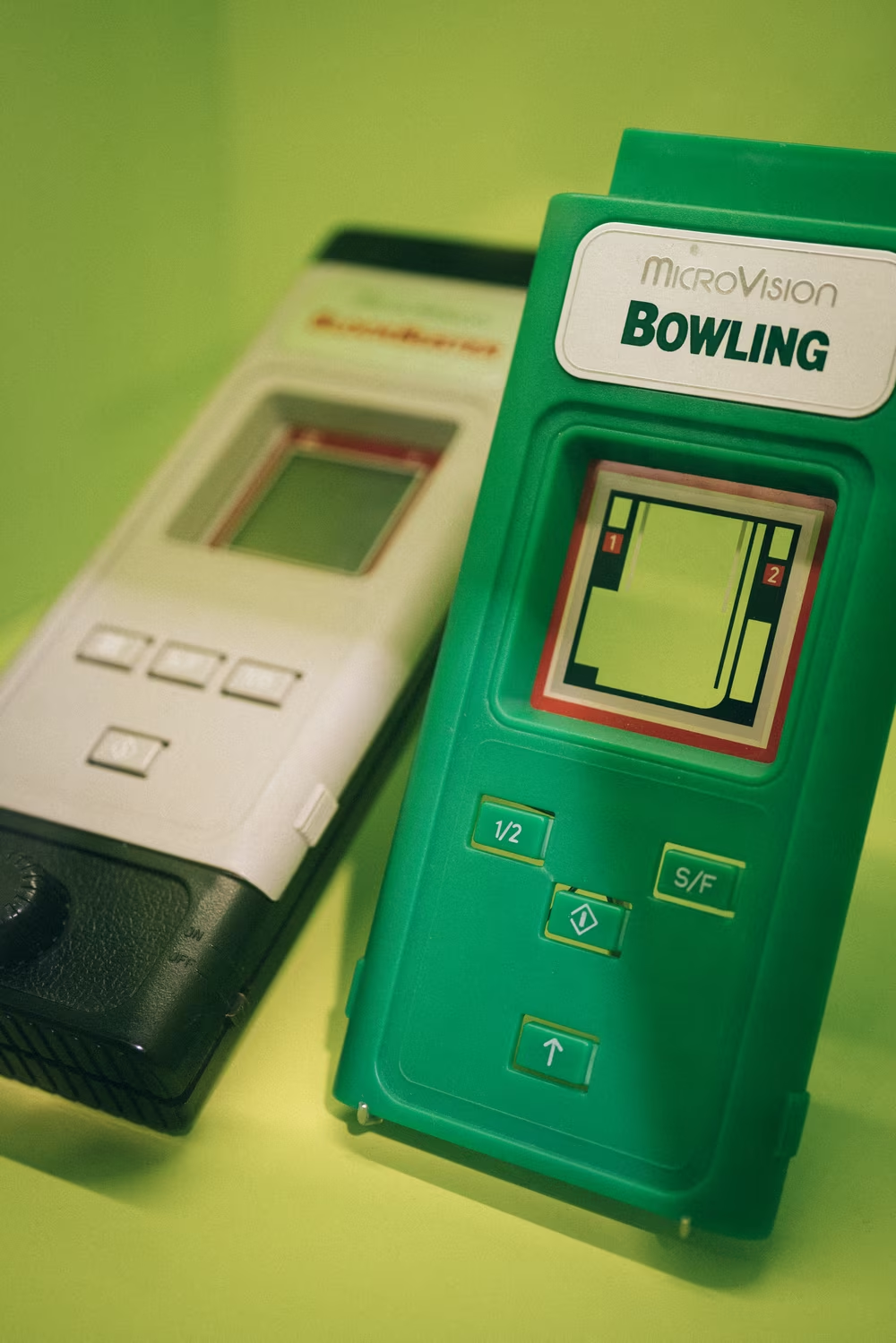
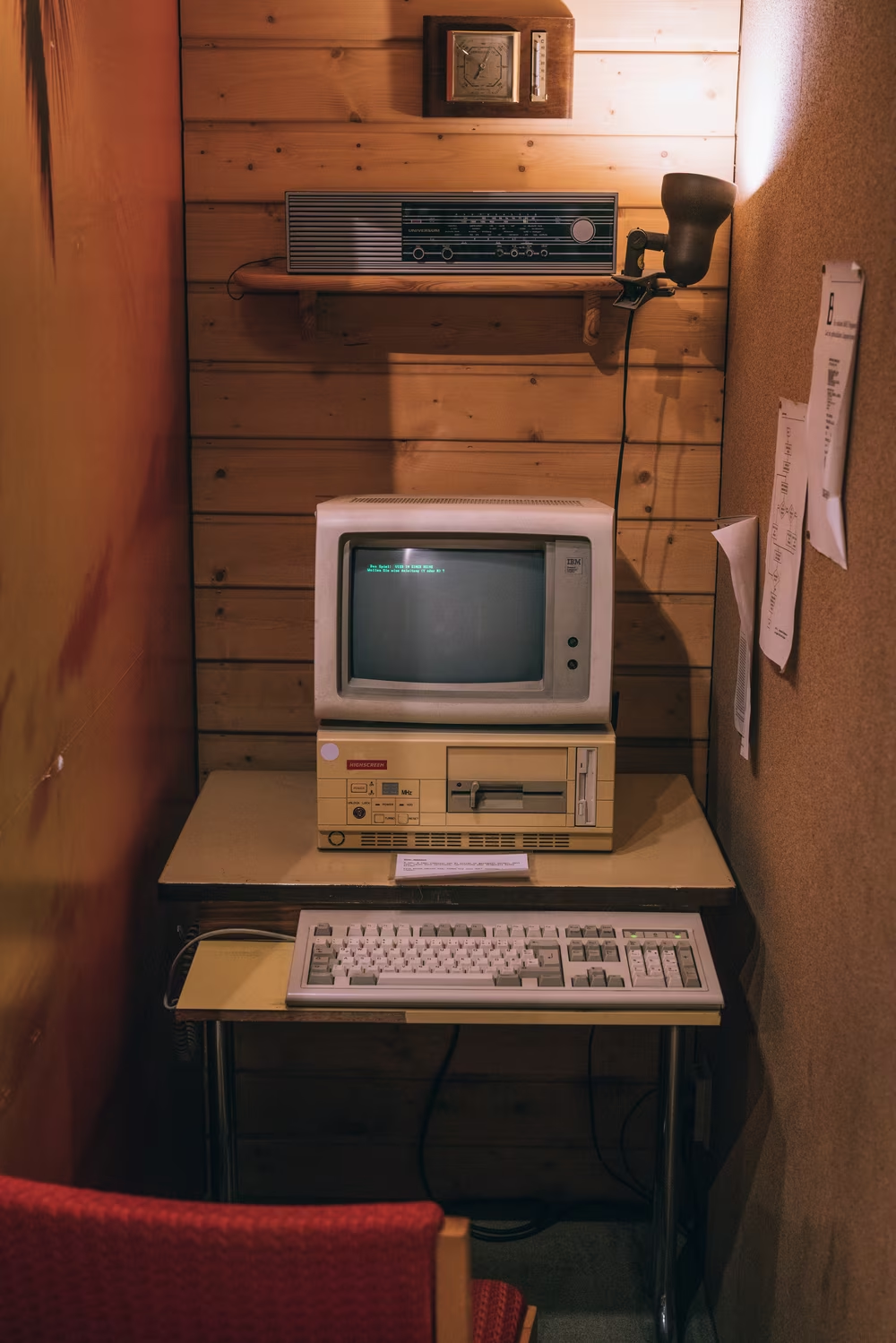
This museum punches above its weight. Most videogame museums I’ve seen are vehicles for hollow nostalgia, arcades by a different name. But Berlin’s Computer Game Museum has more depth and tries to do the art and history of videogames justice.
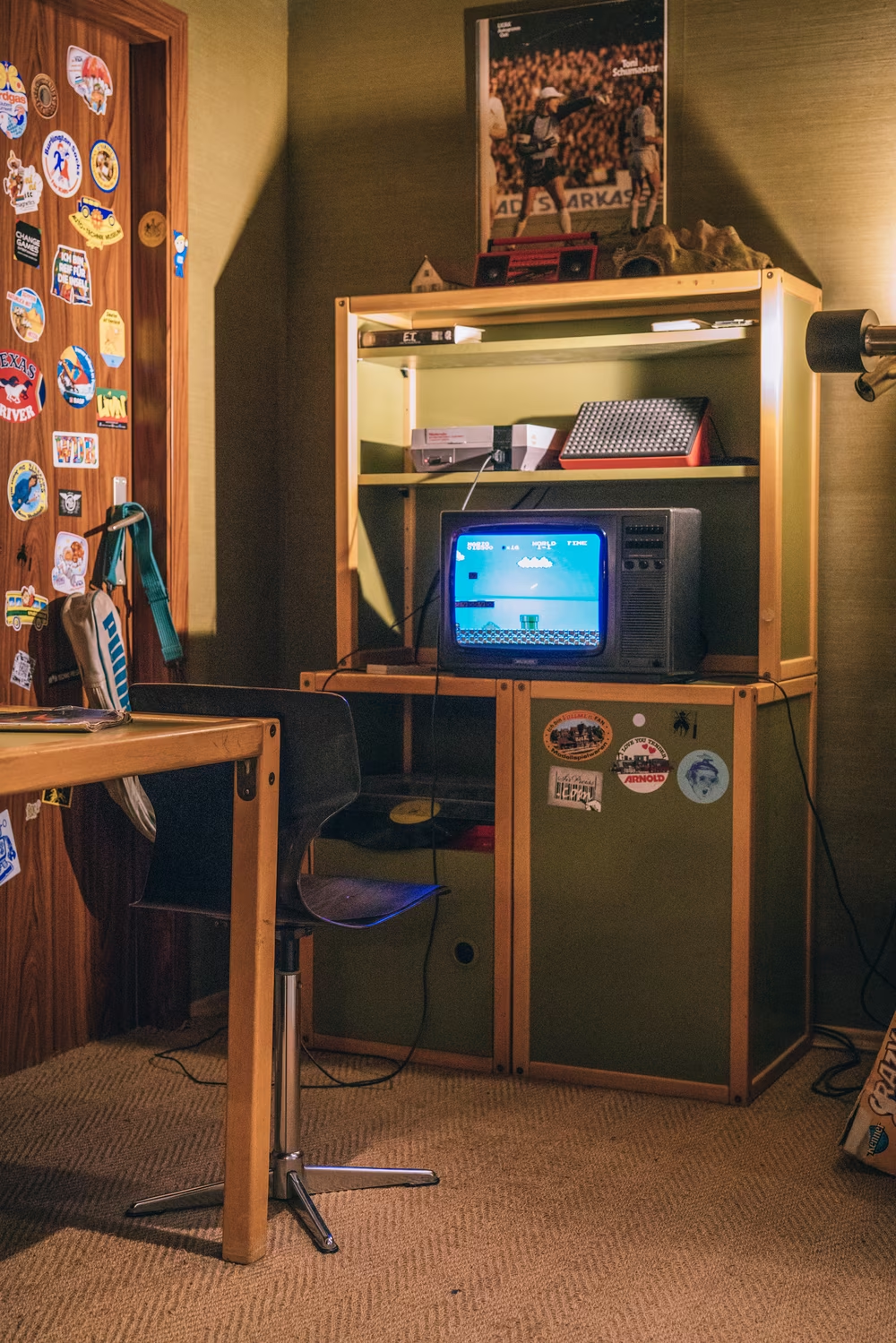
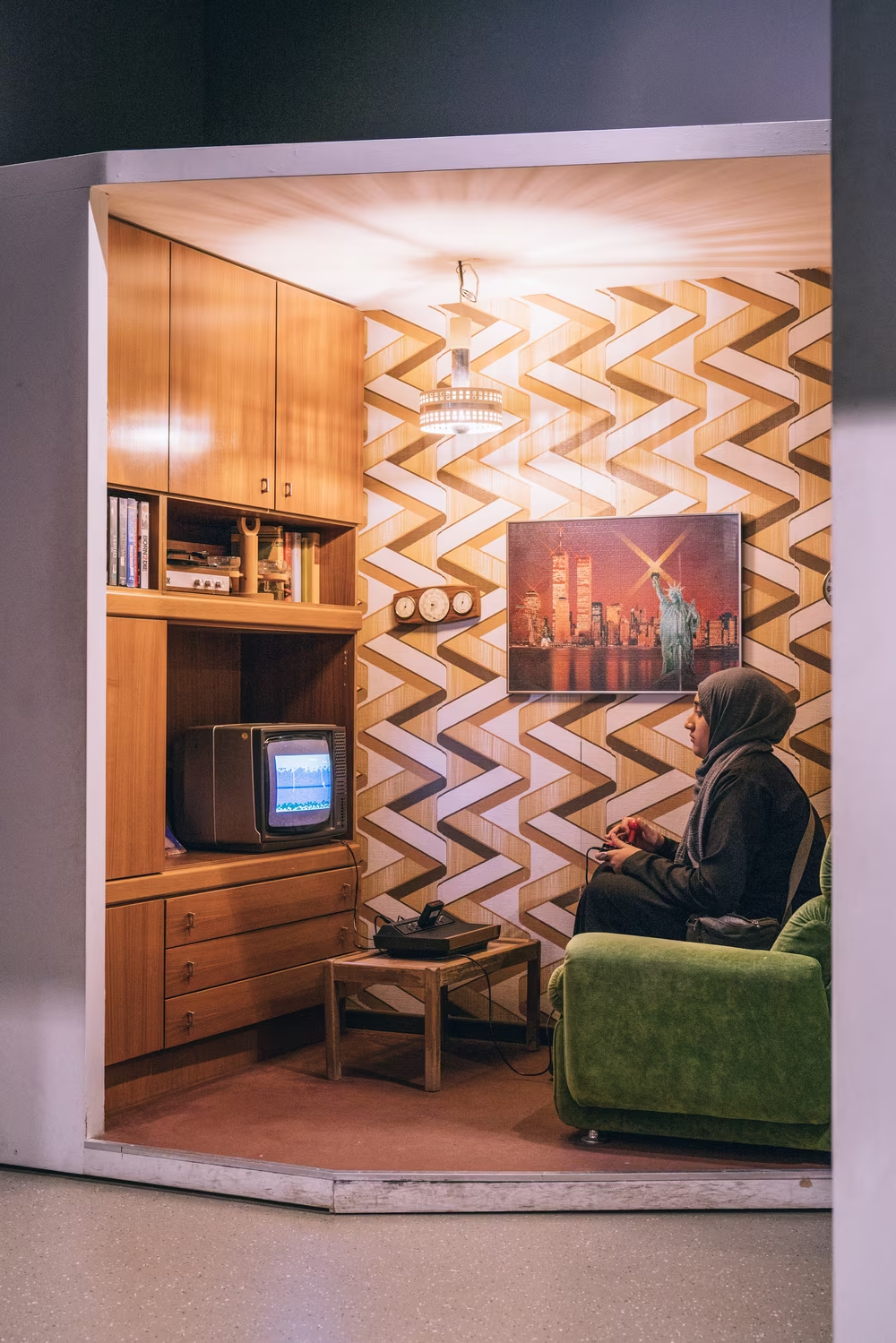
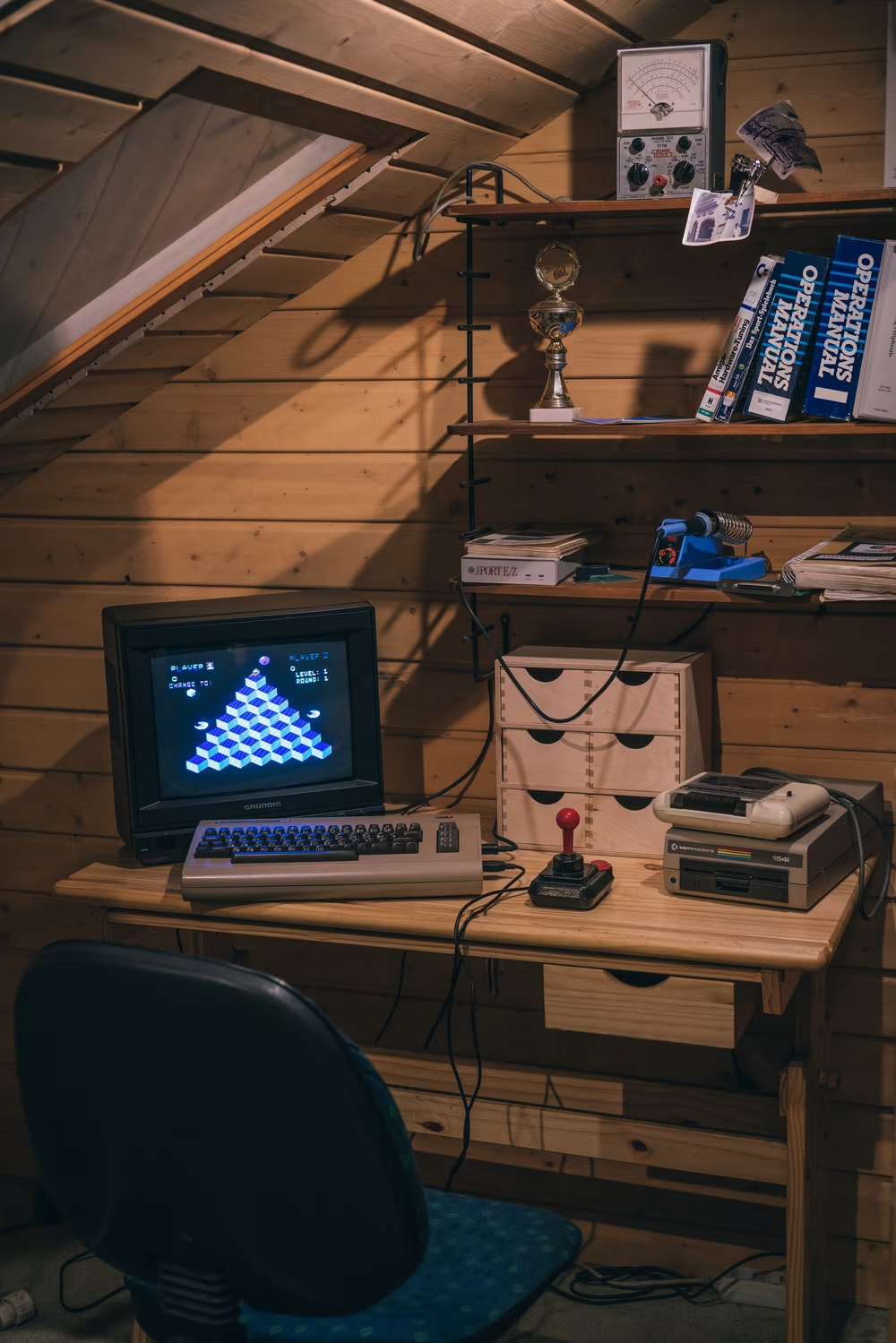
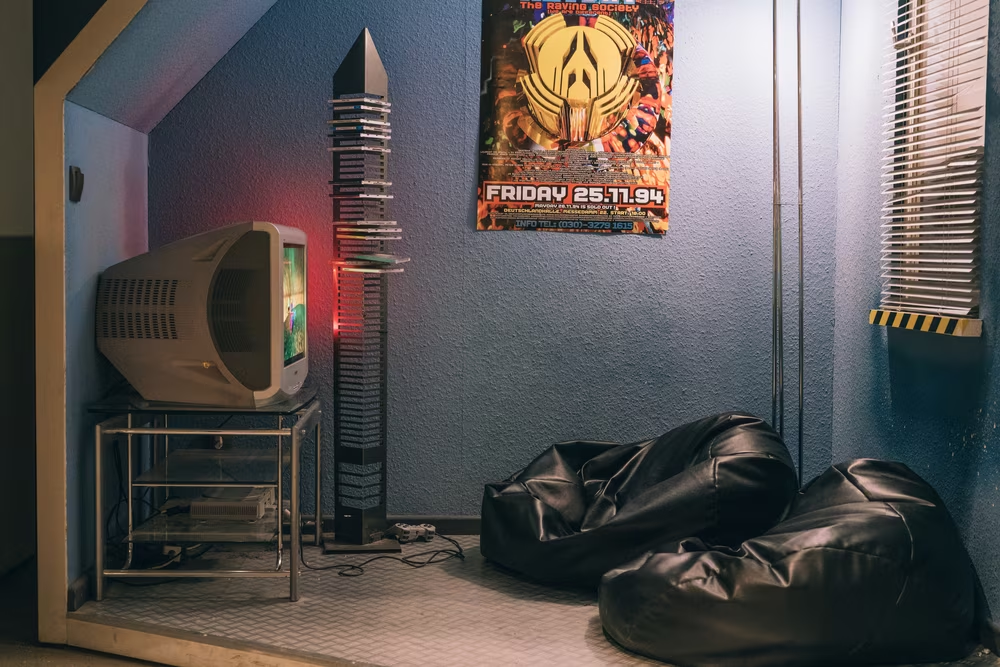
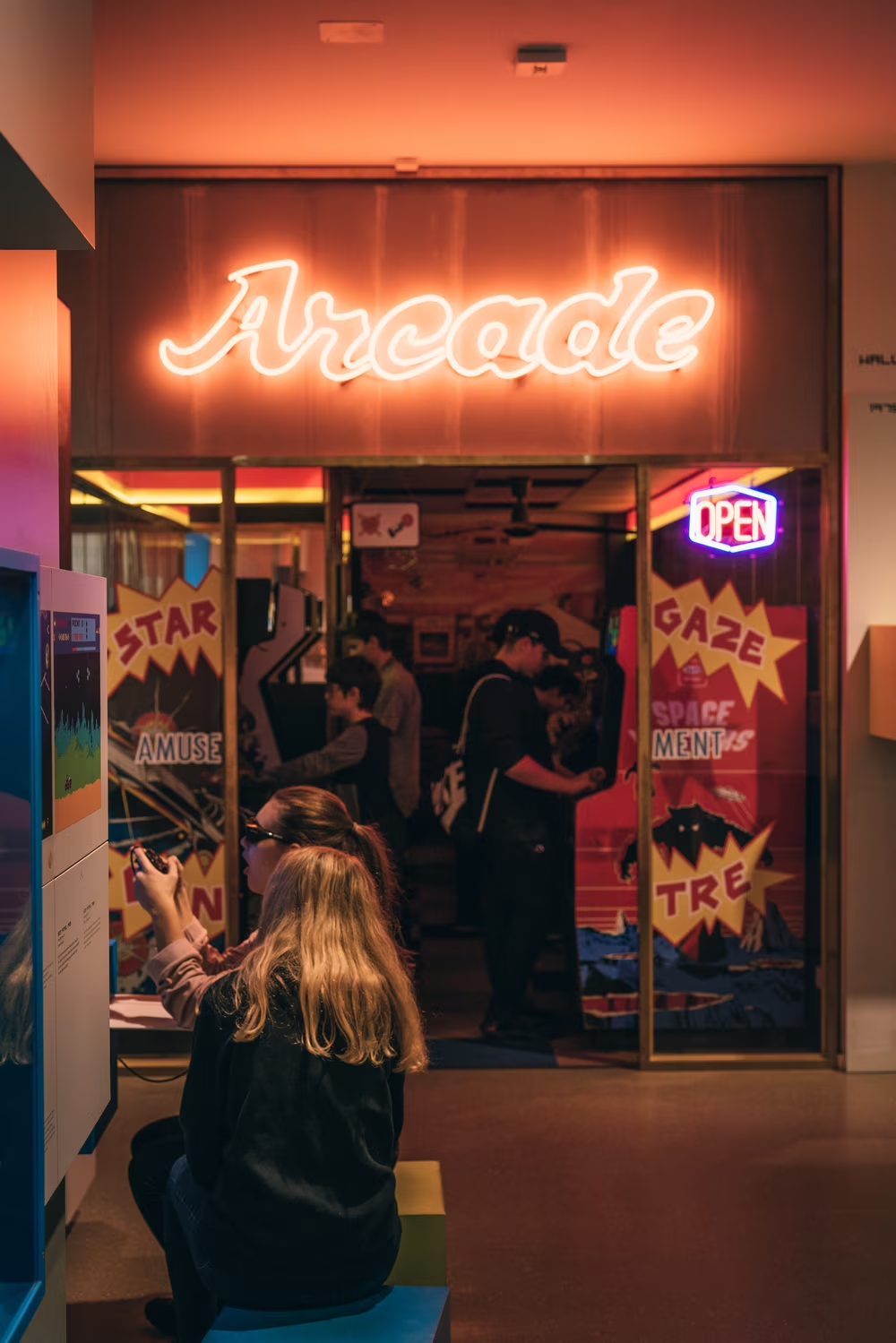
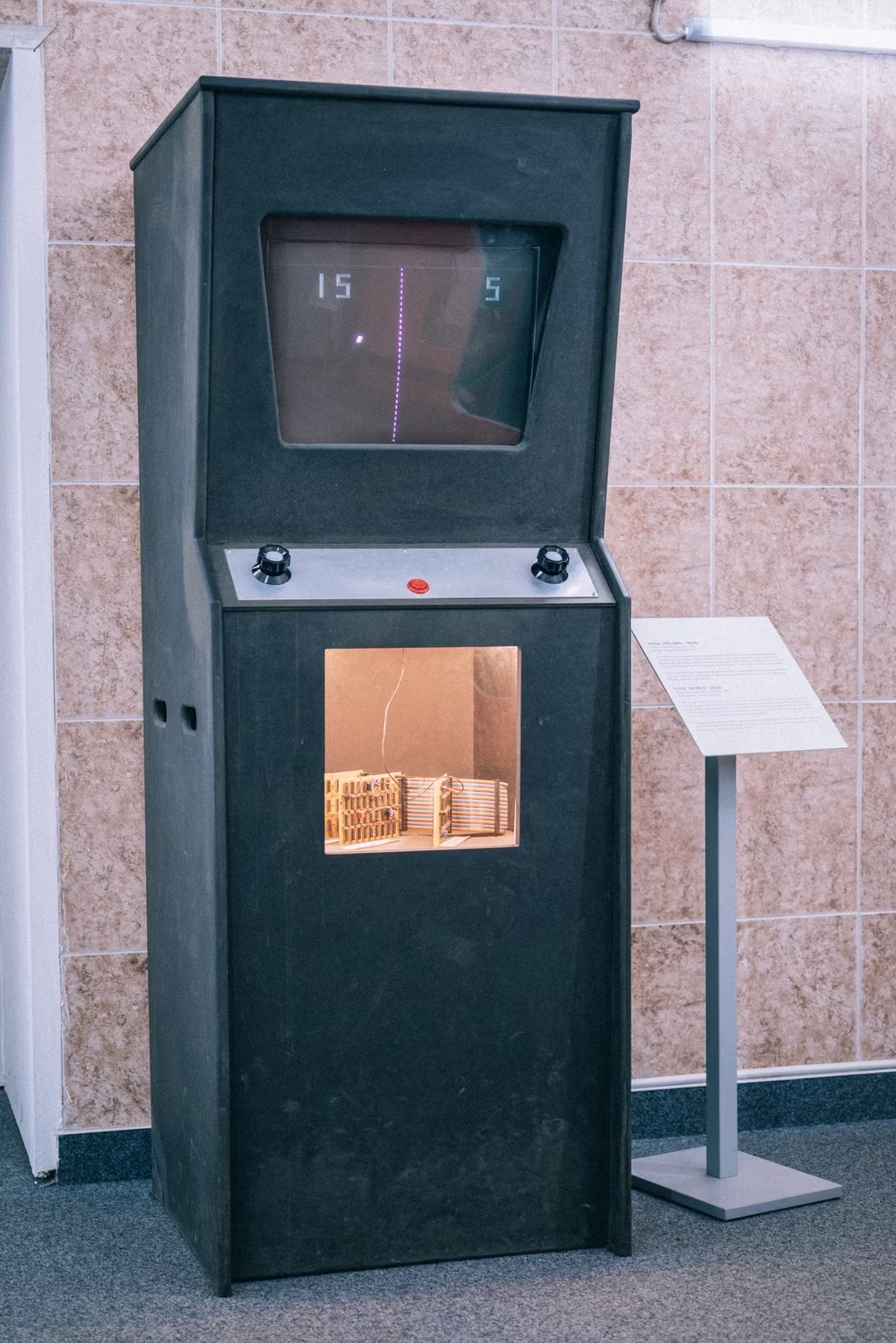
There is a little arcade here, for sure, even styled appropriately and with a cute list of highscores. There are also a few nicely recreated “teenager” rooms matching different decades.
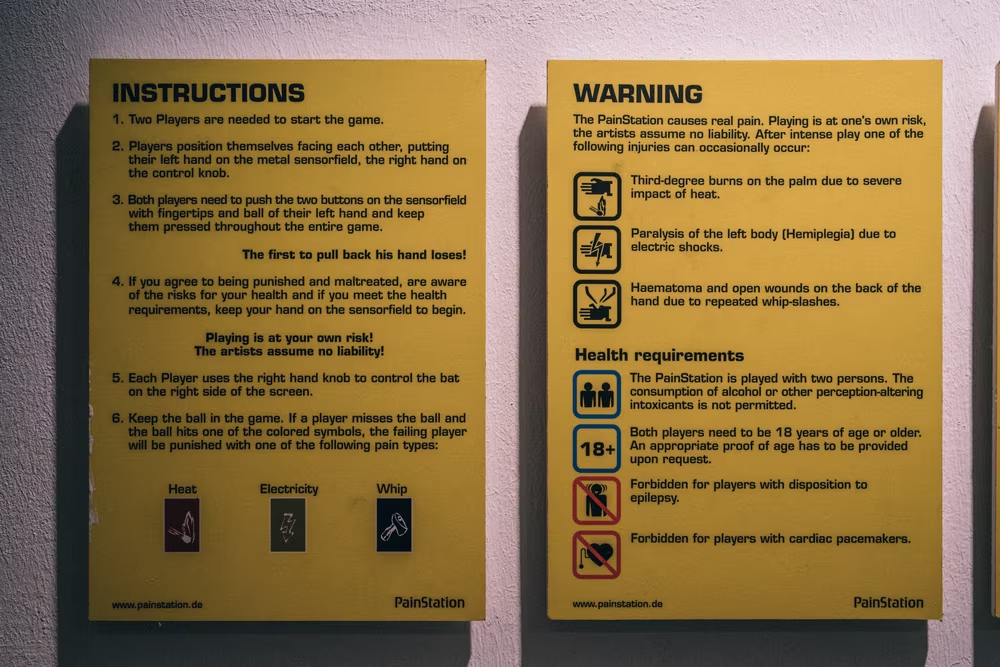
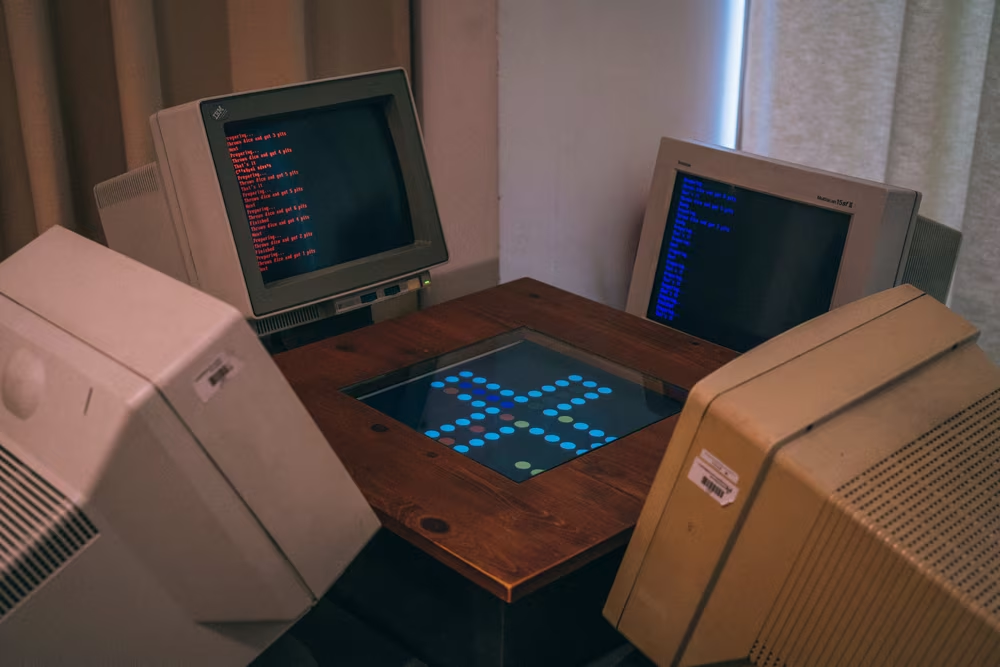
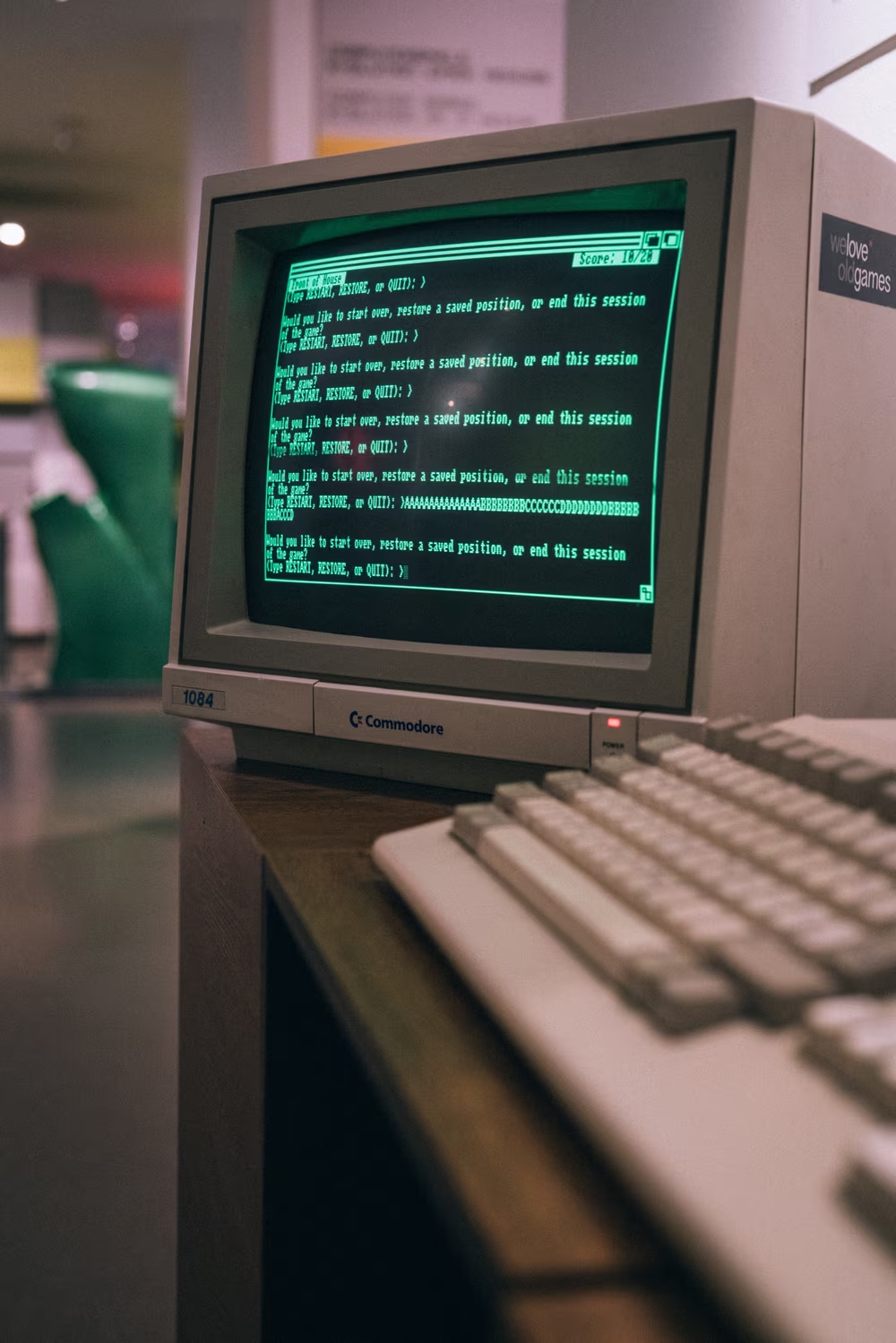
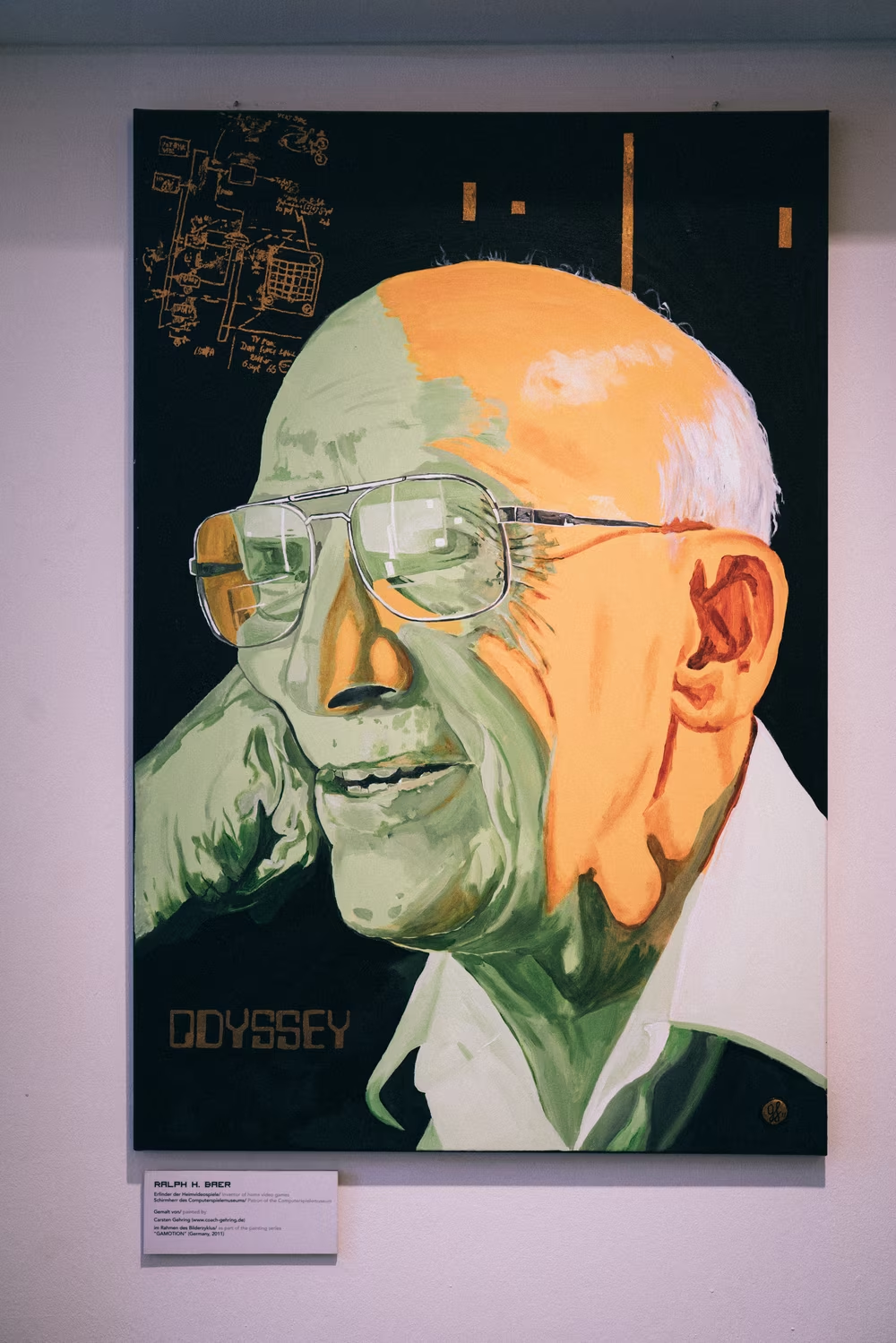
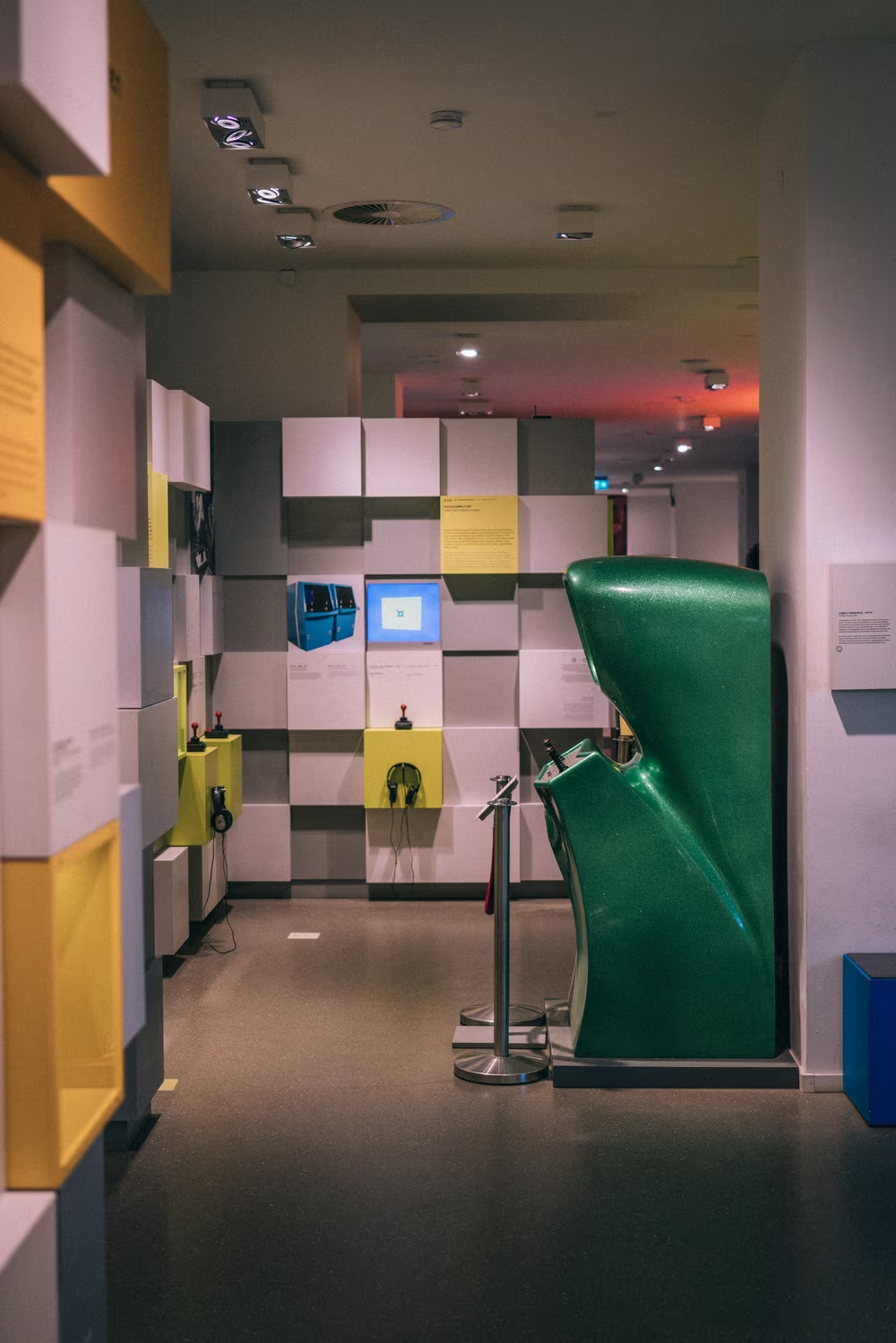
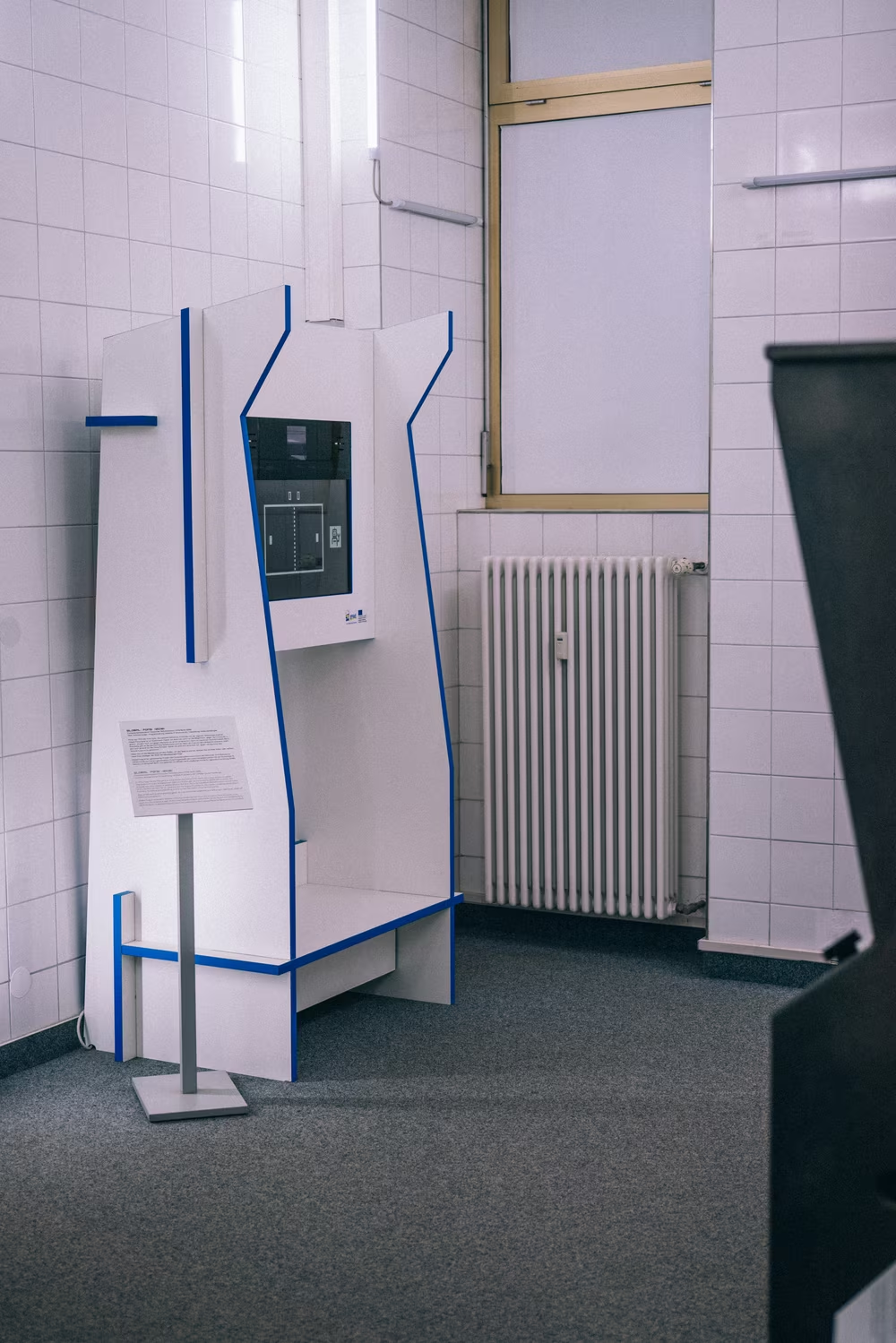
But there are also rare prototypes of local games (like the East Germany’s Poly-Play), and some art pieces like PainStation, ROM CHECK FAIL, and the world’s worst Pac-Man made even worse by attaching it to a comically oversized Atari joystick (shoes off!). The selection of games continues to be surprising elsewhere: Would you expect to see Stanley Parable here? Or ELIZA?
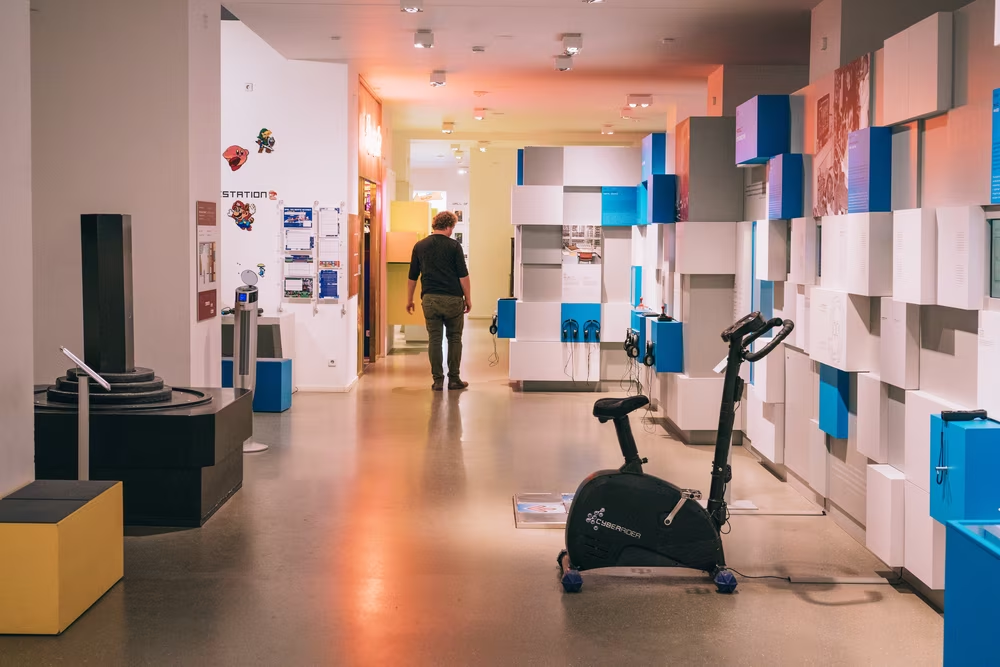
The design of the place is also interesting. There’s always something around the corner that catches your attention, sometimes with the rooms and machines complimenting each other visually.
This museum made me think. Really nicely done.
Bonami SpelComputer Museum
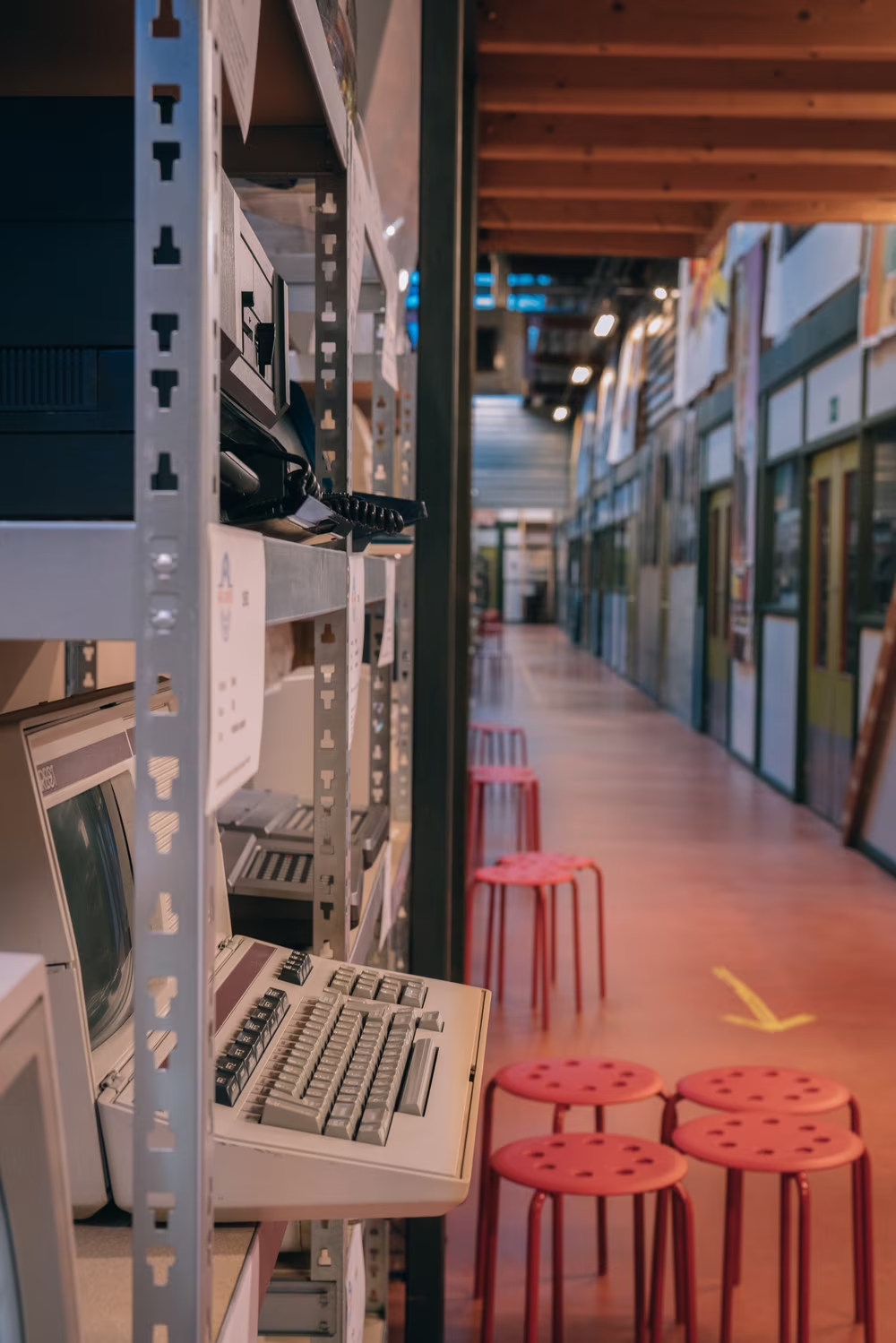
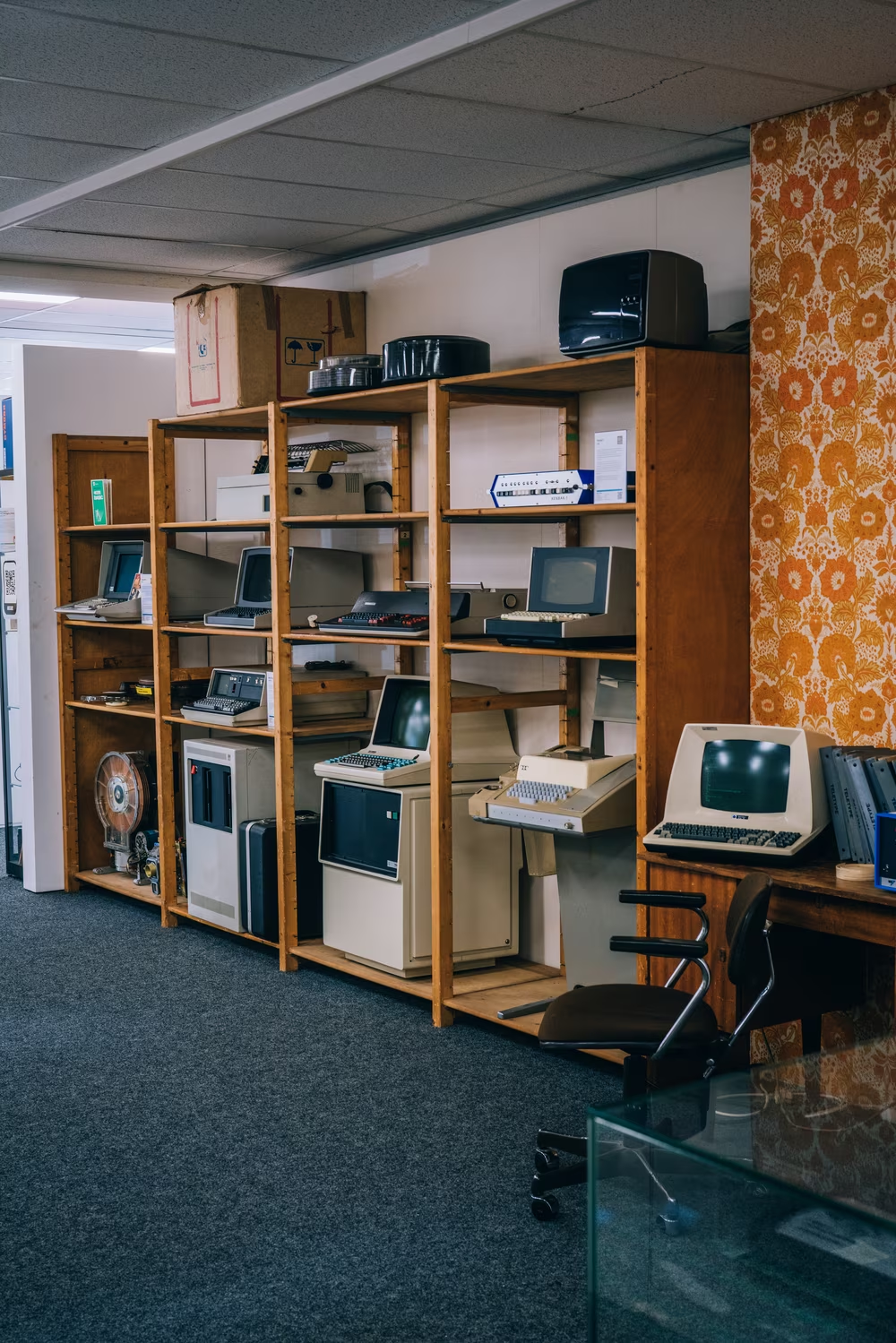
In the 2000s, the Computer History Museum’s then-new location had an interim state called The Visible Storage: raw shelves, filled with computers. There were some plaques, but most stories came from volunteer docents (I eventually became one of them) running the show.
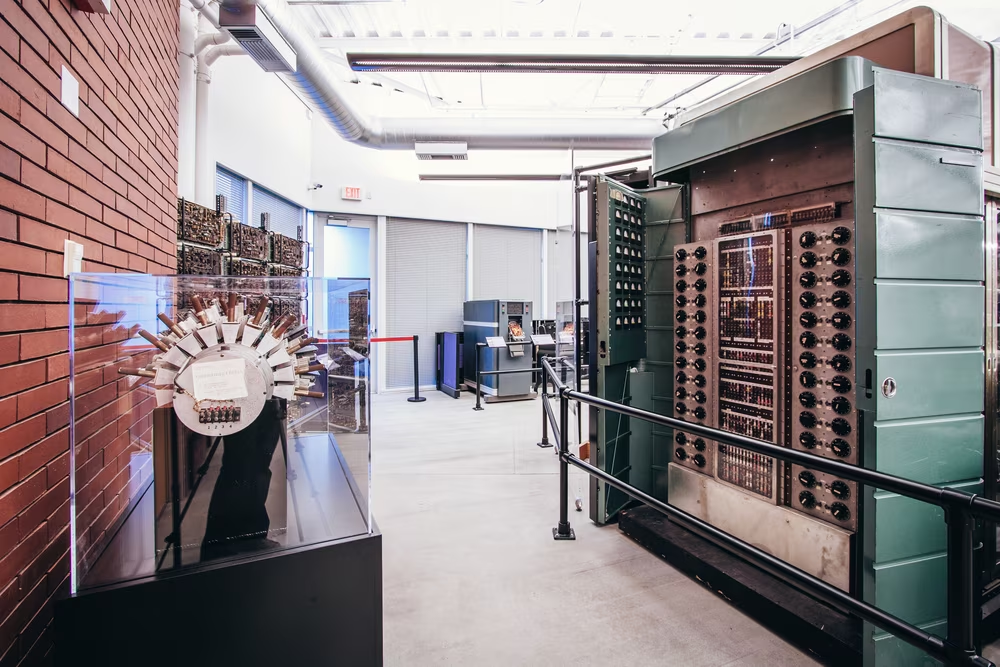
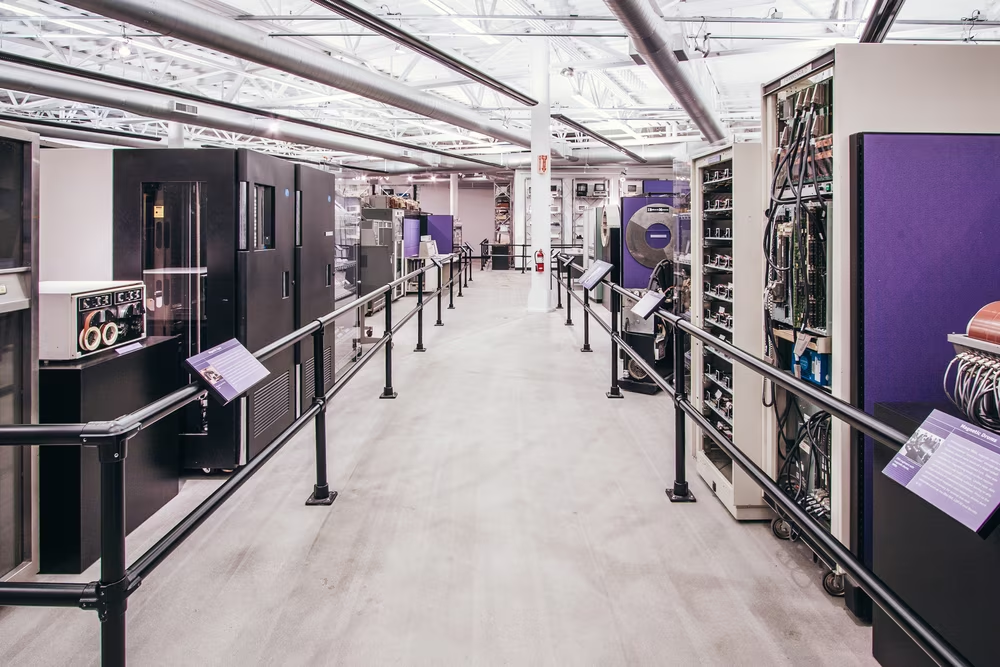
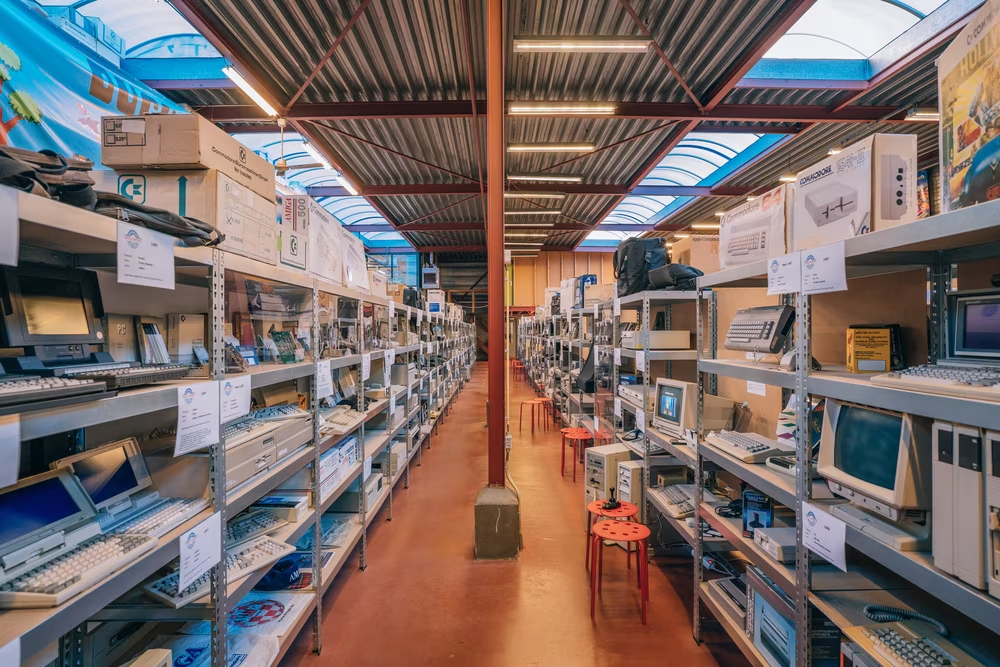
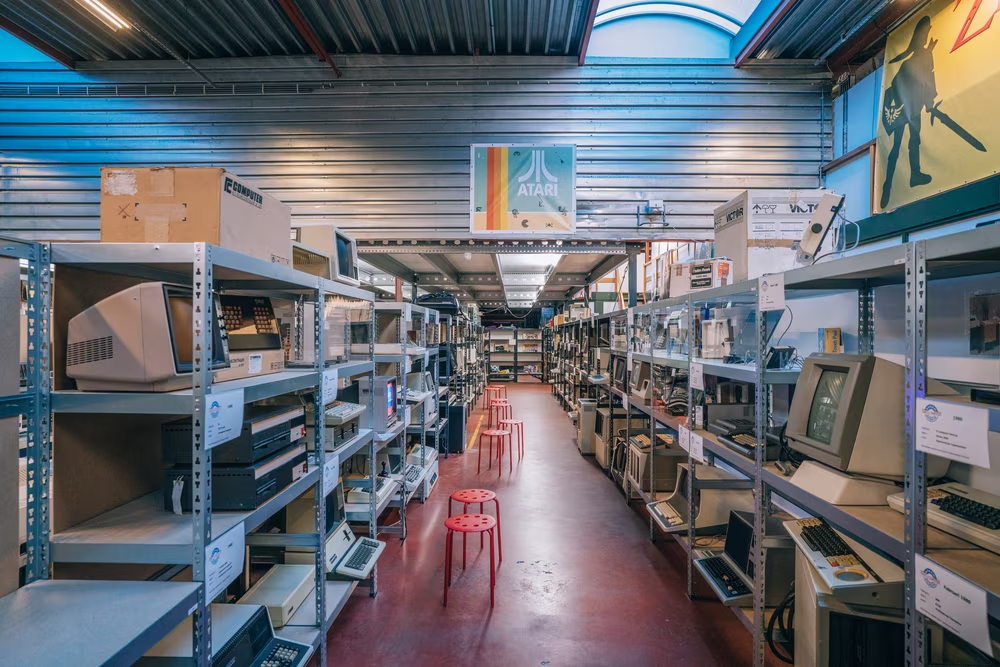
The Dutch Bonami museum is that, except there are no docents. Oh, and the whole place is massive.
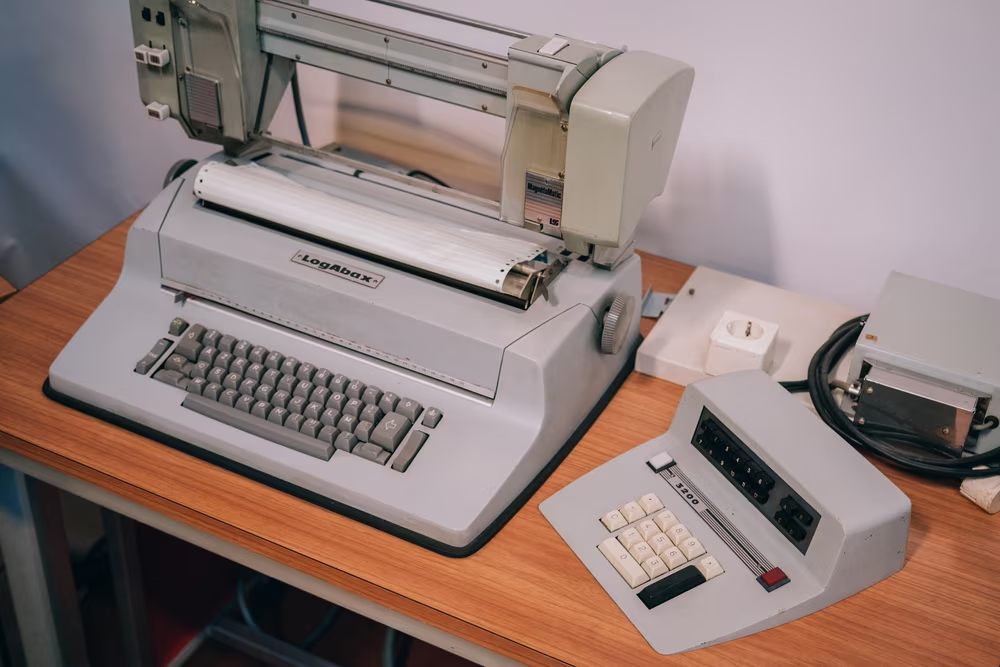
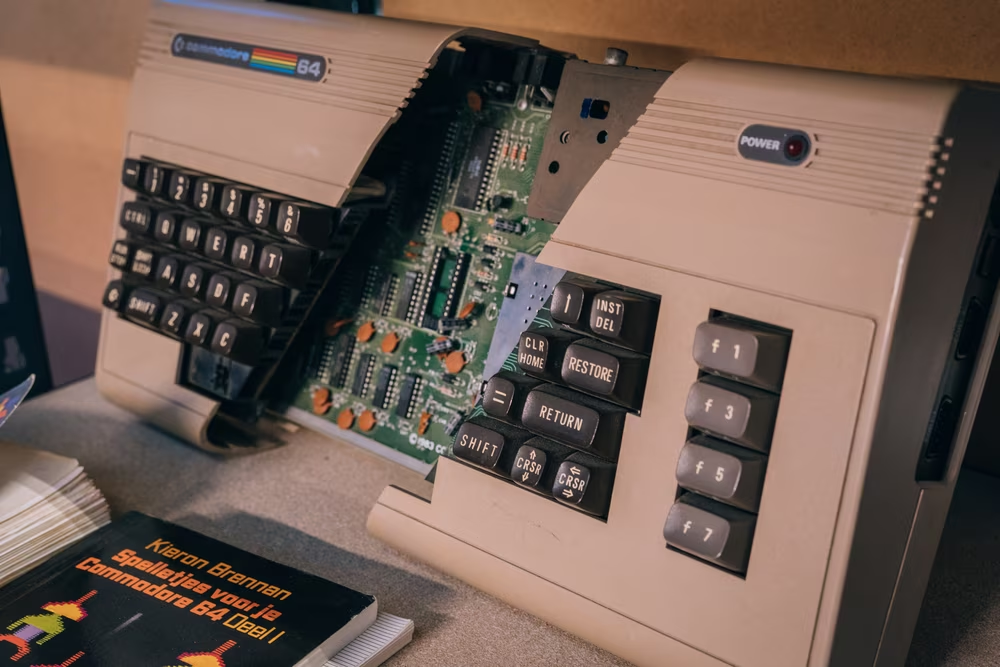
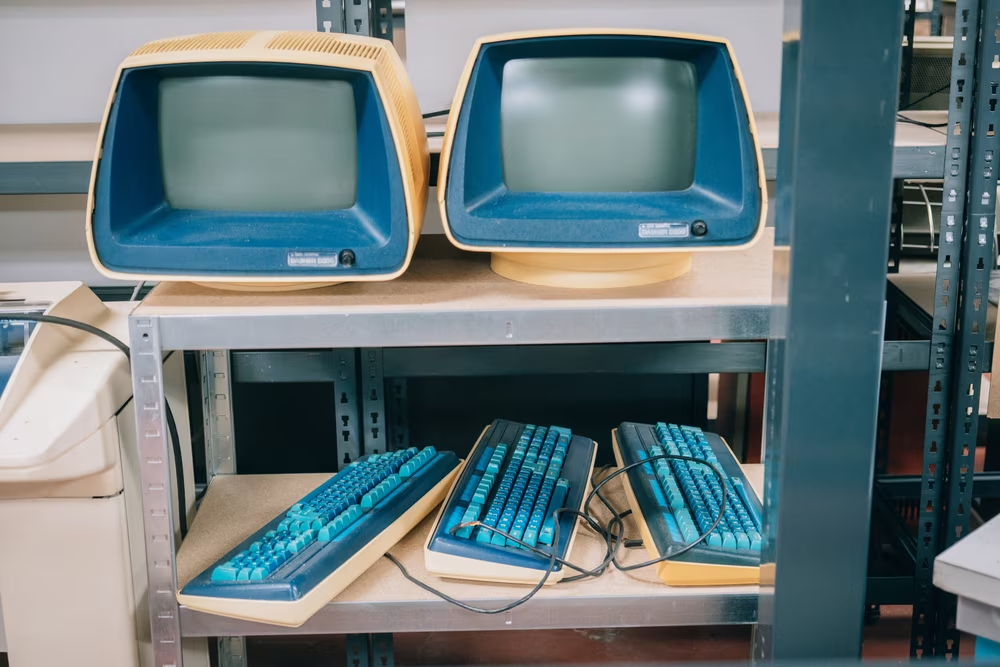
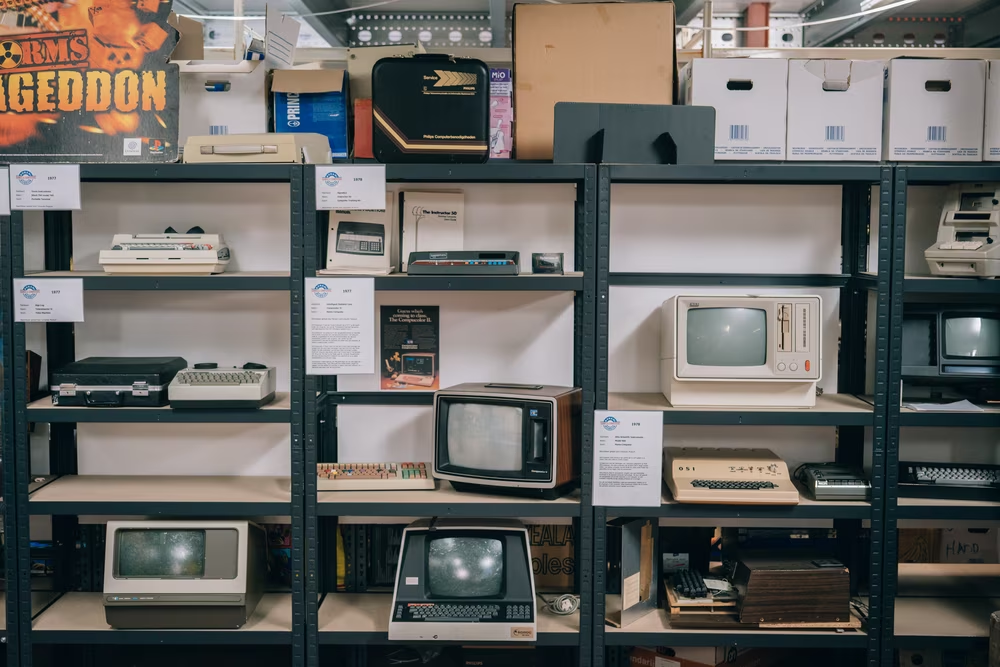
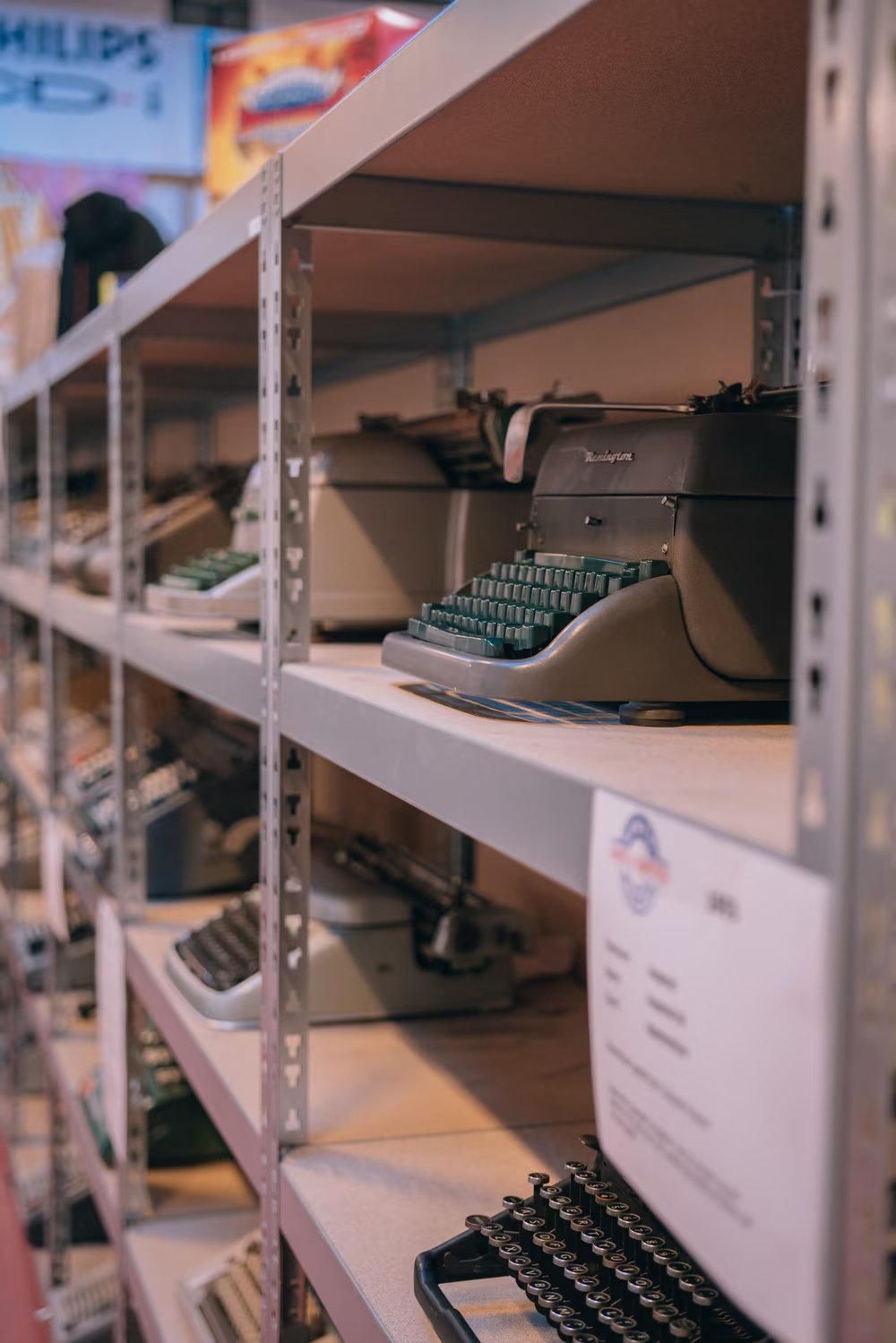
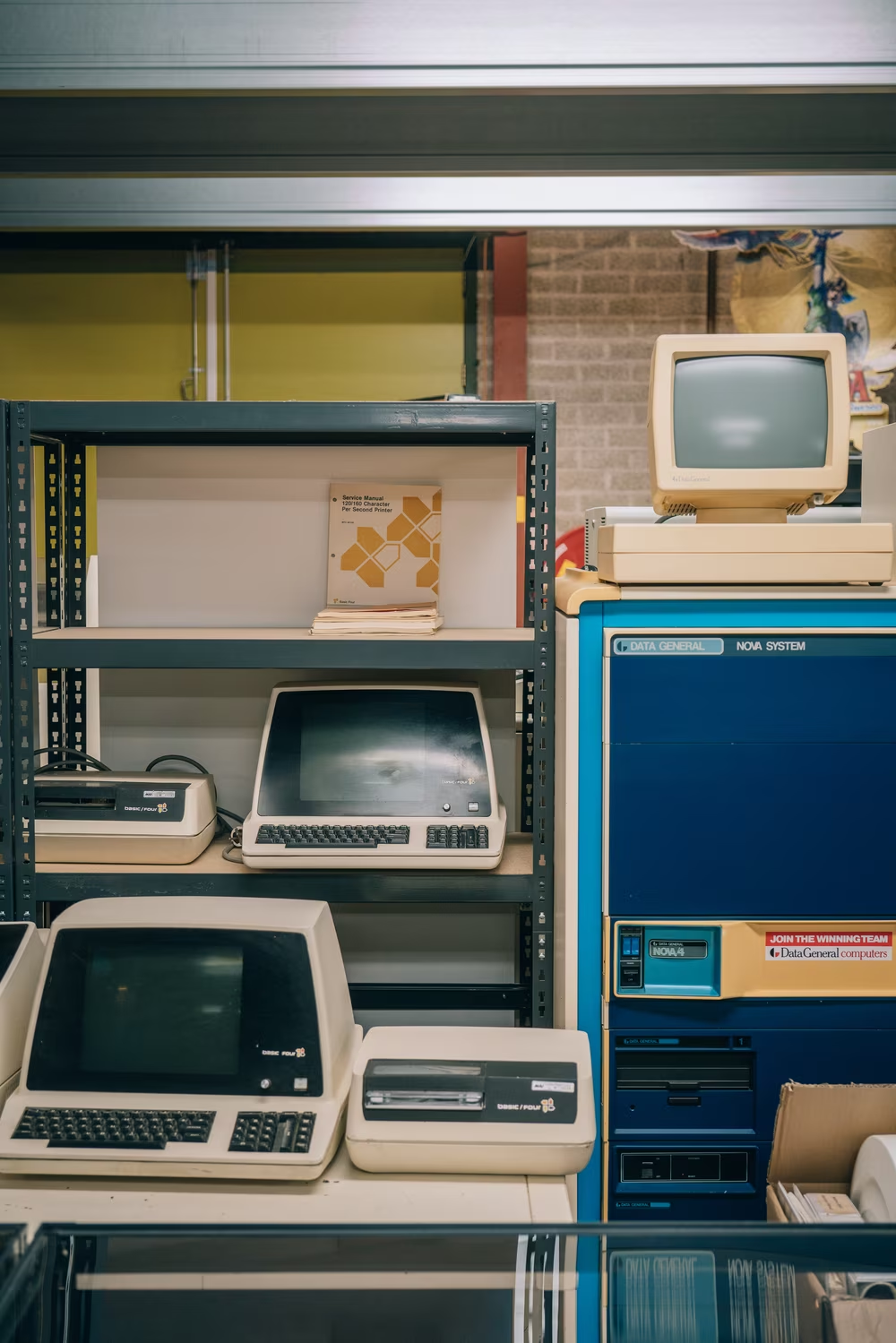
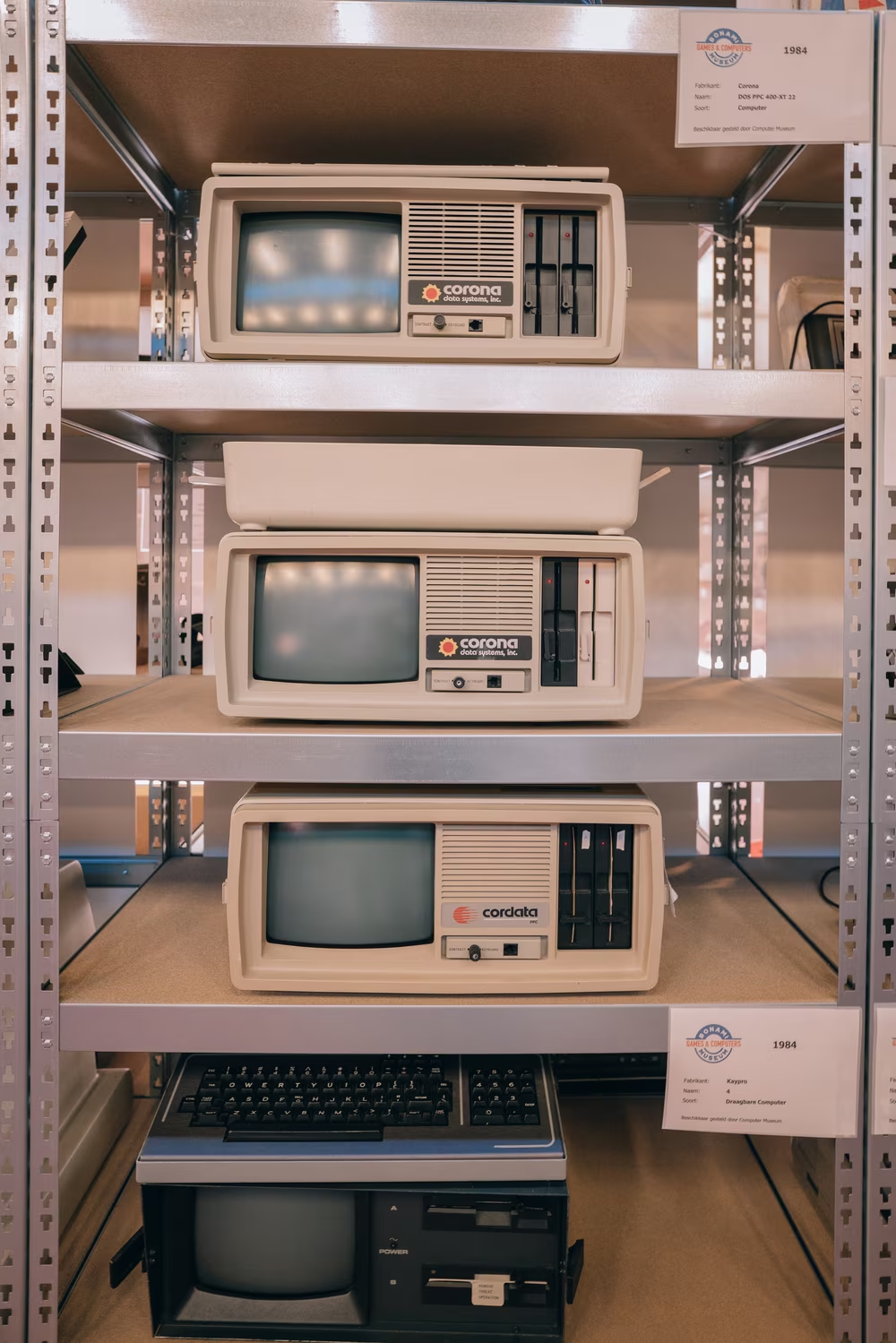
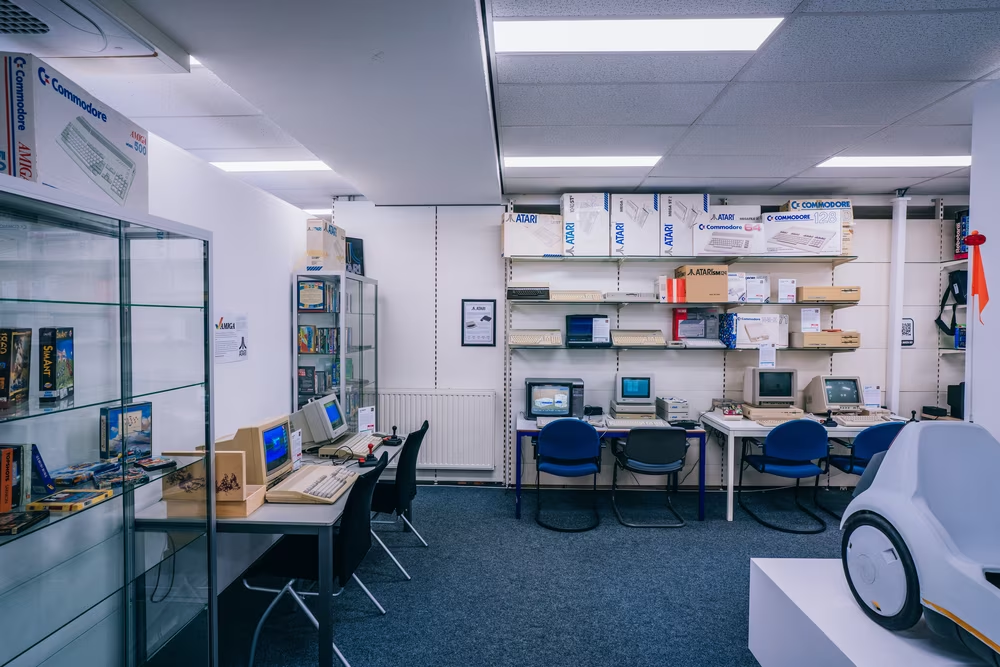
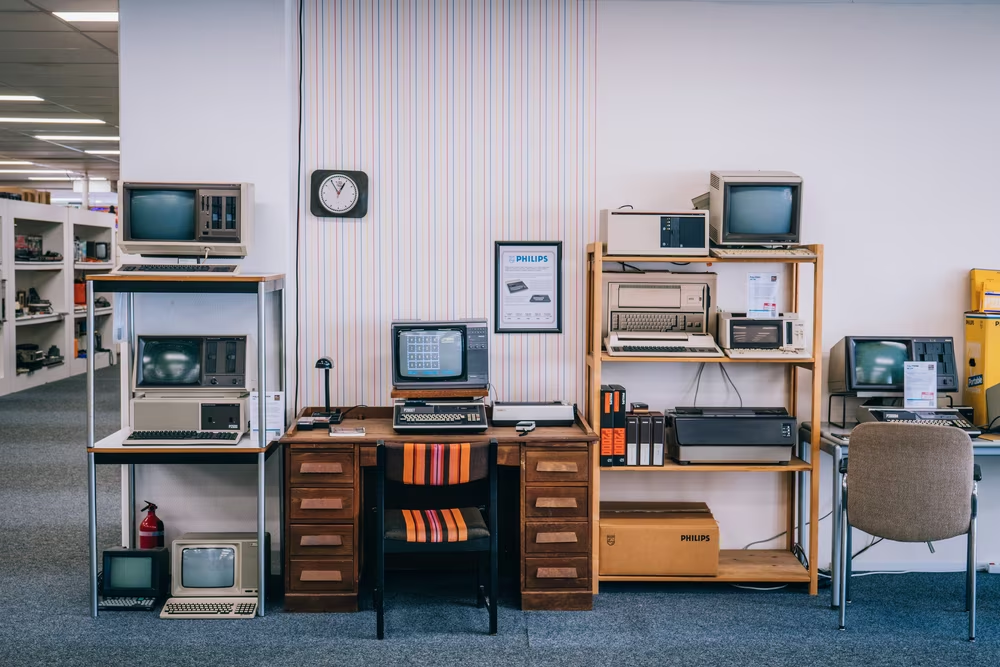
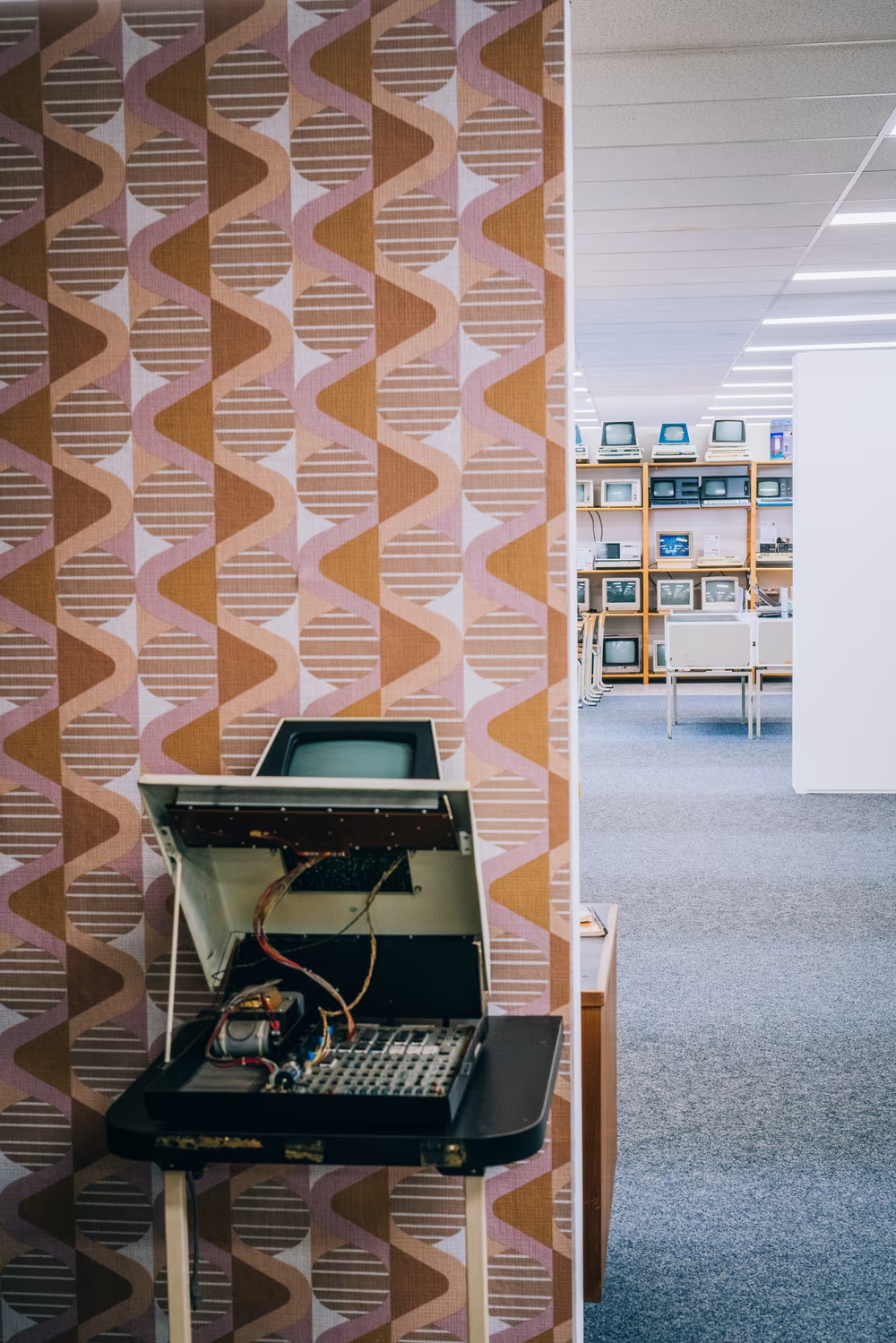
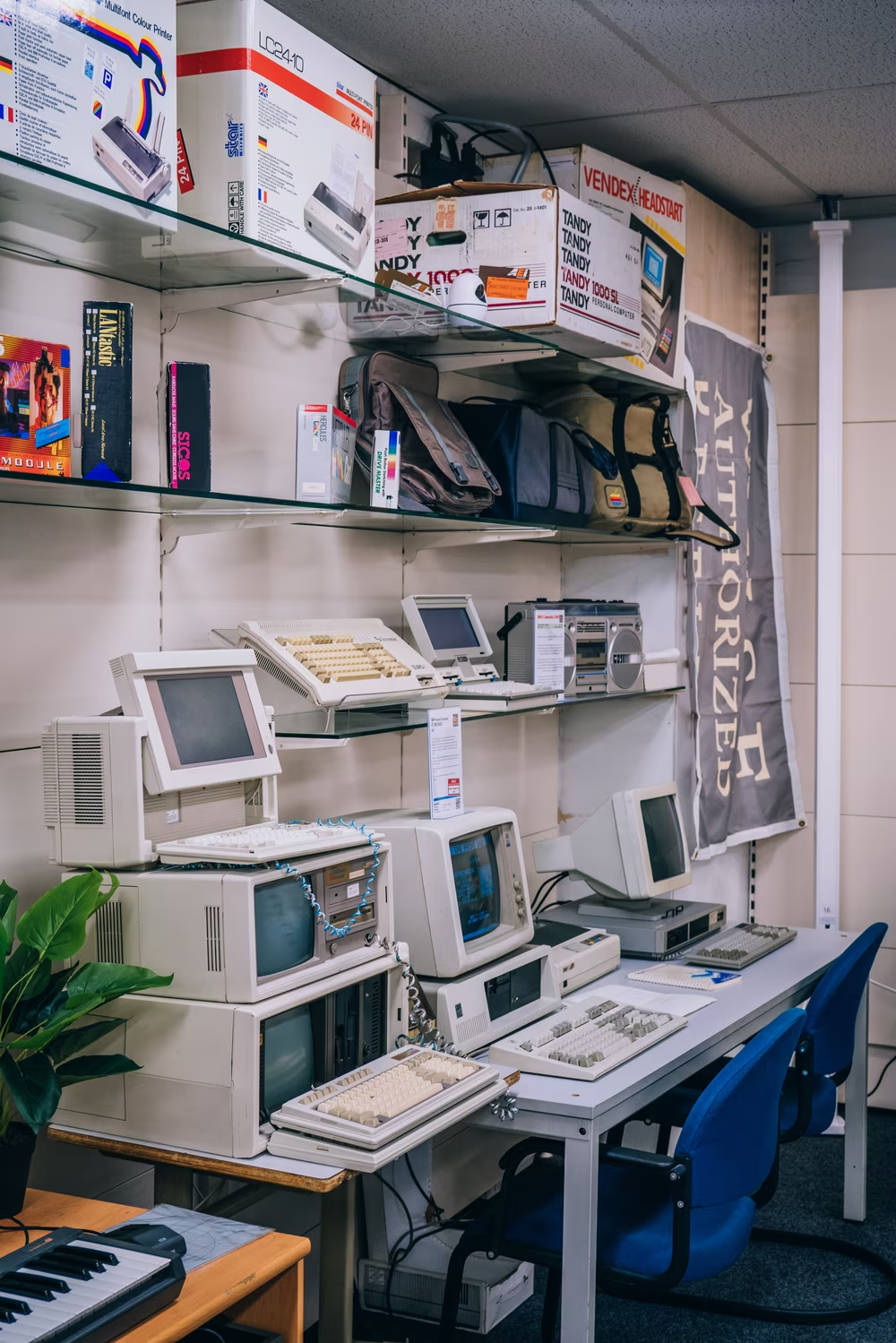
I have never seen this many microcomputers under one roof. Not even close. I think there must be thousands of computers here, and it’s funny how just the scale alone elevates the museum.
Without that scale, there would be so much room for improvement. Turn on more of these computers so you can play with them (currently, only a scant few are allowed this). Tell better stories. Add production value.
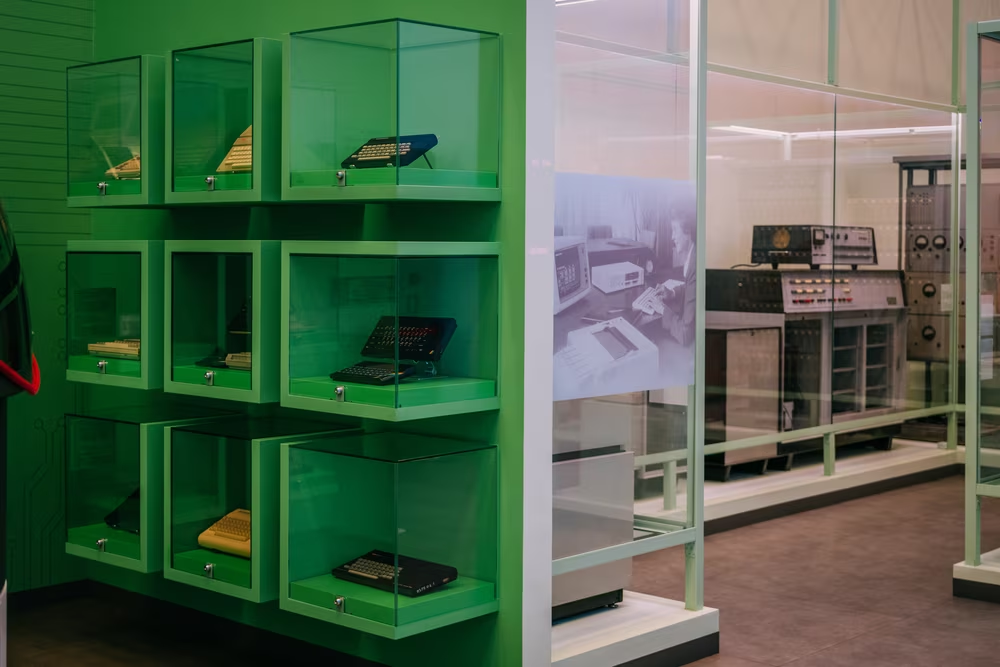
But turns out, sometimes scale is enough. Enter Bonami and you feel awash in microcomputers, surrounded by what feels like the entirety of the 1980s and the 1990s. You can compare small differences between models, ponder design details, find obscure machines you didn’t know existed. It’s worth checking it out to see how this amount of computers makes you feel.


HomeComputerMuseum
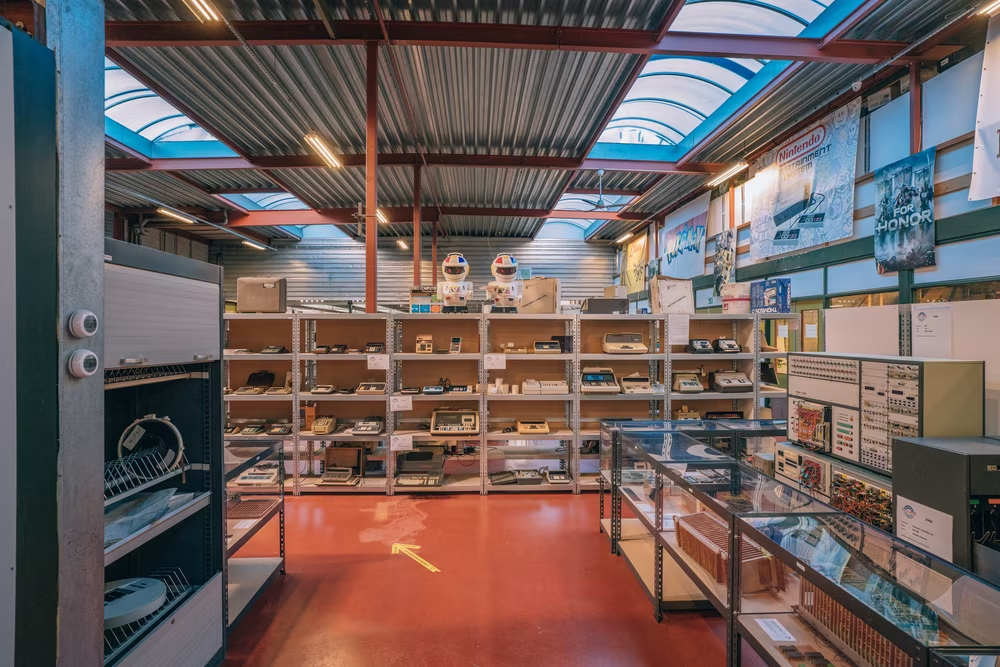
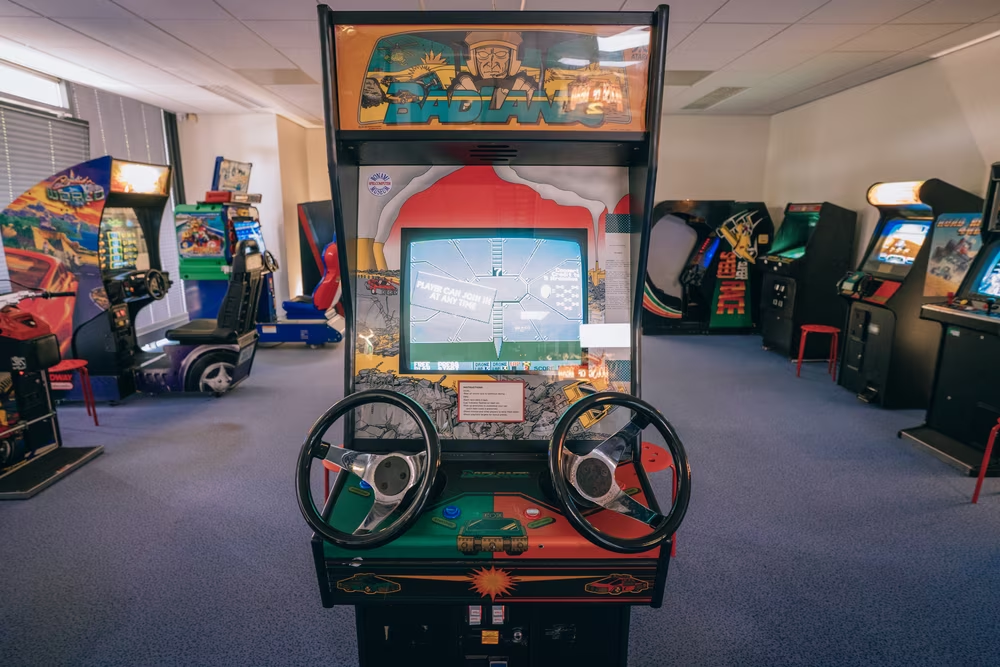
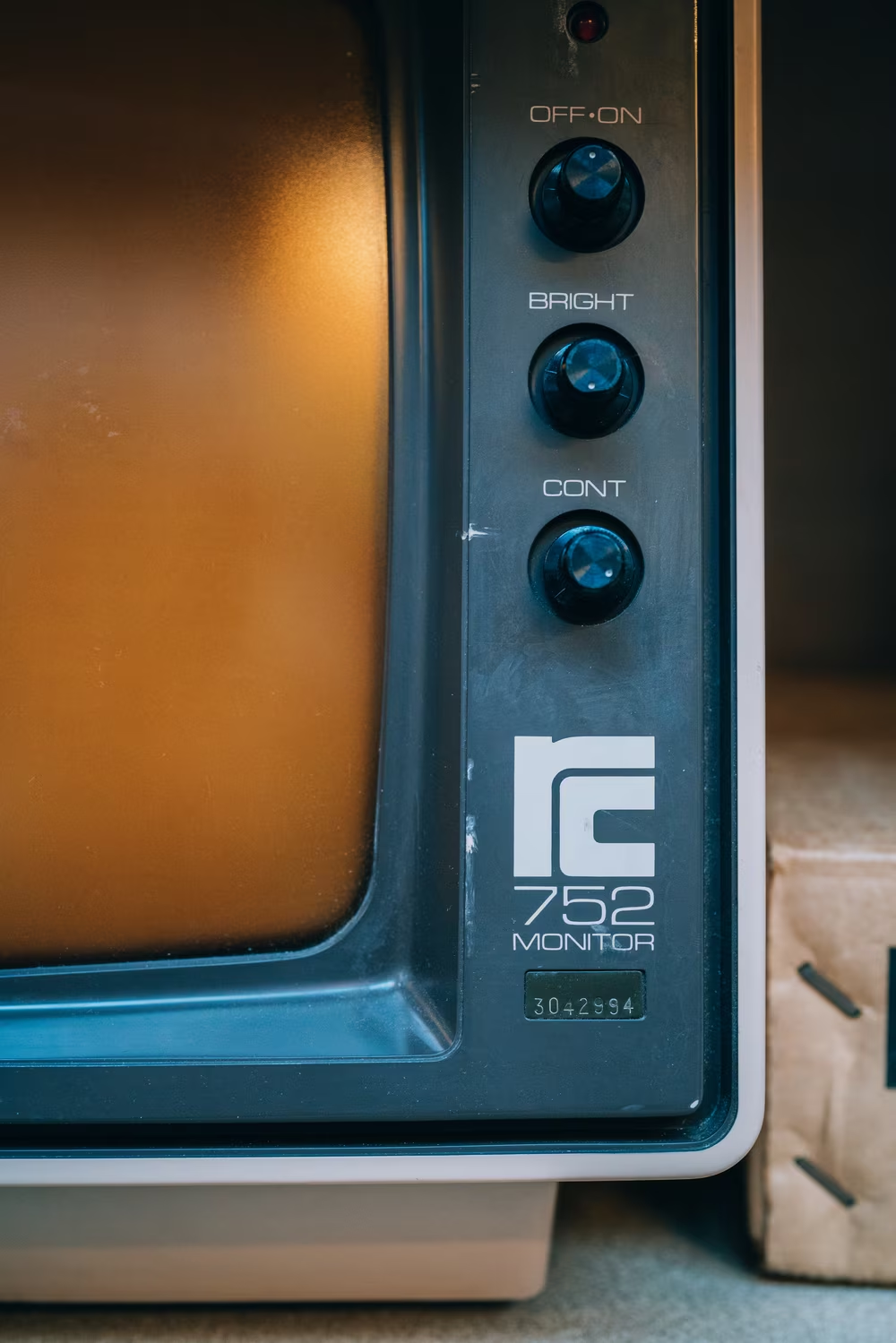
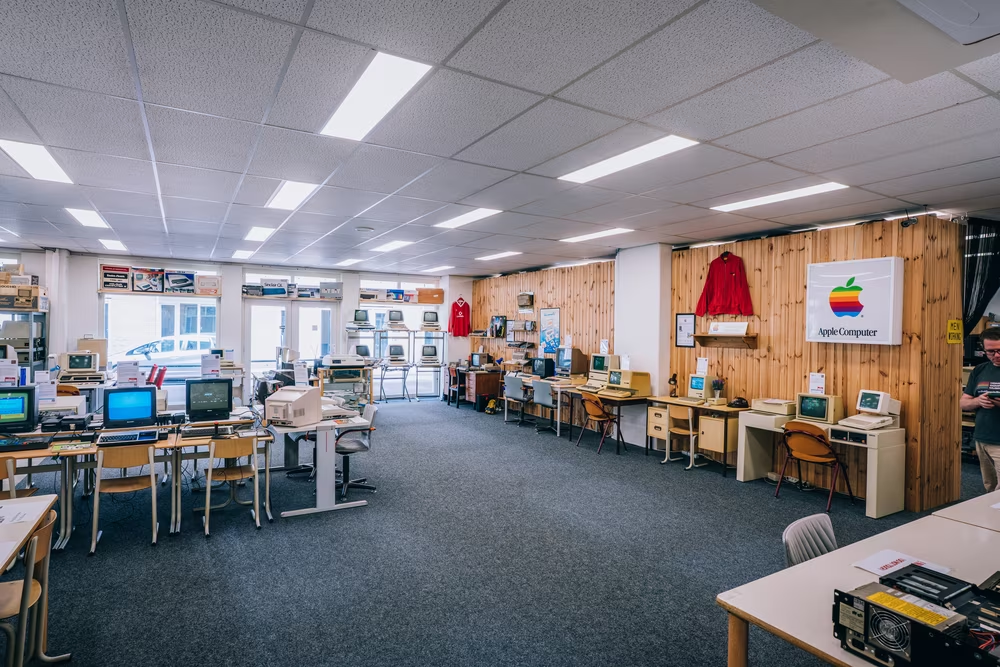
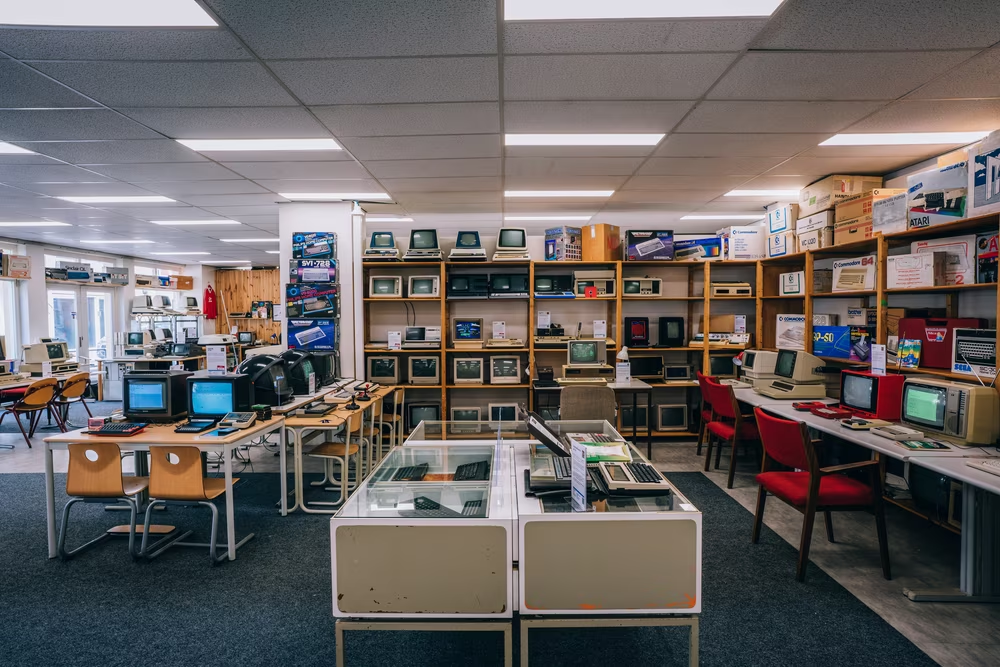
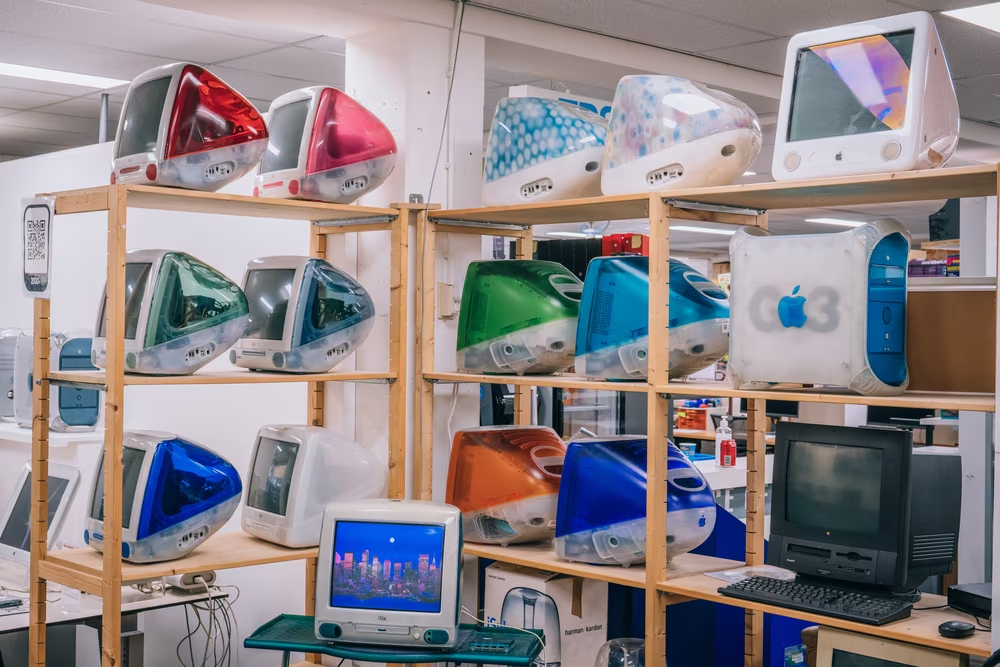
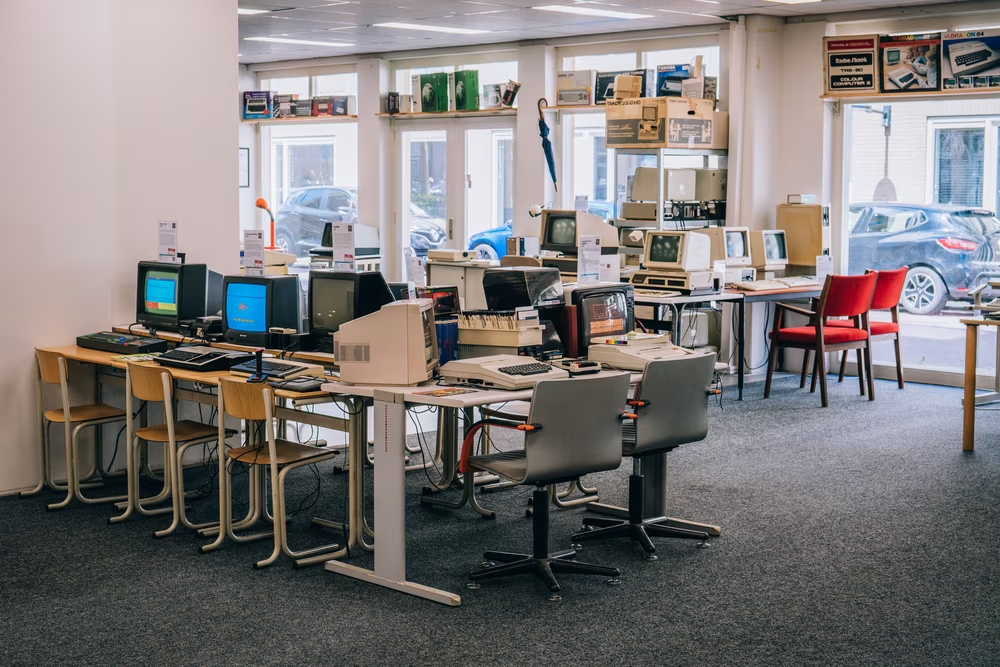
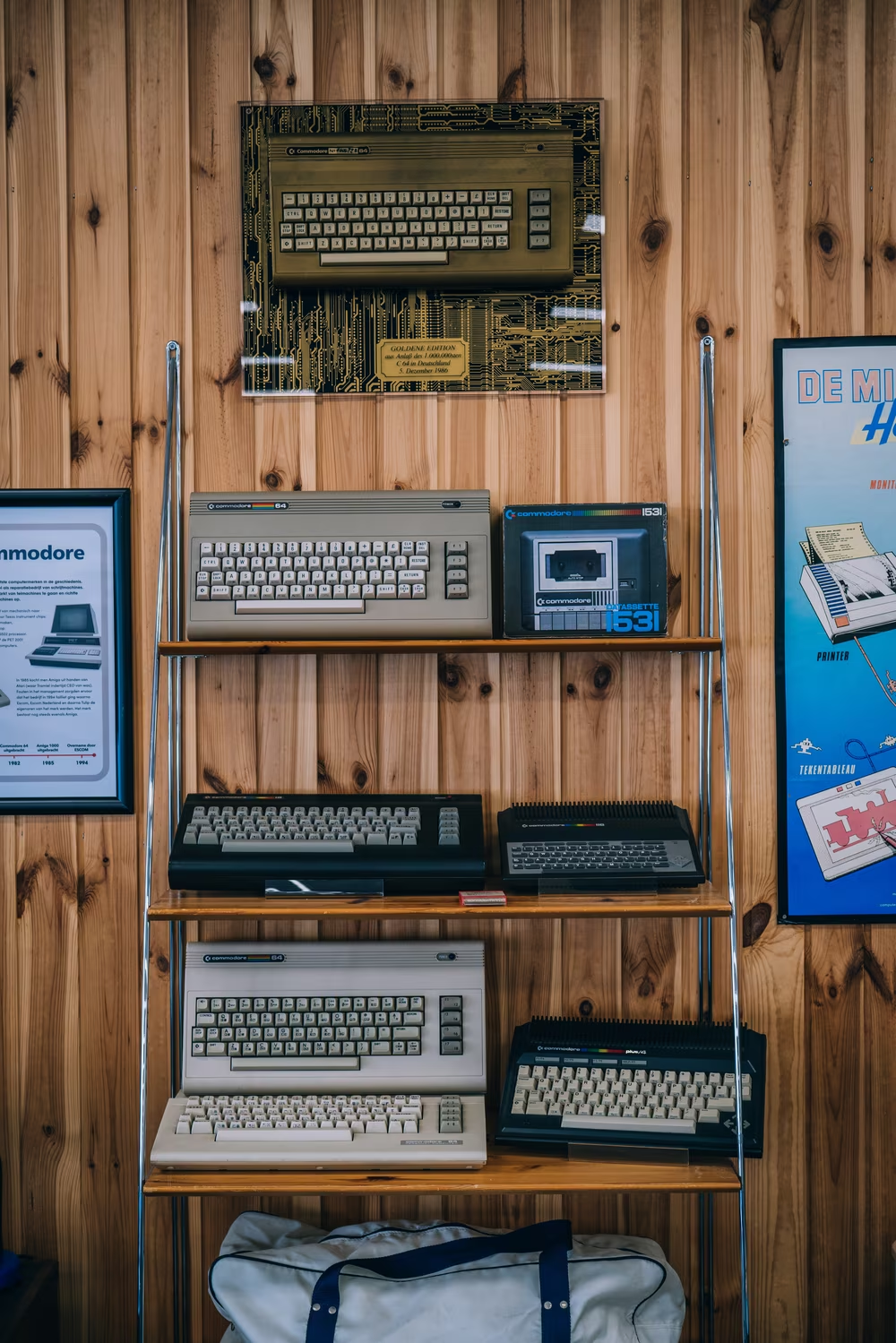
Perhaps an apotheosis of a certain kind of a computer museum: all microcomputers, some turned on, catering to nostalgia for the 1980s and 1990s.
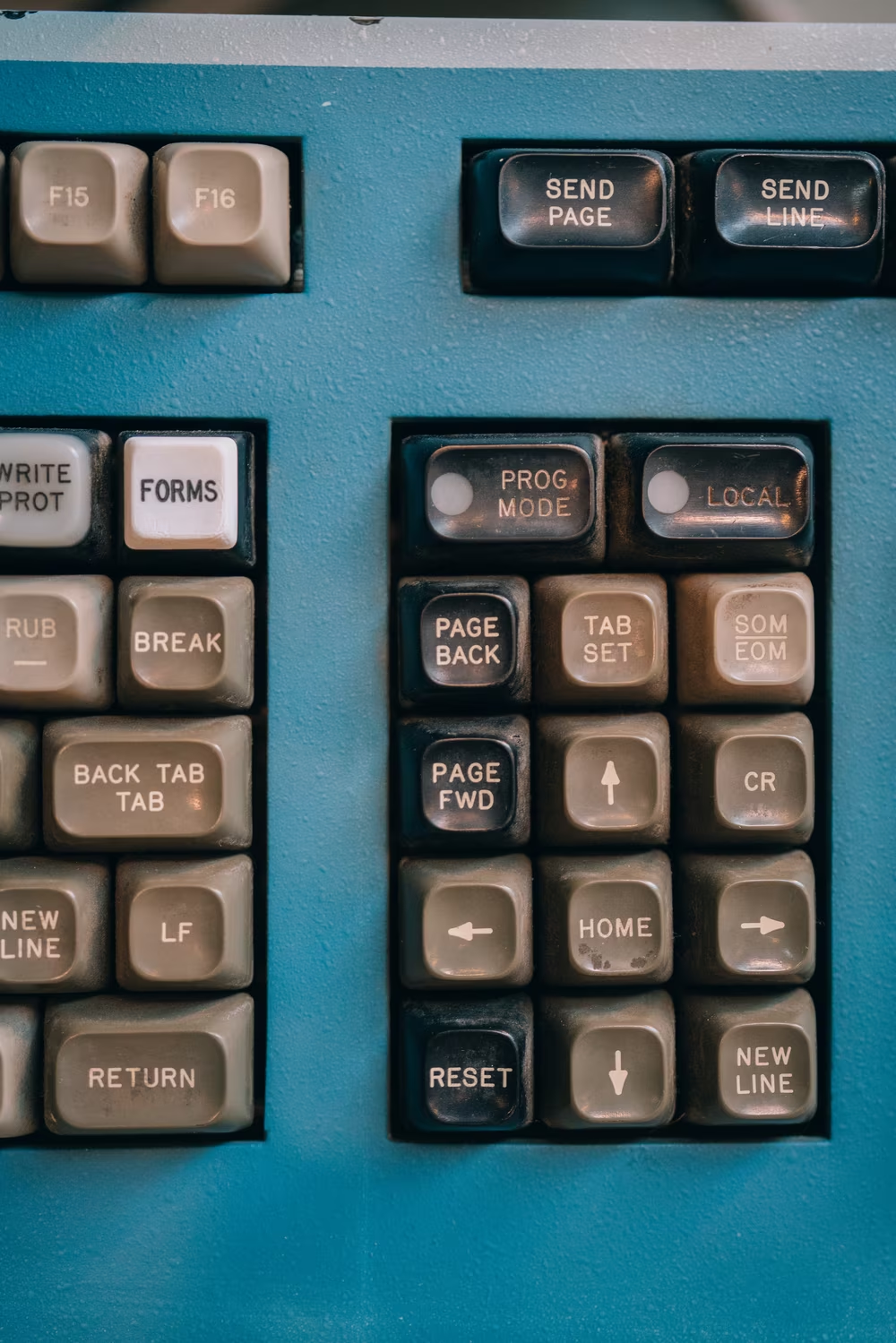
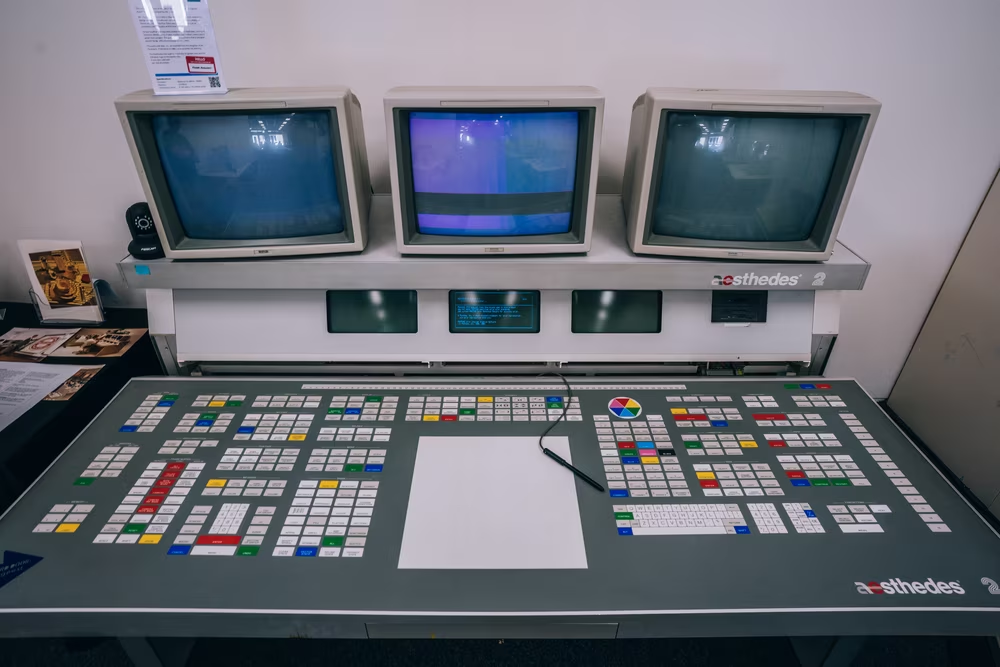
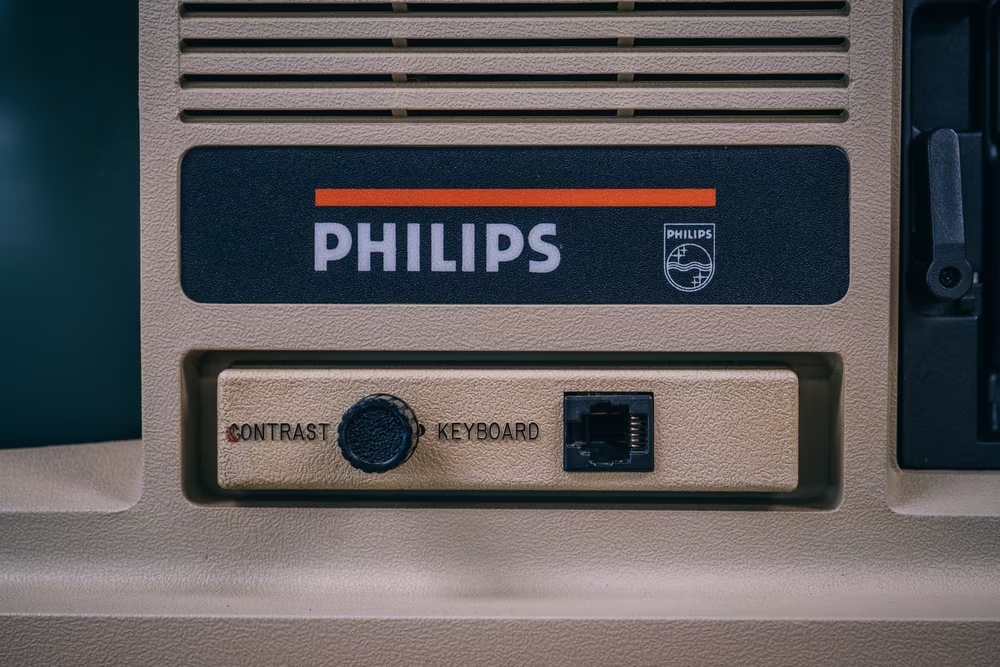
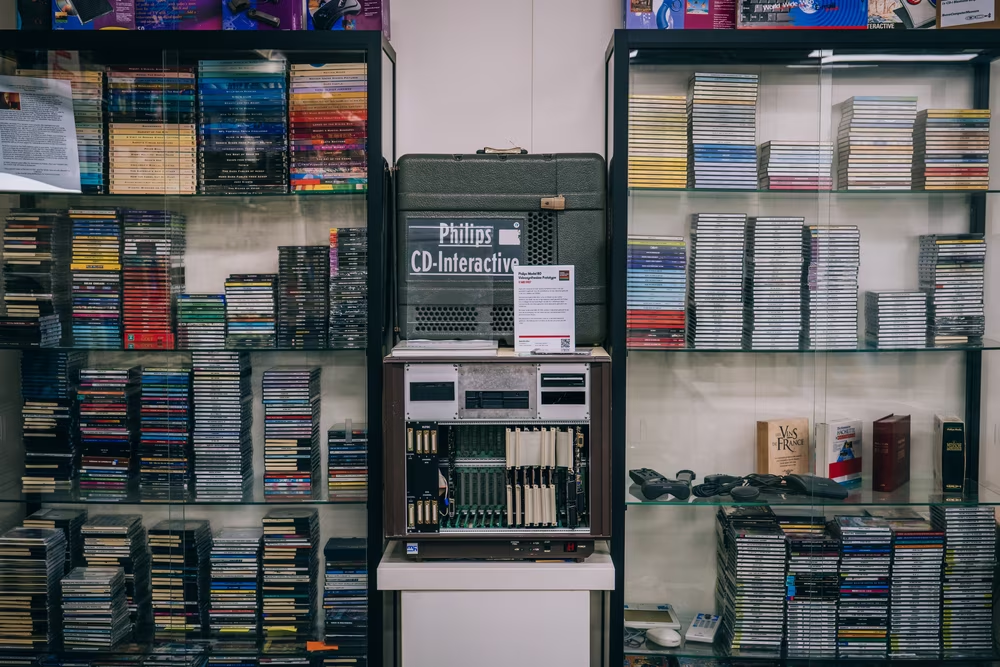
There’s nothing bad about this approach, but many places do that and after a while it all feels kind of same’y. Not here. Many of the machines here are in working condition and ready to play, which is already very nice. And there will be a few surprises: restoring a Dutch graphics computer Aesthedes with an impressive island of a keyboard, a few Dutch machines like the distinctively shaped Holborn and Eindhoven’s CHE-1, or a “time machine” 1990 Tulip computer that allows you to browse the internet like it appeared decades ago.
The design and decor are slightly better than elsewhere, too, with various thematic displays, and an open, welcoming feel – and generally it feels the museum is cared for in a way many are not.

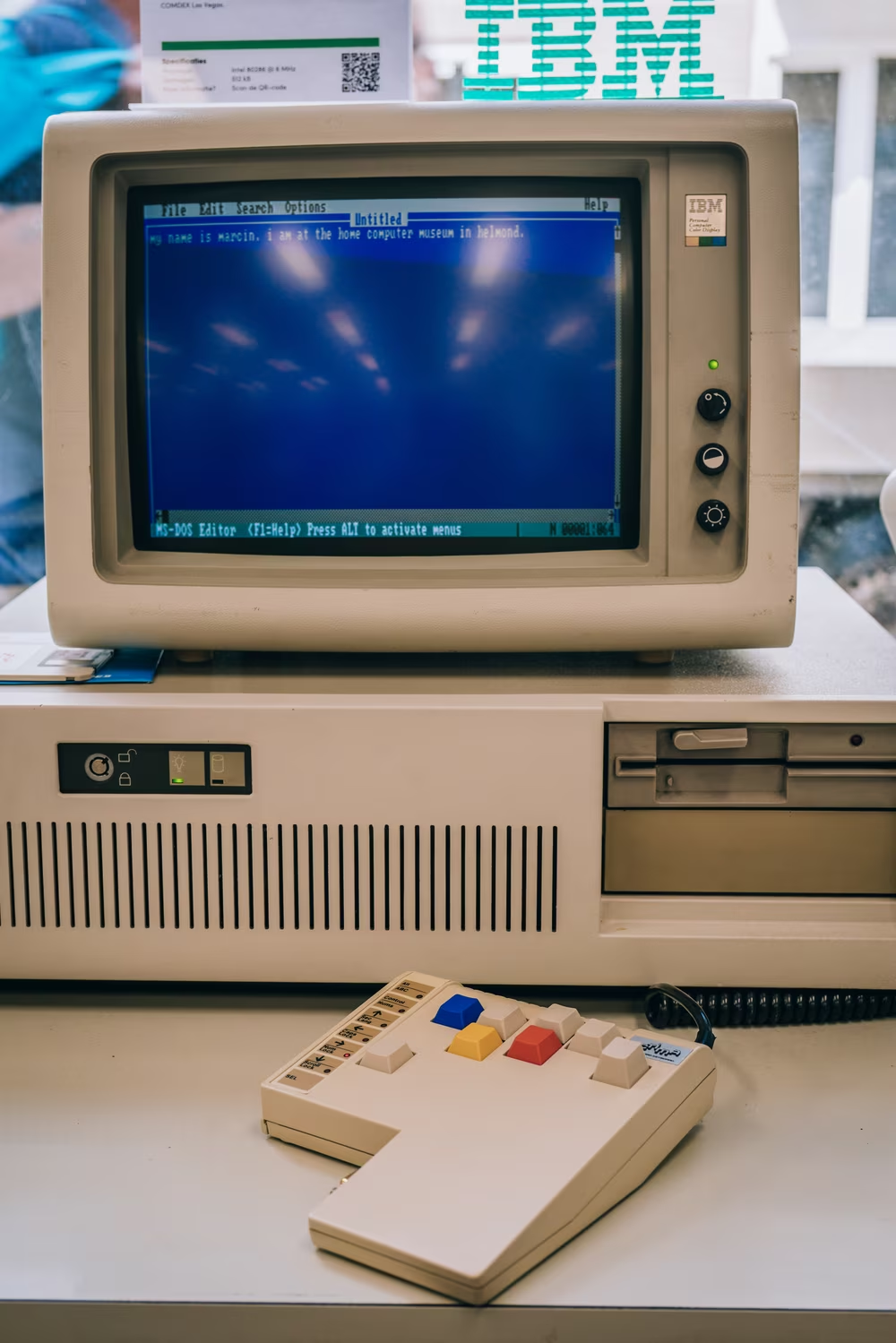

Honorable mentions
Computer History Museum
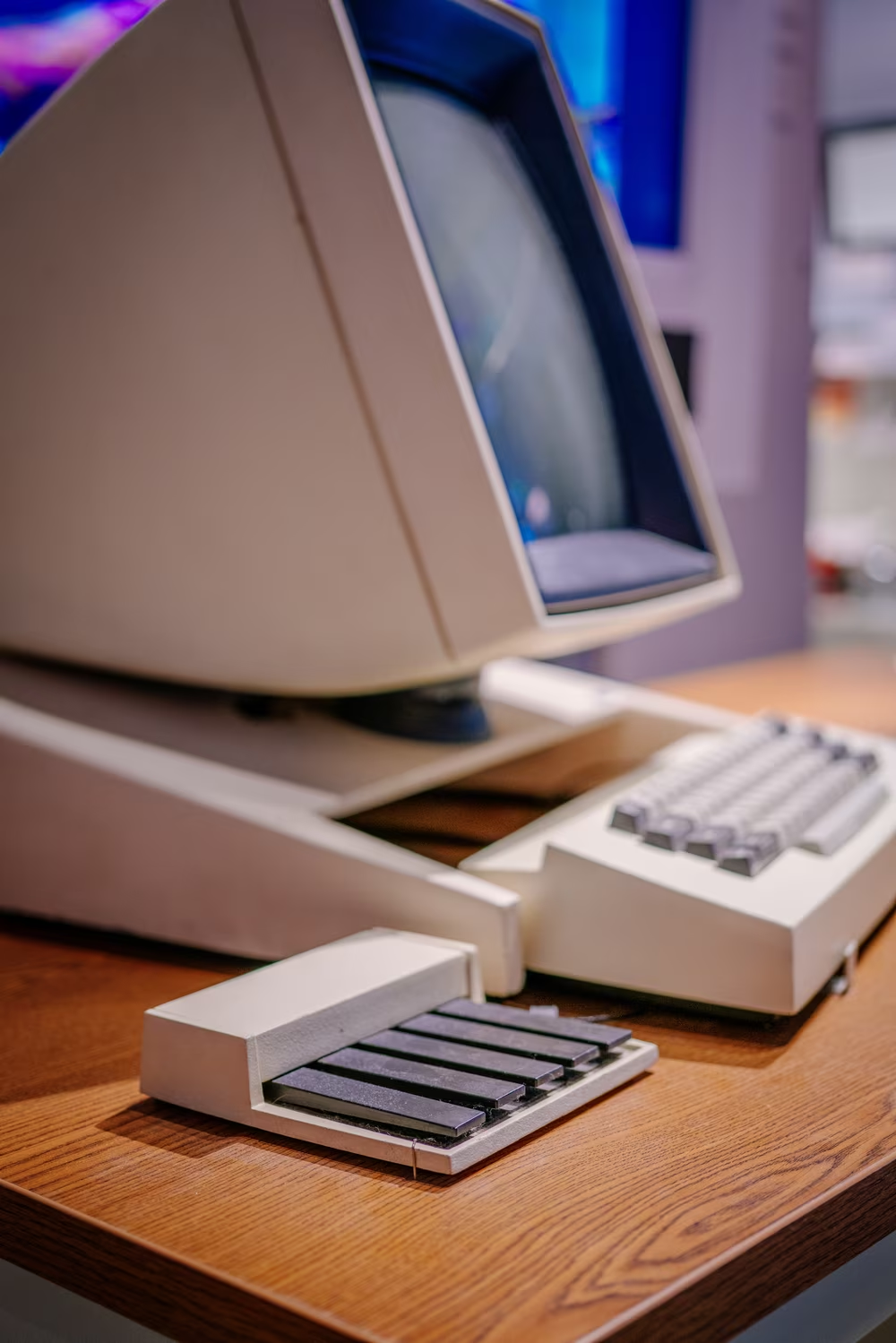
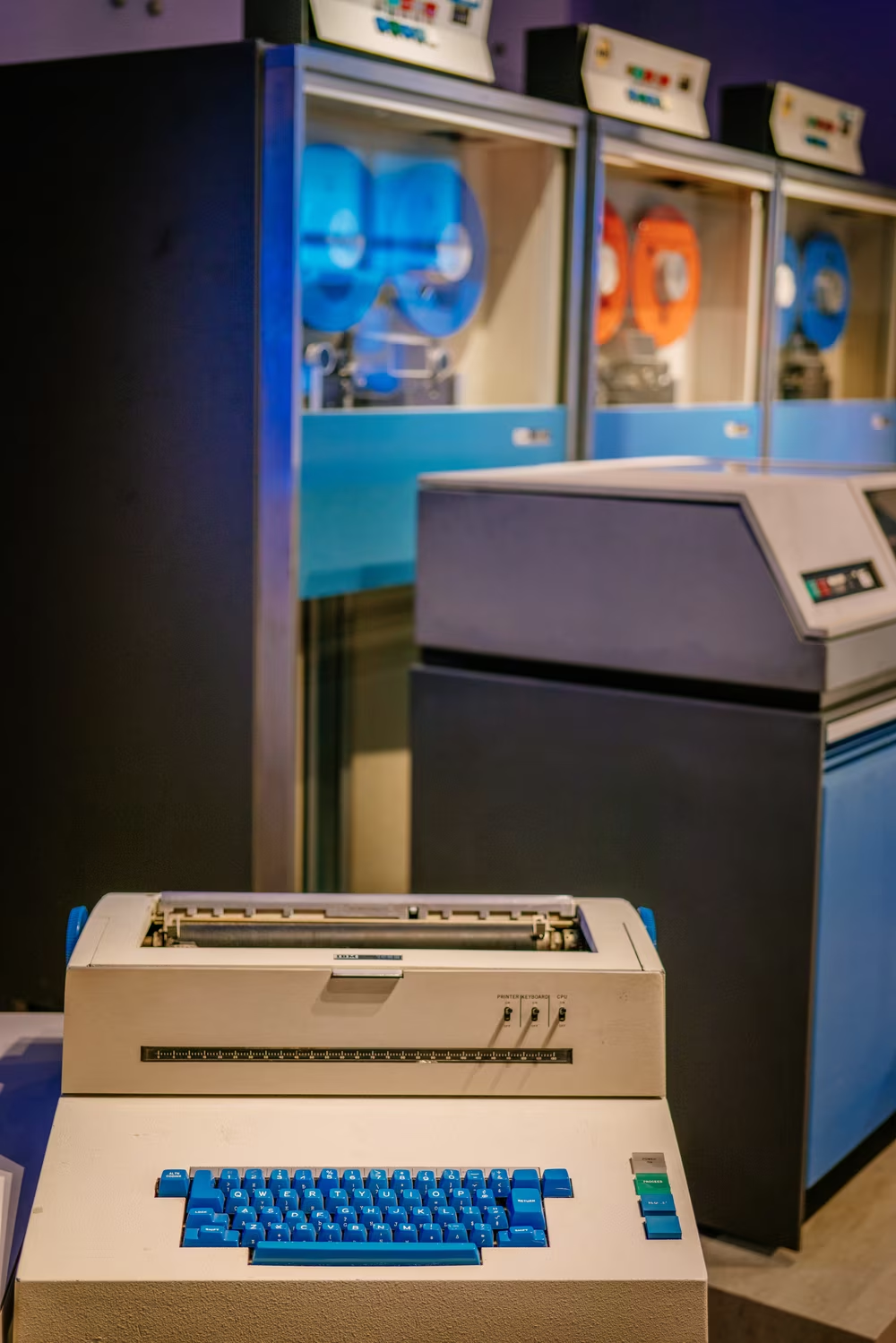
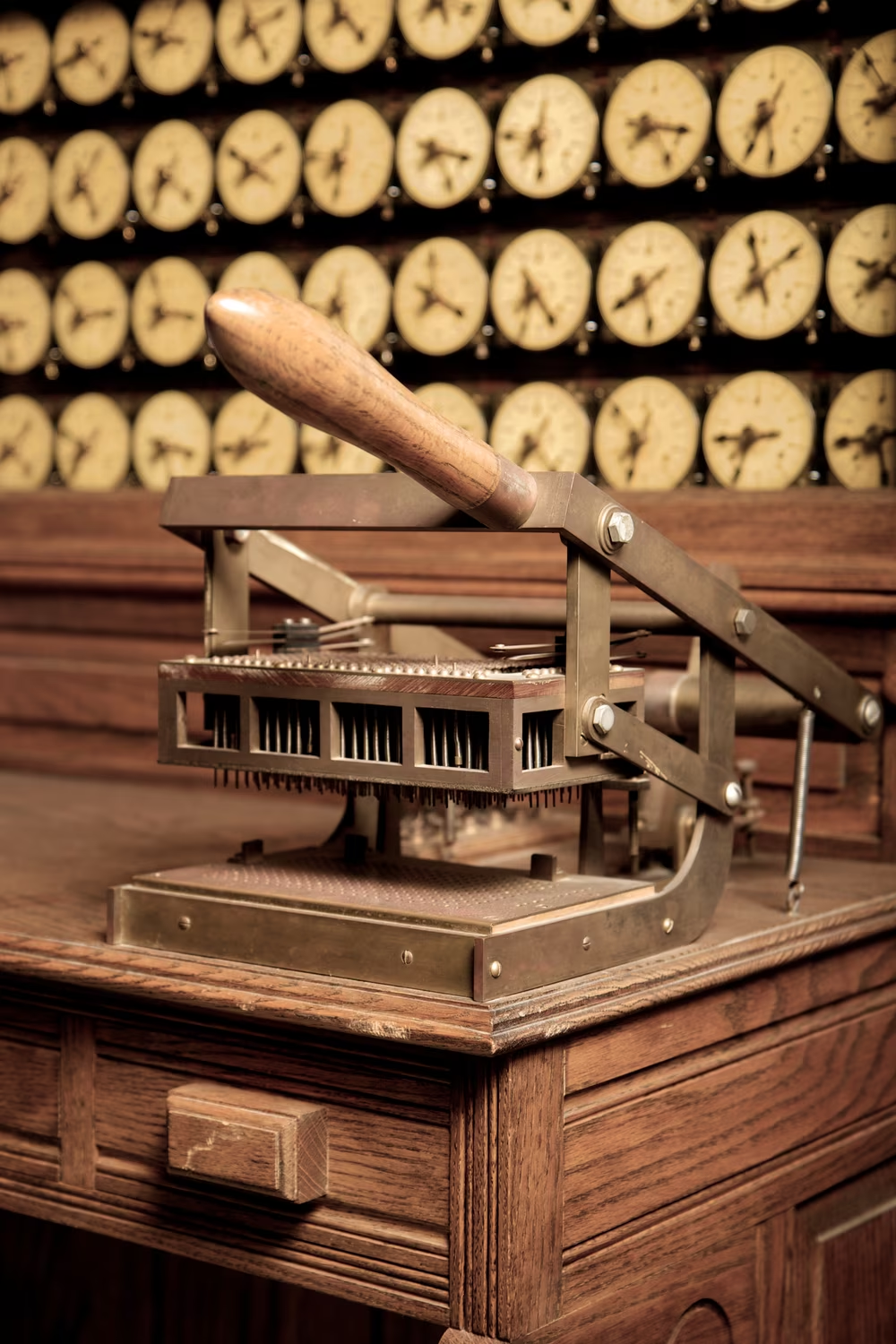
I love this museum. I wrote about this at least once. I made friends here, learned about storytelling here, hung out with a lot of great volunteers, practiced old-computer photography, and deepened my care and understanding of tech history.
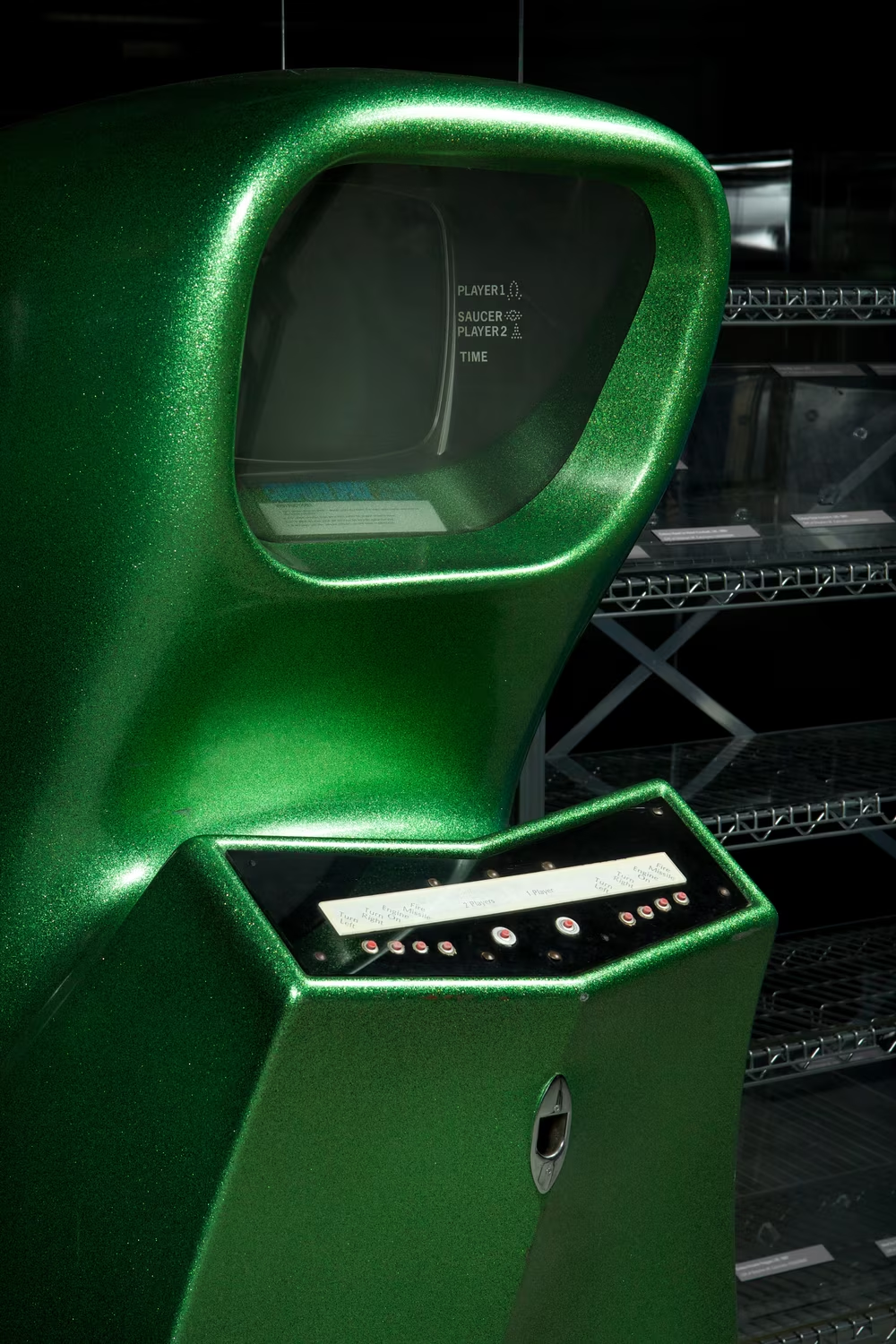
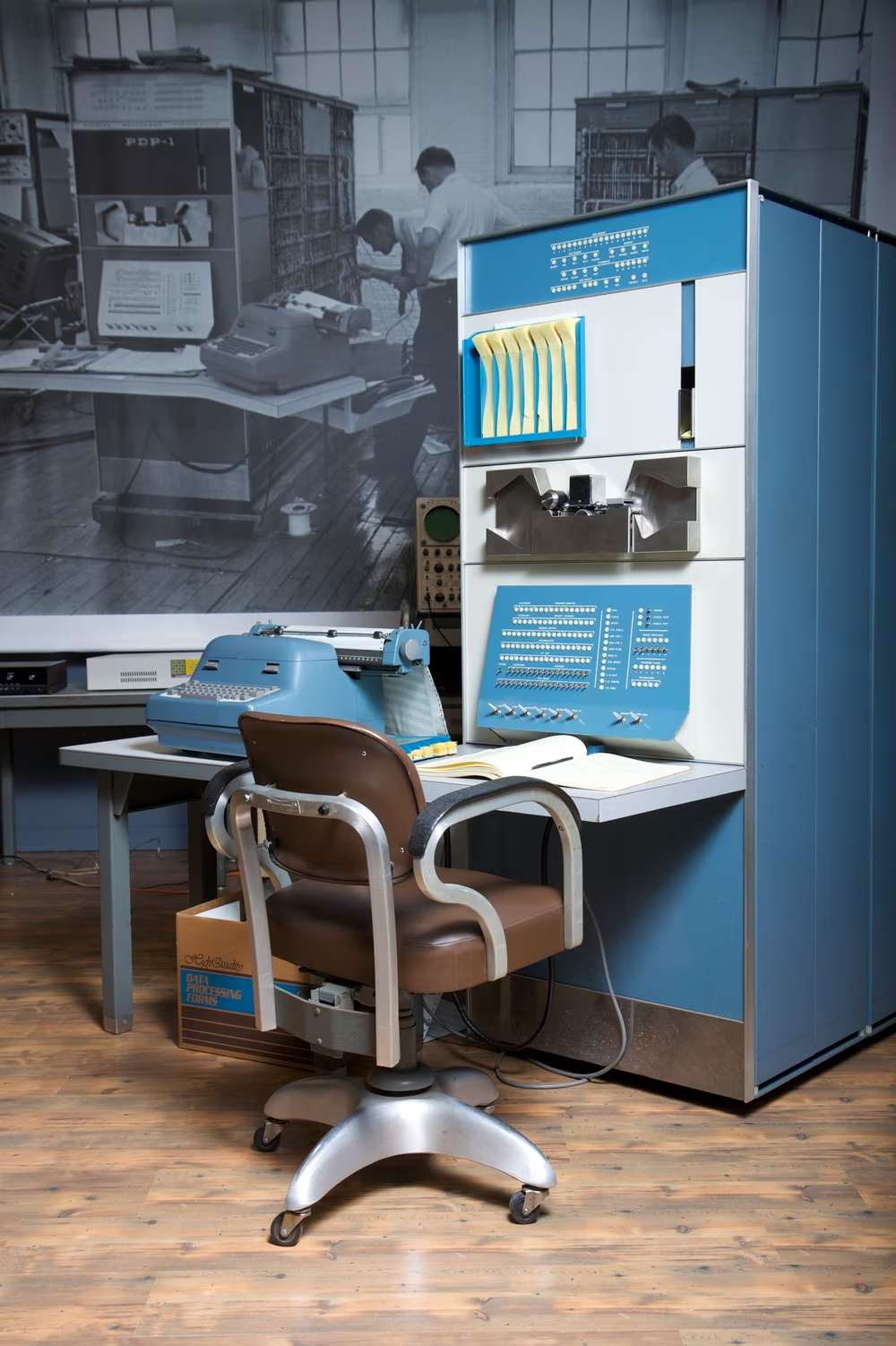
The building is great, the demo rooms with PDP-1 and IBM 1401 are fantastic (you can play one of the first videogames against the very person who made it!), and events can be extraordinary too: be it Vintage Computer Festival West, or occasional talks.
I miss it now that I live further away.
The reason this museum didn’t make the main list is that the main exhibit is only kind of… okay. There is nothing bad about it, but there is nothing great, either – no singular thing stands out. The design is just fine, the videos on exhibit screens are a bit garish (one example here), and no particular memorable design decision or anything really stands out to me.
The ending of the main exhibit timeline also kind of peters out, with the web feeling like its weakest part. The museum excels in storytelling through hardware, but things take a dive when things move to software. (To be fair, I am not sure I found a great museum that showcases software well!)


Connections Museum
&
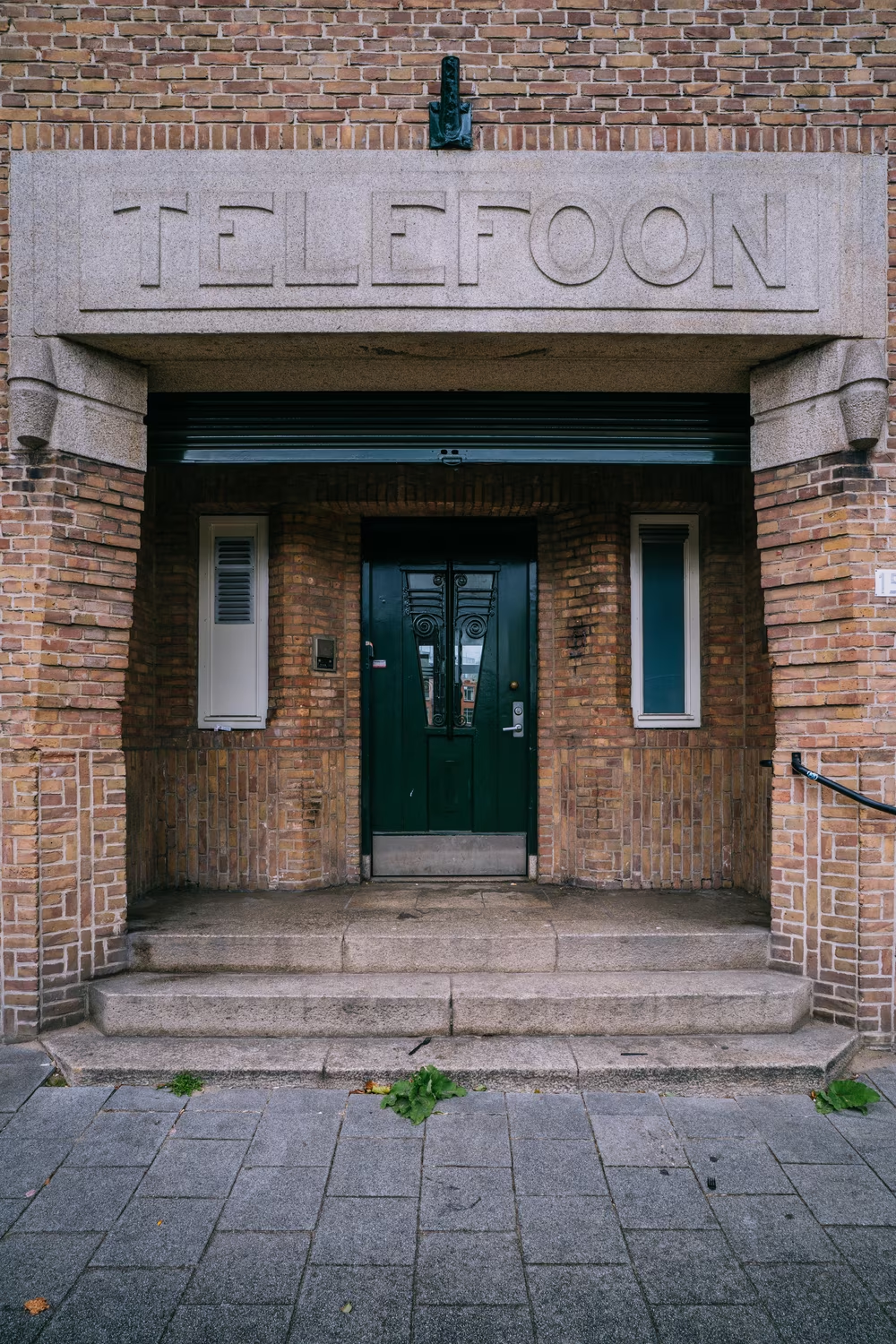
Houweling Telecommuseum
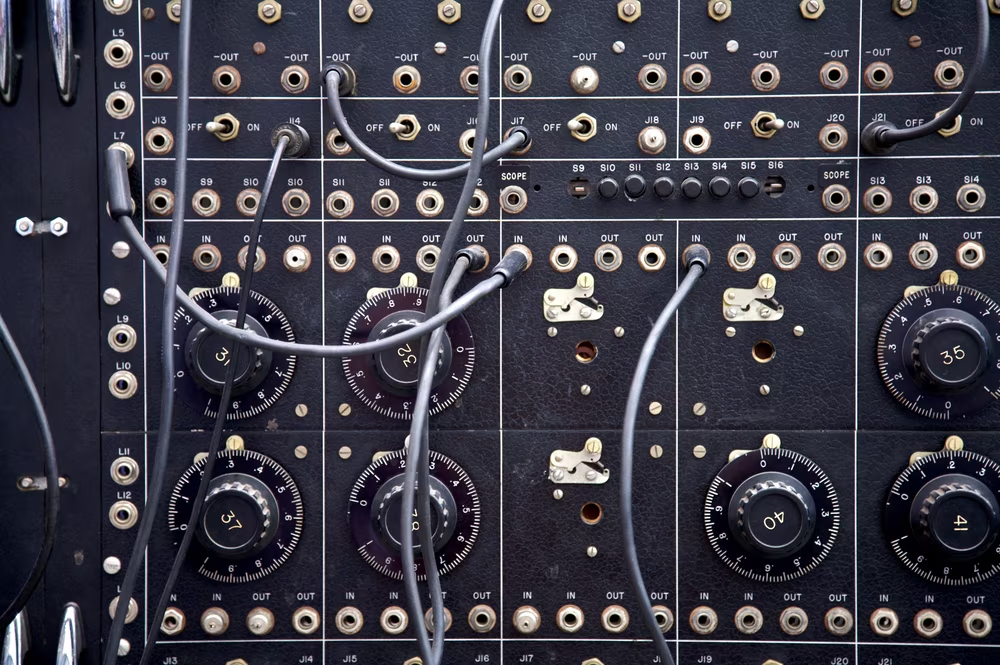
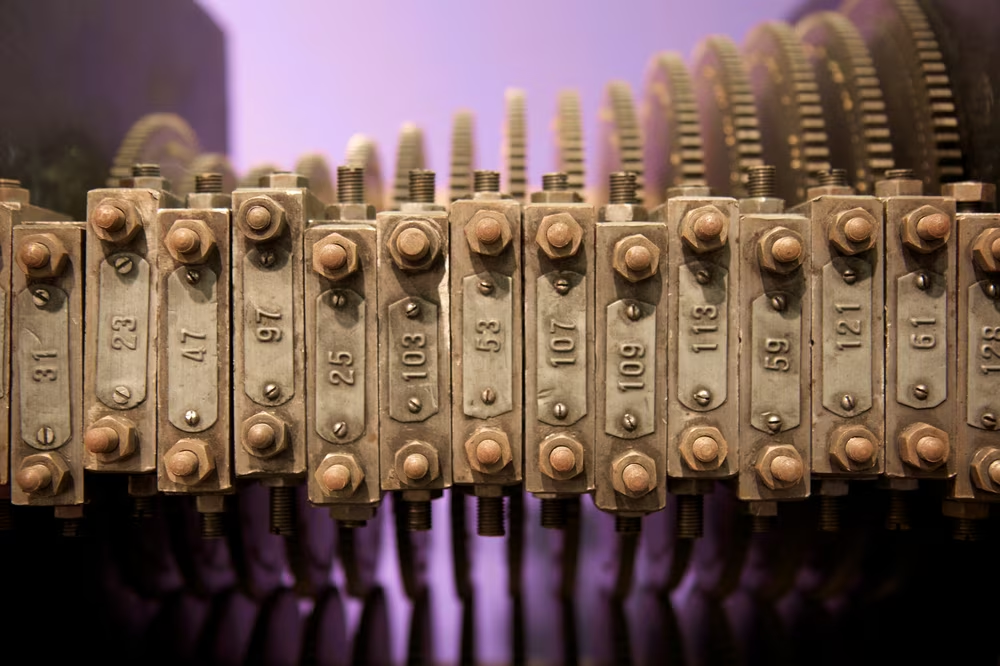
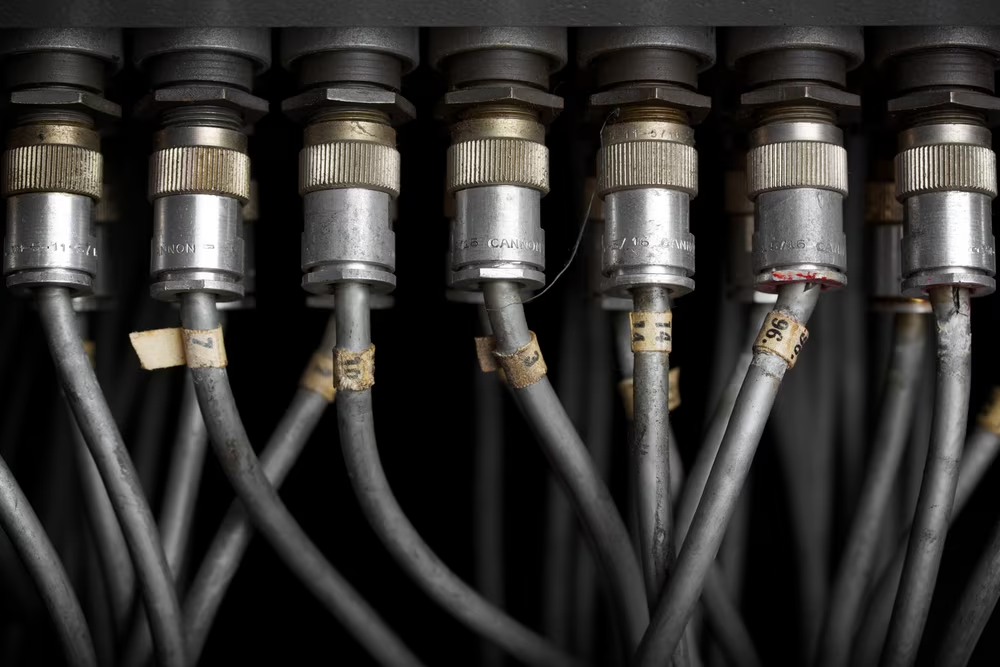
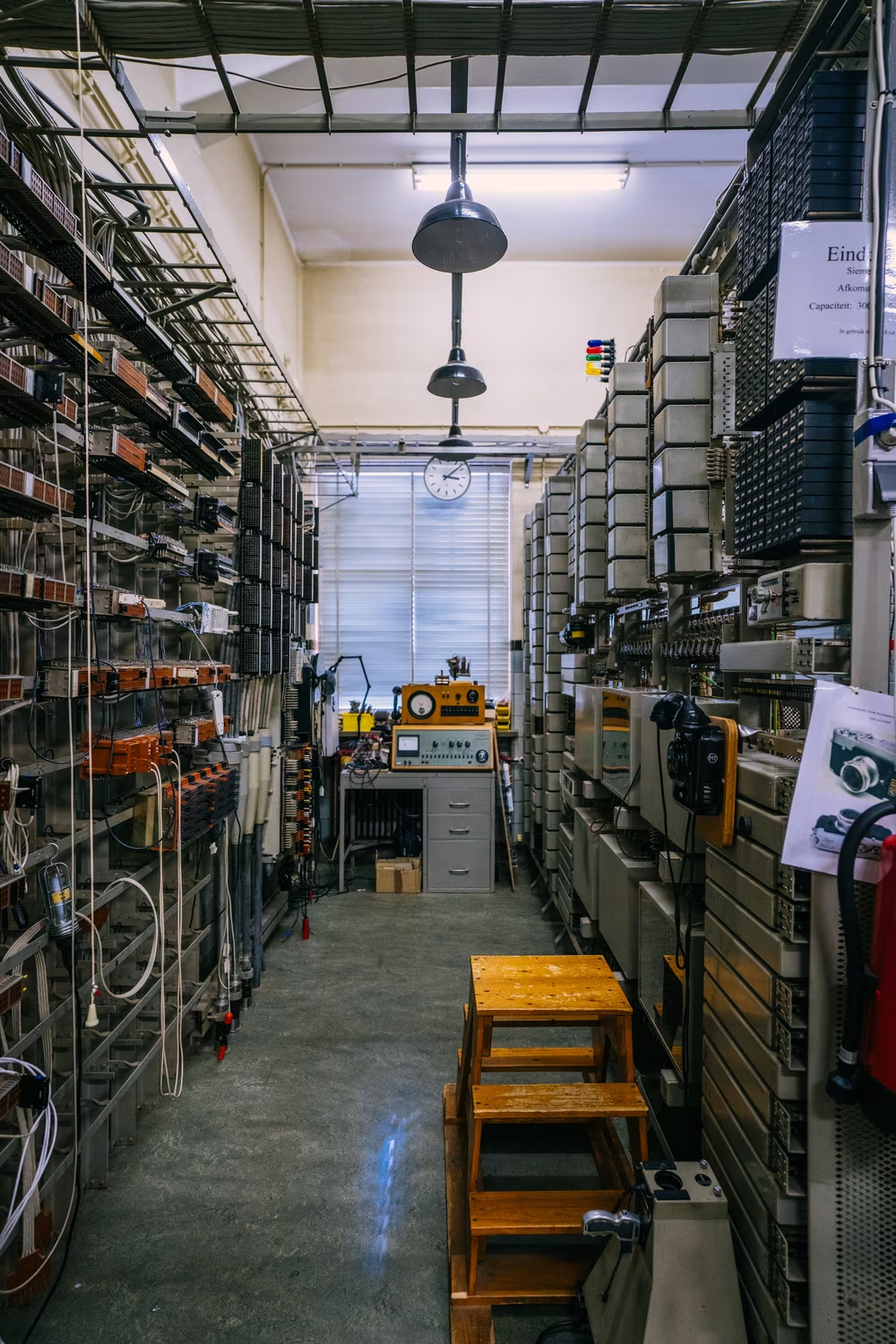
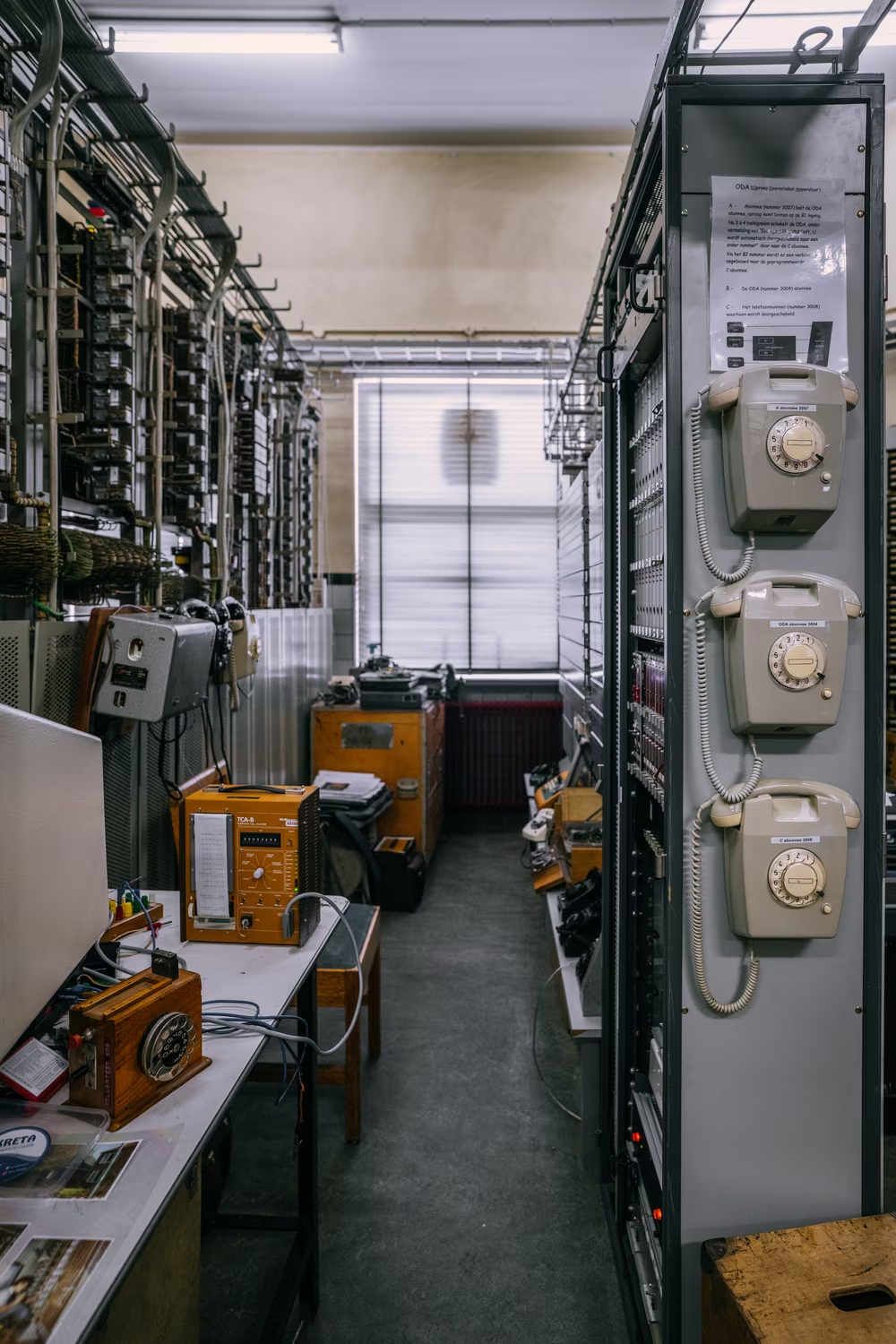
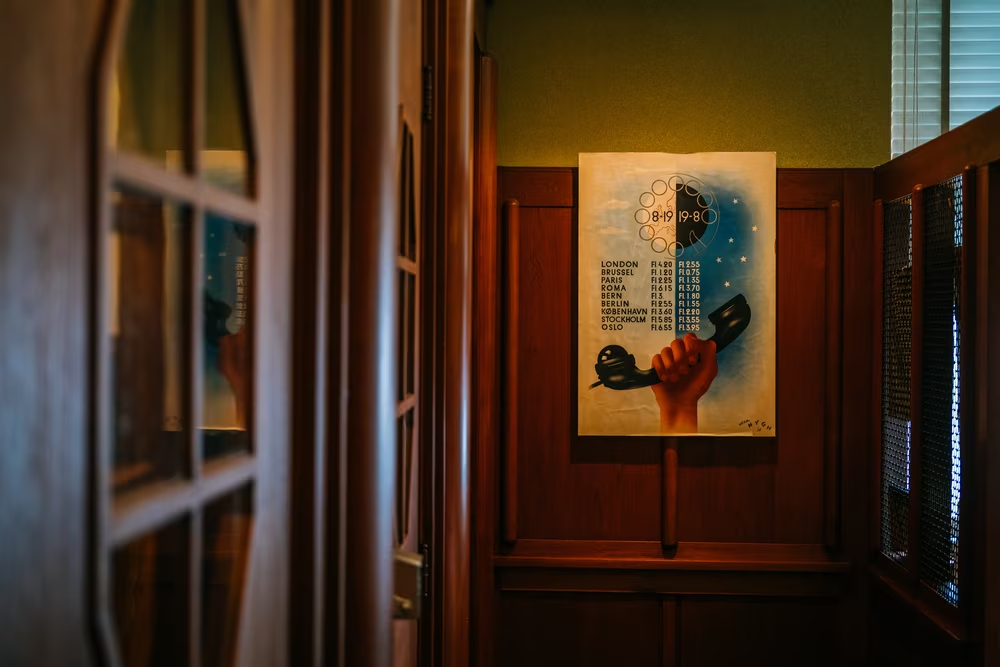
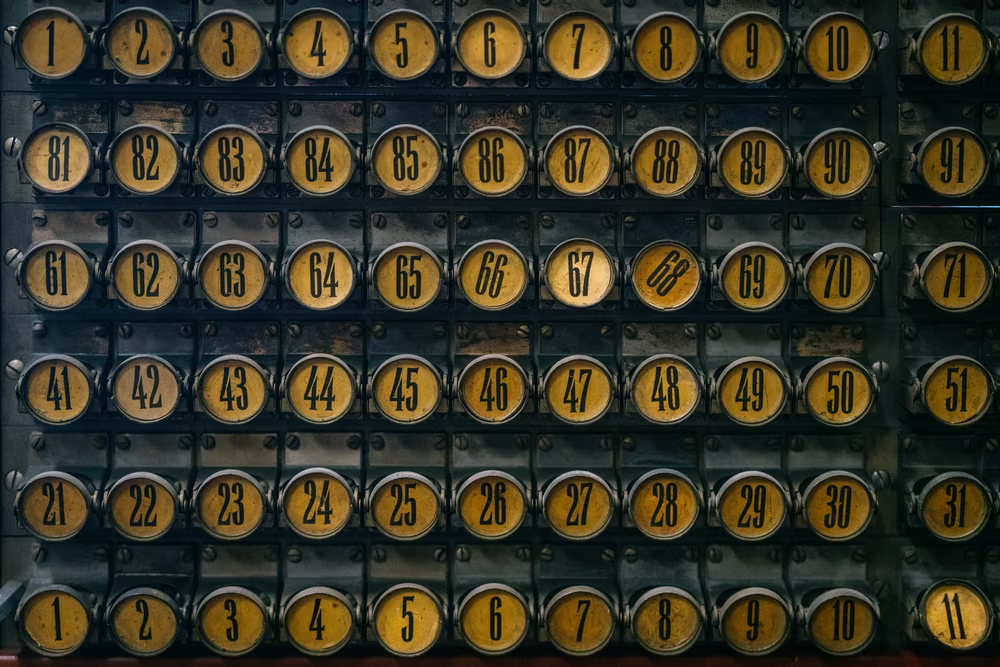
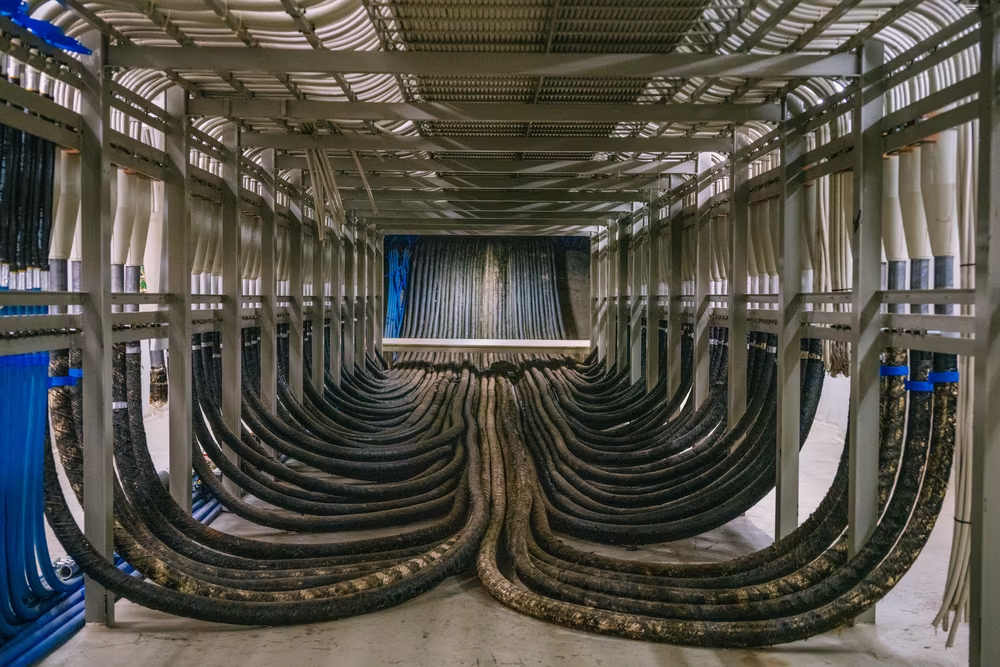
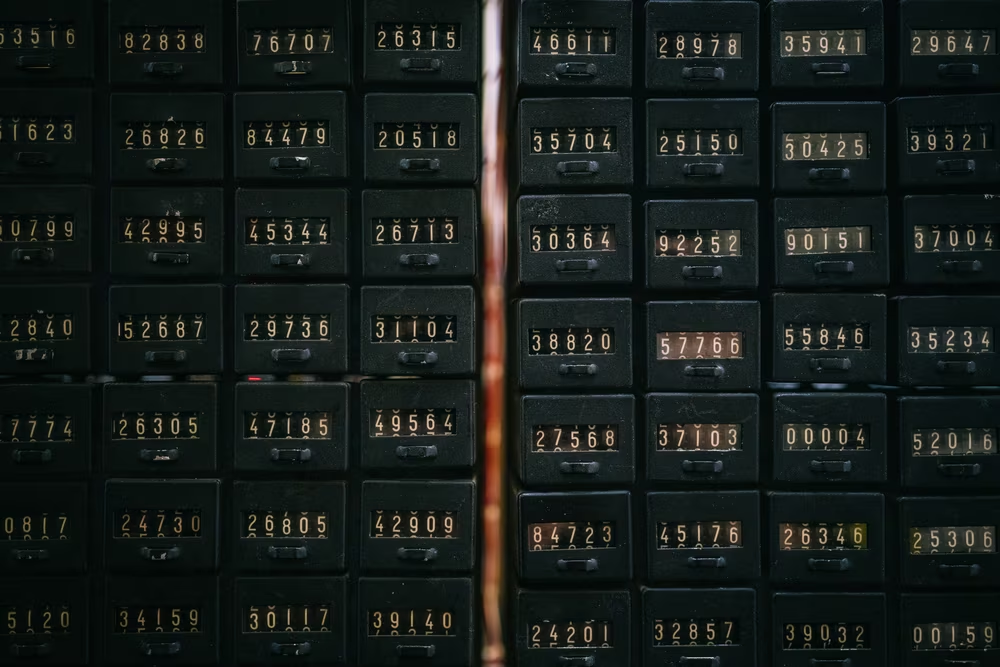
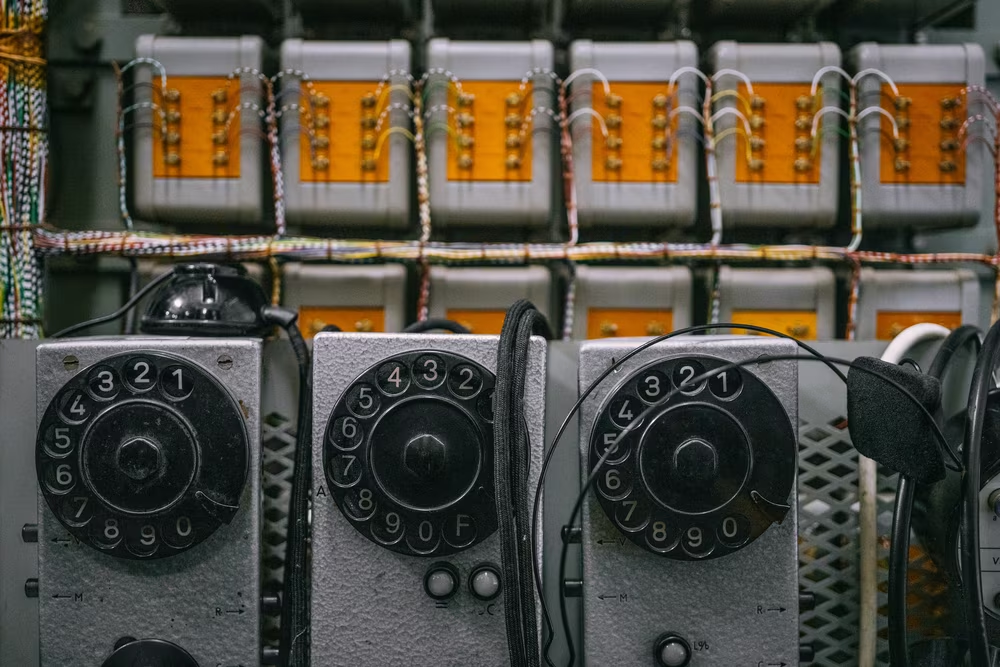
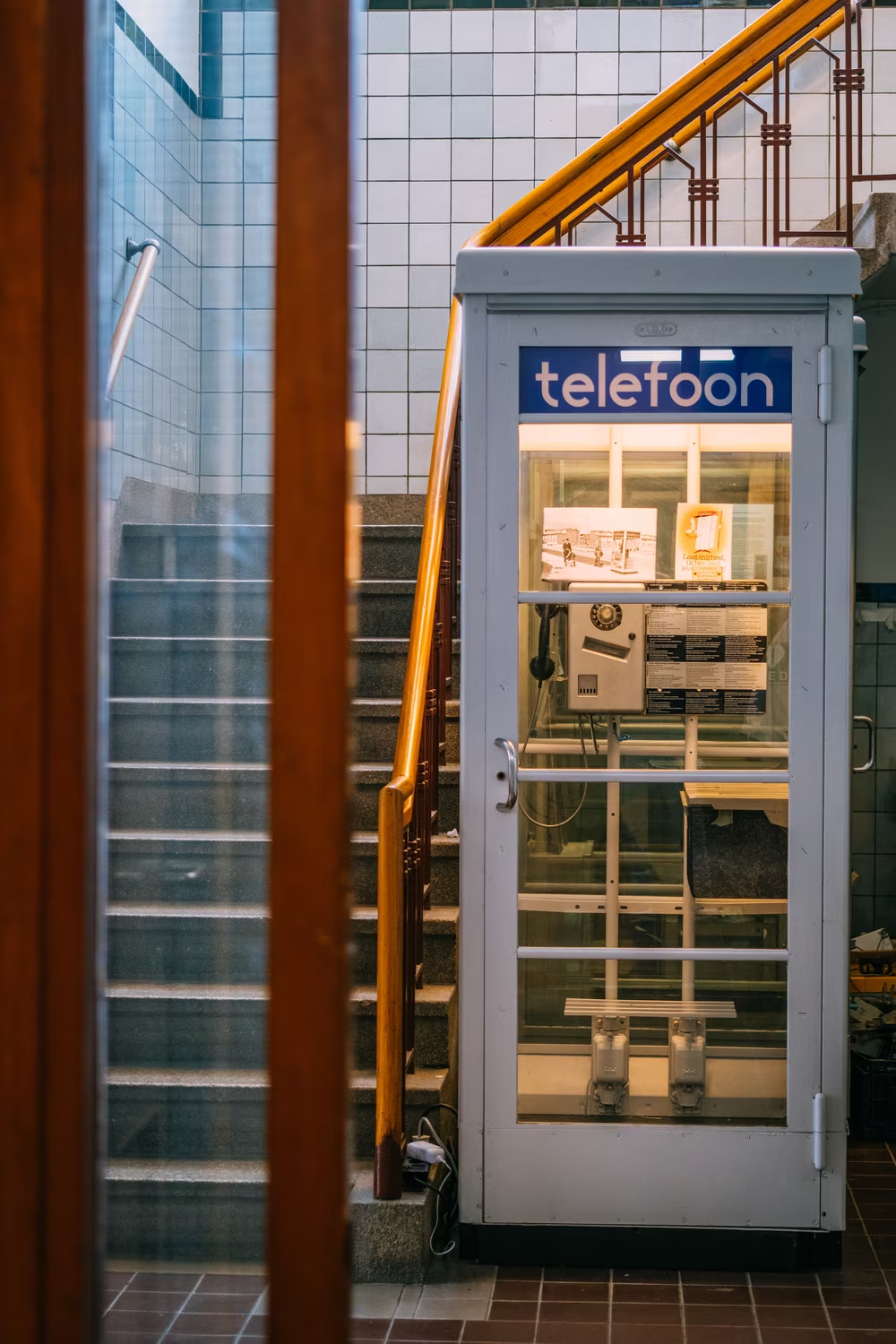
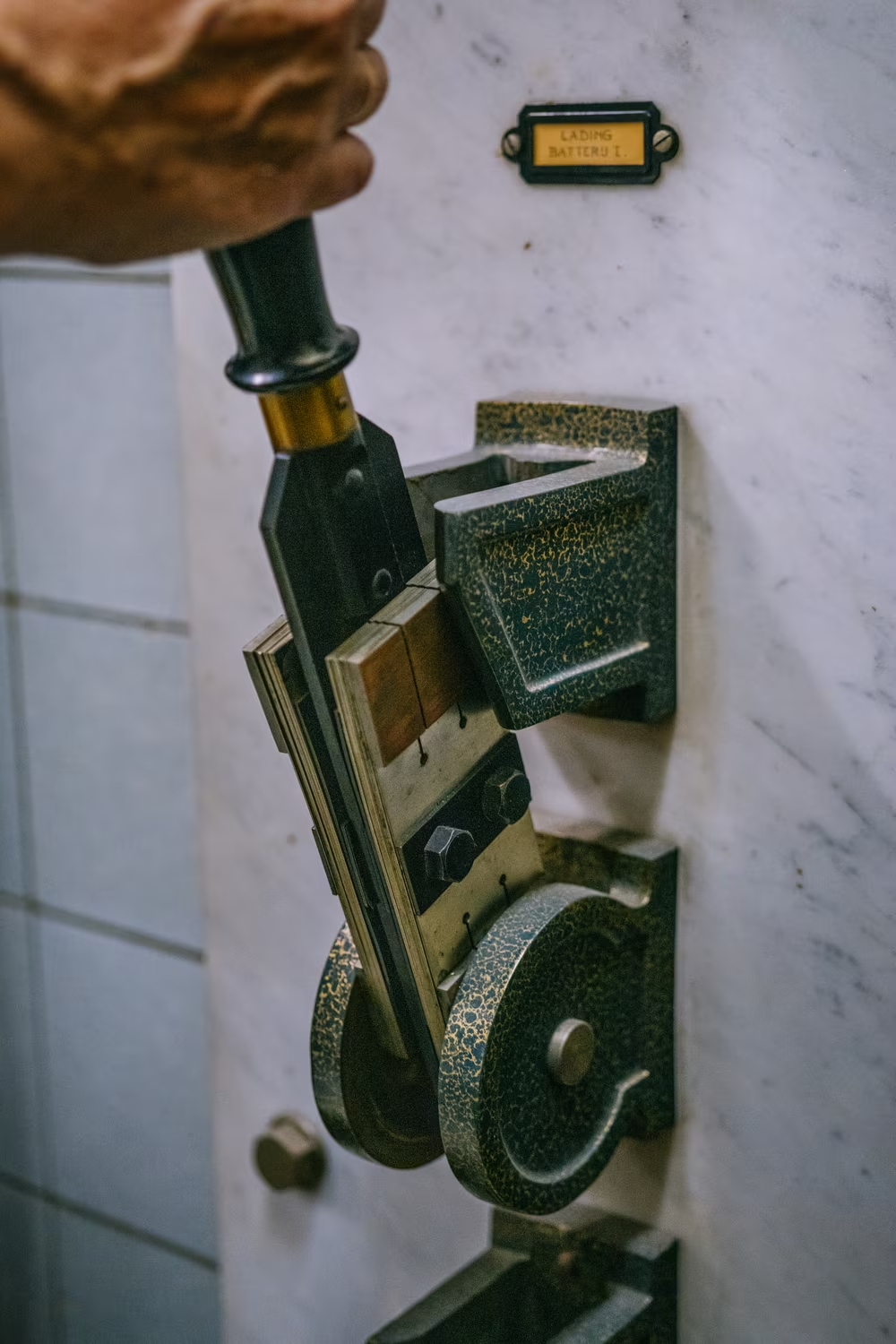
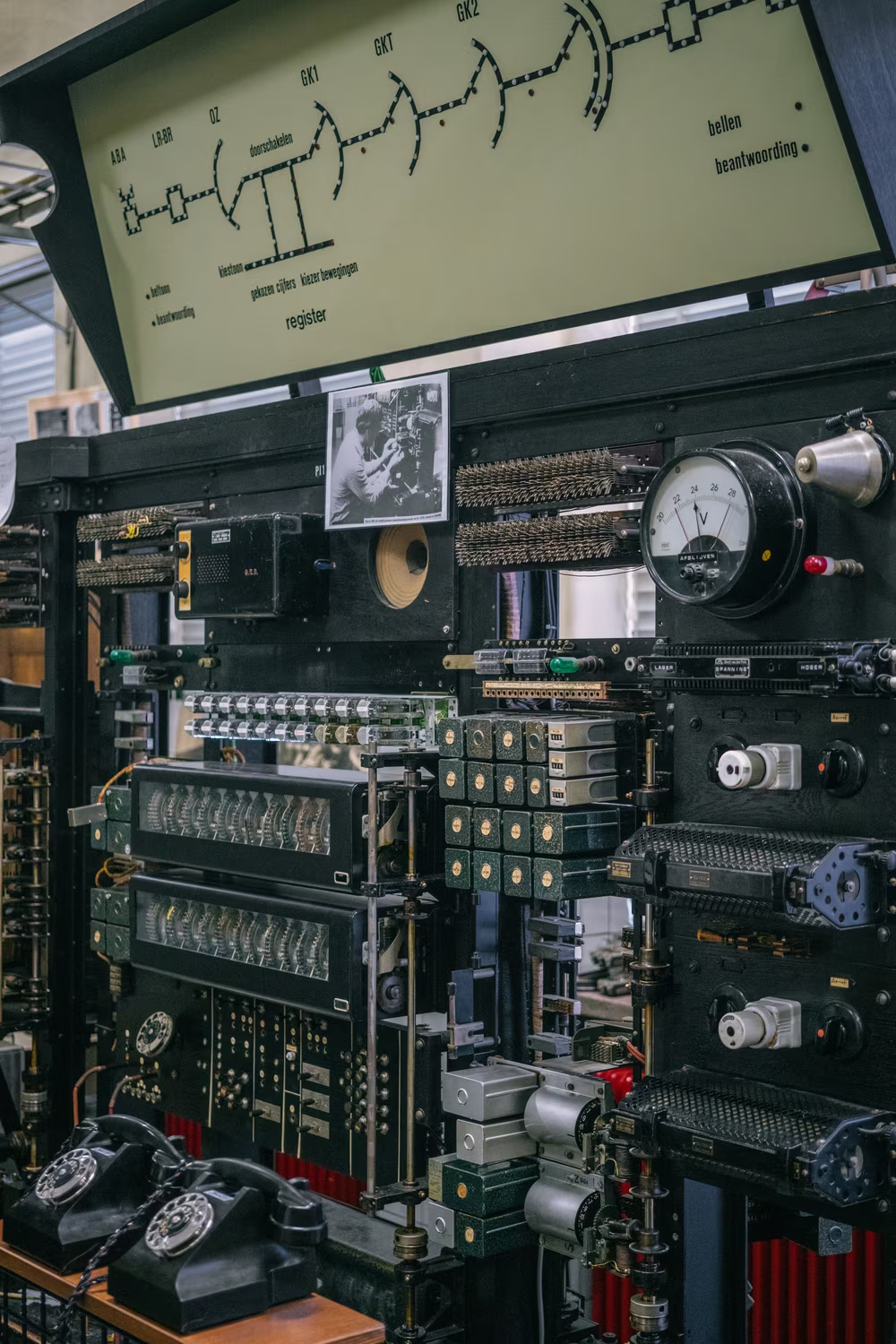
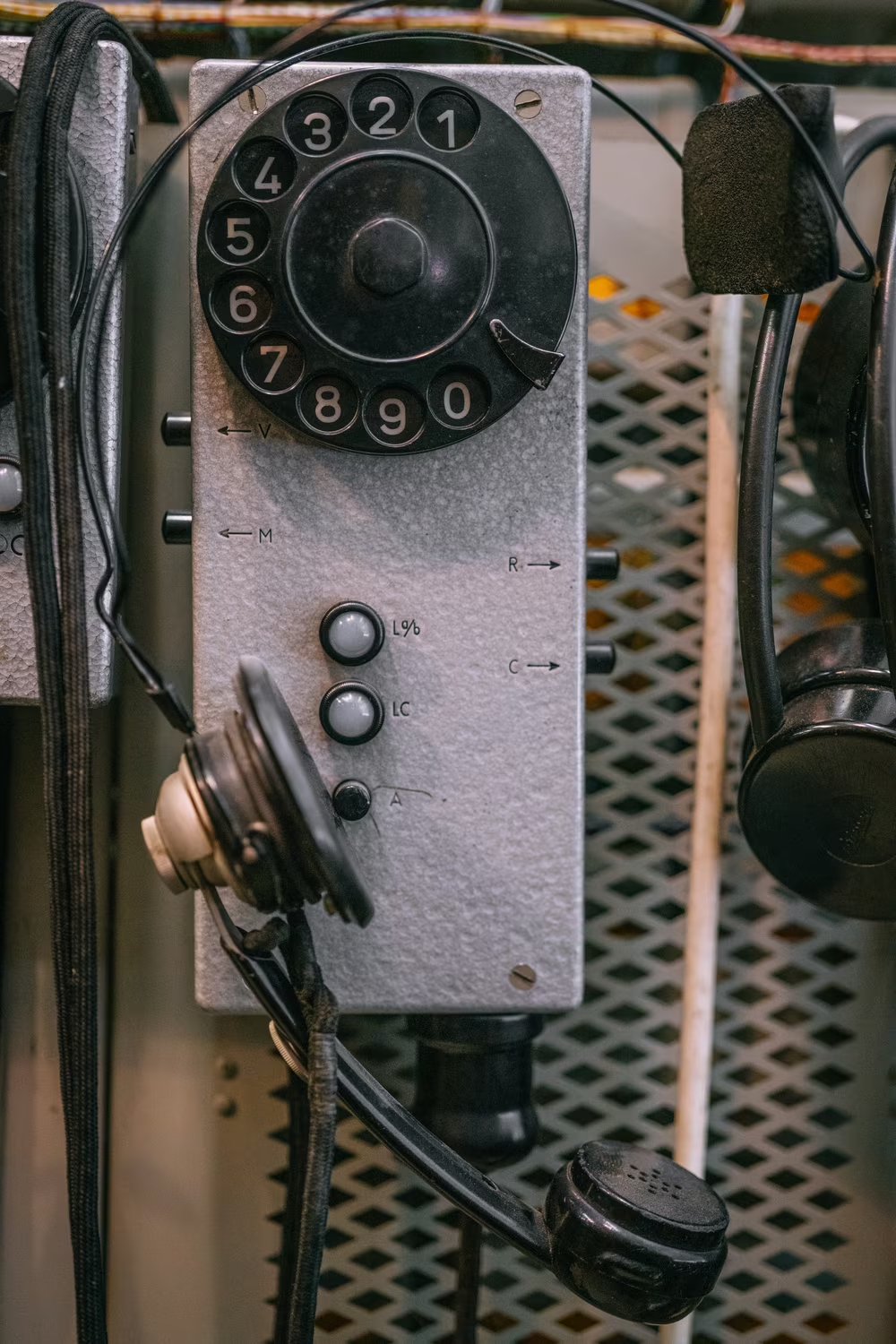
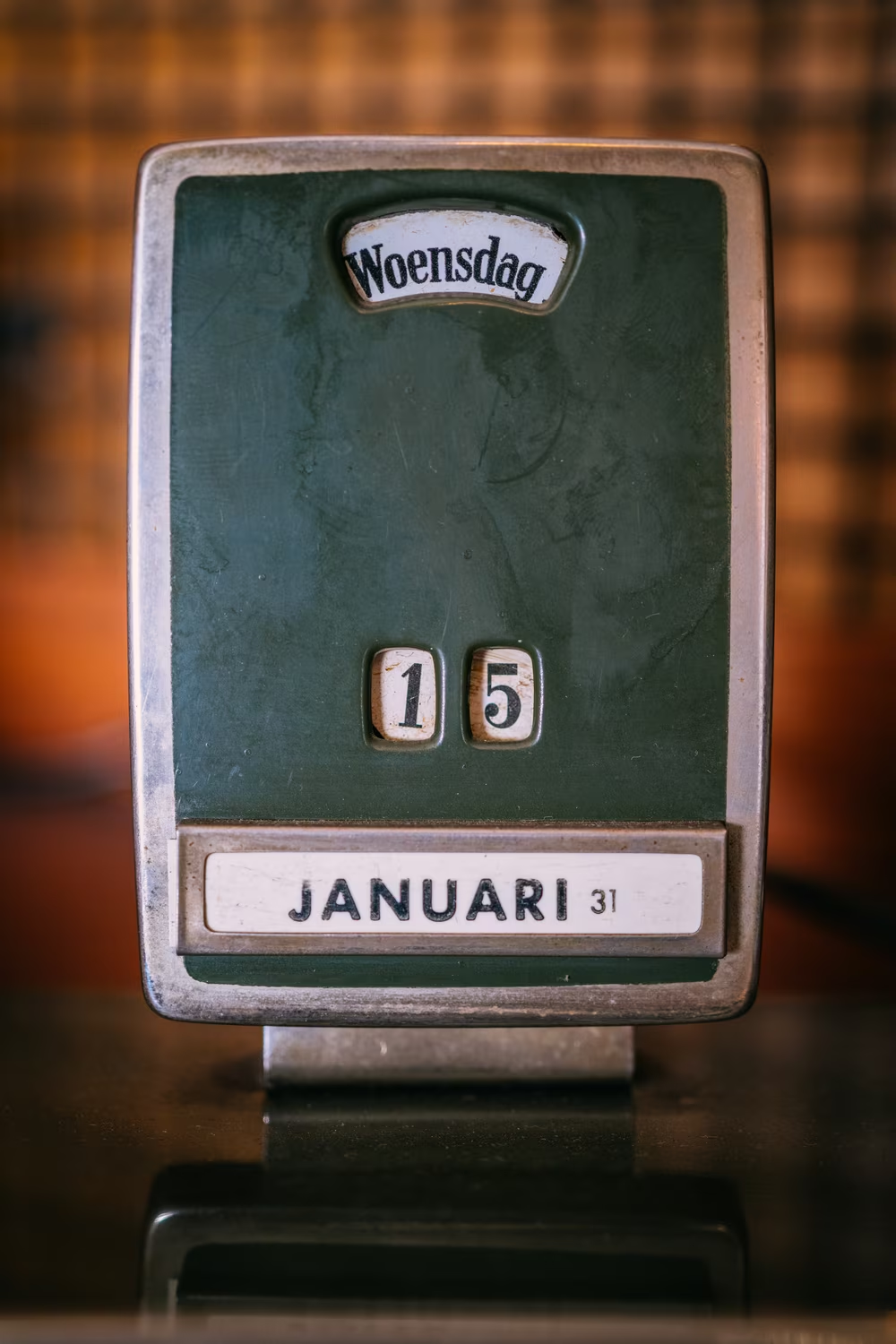
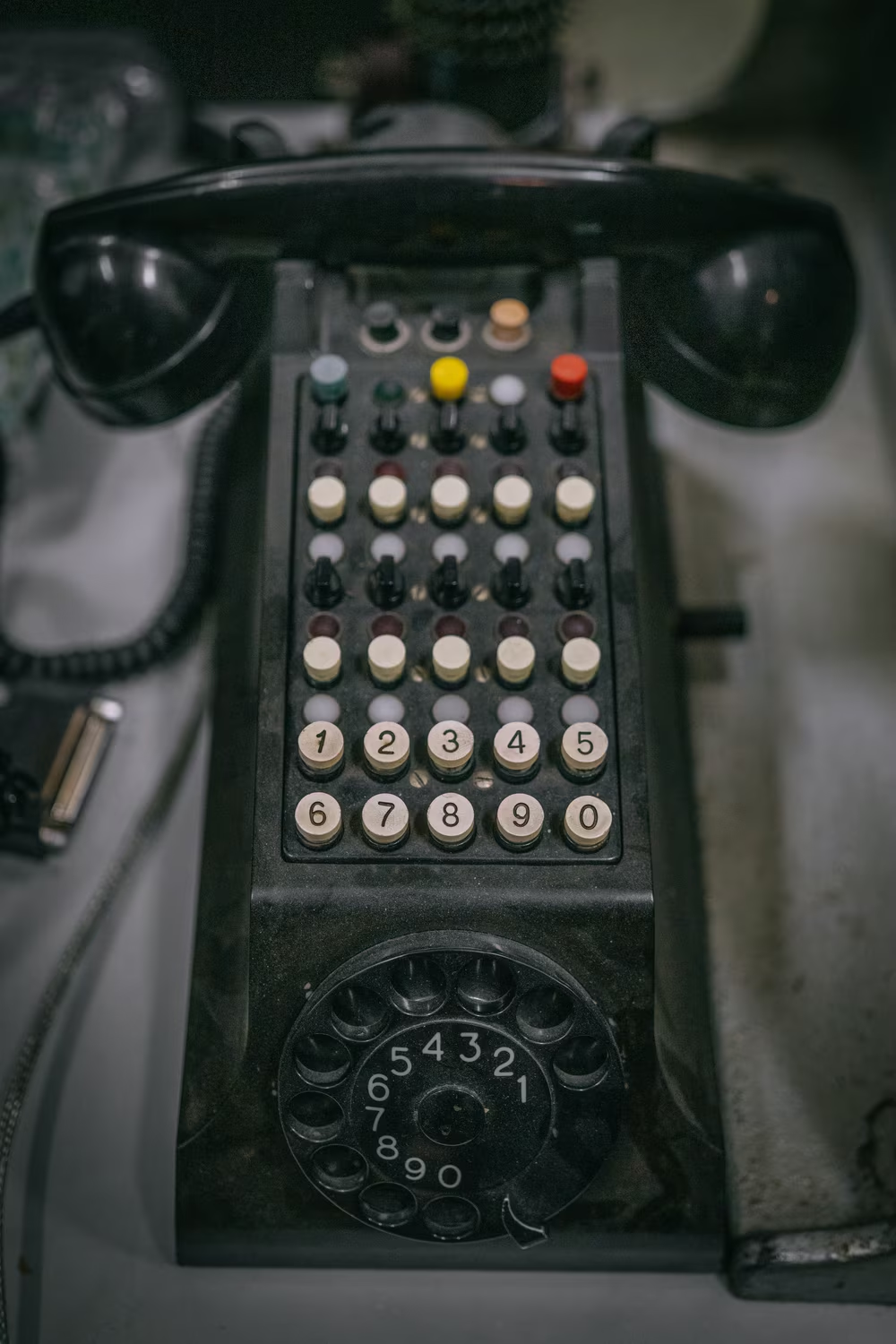
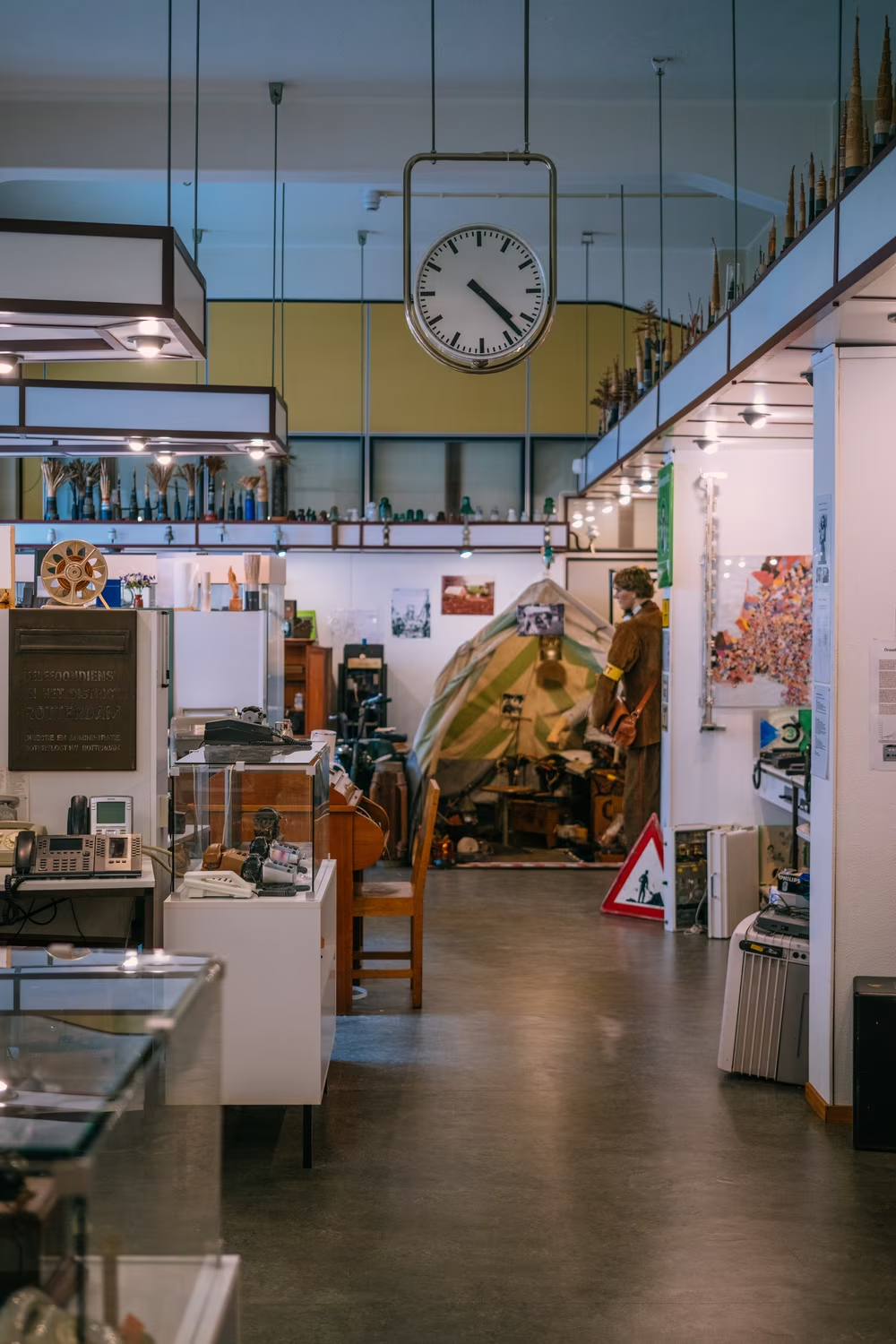
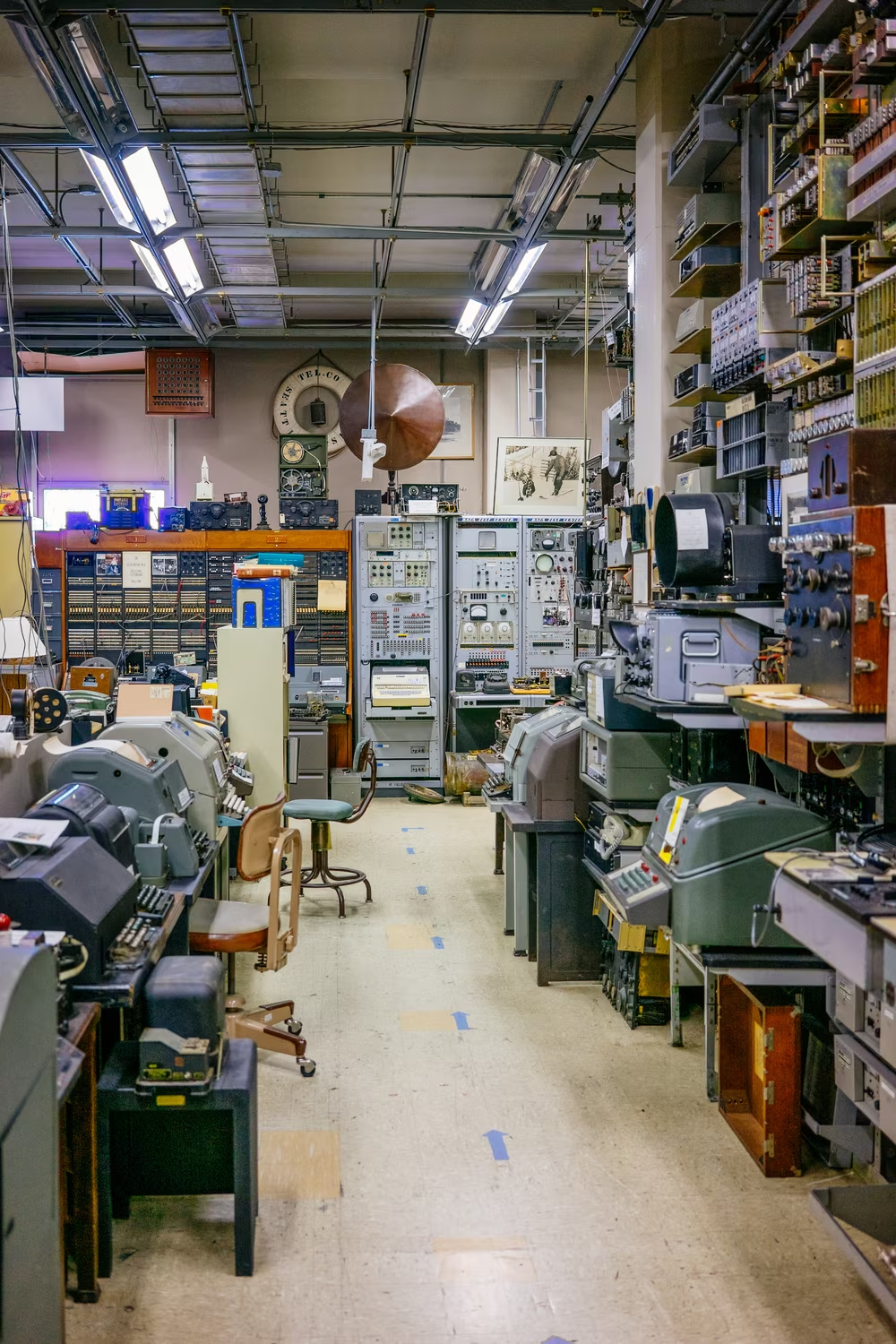
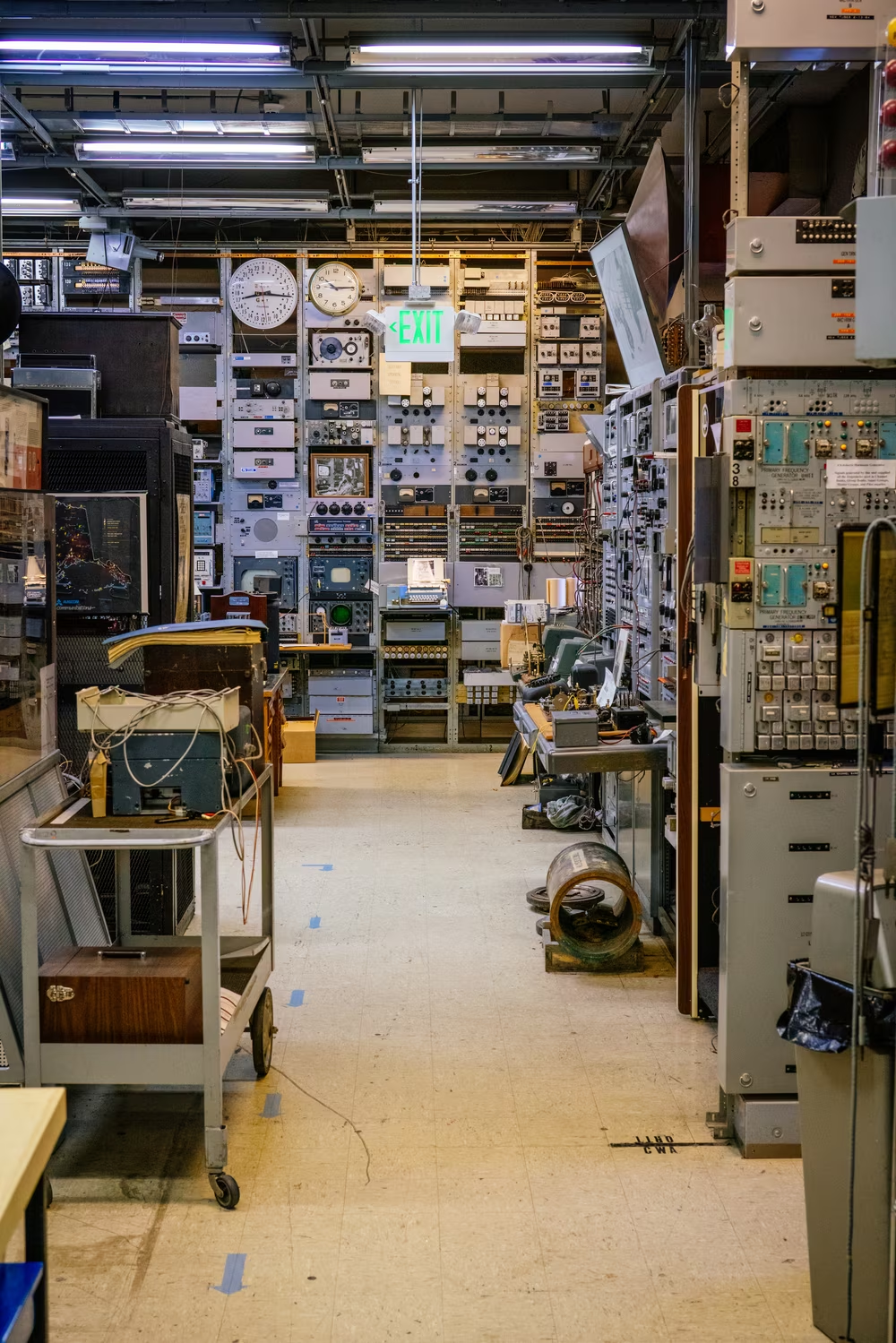
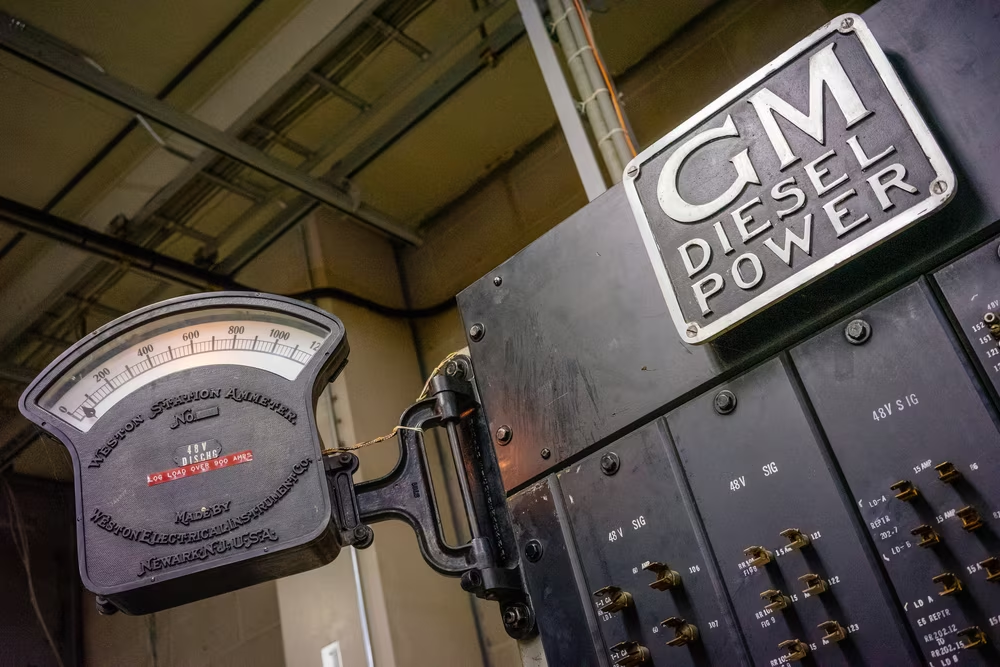
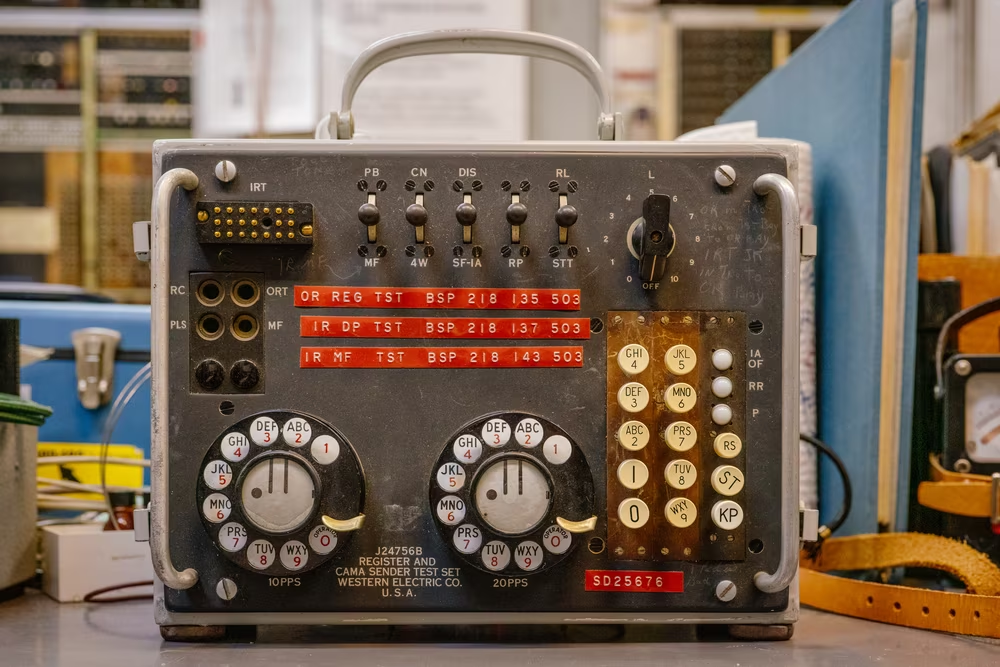
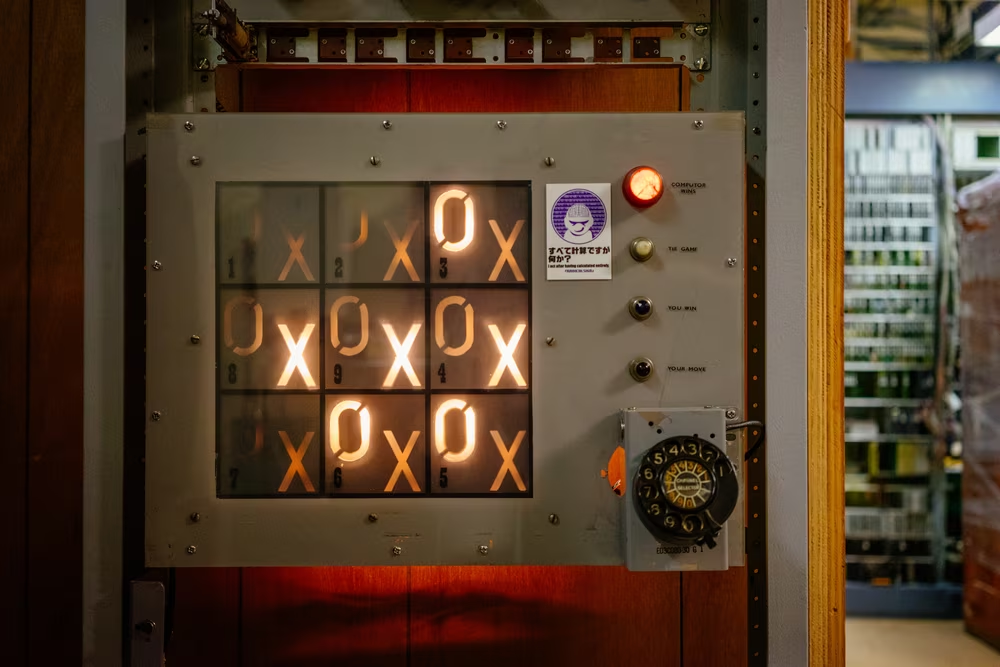
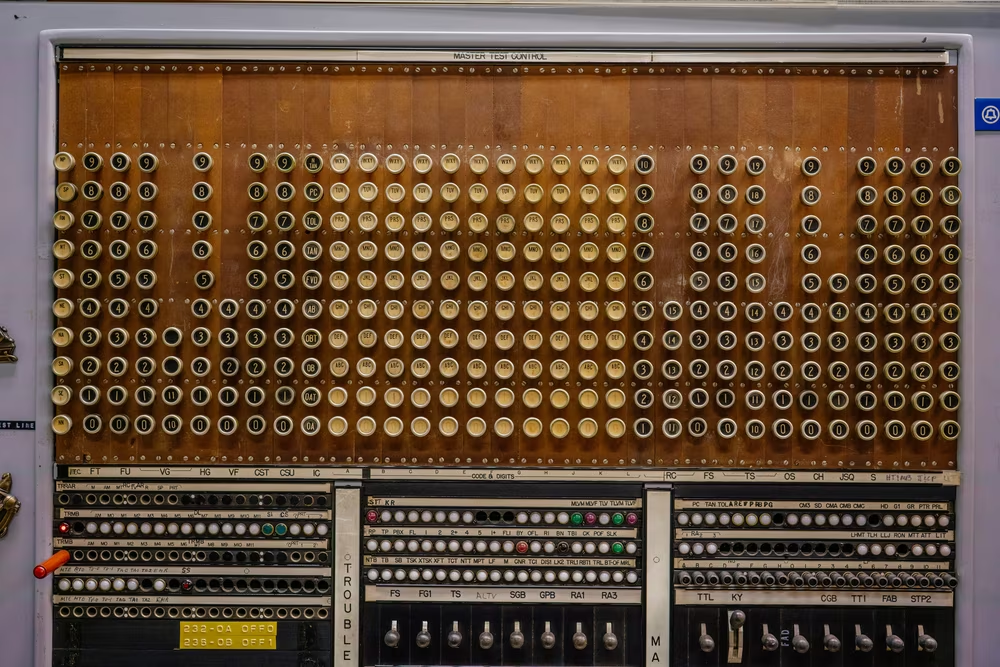
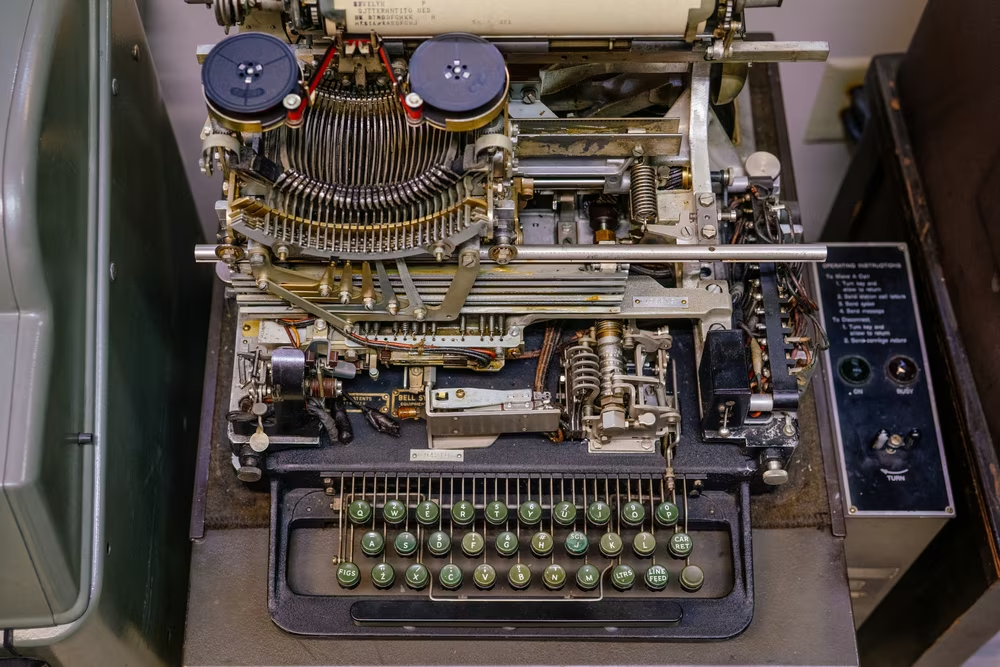
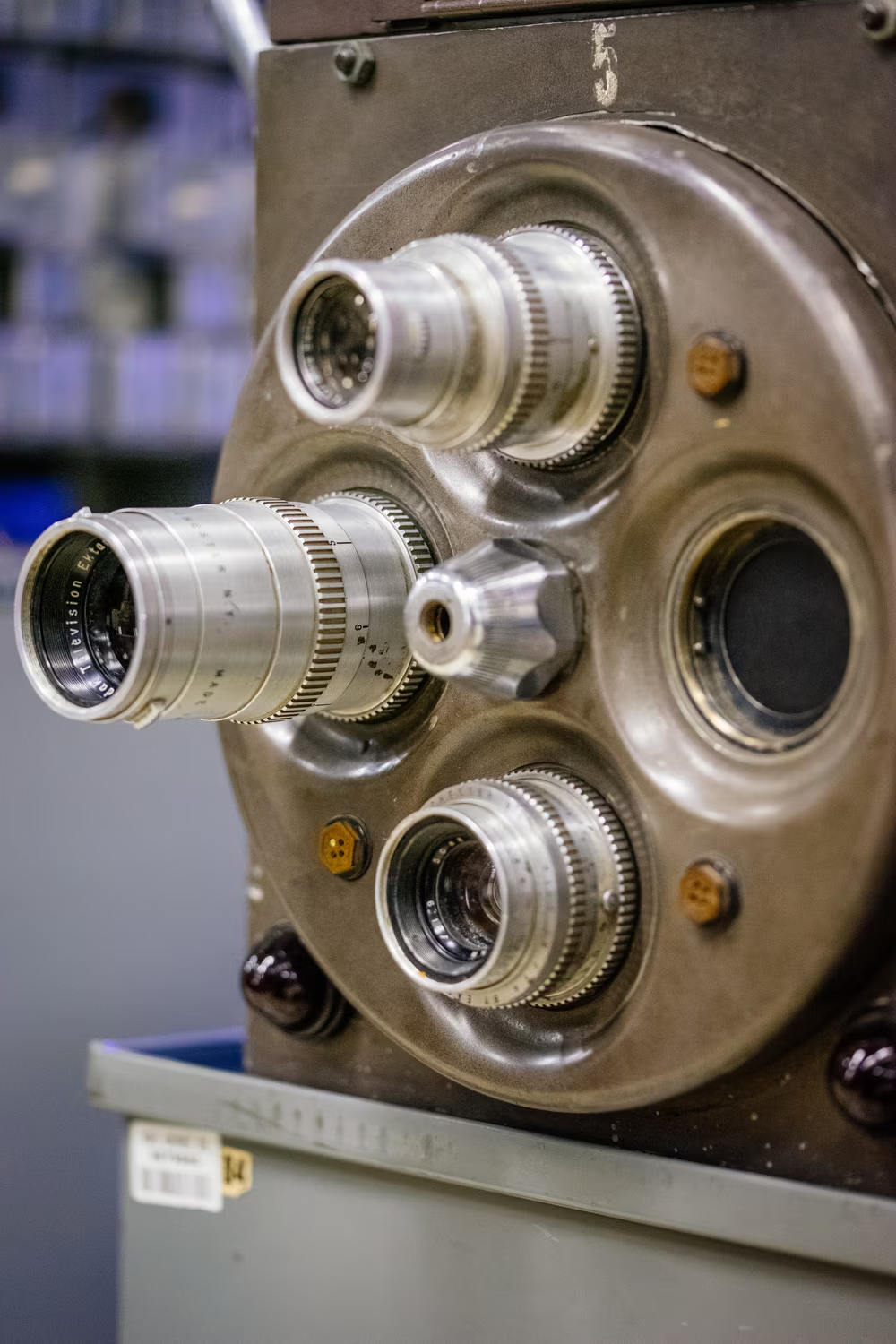
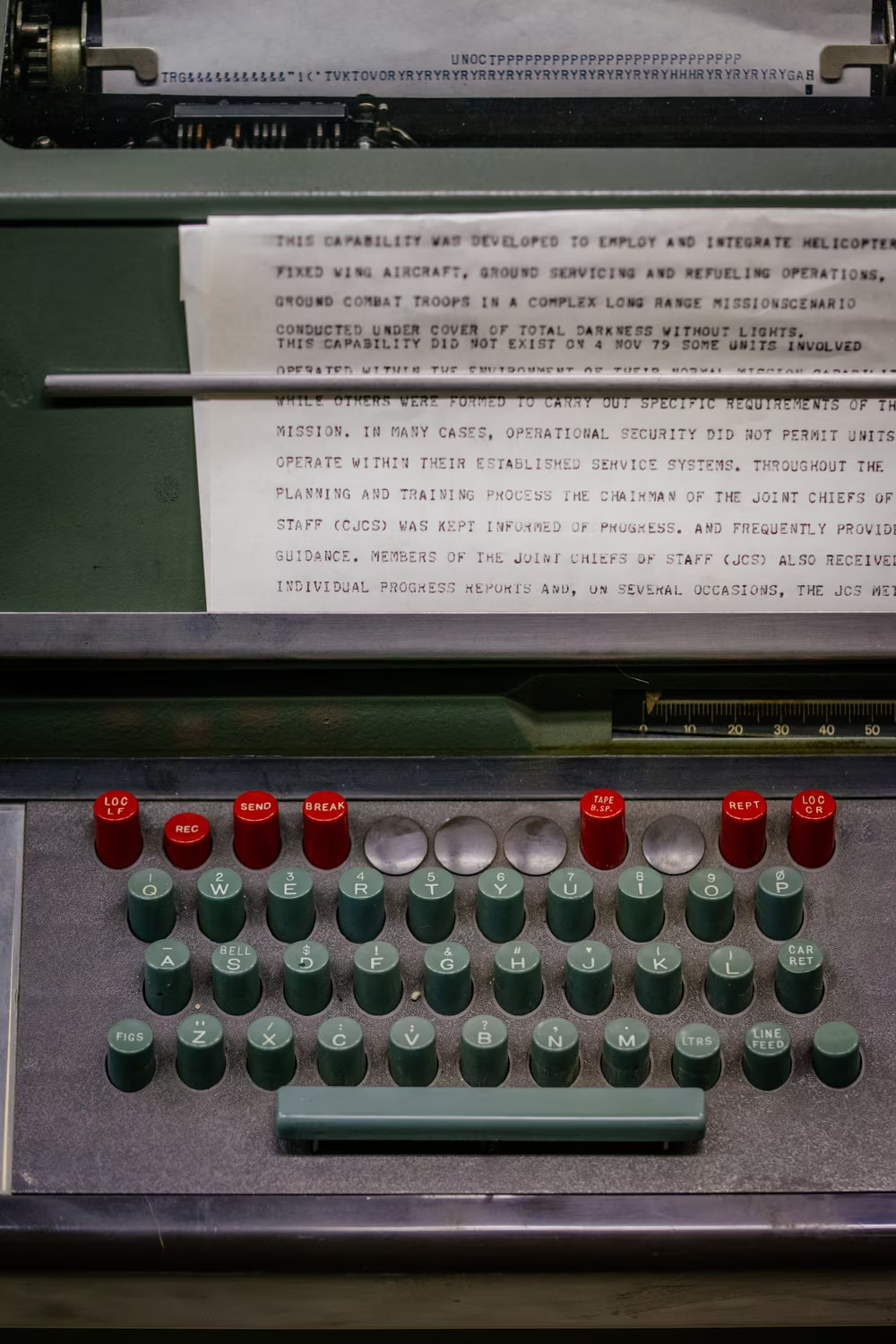
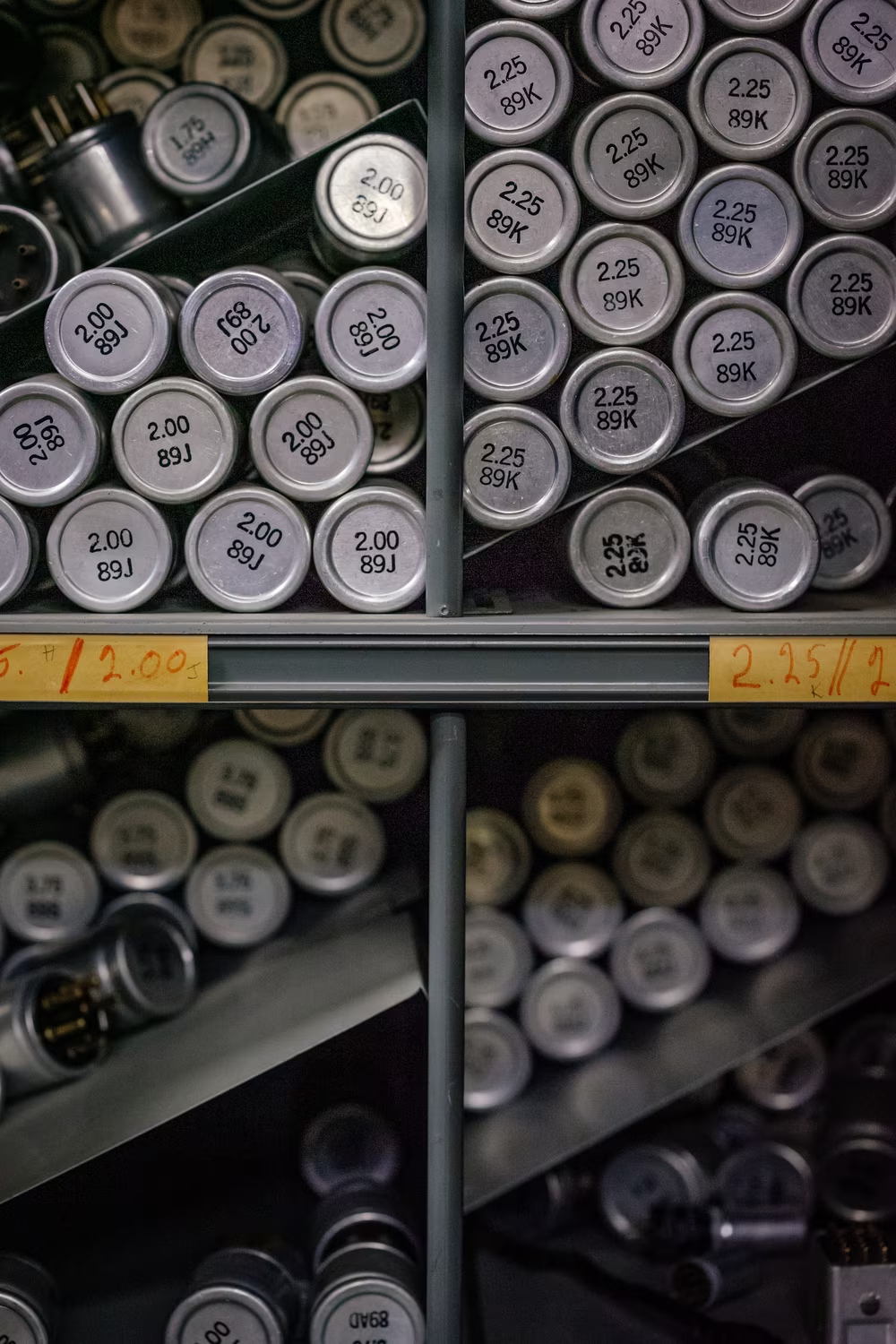
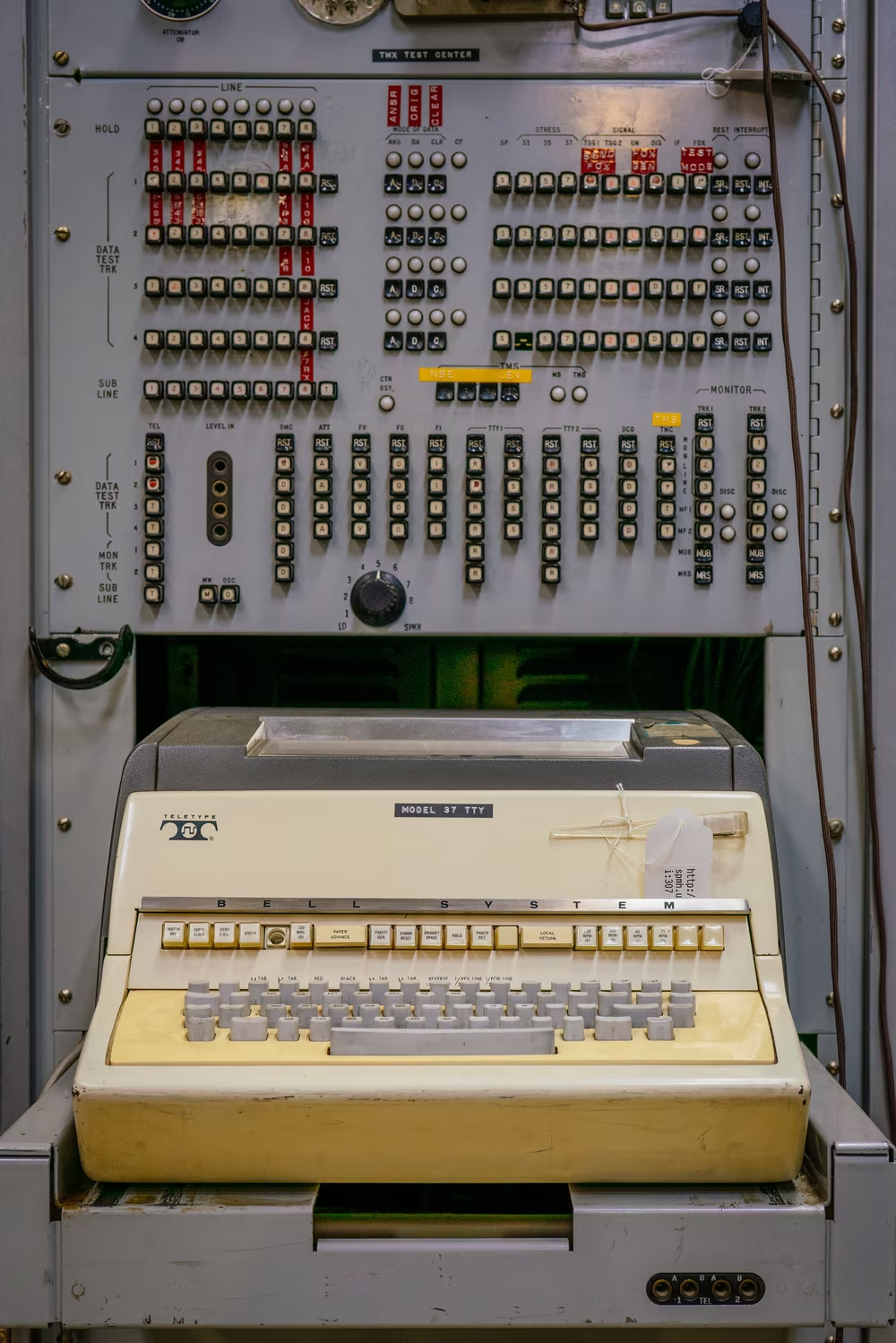
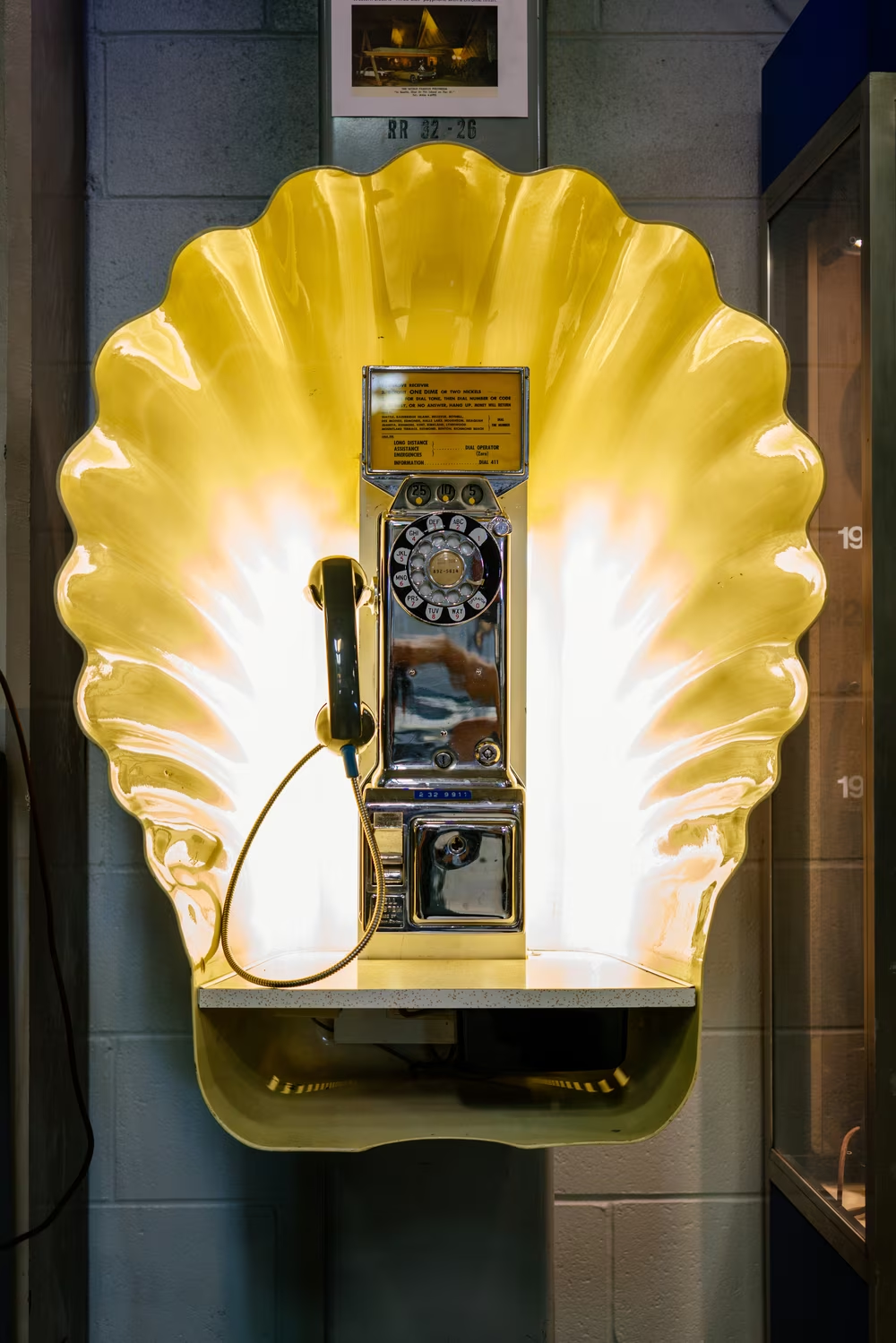
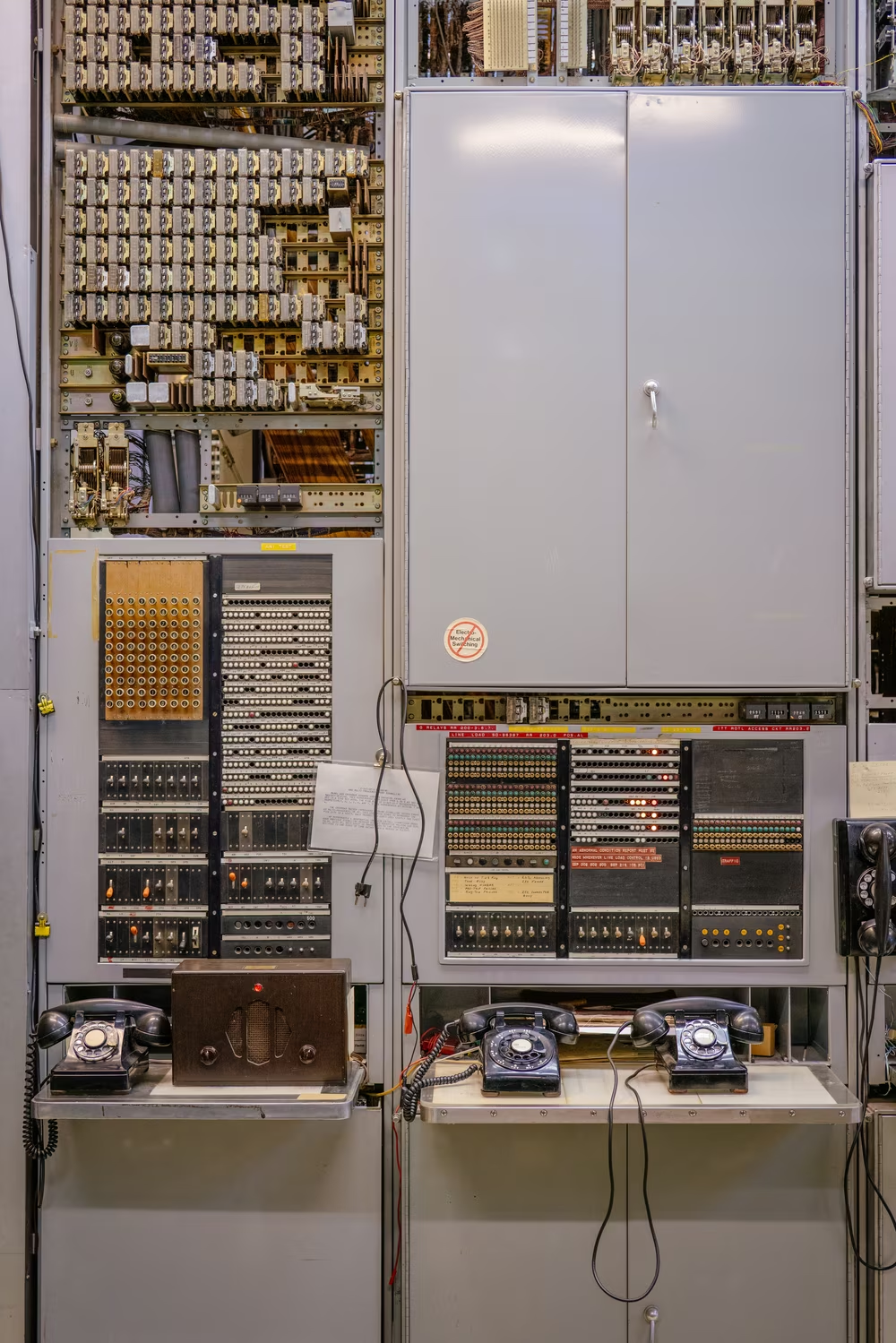
Grouping two independent museums in Seattle and Rotterdam because they feel strangely similar, hosted in old telephone exchange buildings, with their infrastructure decommissioned but preserved, restored, and used locally for demonstrations.
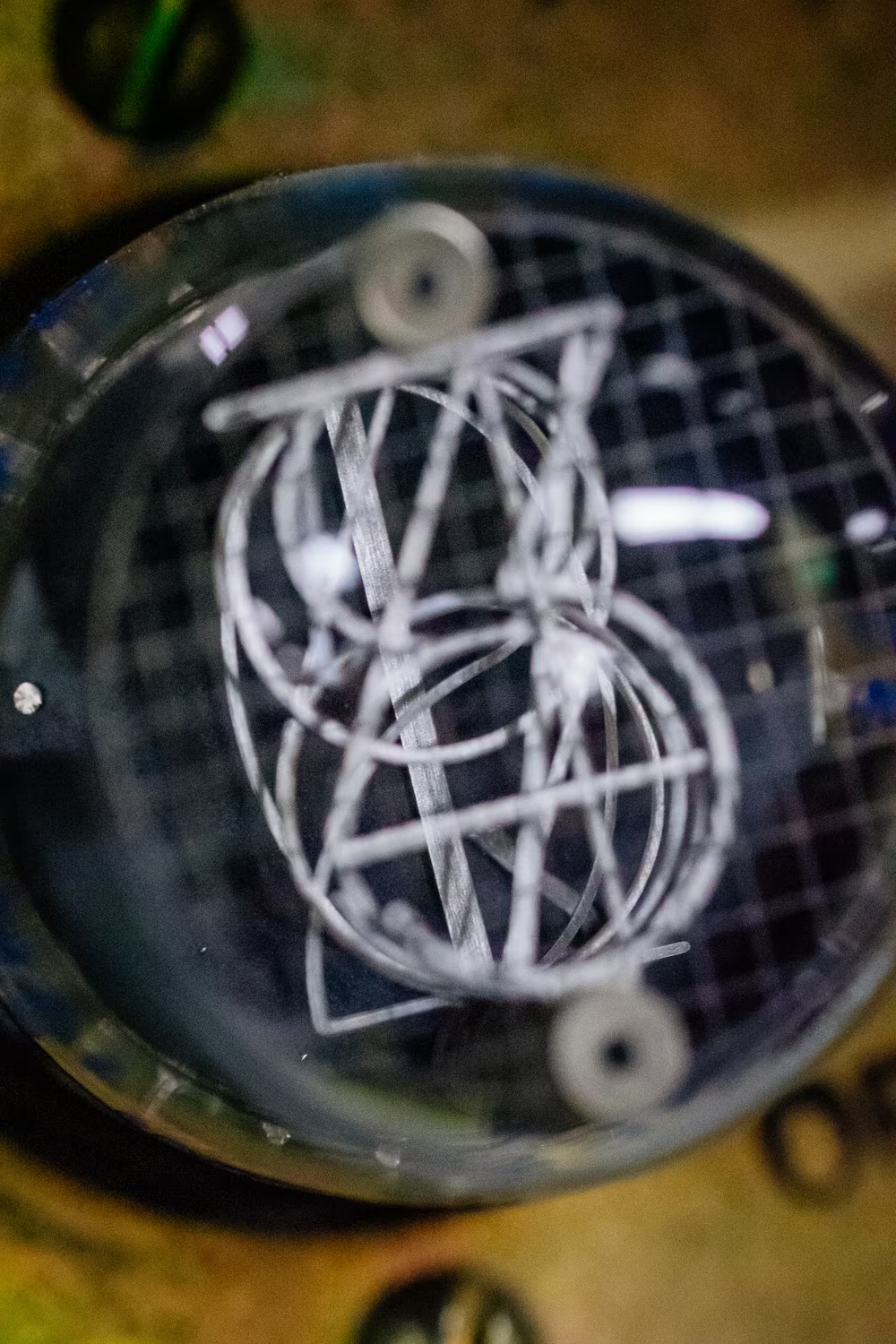
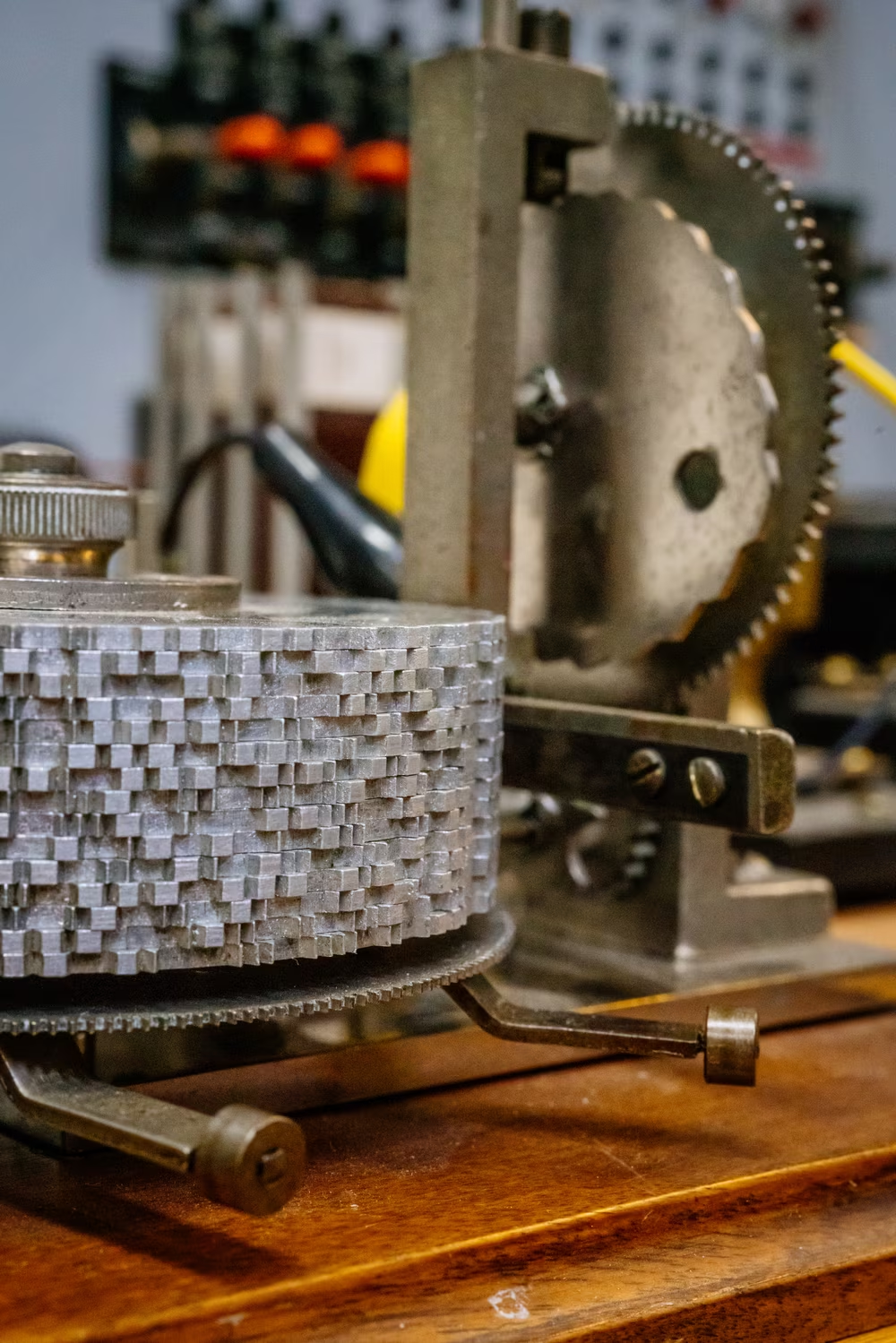
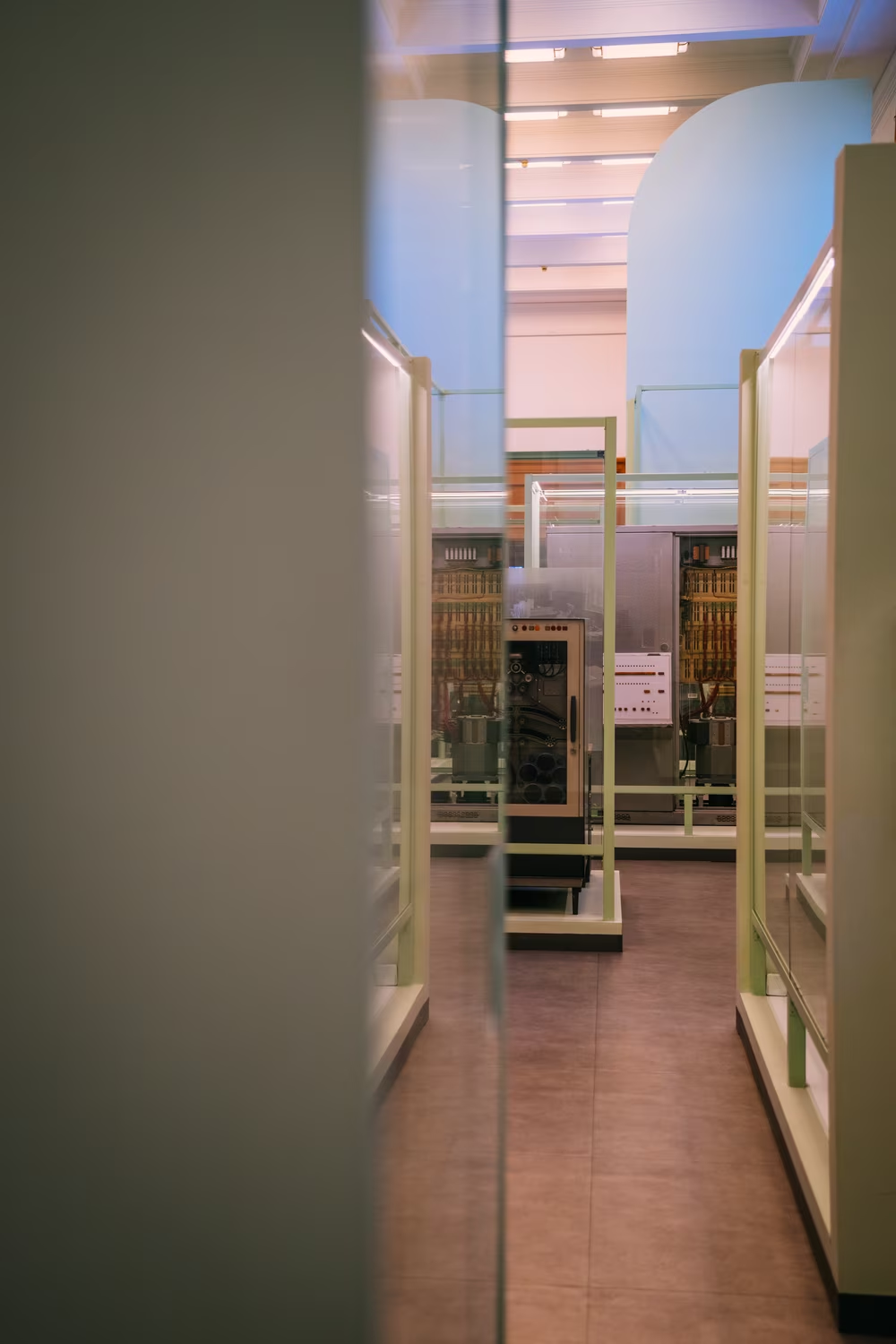
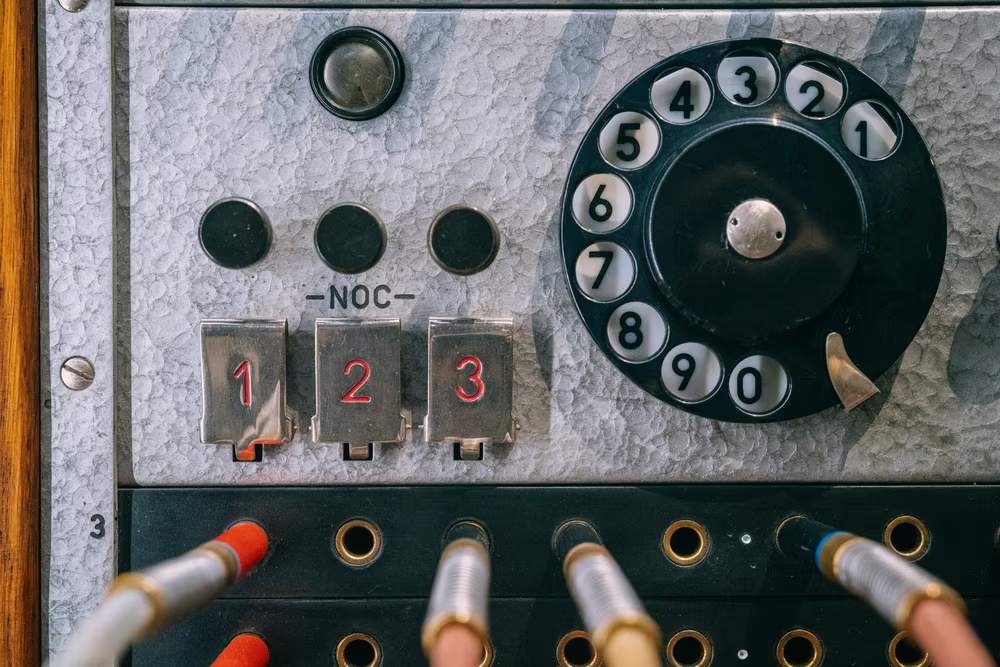
It’s a fantastic vibe, walking around among tall stacks of technology that occasionally wake up clacking right next to you. There’s a certain scale (huge) and feel (electromechanical) of old machinery that cannot be captured by online photos – but you can experience it in person here.
Each of the two museums also hosts a more traditional exhibit in an adjacent room: a general story of telephony and related technologies. In both cases, there is more than you would expect.
U-Bahn-Museum Berlin
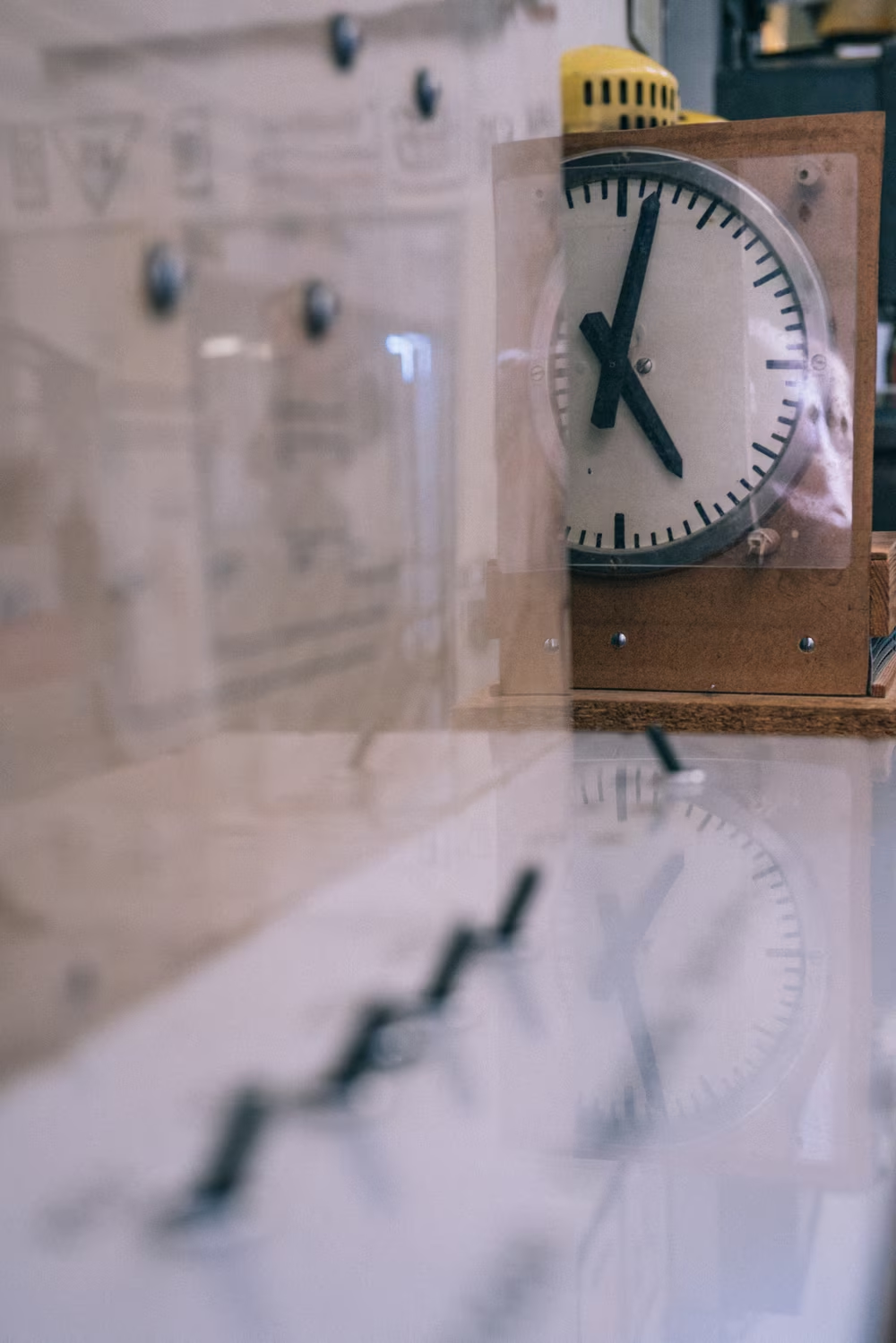
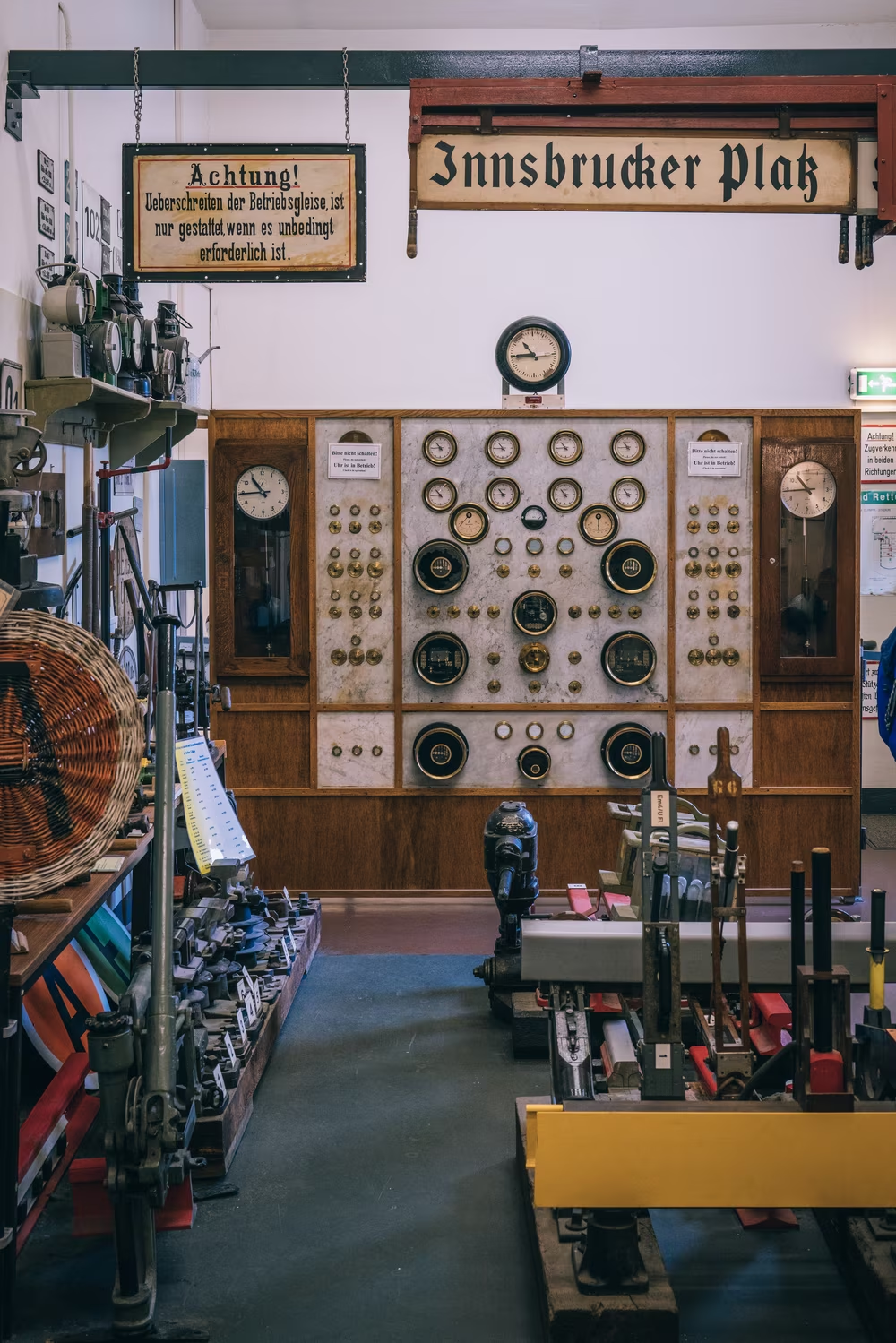
My experience with this museum was colored by the fact that it’s only open once a month. When I visited Berlin, I only thought about searching for a transport museum with two days to spare… and it just happened to be open on one of these days. Talk about some lucky timing!
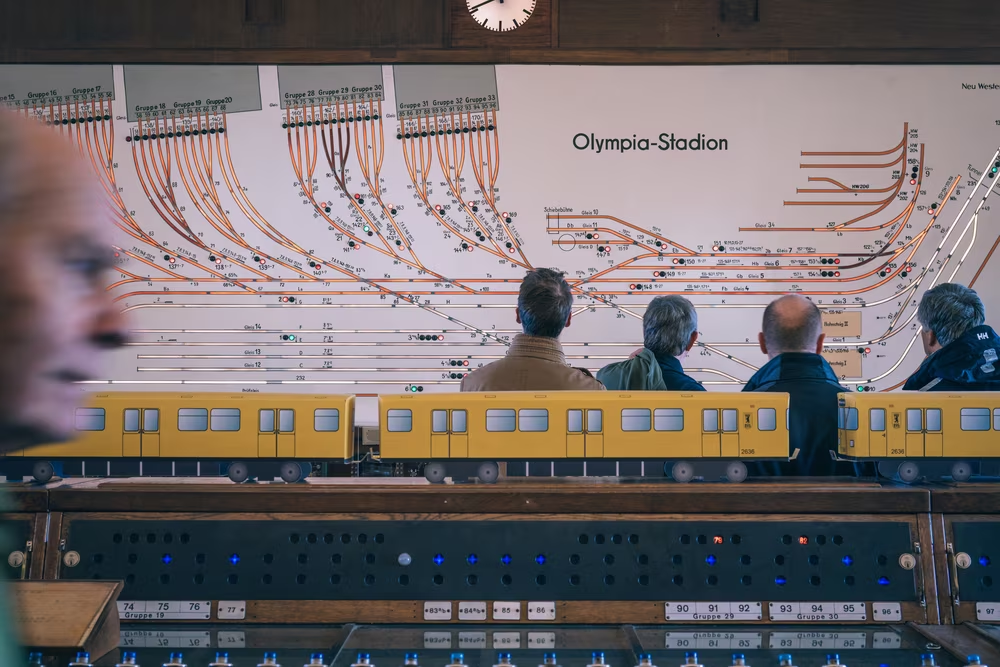
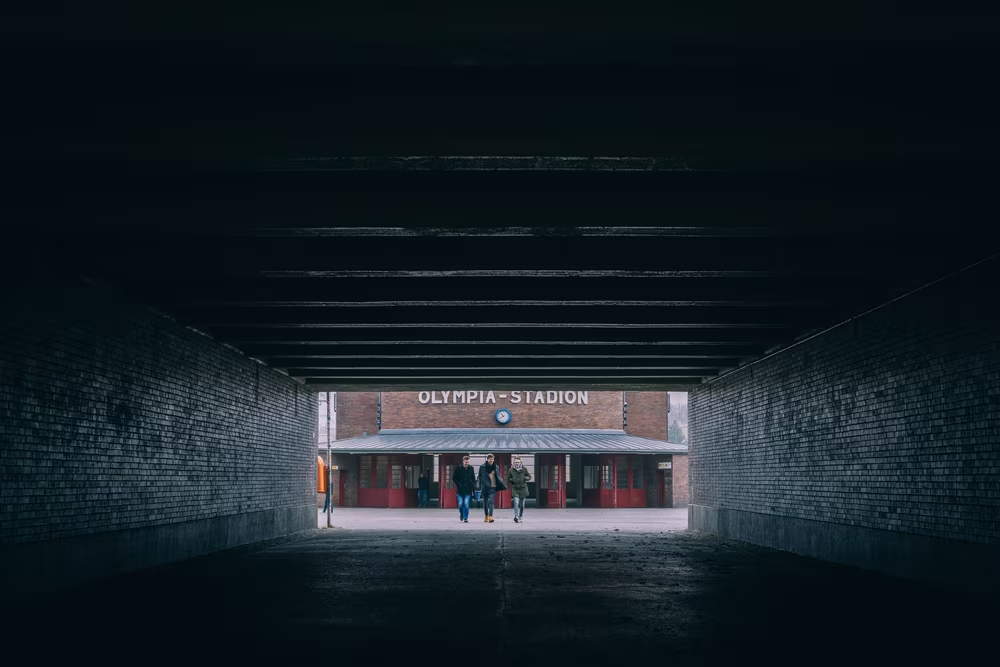
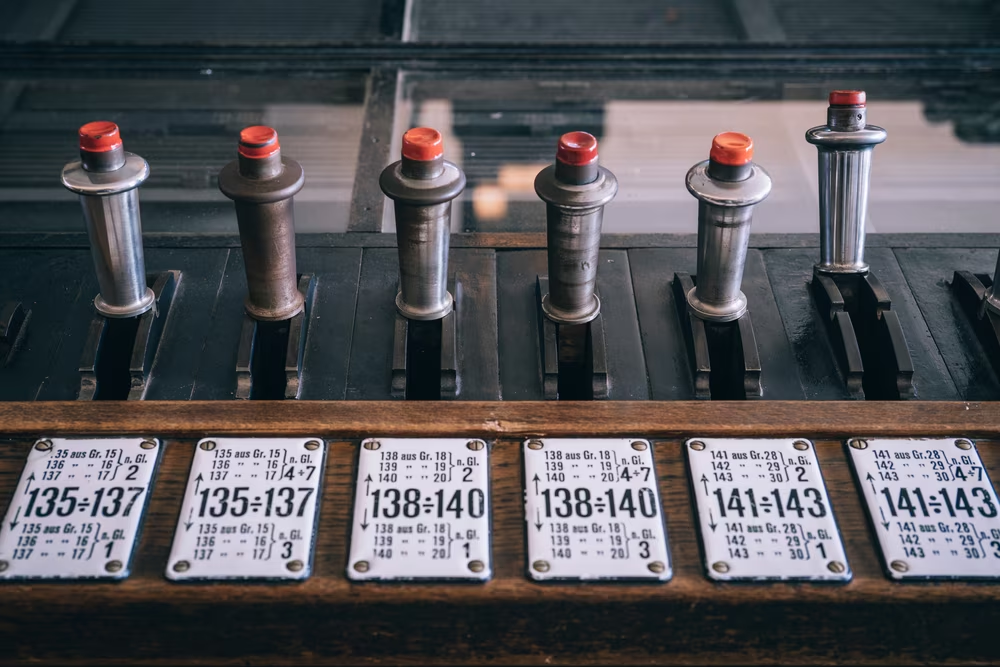
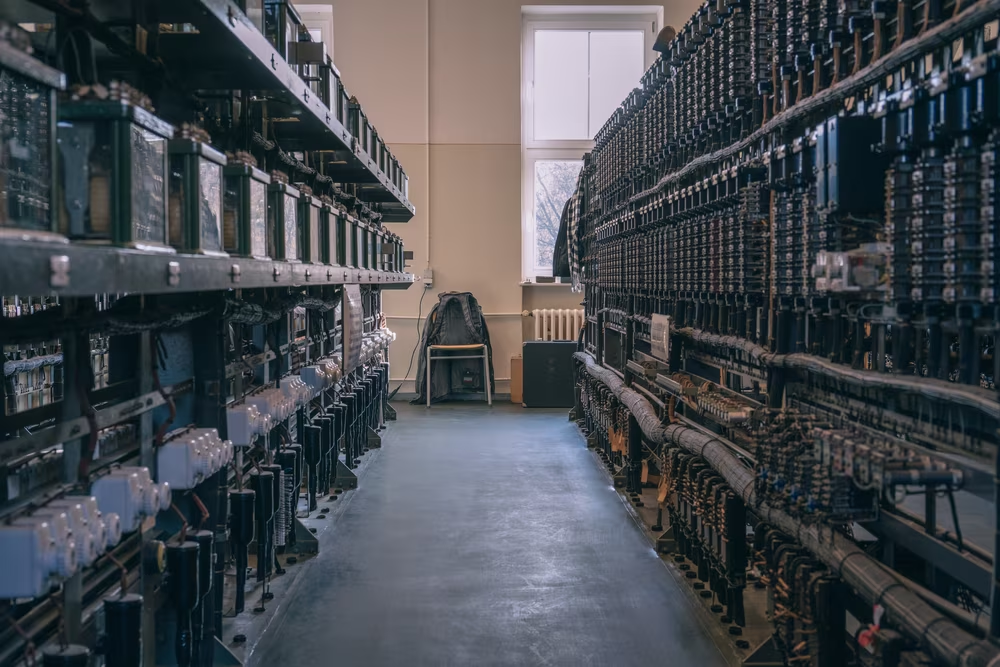
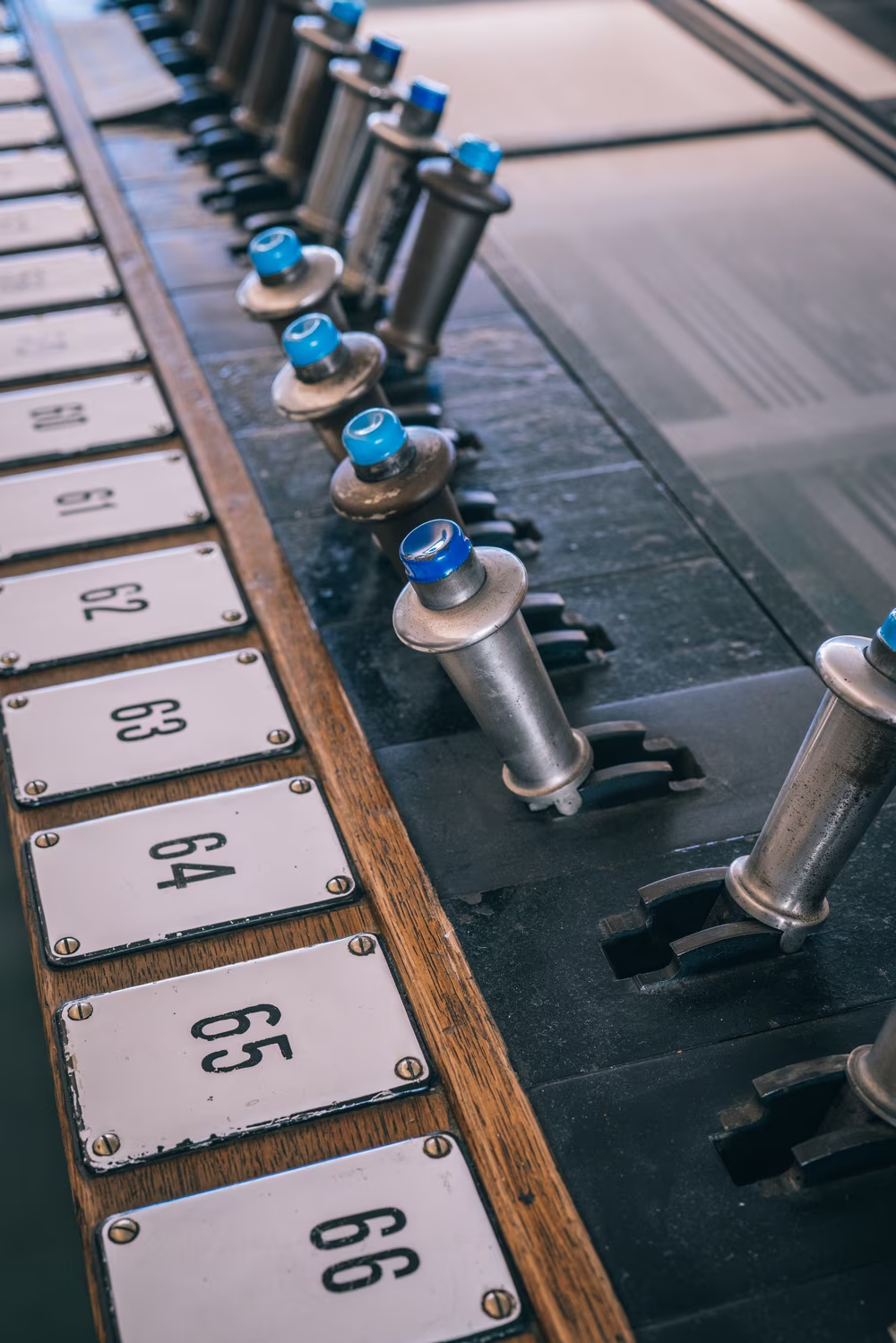
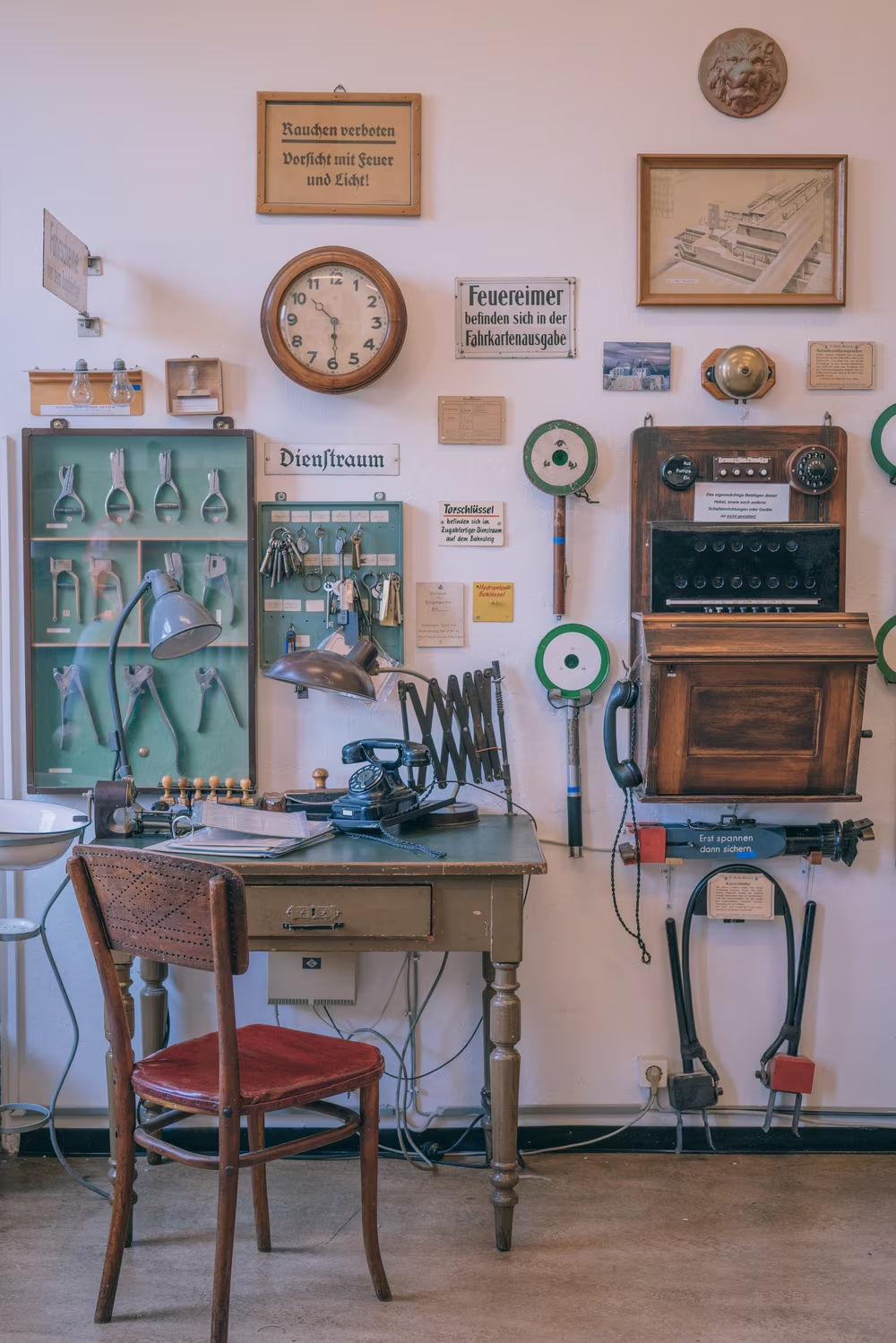
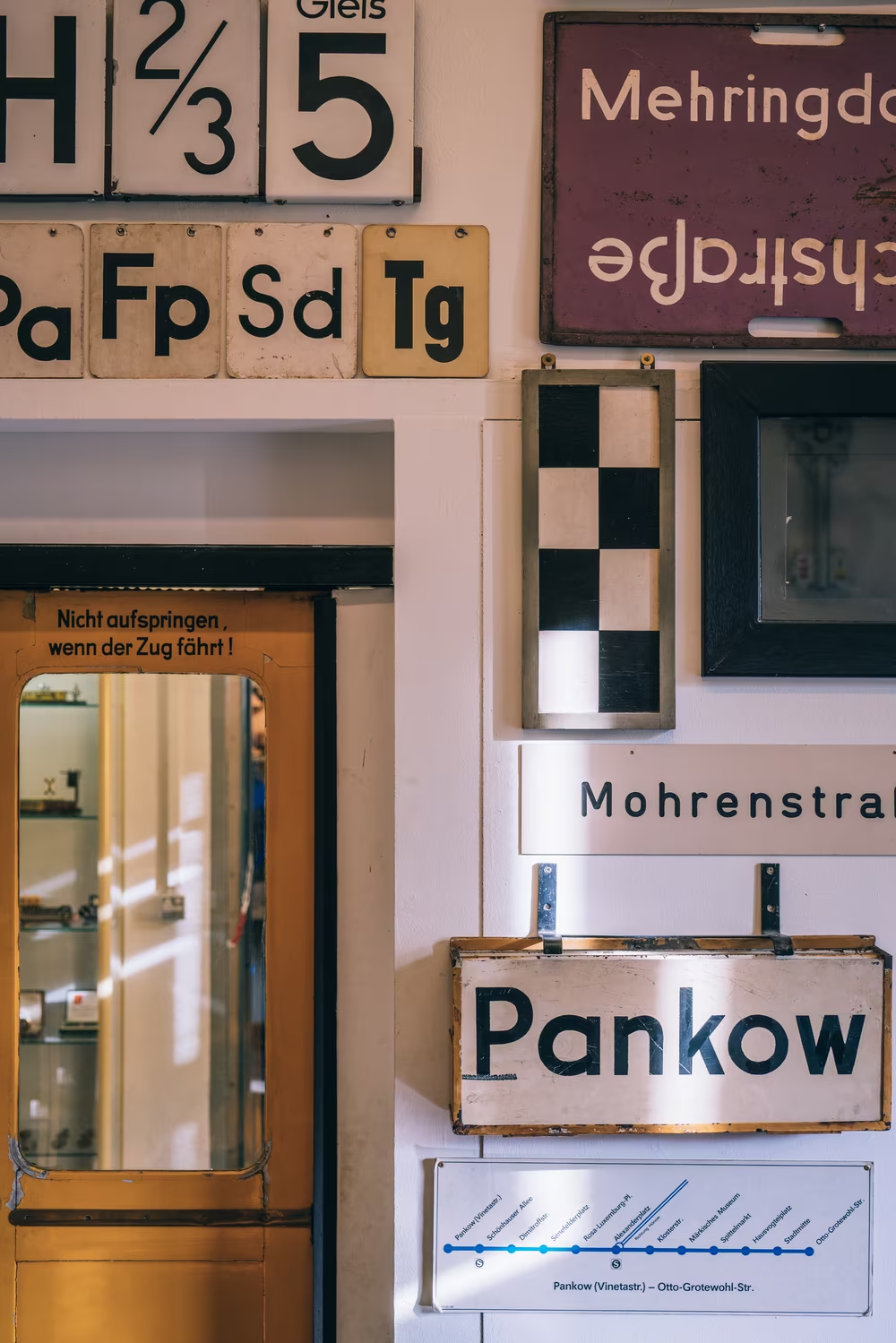
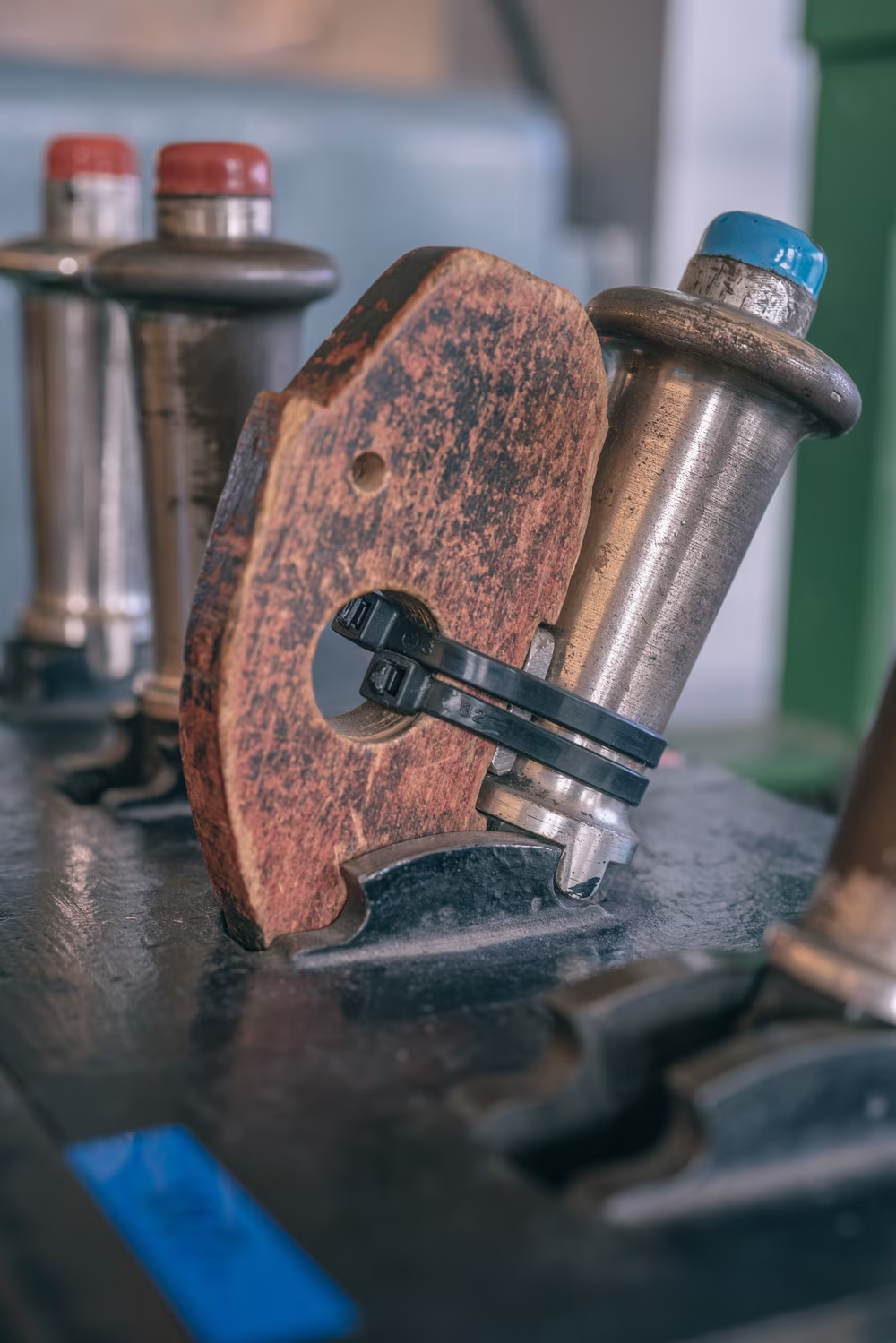
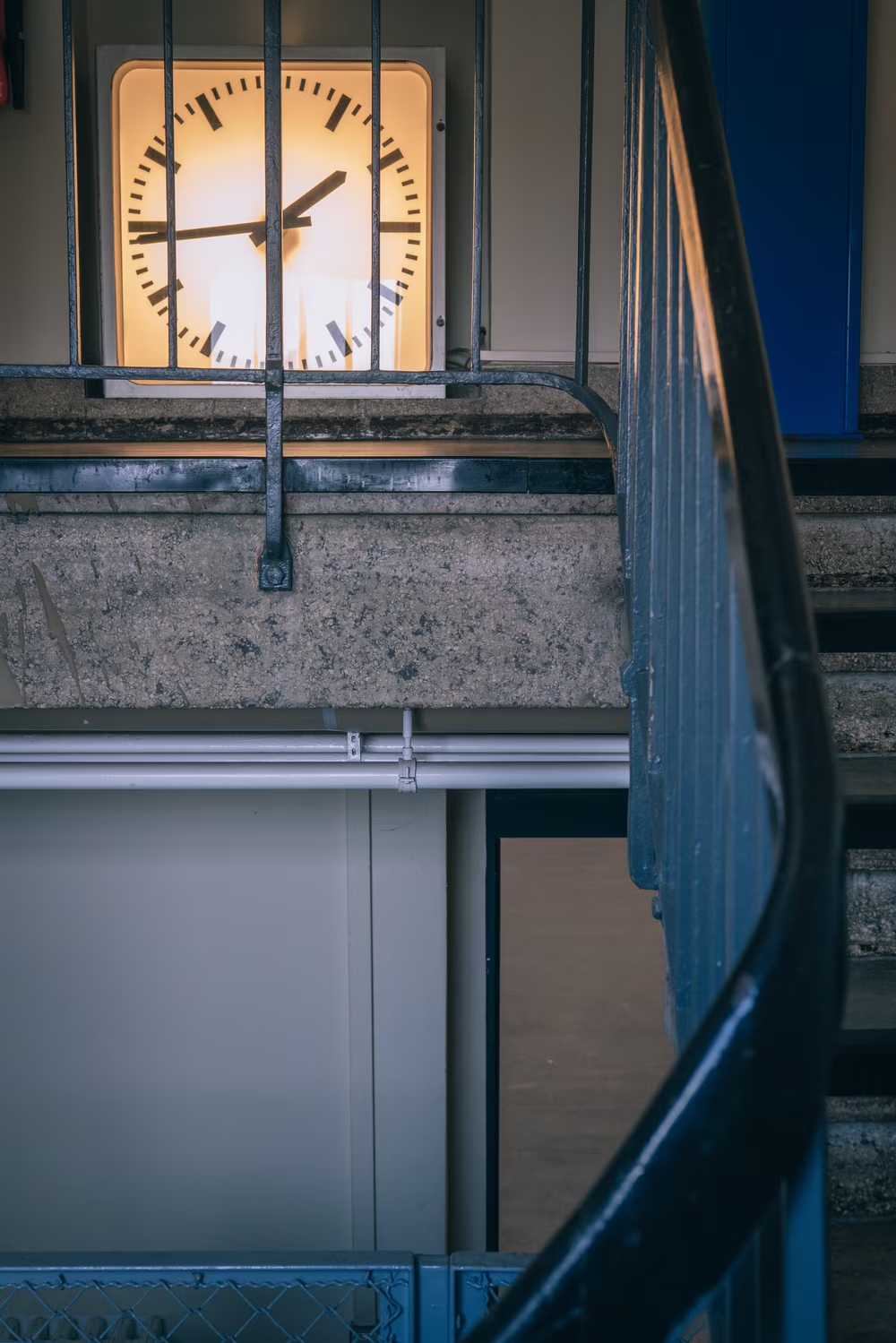
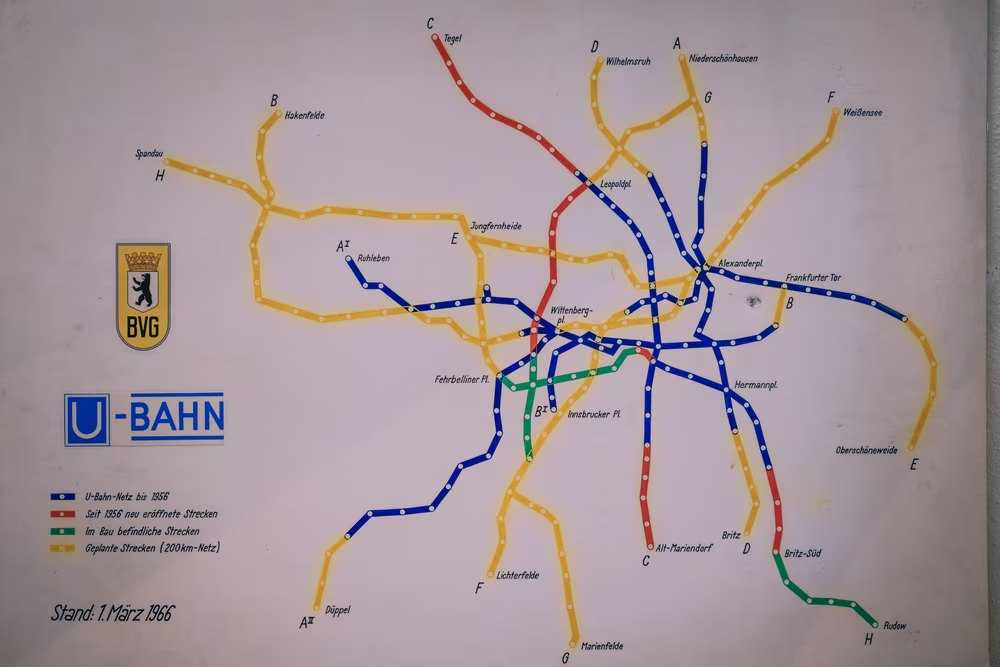
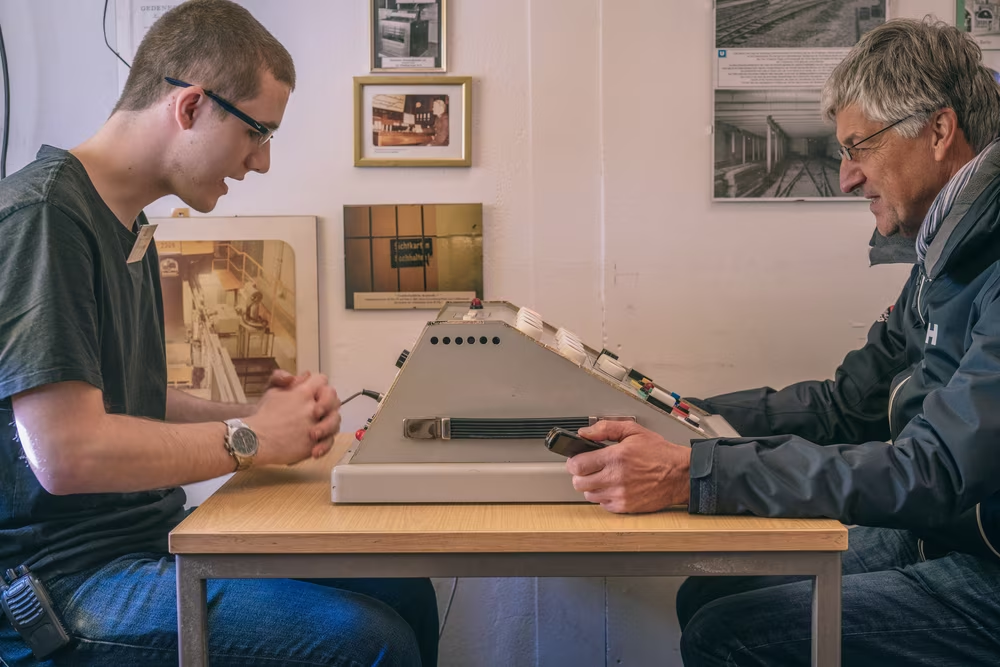
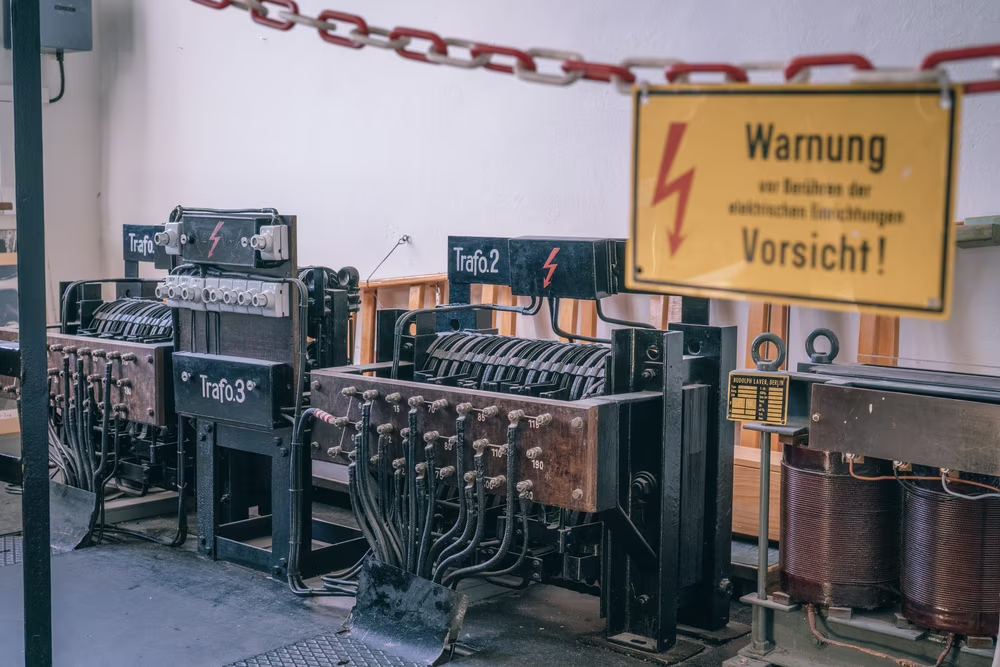
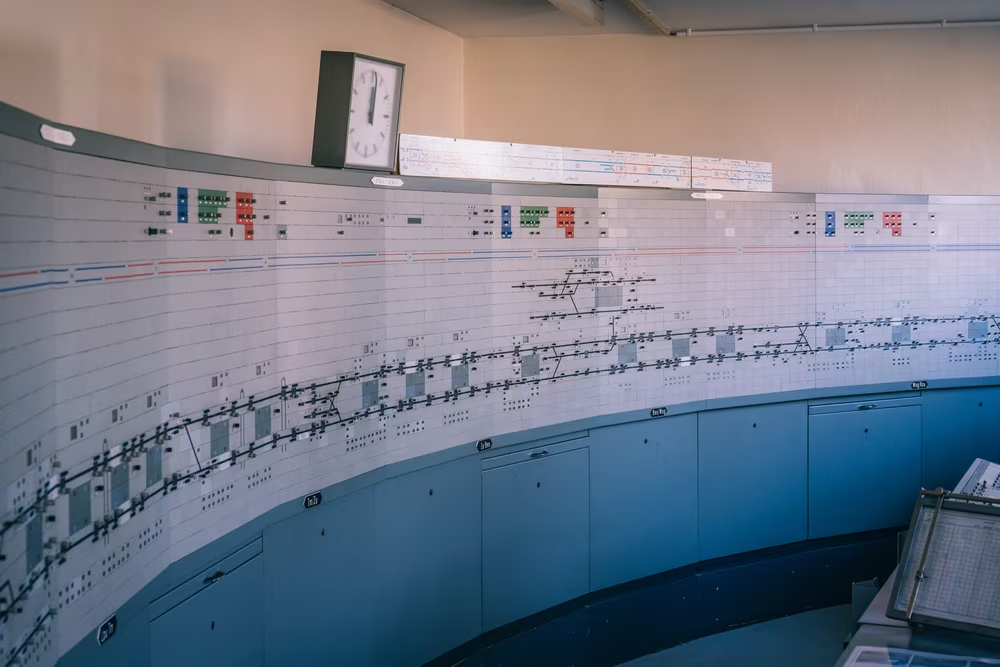
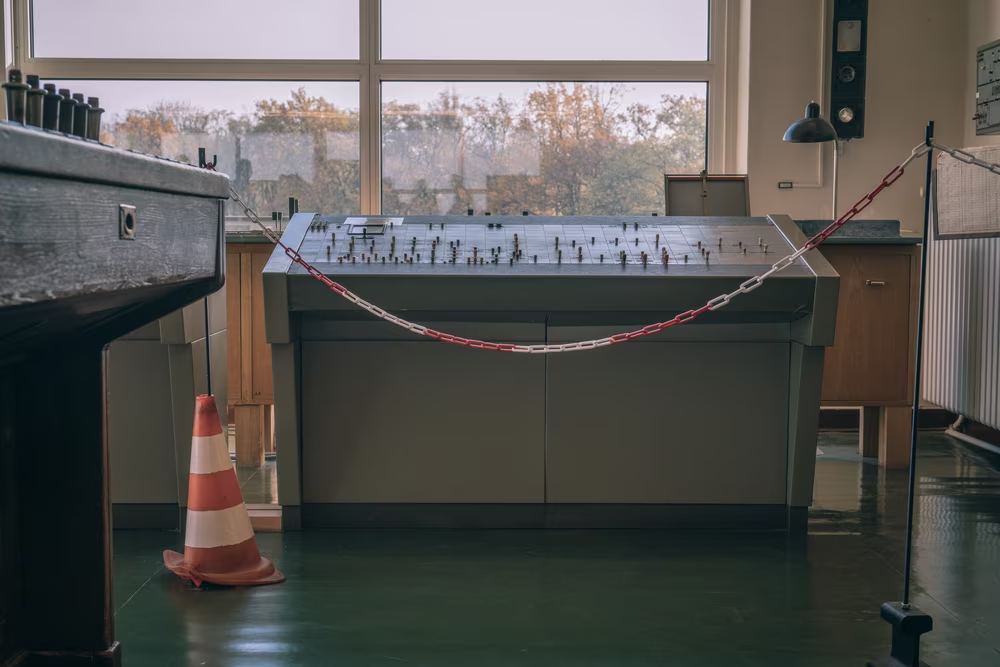
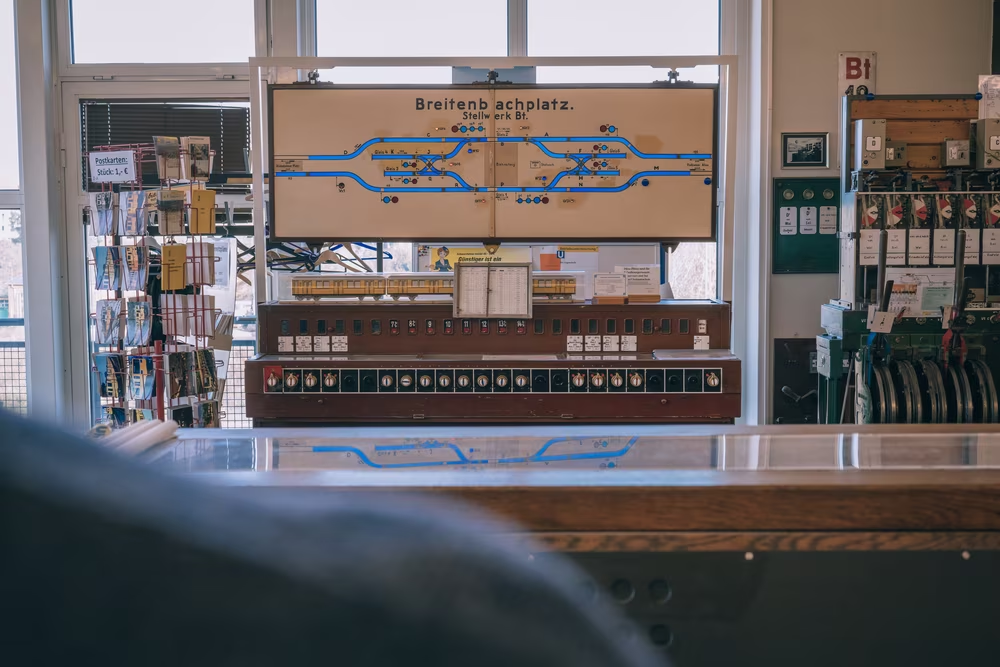
This museum is basically a time machine, an old subway station building preserved and in many ways left intact. There is little information around; I bet this functions more as a place for docents to shine.
But still, so much great texture! A beautiful building, old machinery, porcelain placards with exquisite German typography, the clocks, the lights, the colors… That alone elevated it to something wonderful. I could soak in this forever.
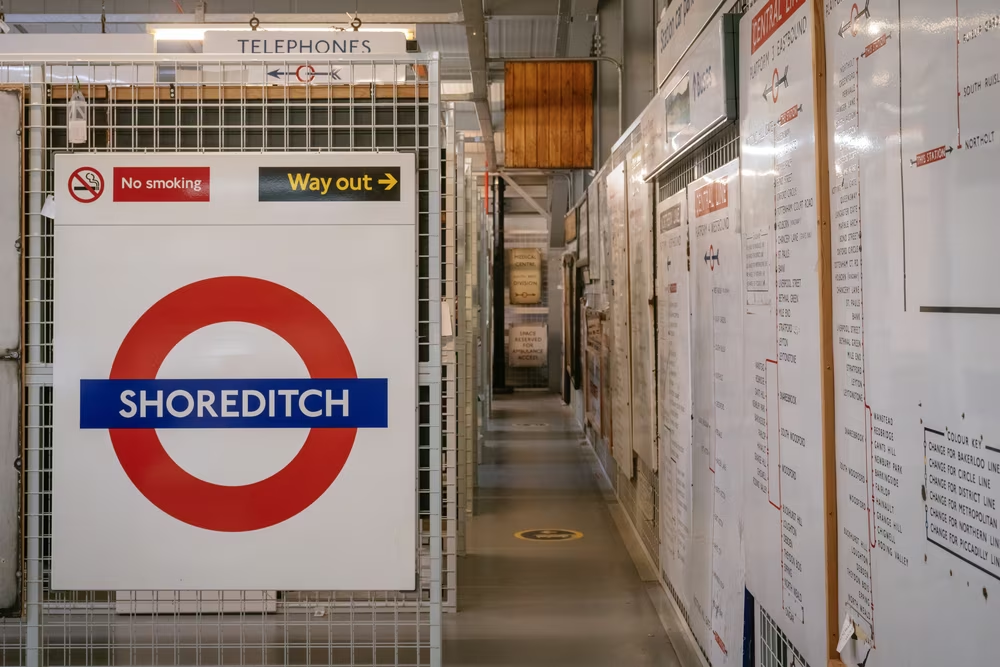
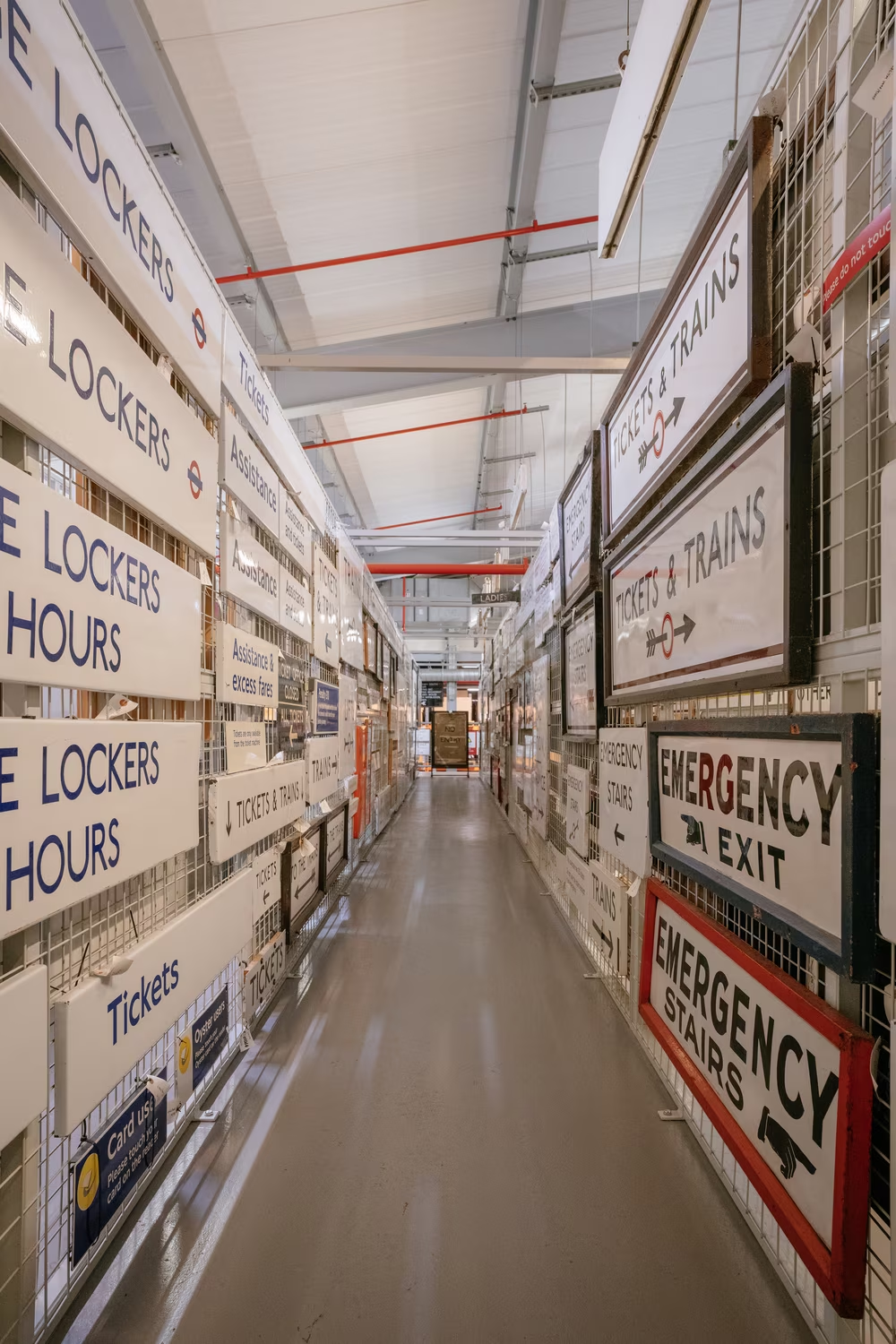
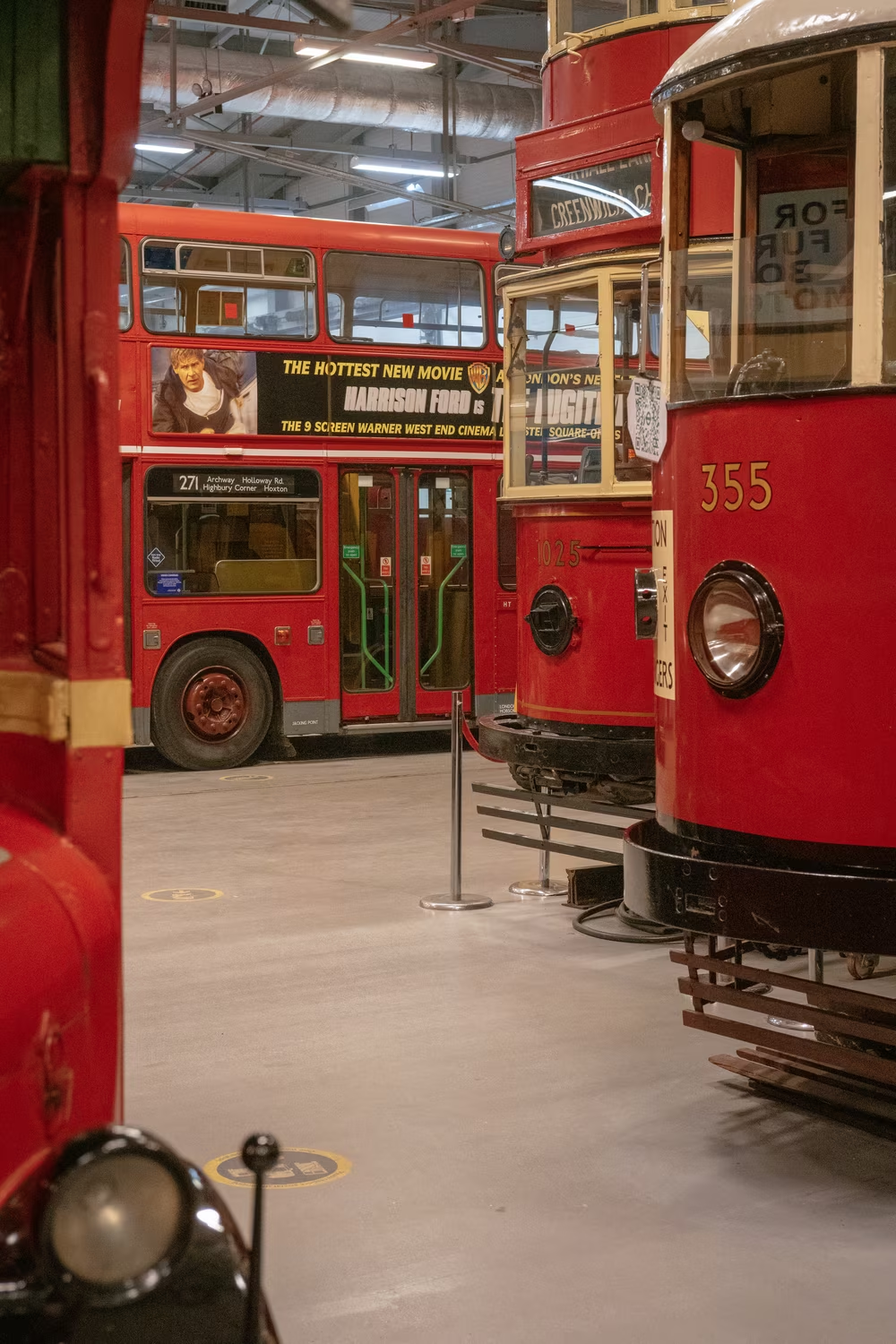
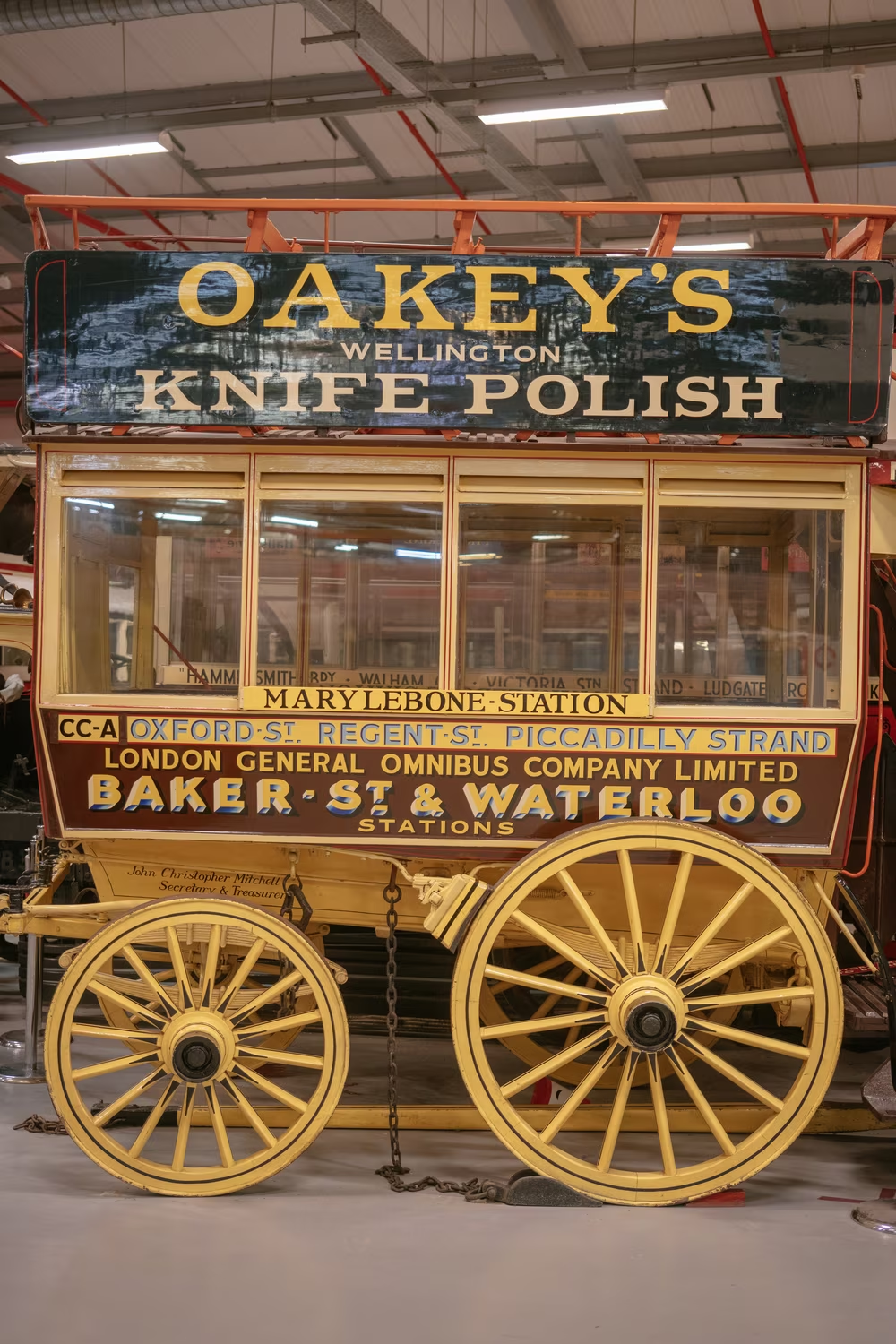
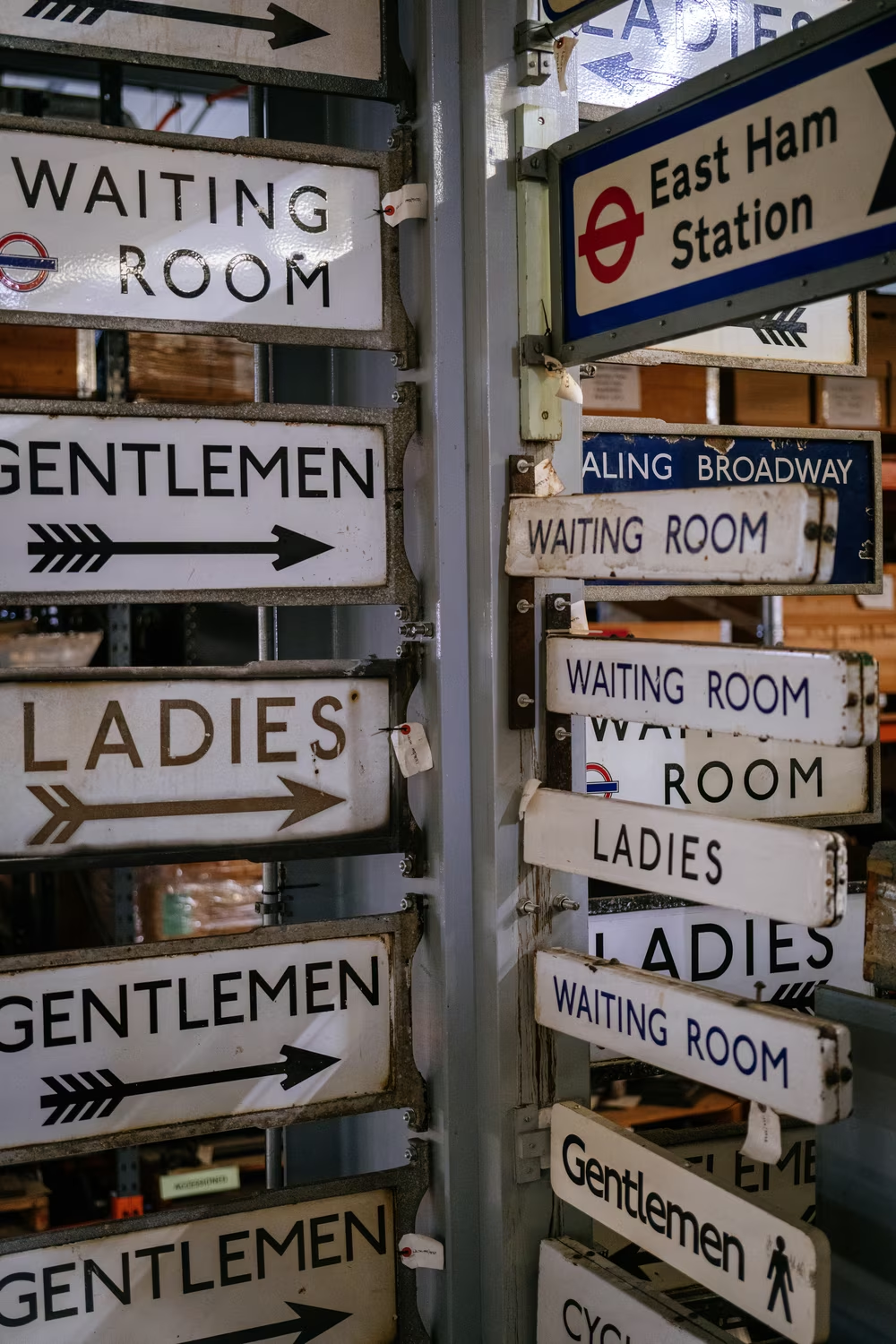
London Transport Museum (Acton Town Depot)
I always thought the London Transport Museum in Covent Garden has an absolutely world-class museum store, but the museum itself is much too small.
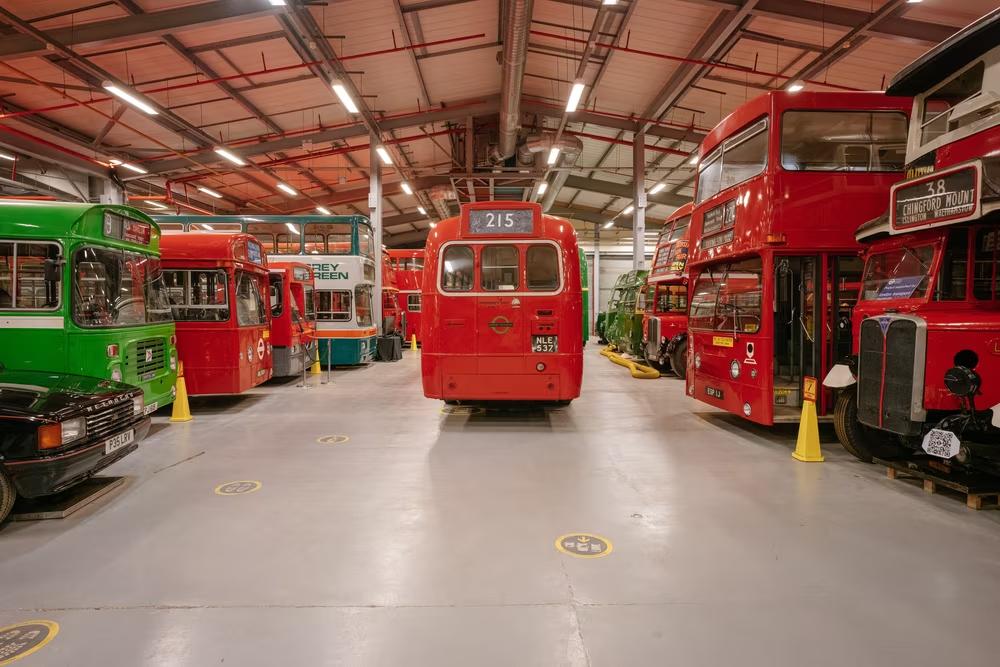
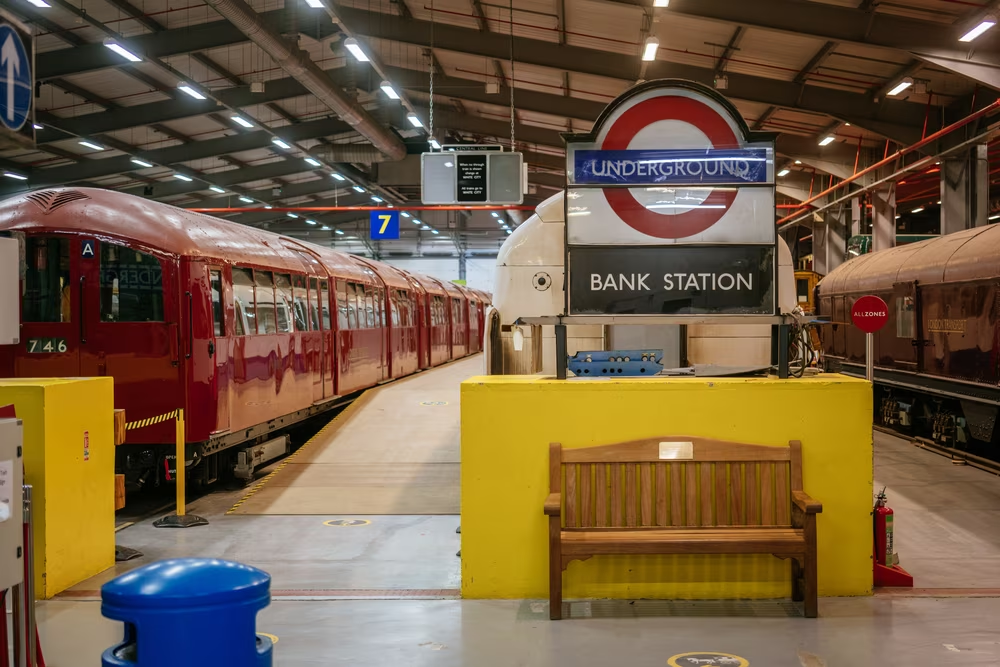
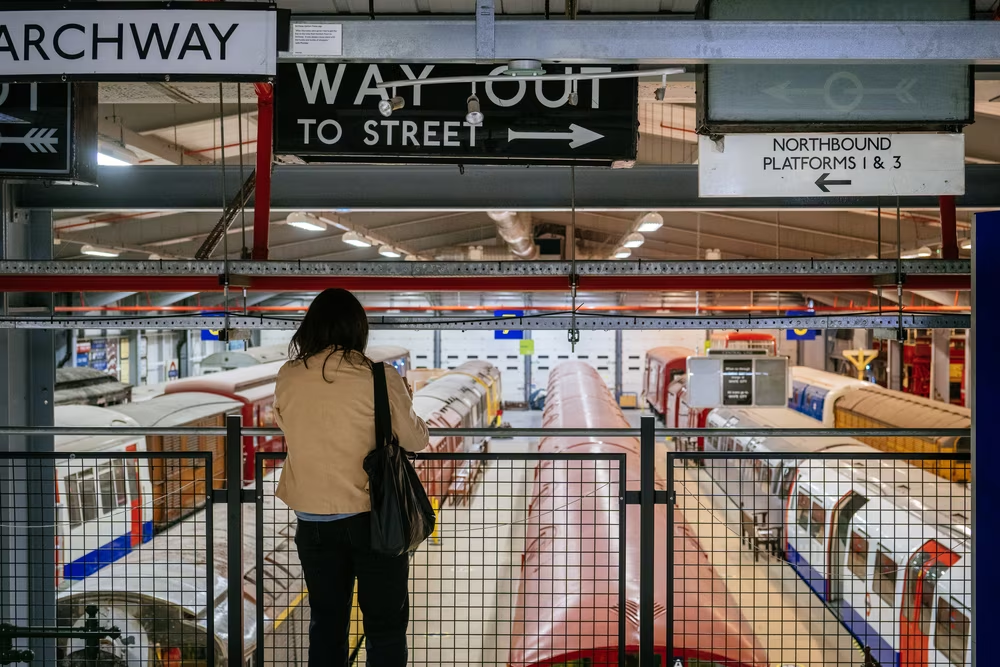
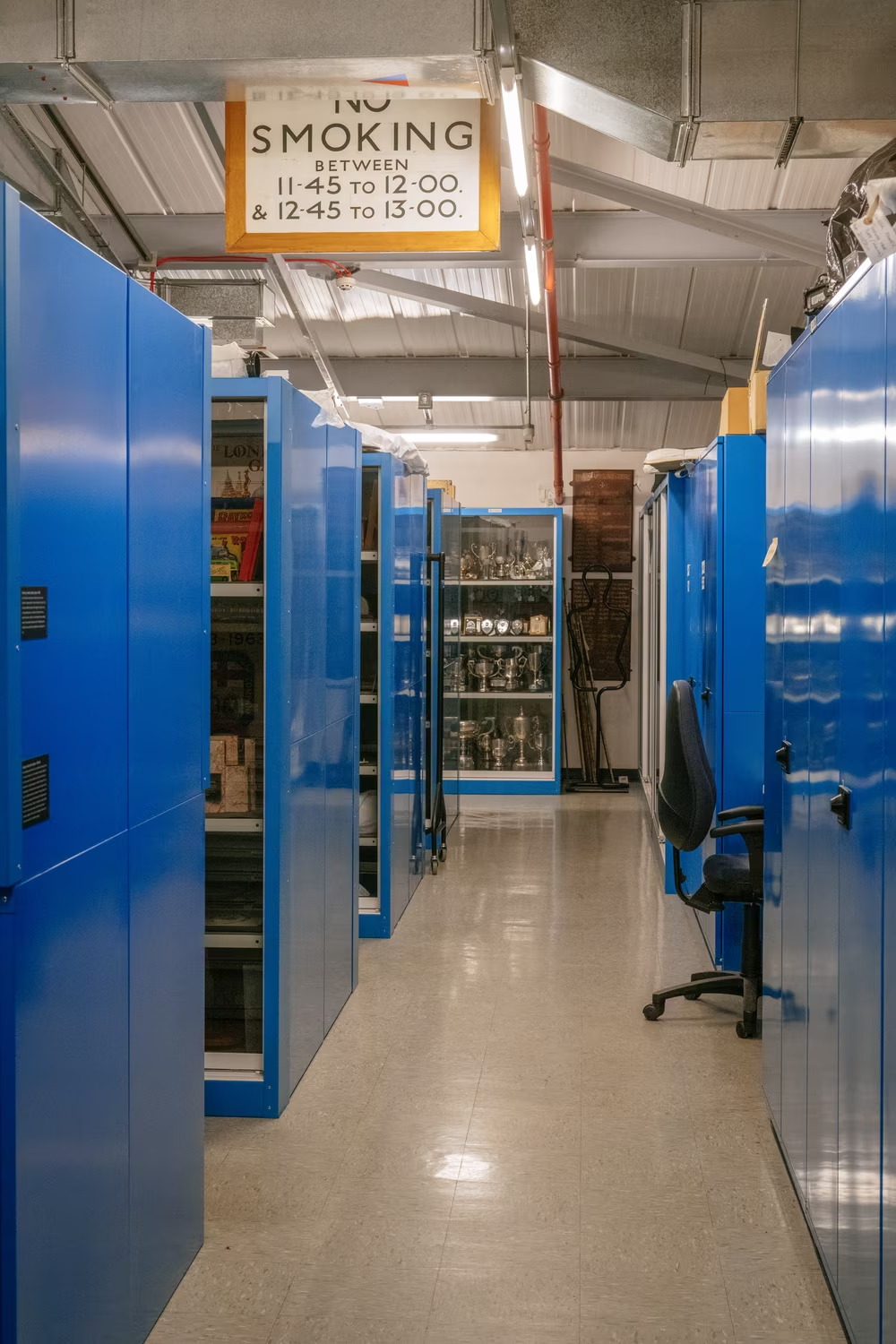
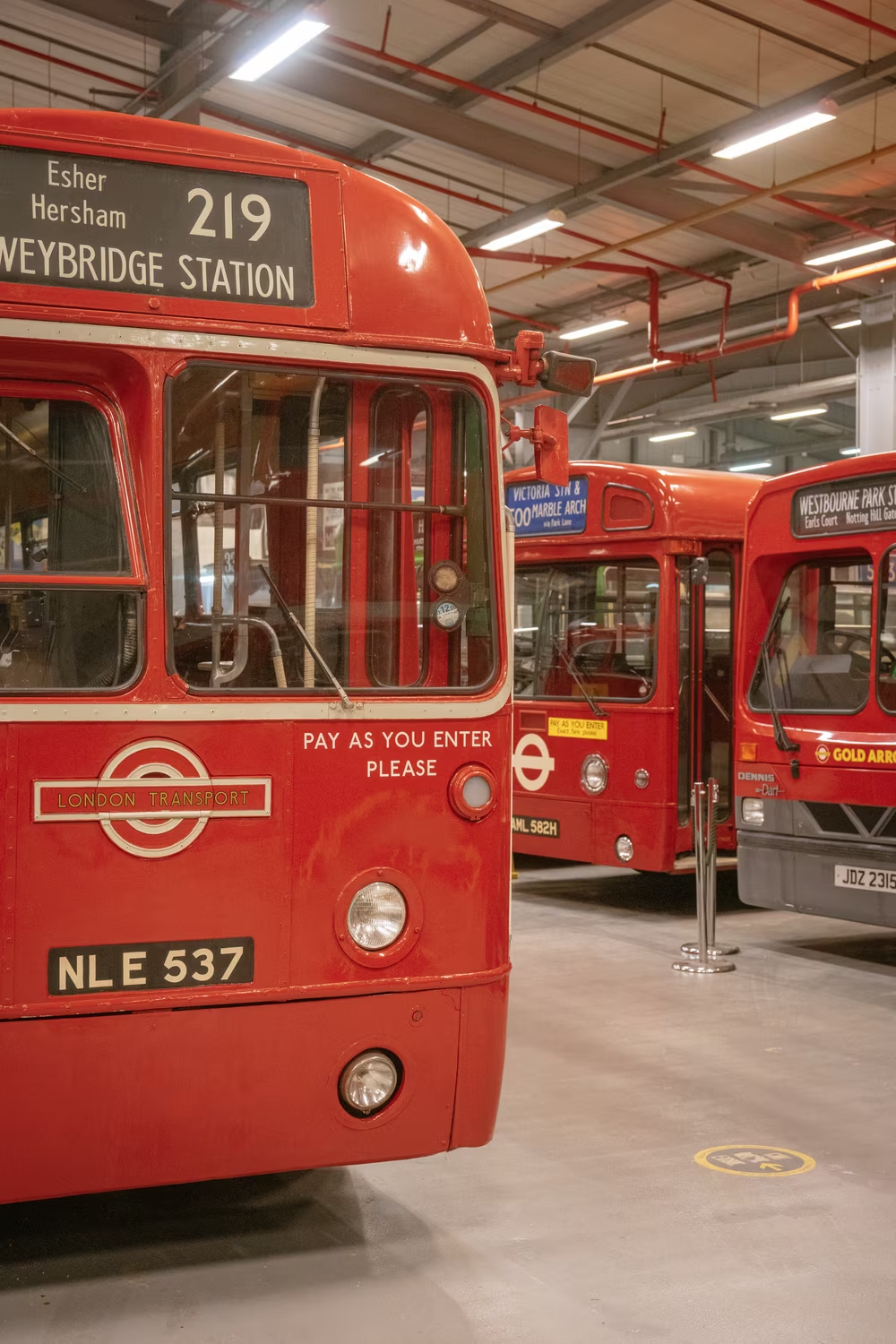
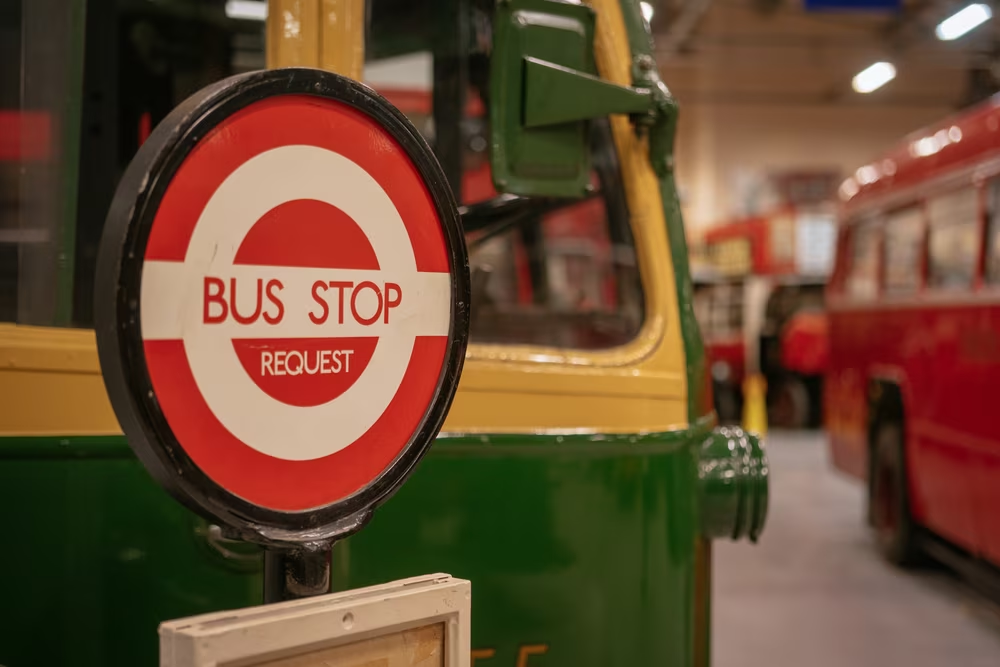
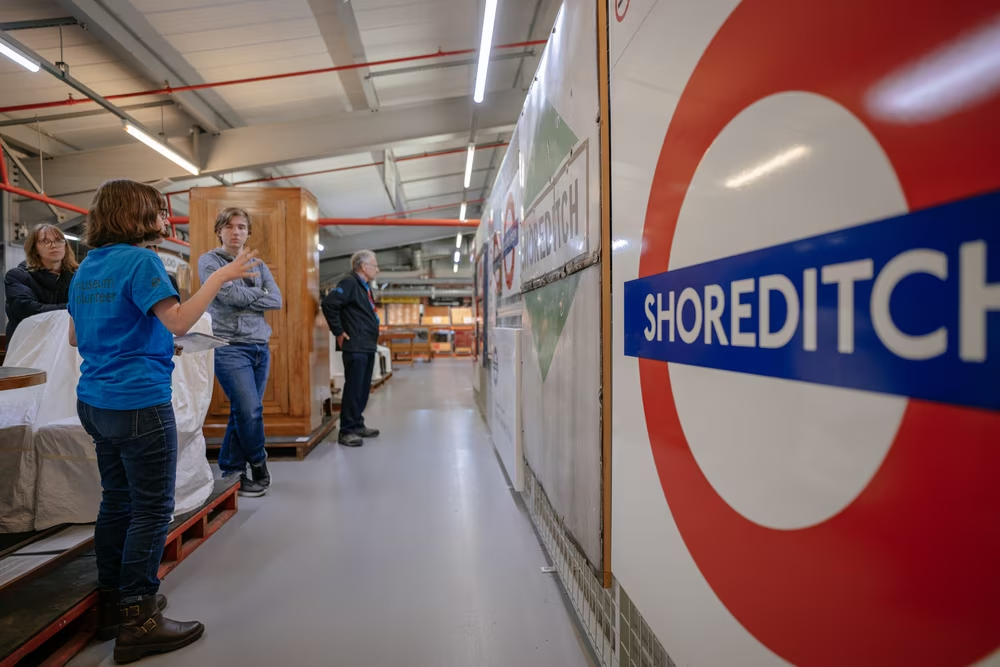
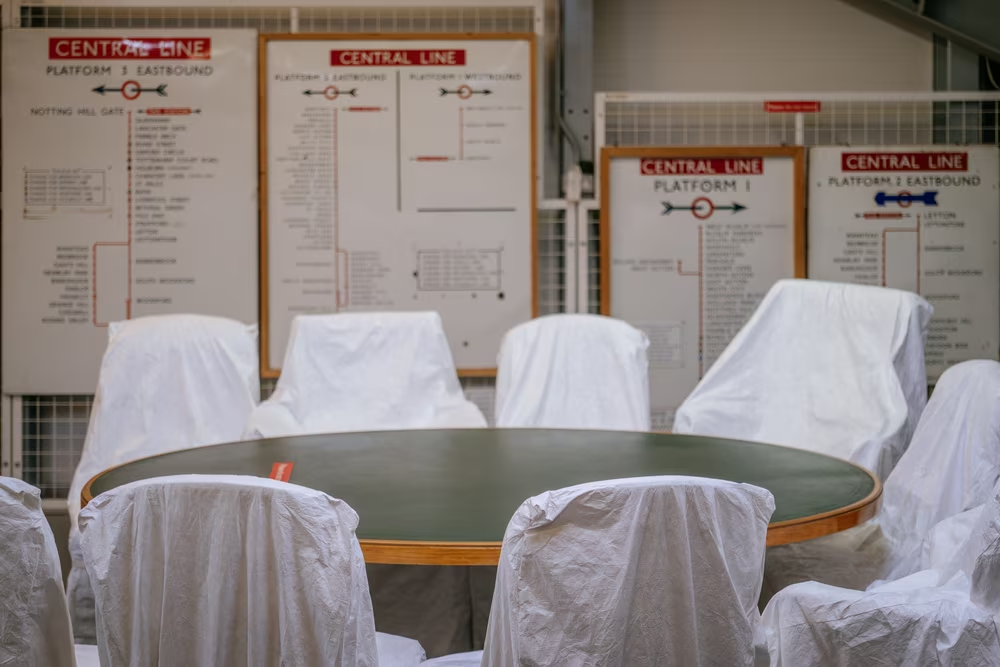
Turns out there they have an answer to that: a huge depot further out from the city center that you can visit on a tour by appointment, filled with vehicles and artifacts. It’s great, similar in nature to the Computer History Museum’s Visible Storage or Bonami I just mentioned above; this is where the strength of the collection is most of the allure.
The only downside here is that you can only move around semi-freely, as everything is a tour (although there are, apparently, also open days), but otherwise this is a great museum chronicling the stories behind possibly the world’s most fascinating transit system, satisfying both the hardware and the design sides of my brain.

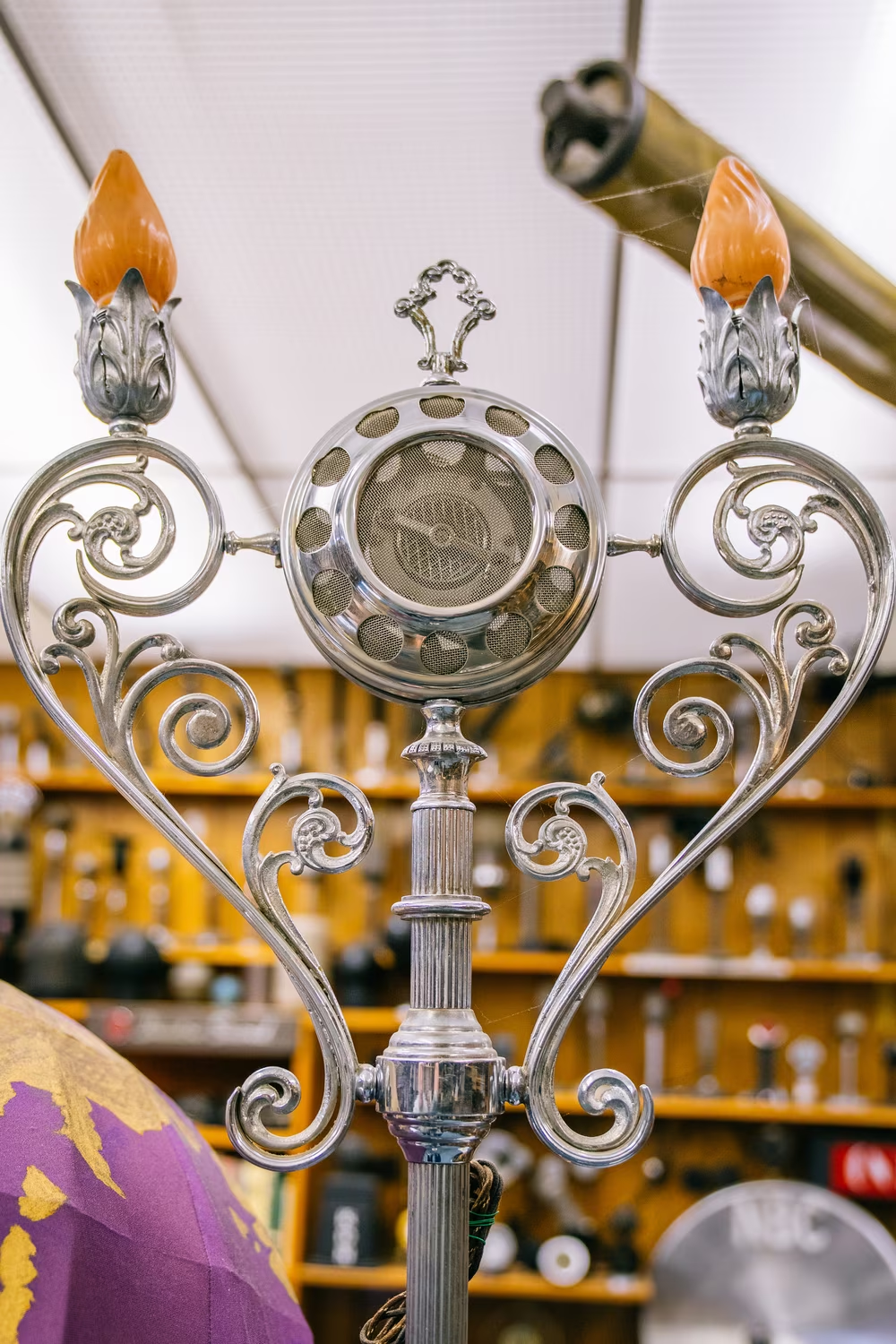
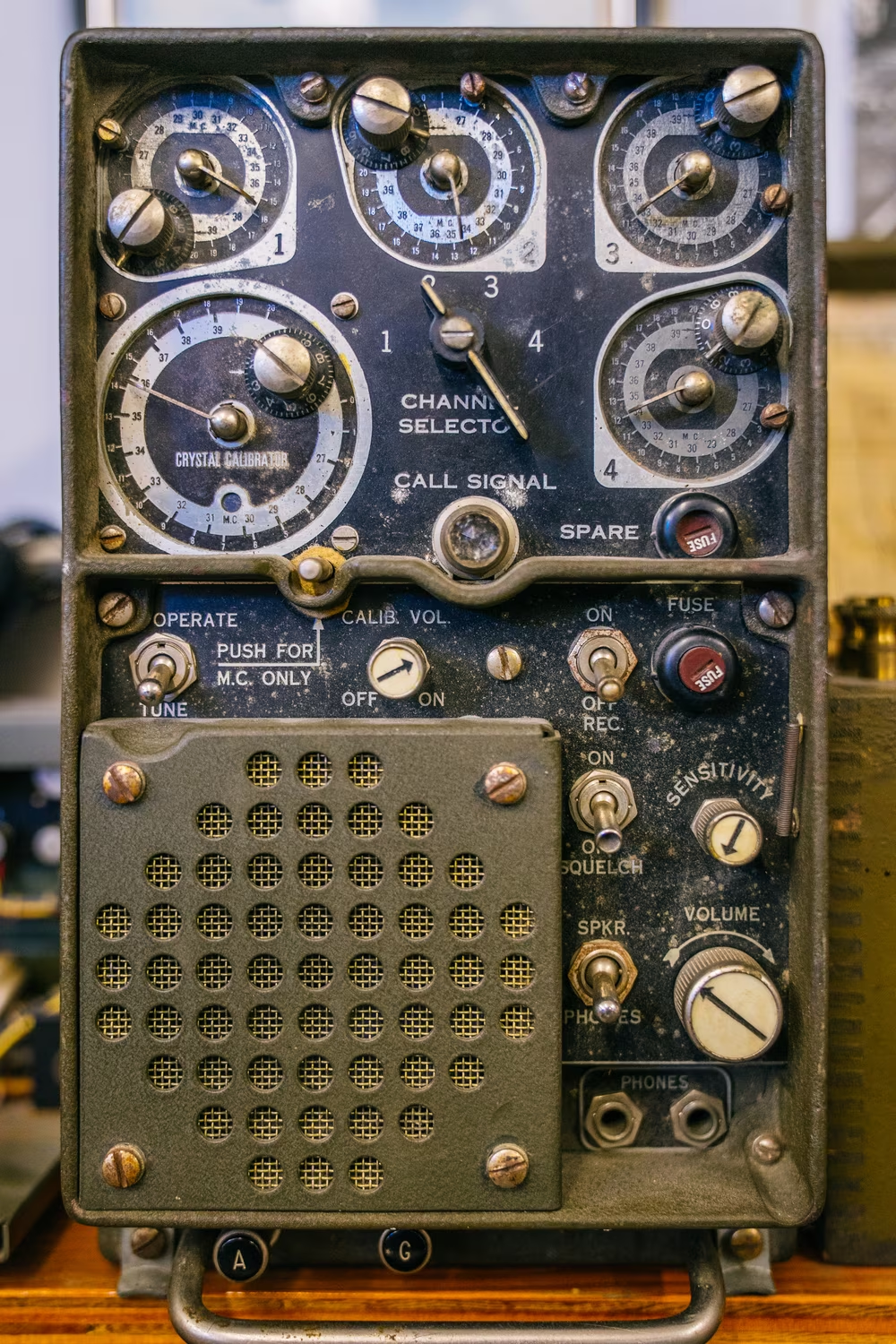
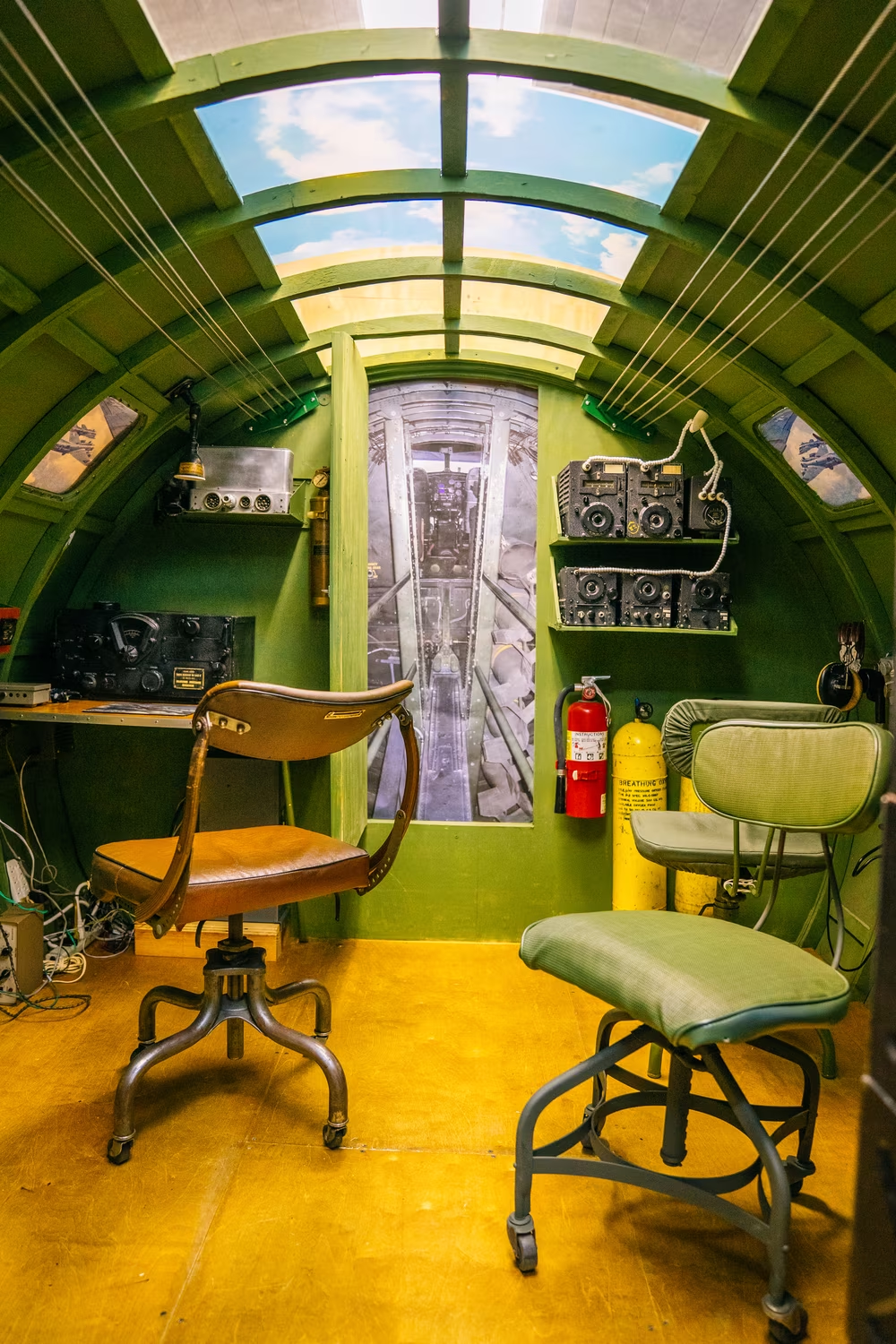
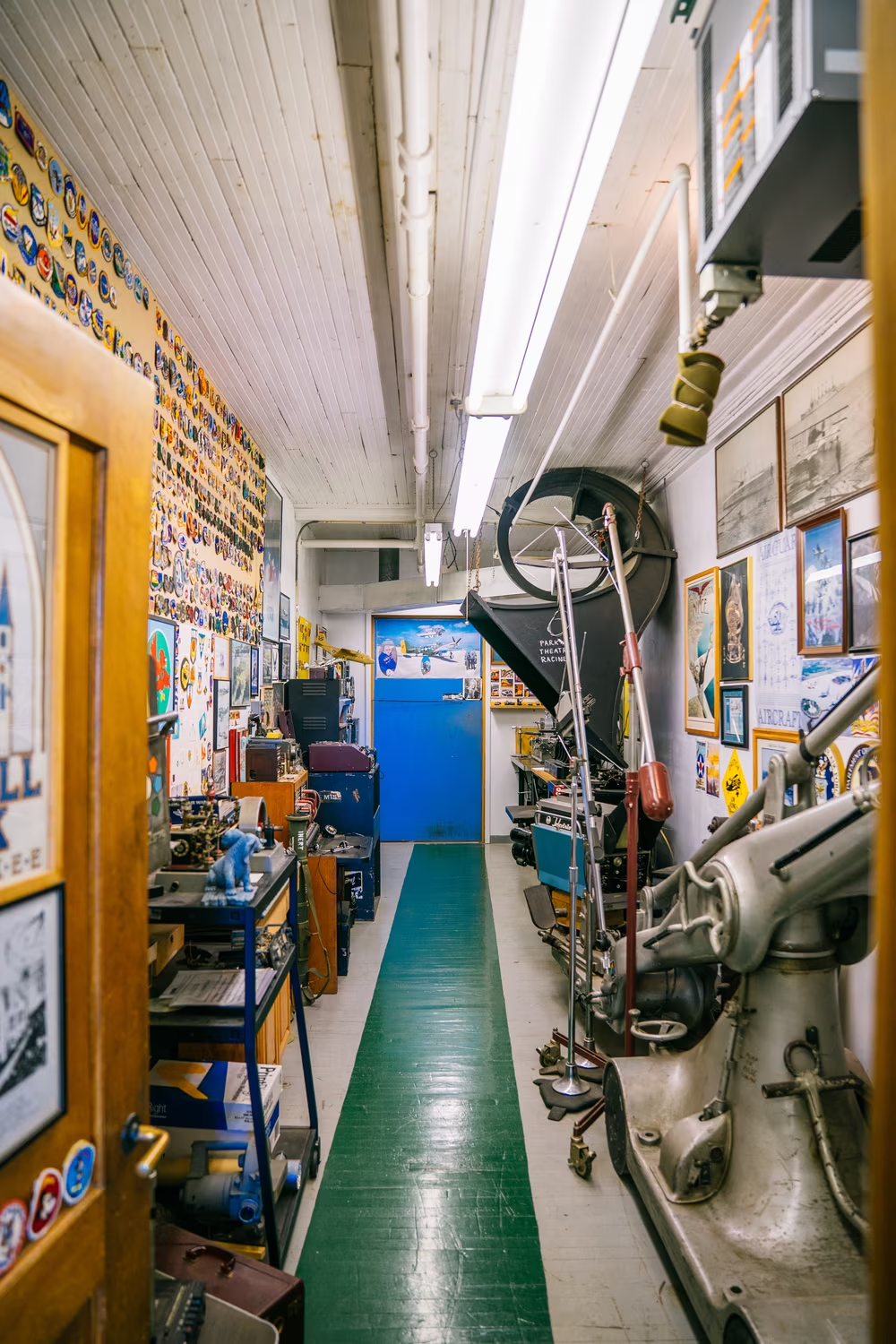
Bob Paquette’s Microphone Museum
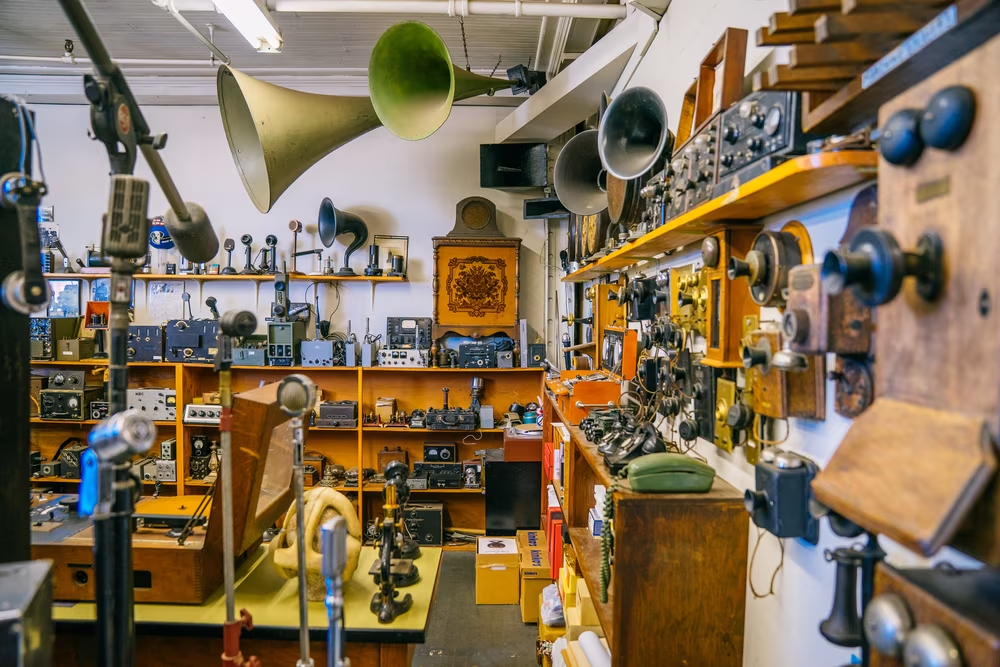
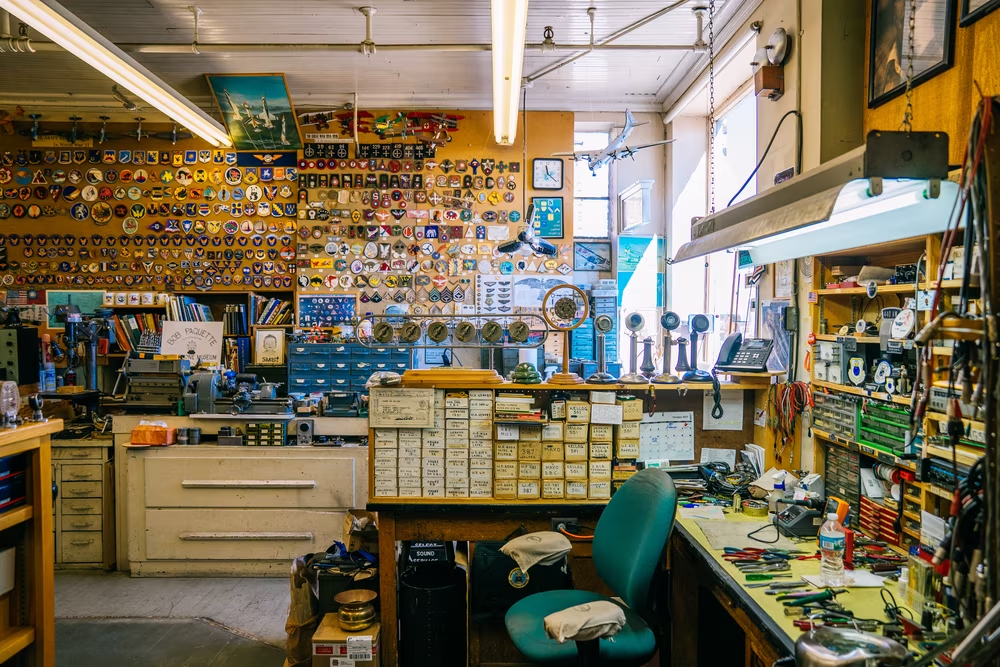
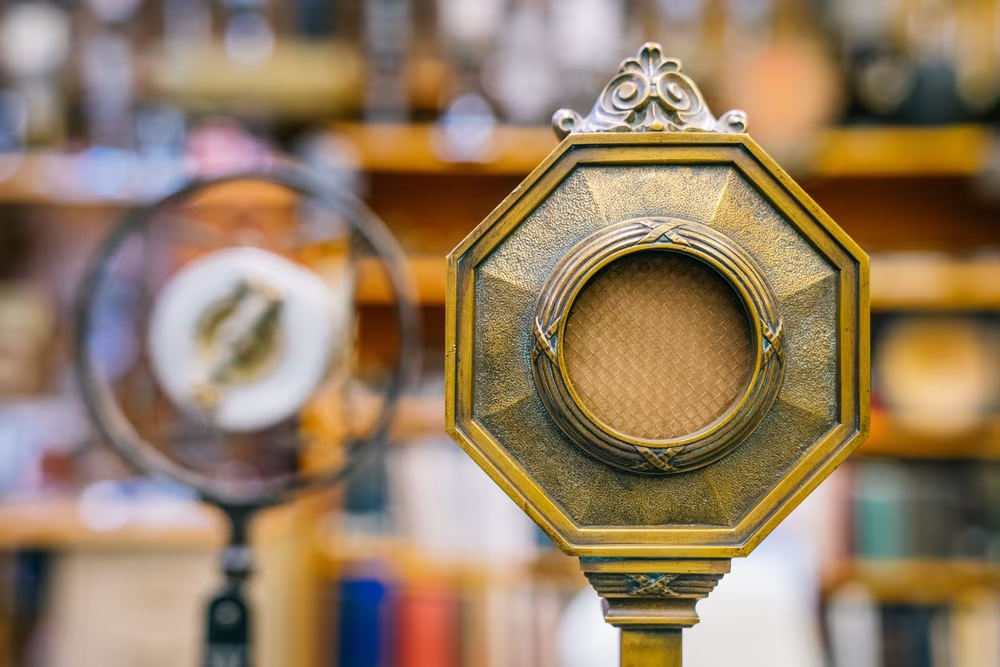
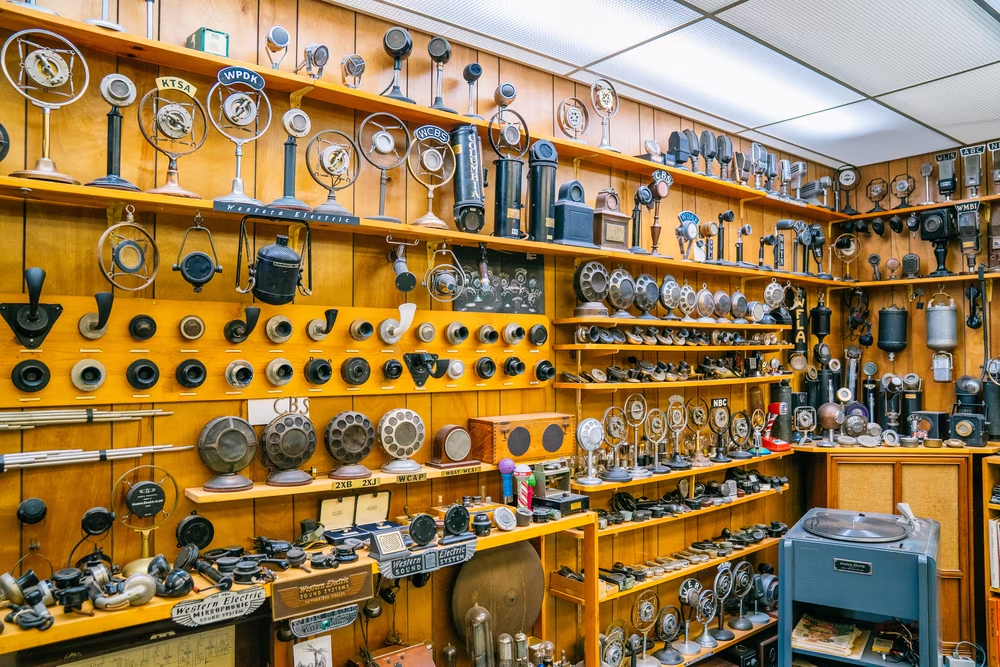
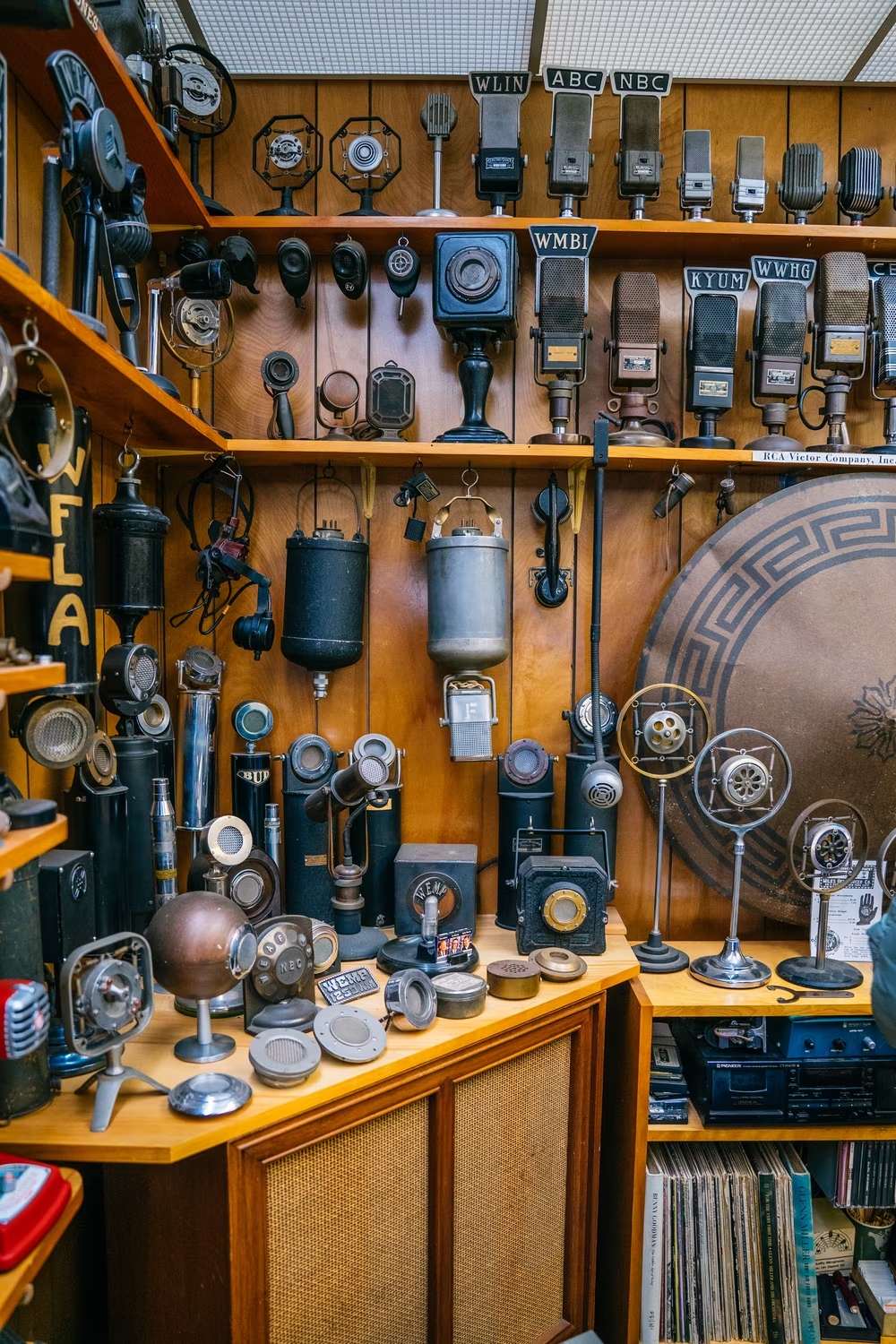
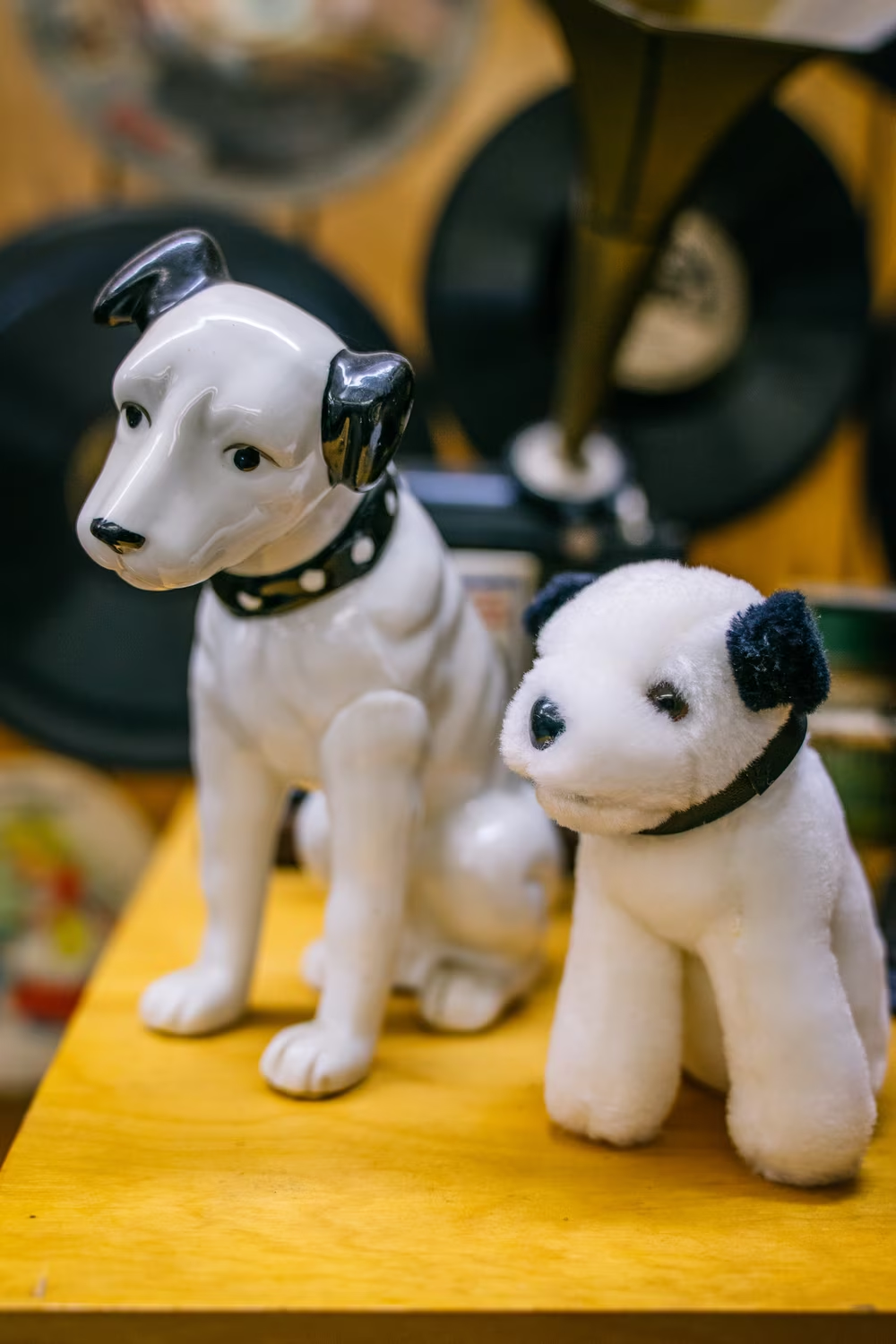
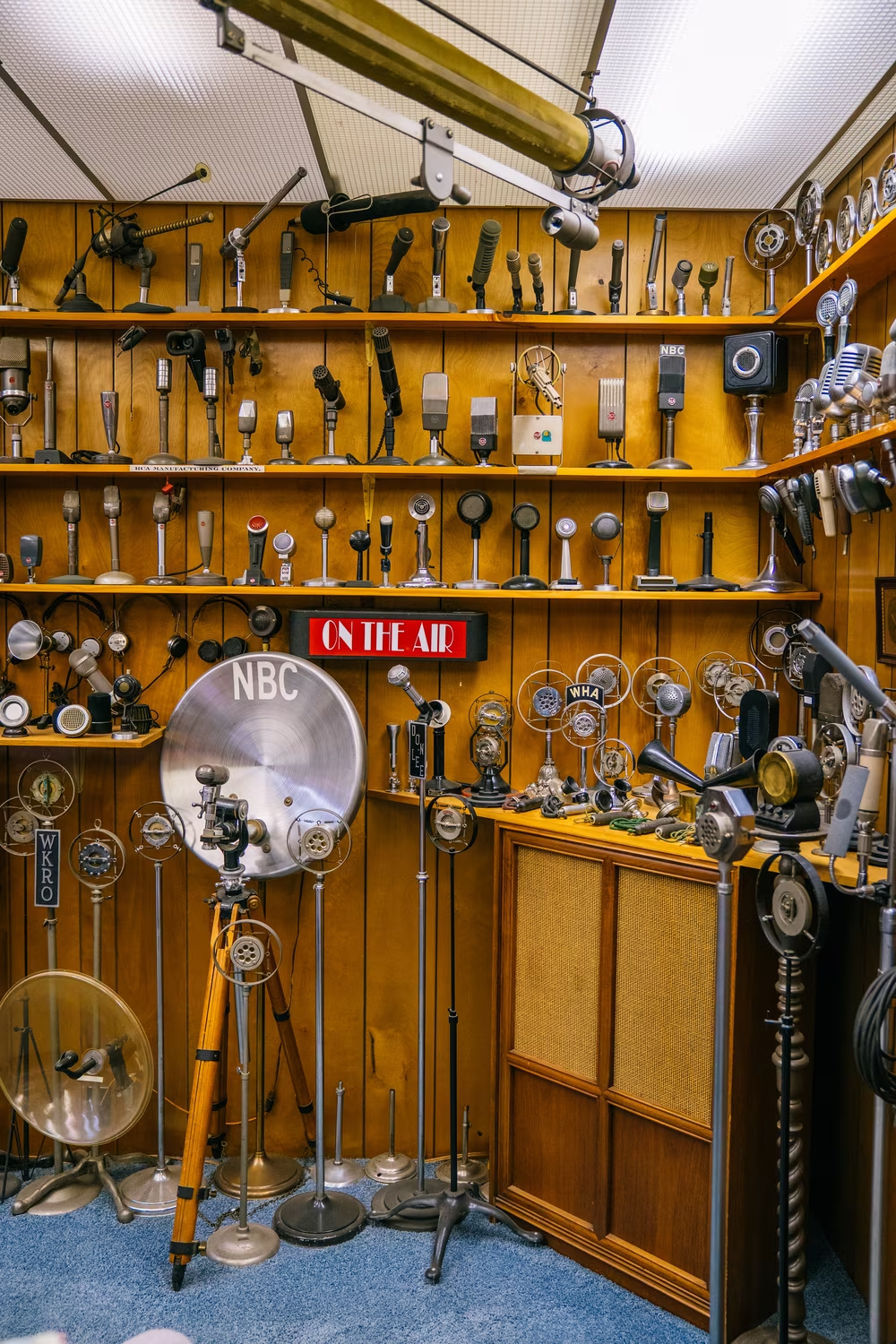
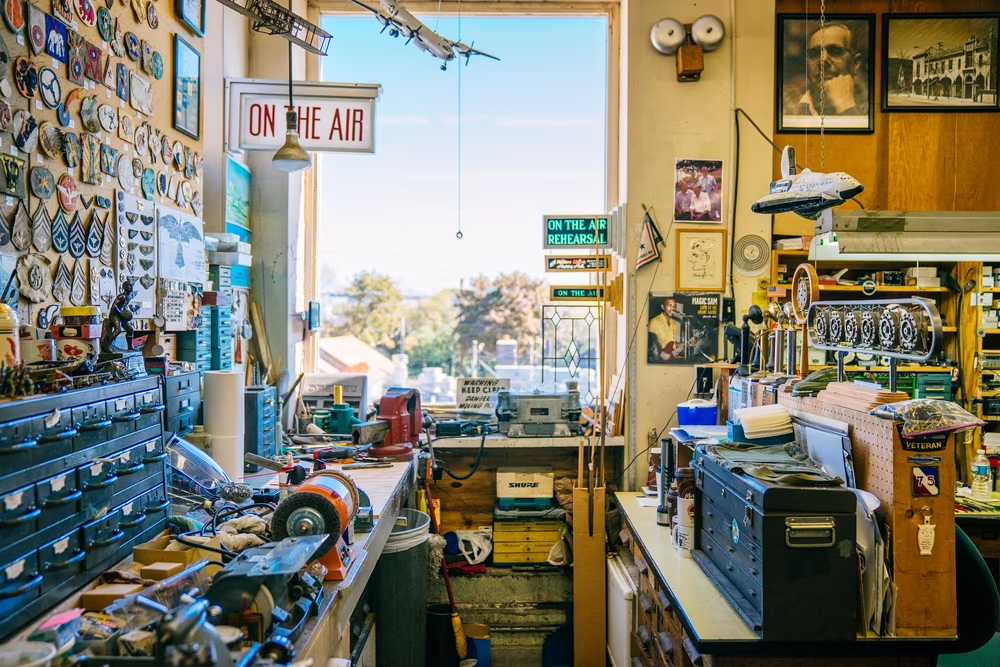
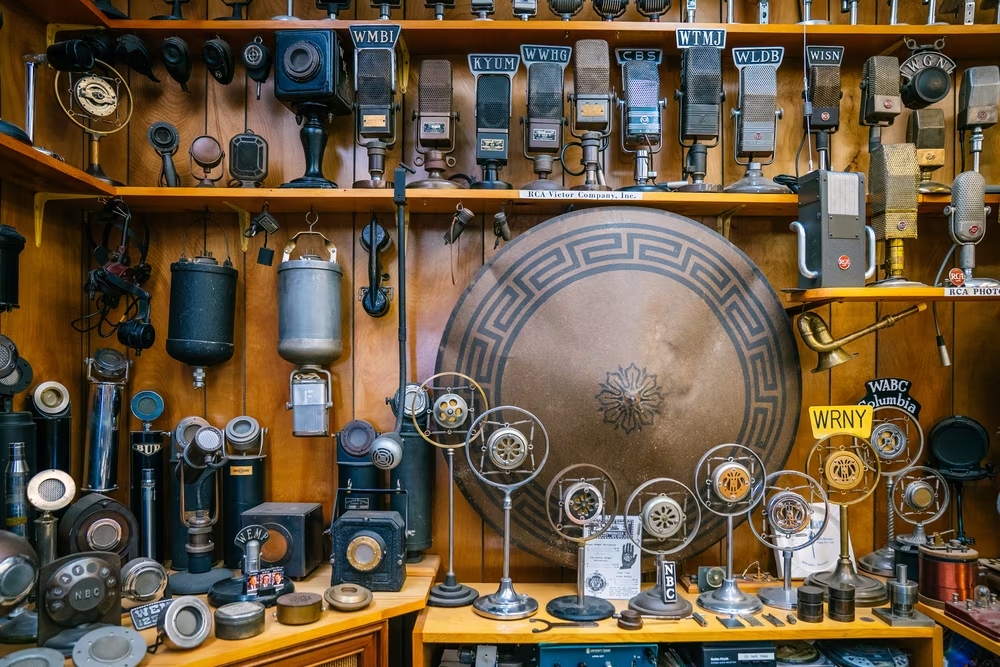
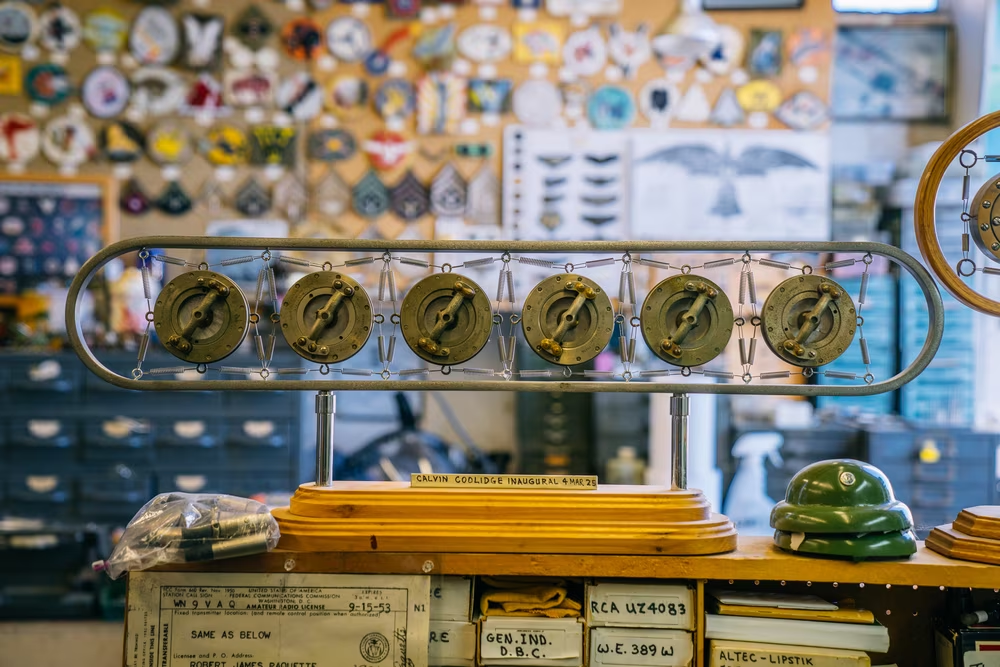
This was an amateurish museum, but the word “amateur” can bite in either direction, and here it felt positive: an old man’s personal collection of microphones, intimately tied to his career, just a few notches away from hoarding, open only by appointment.
I loved it. I got a tour by Mr. Paquette himself, and a few demos, one including putting something of unknown provenance right in my mouth.
I don’t know if this collection passes some sort of theoretical or academic scrutiny, but the passion alone was palpable and enough.
Mr. Paquette died since (you can read this interview to get to know him more), and the museum was subsequently dismantled. So it goes. I am happy that I drove by it that one day in 2017.

Radio Museum
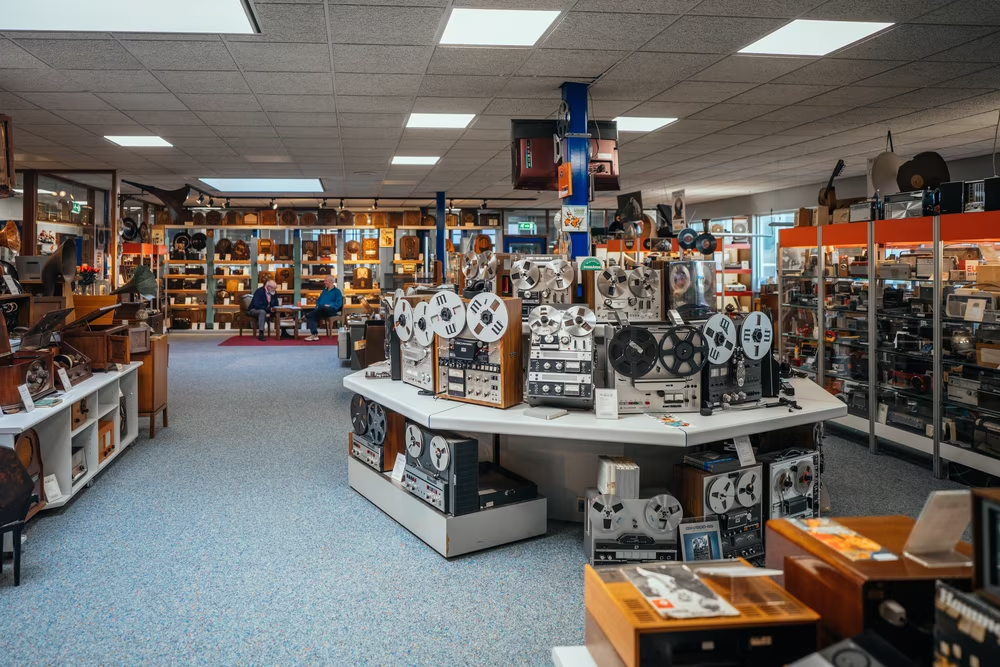
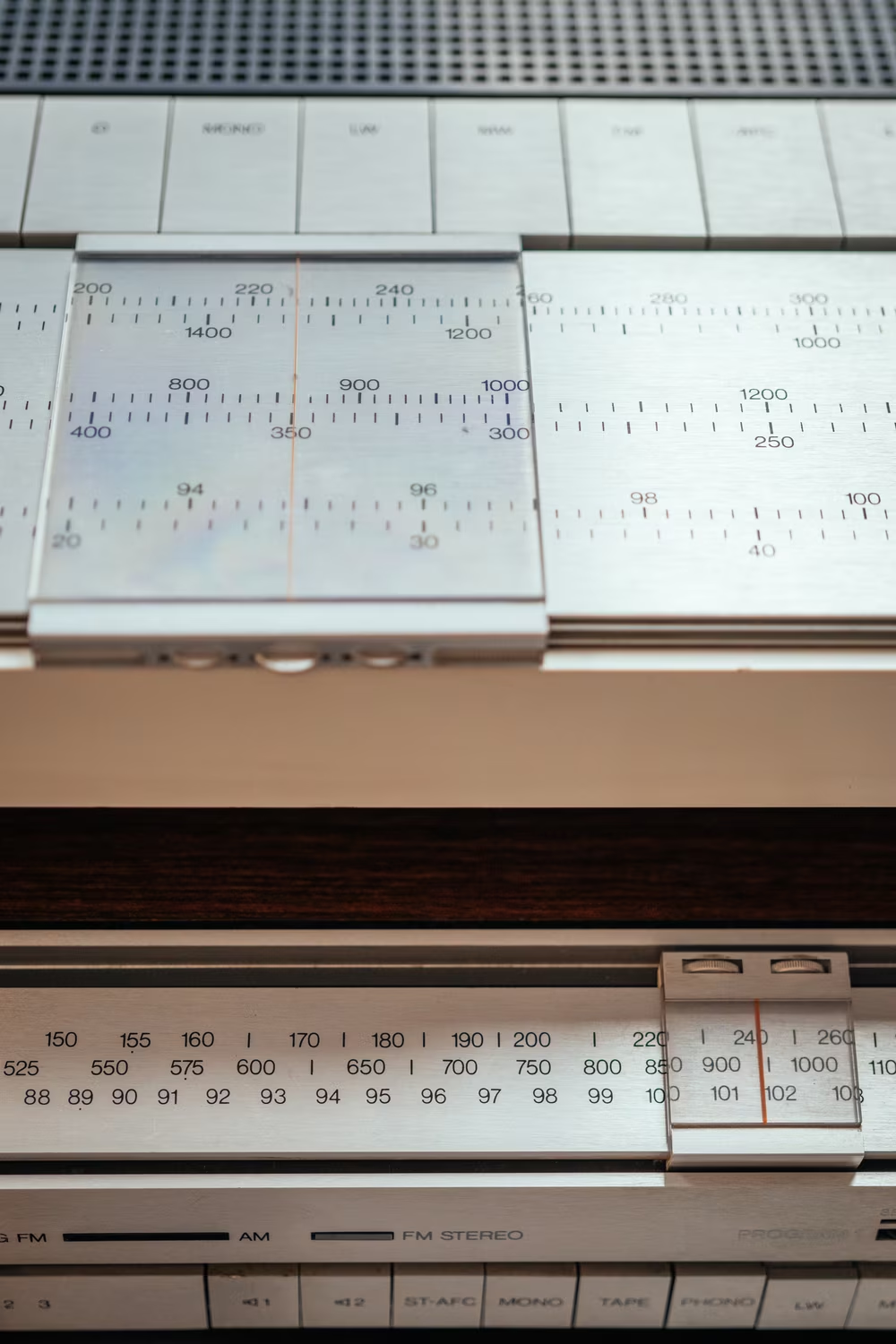
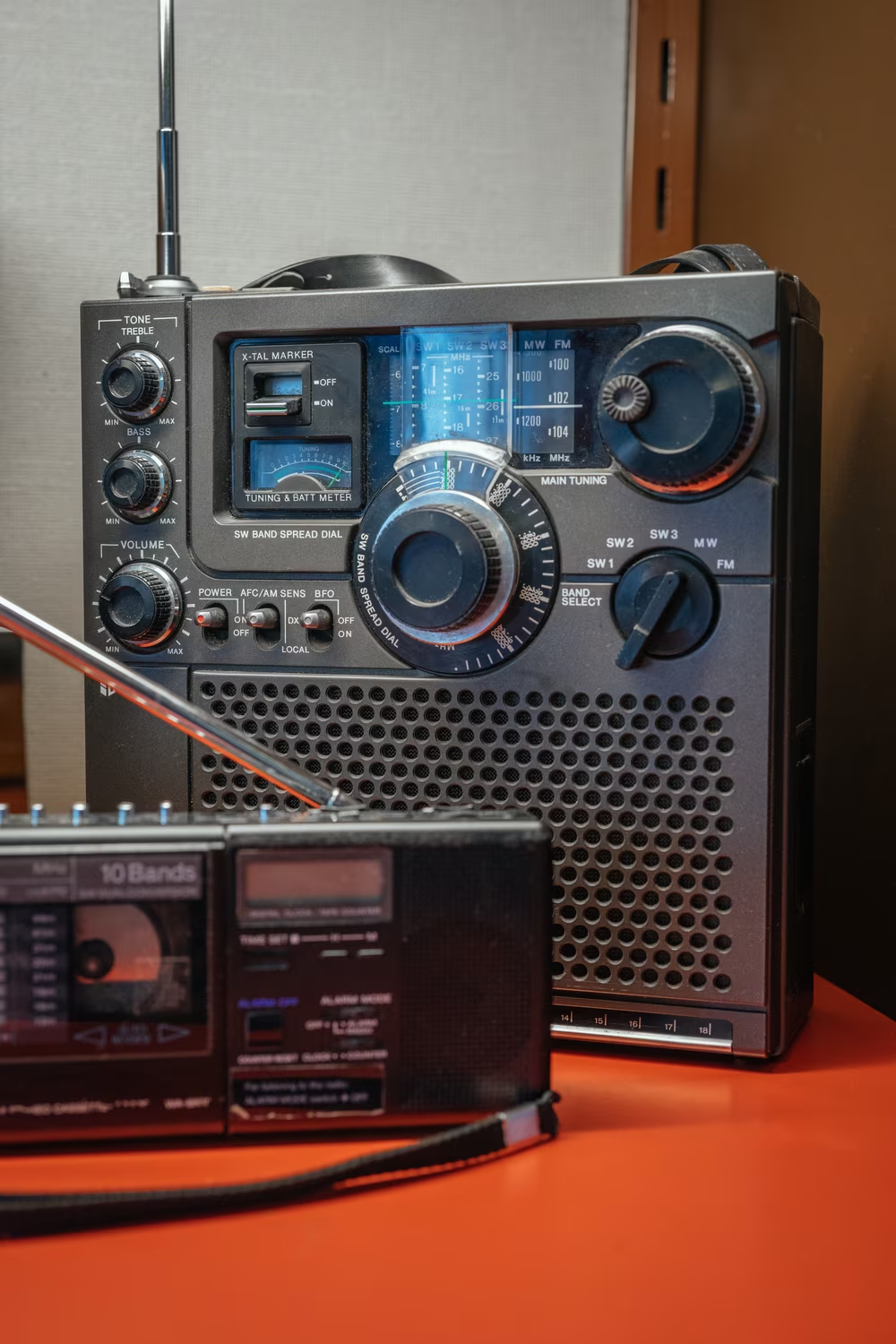
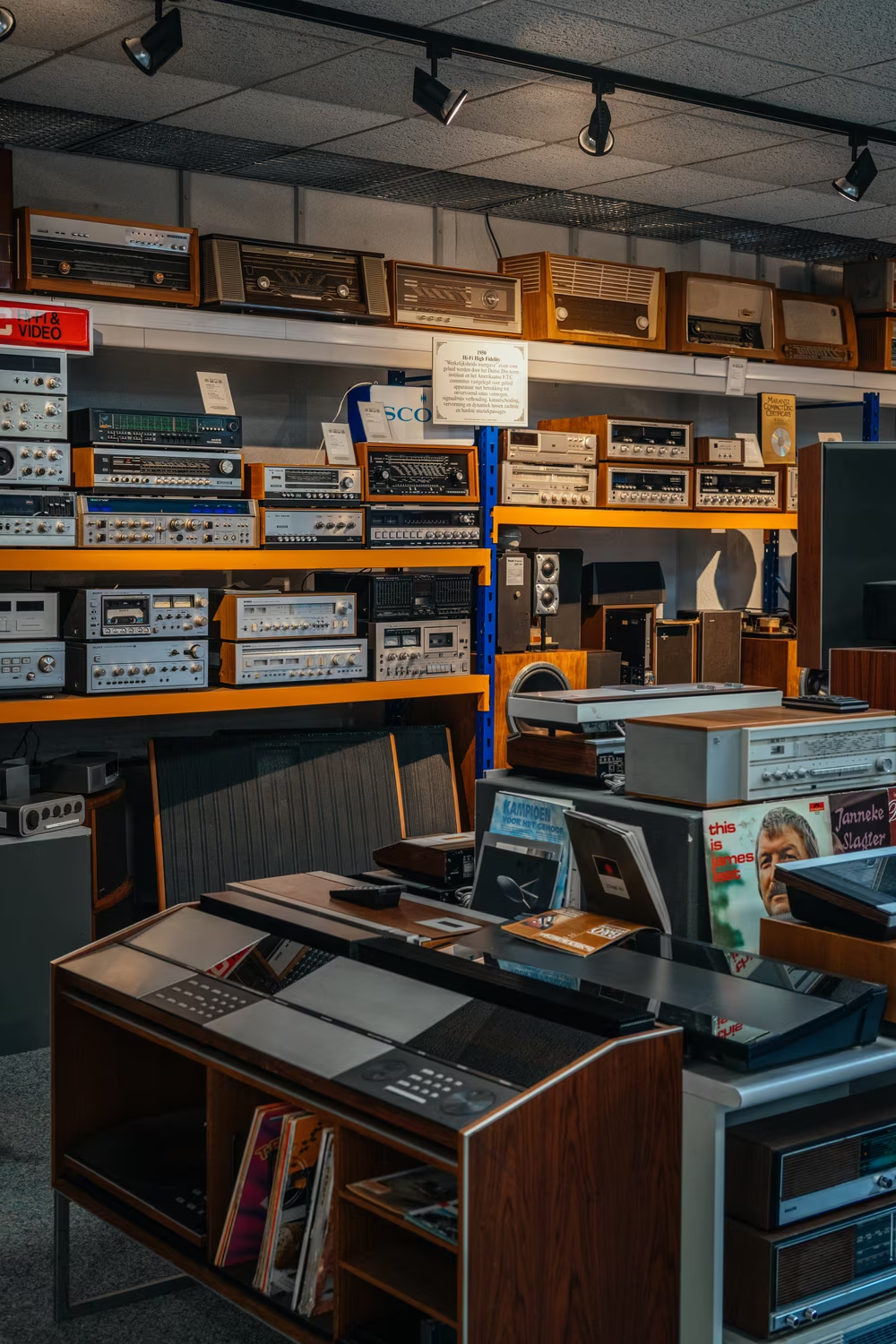
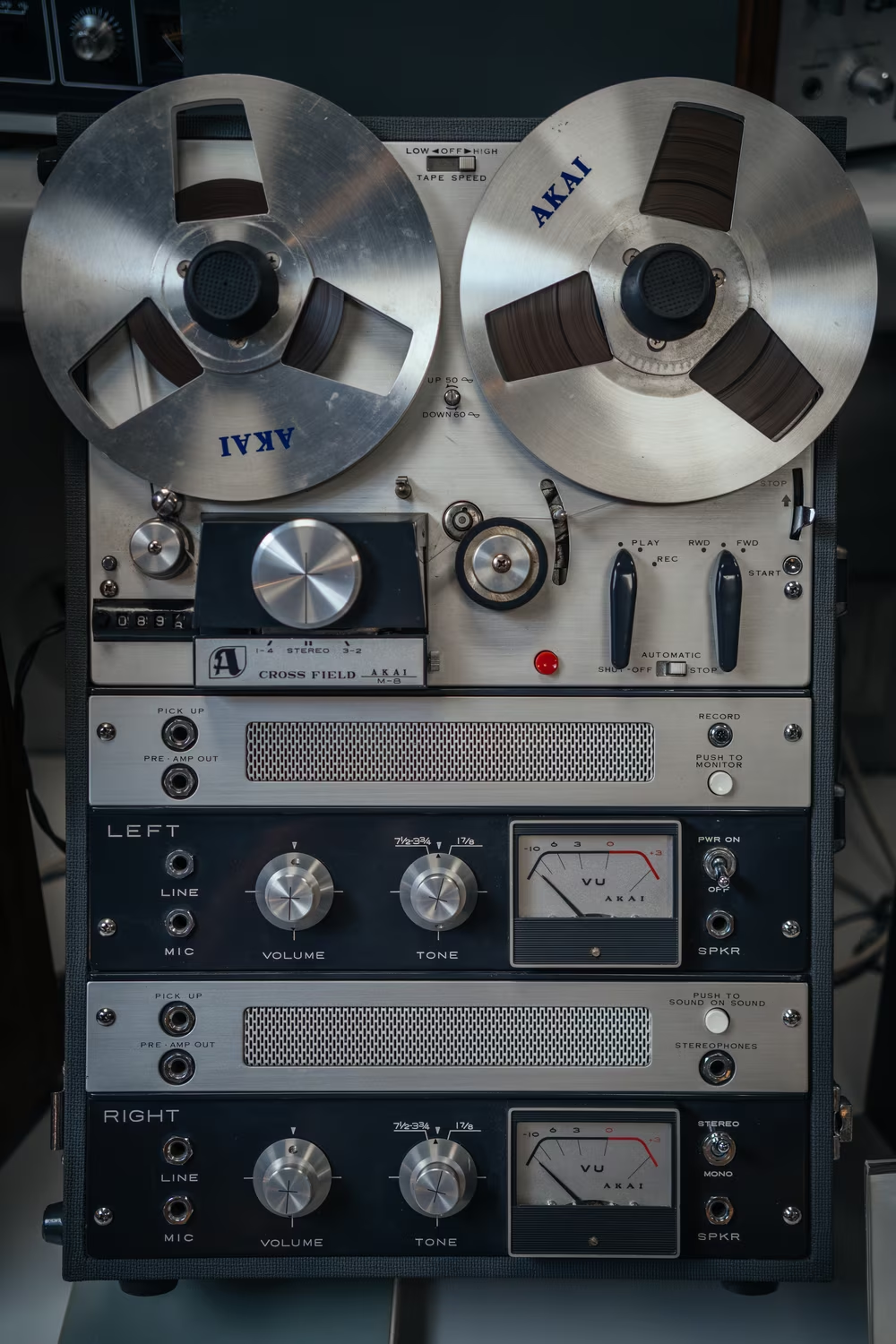
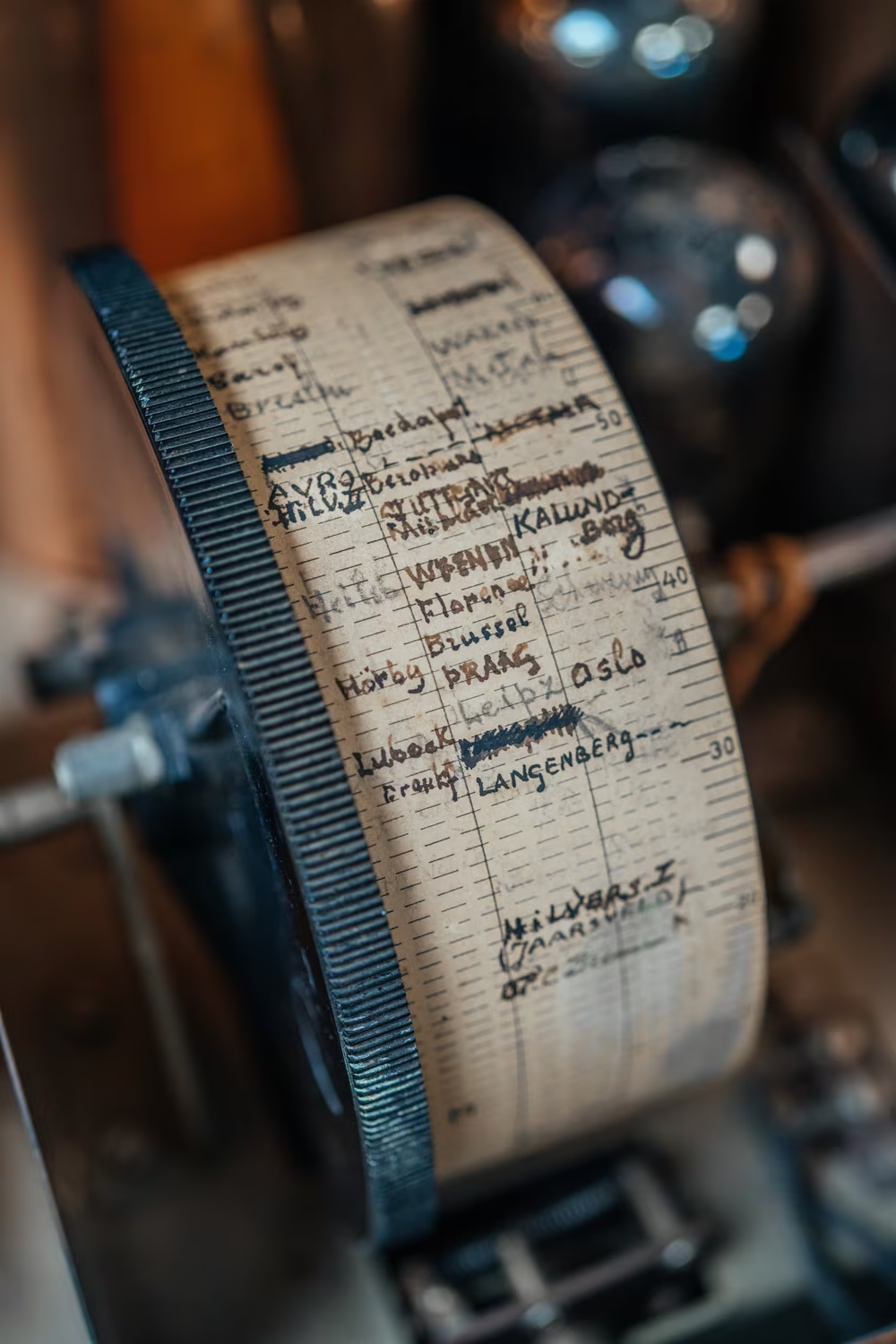
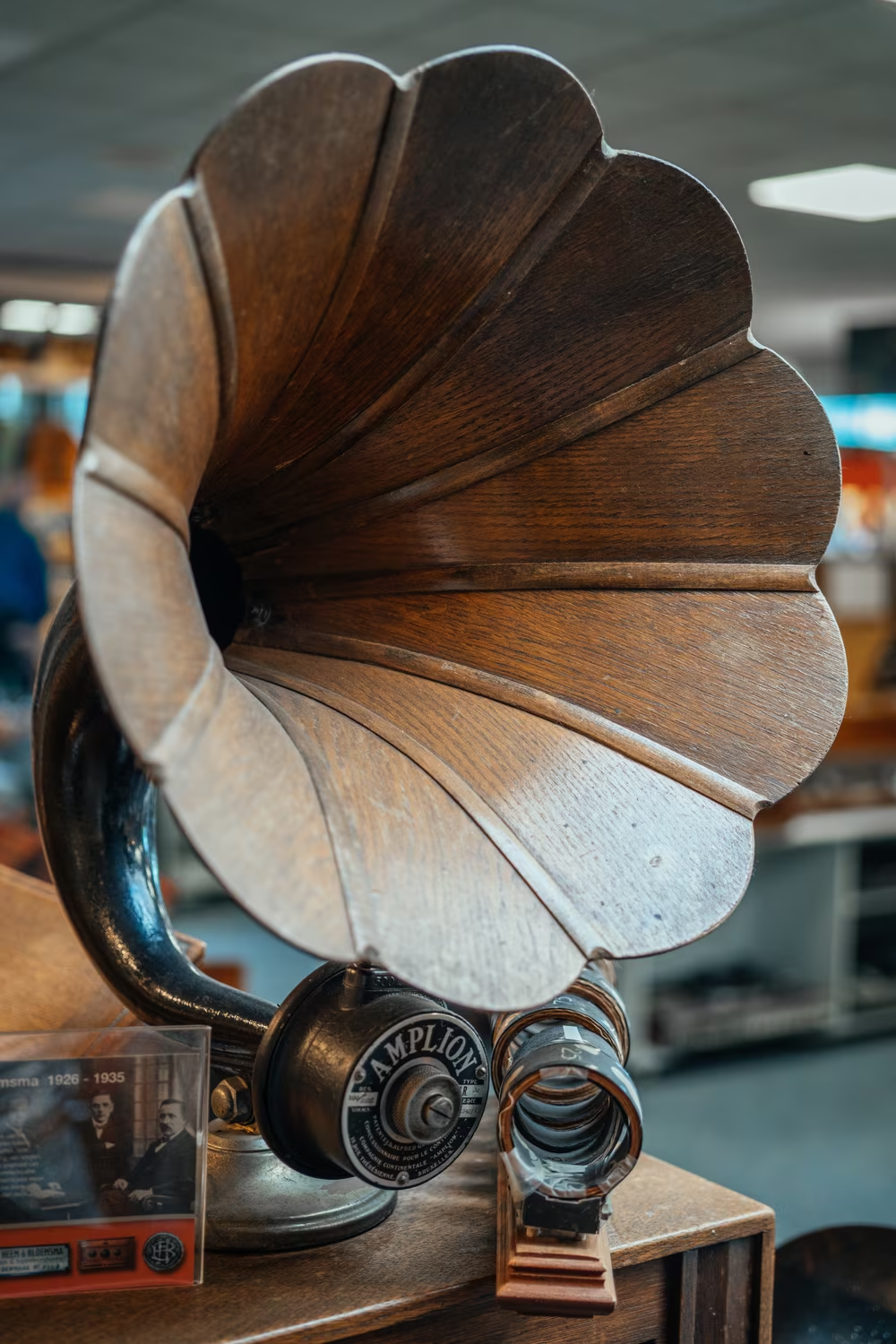
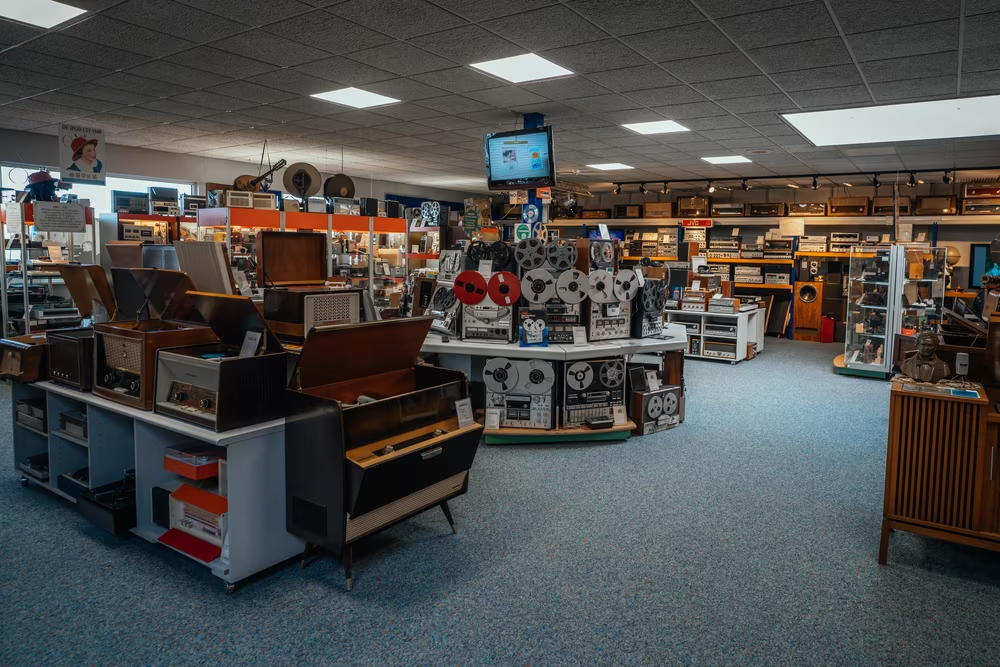
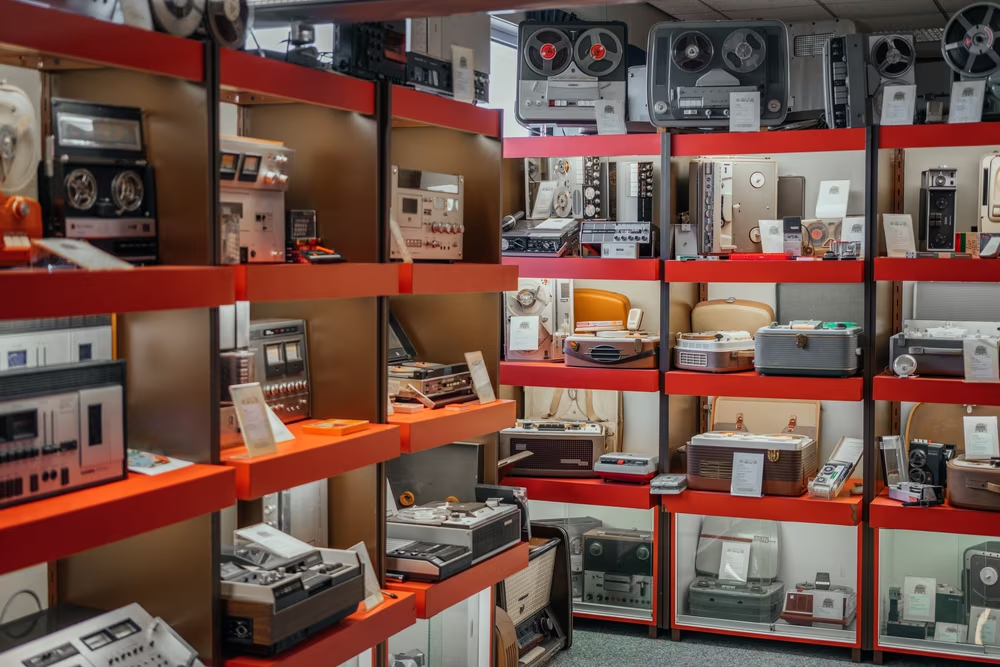
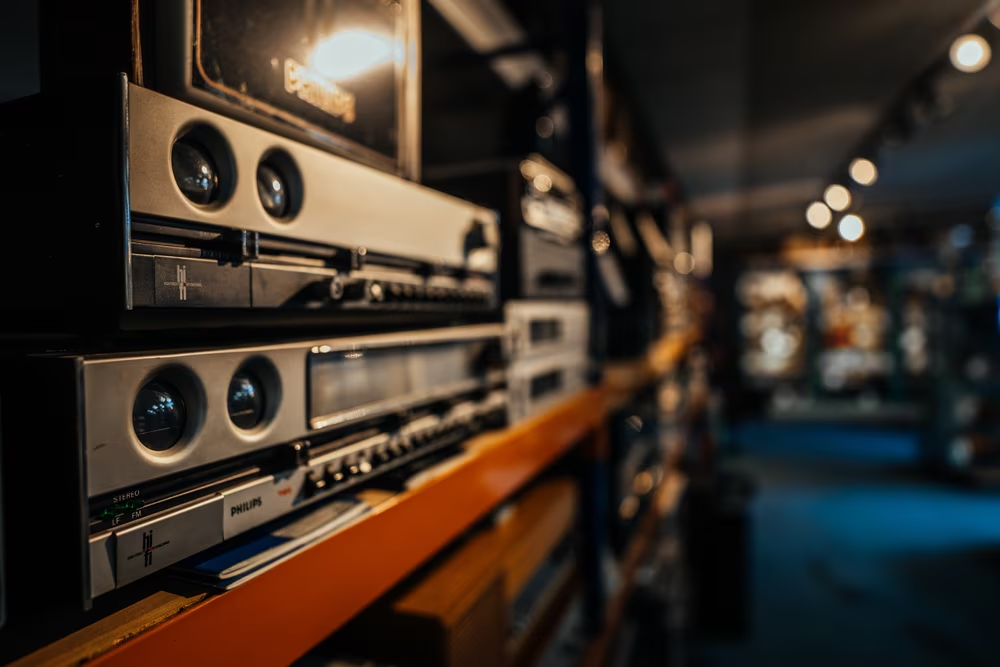
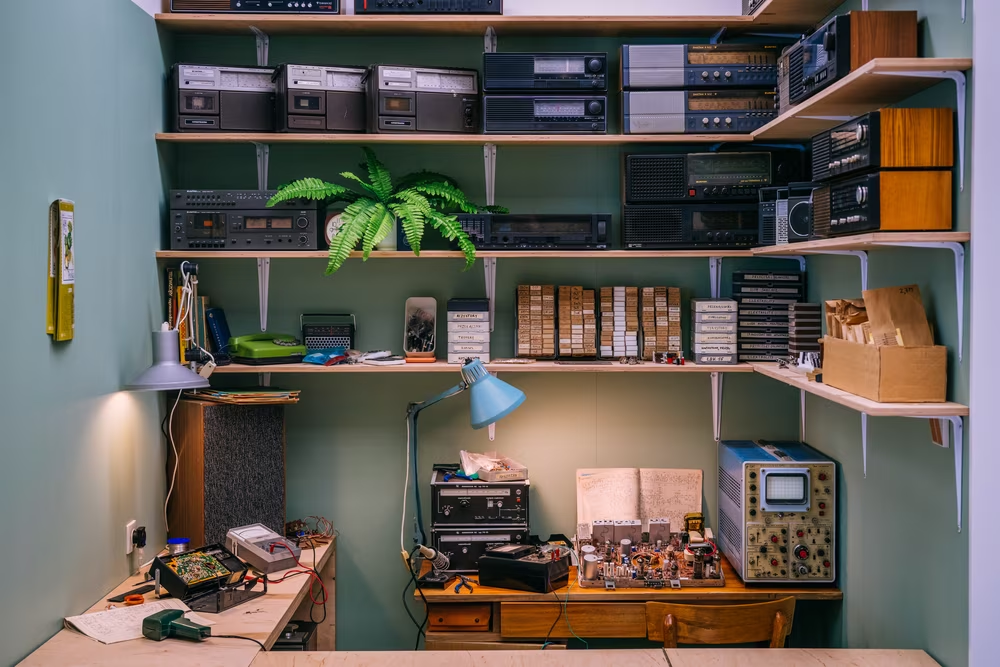
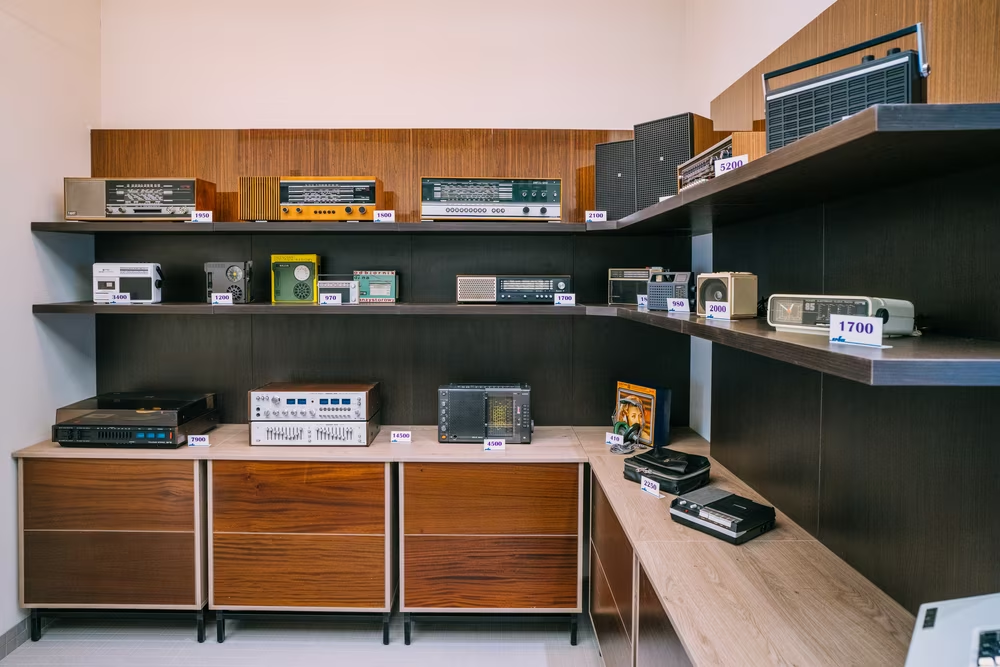
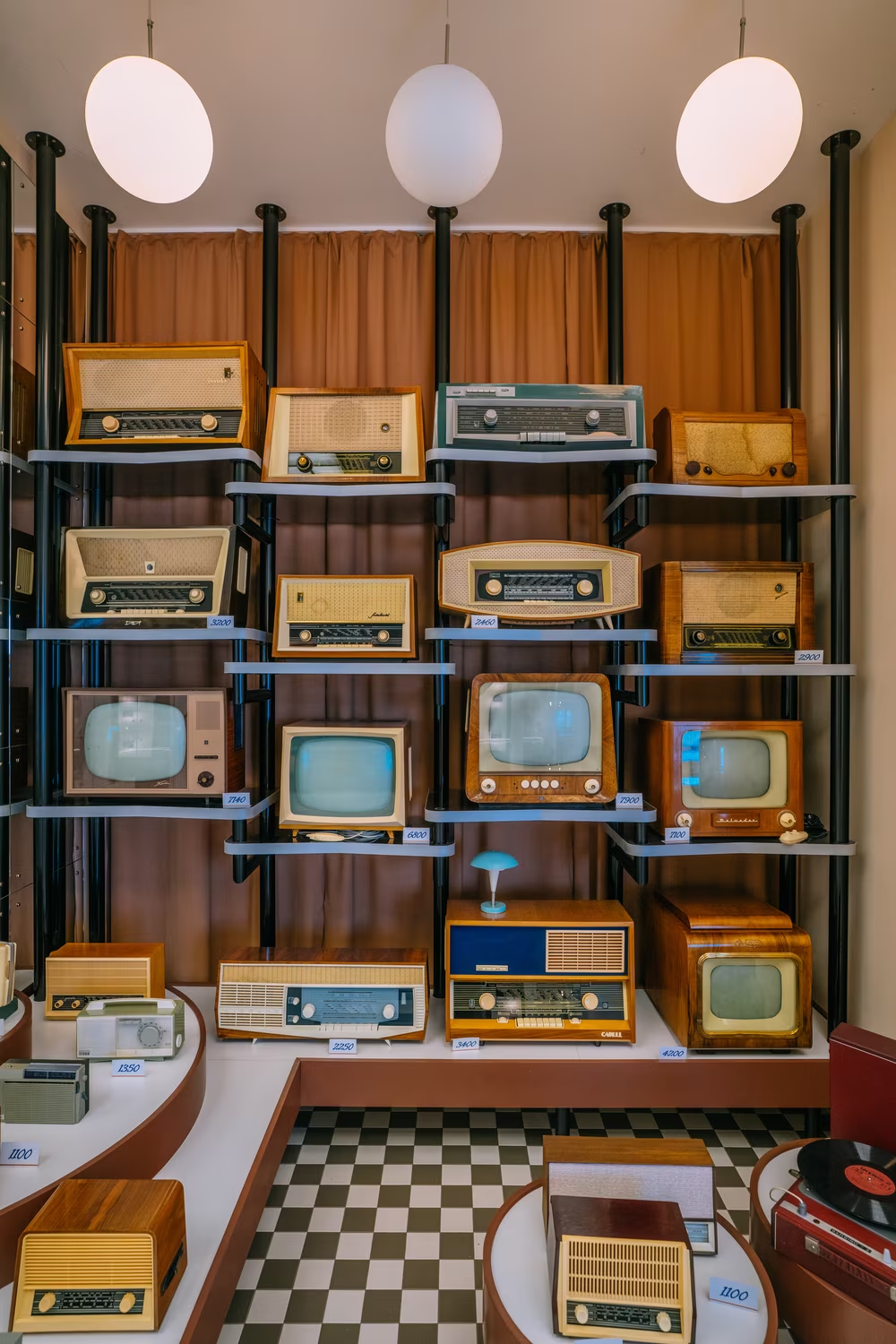
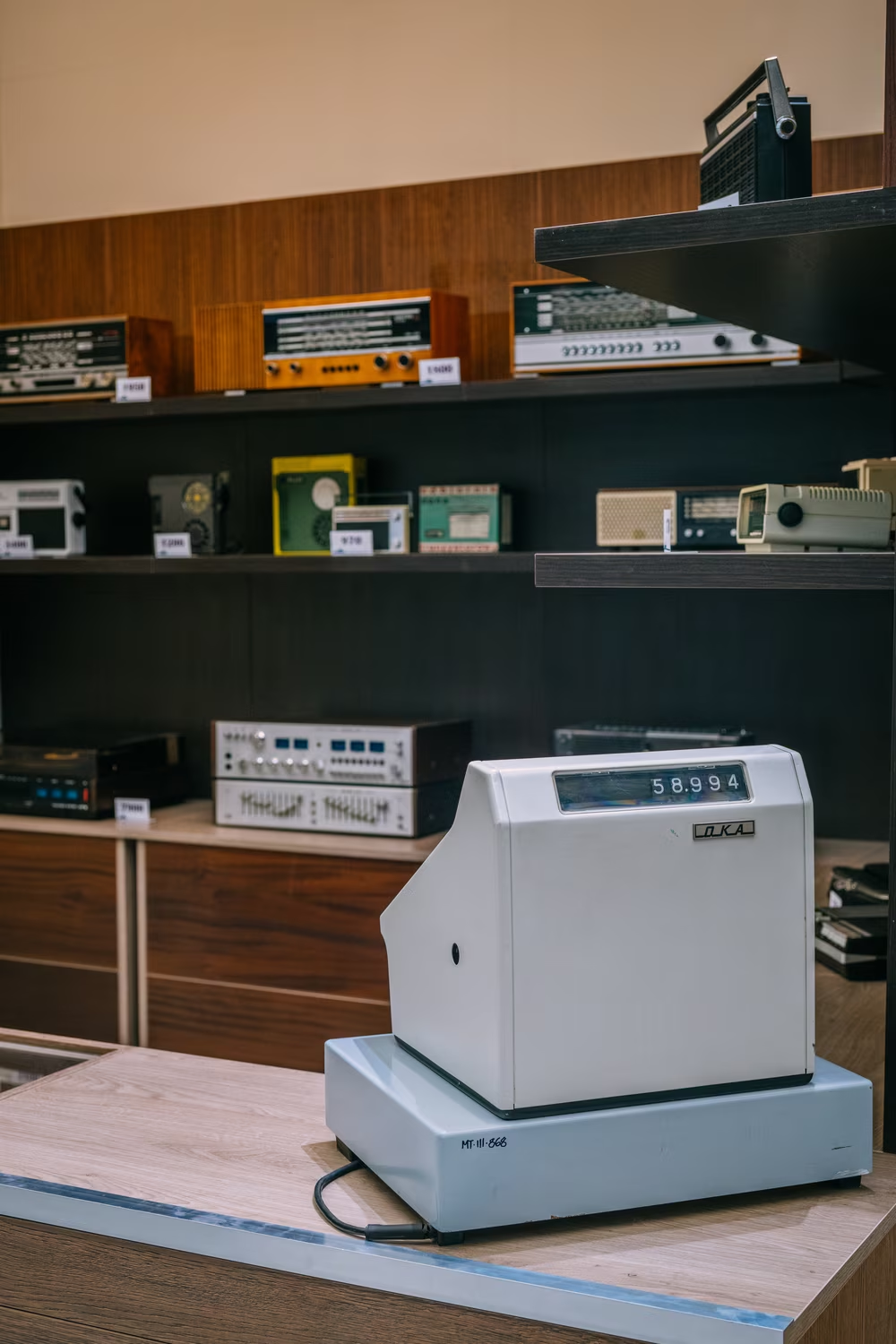
A similar thing to Paquette’s Microphone Museum, hiding on a third floor of a seemingly unrelated Dutch company. The name is misleading – this is more of a monument to the entire hi-fi era, with radios flanked by record players, tape players, CD players, hi-fi systems, and so on.
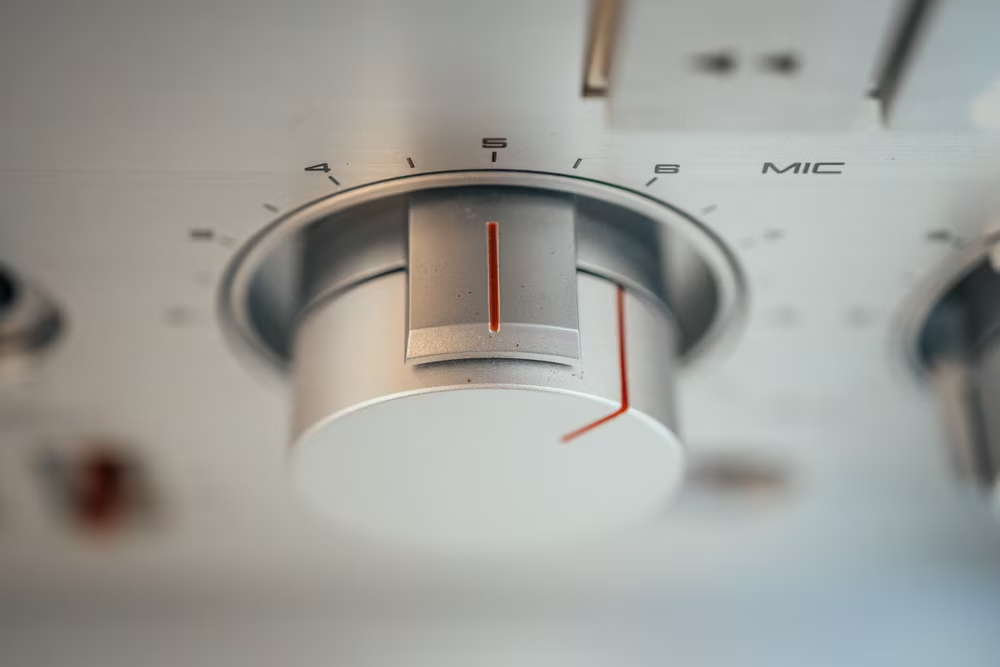
If you’re into this kind of stuff (I am!), this is delightful; a very nice collection of equipment with all its quirks and strange UI conventions, and some old volunteers willing to explain – if you speak Dutch, that is.

KPH
In a list that already stretches the definition of museum, this bends it past a breaking point.
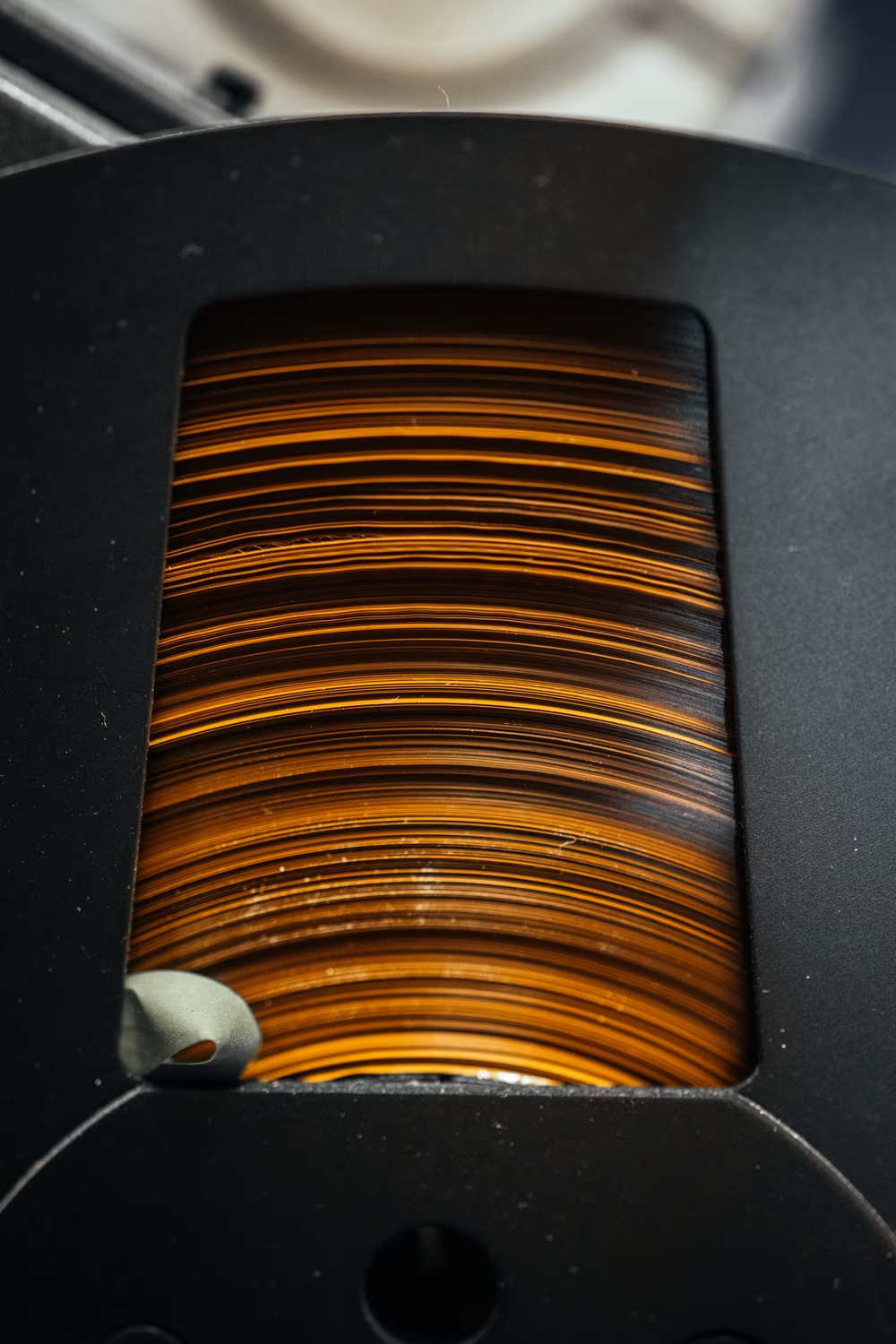
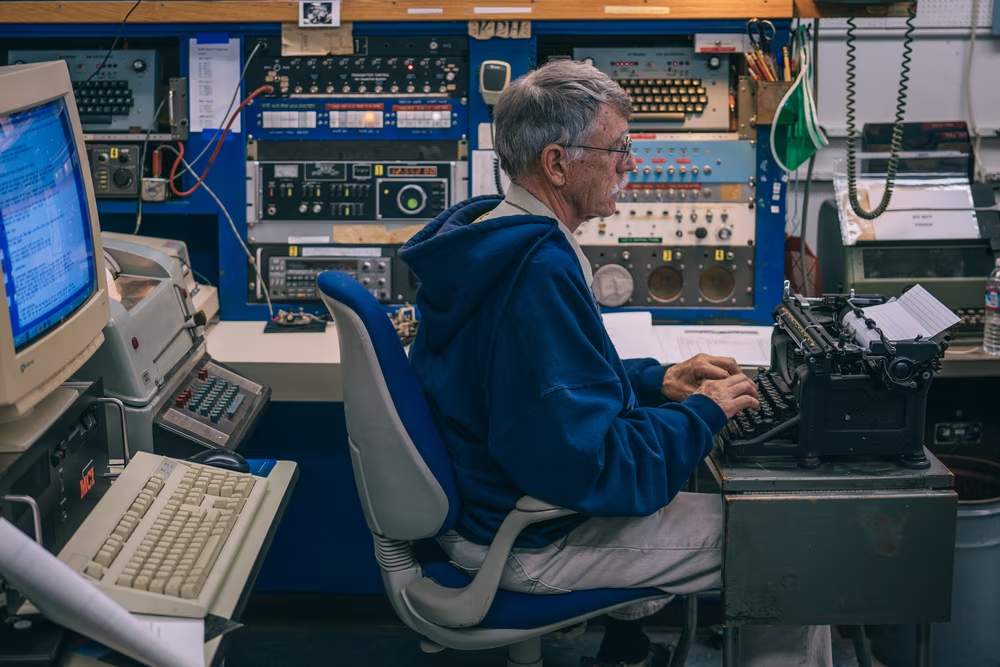
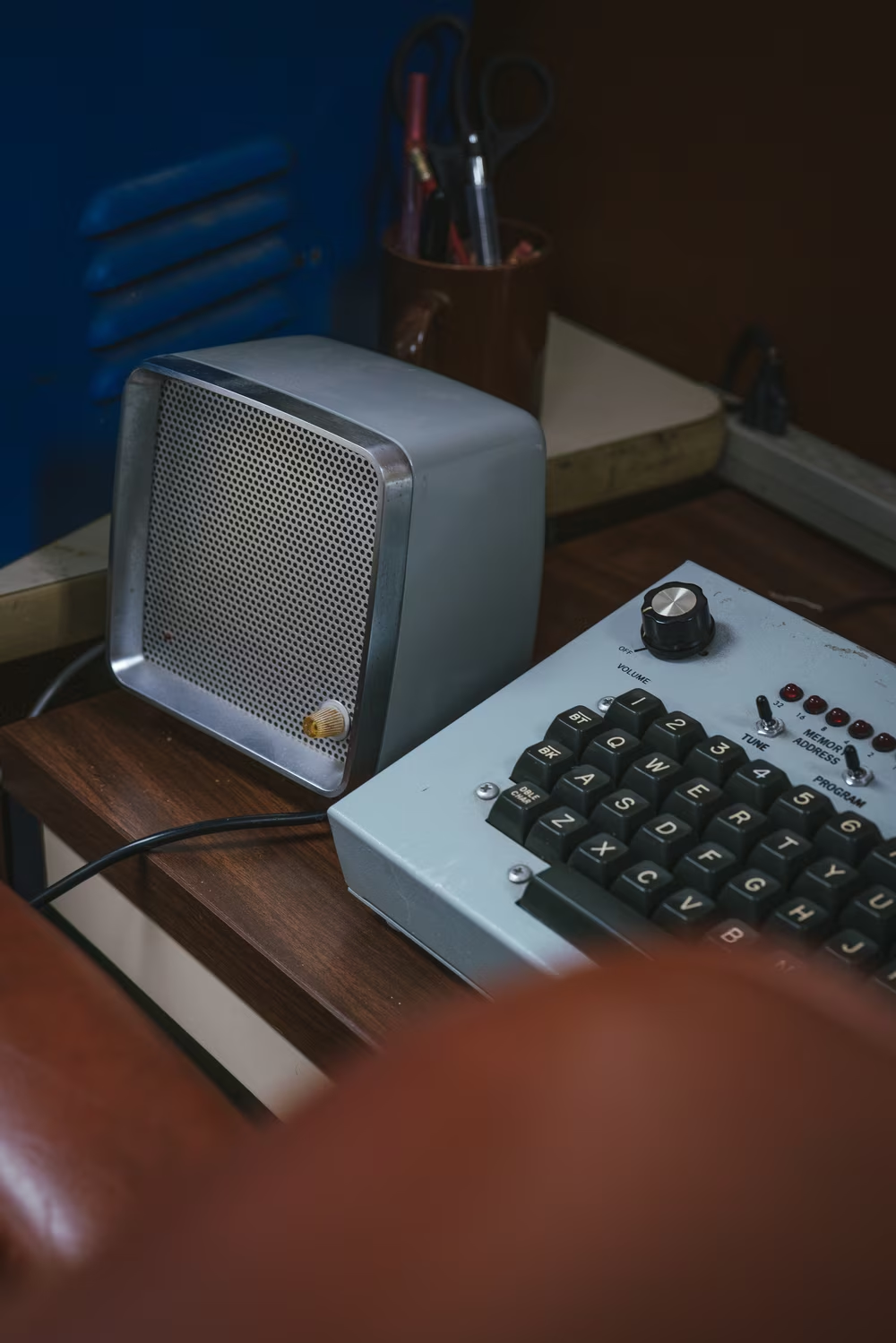
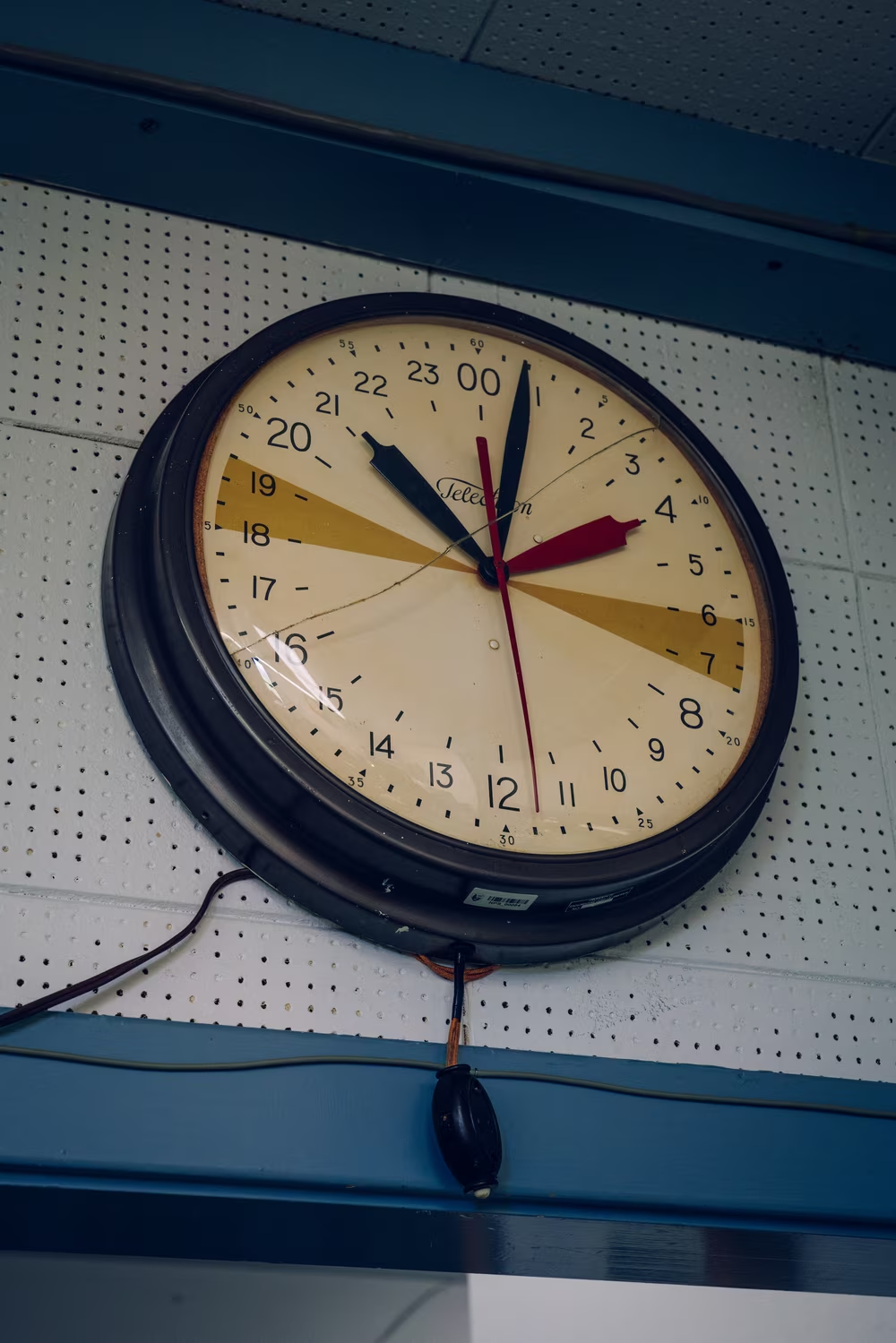
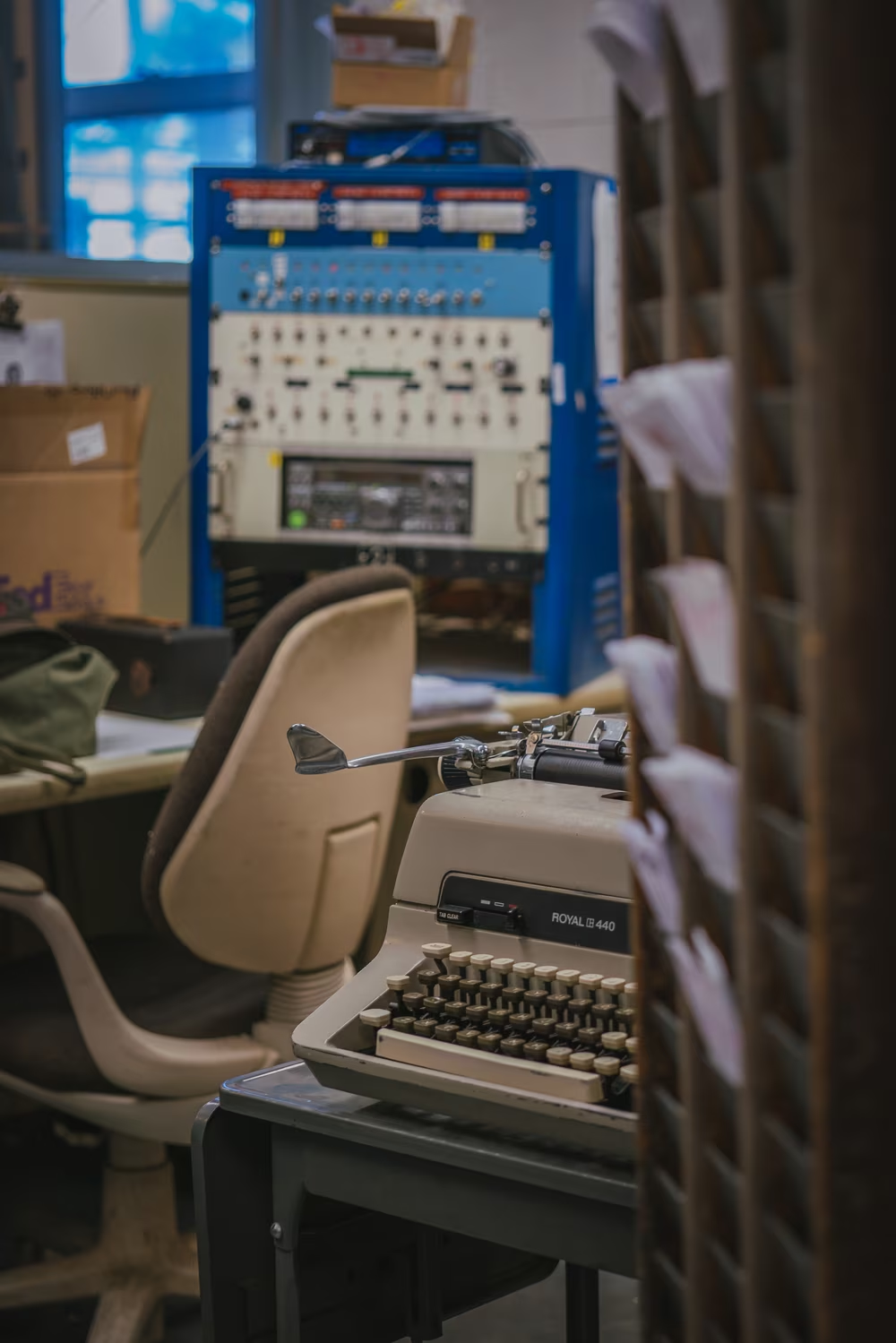
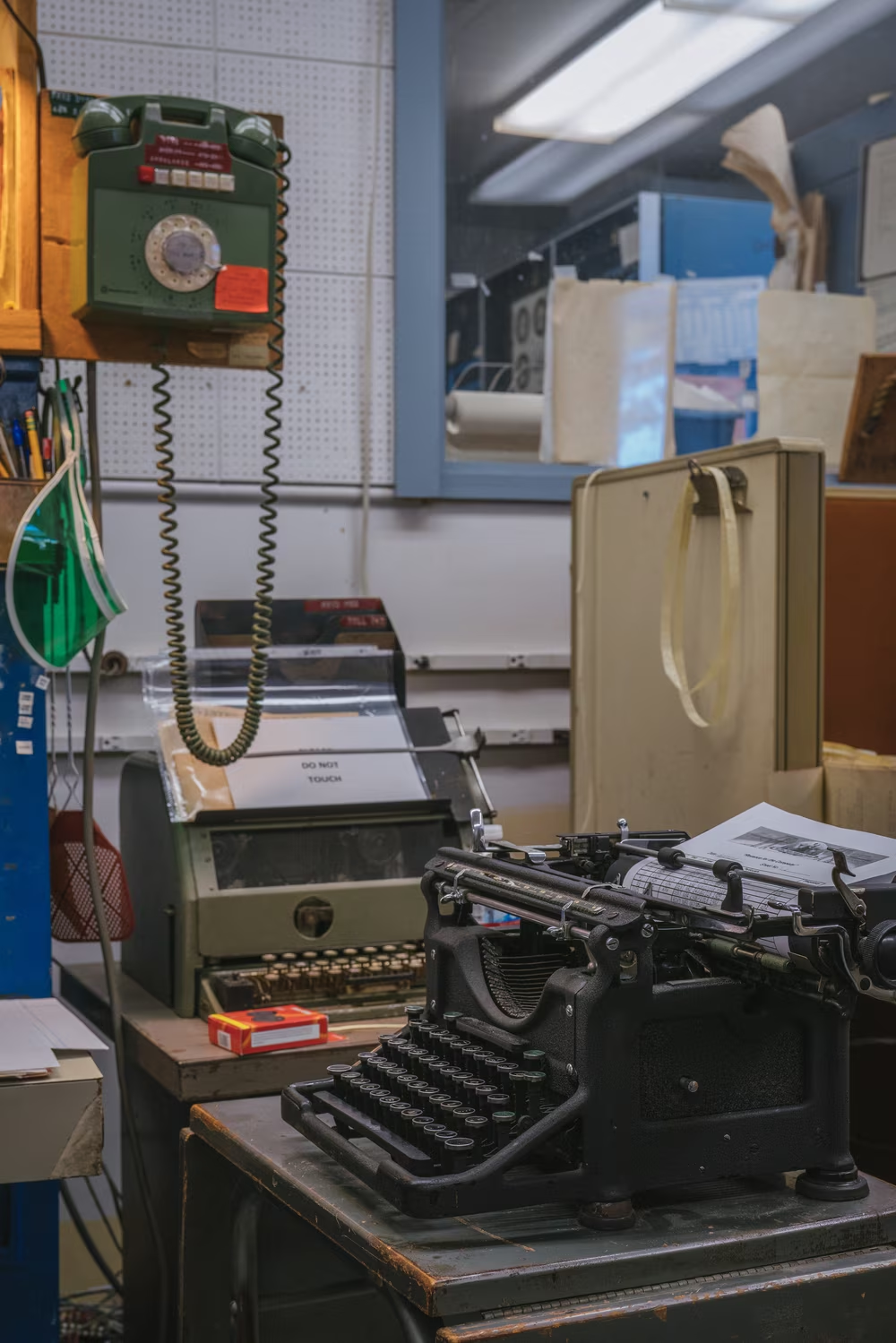
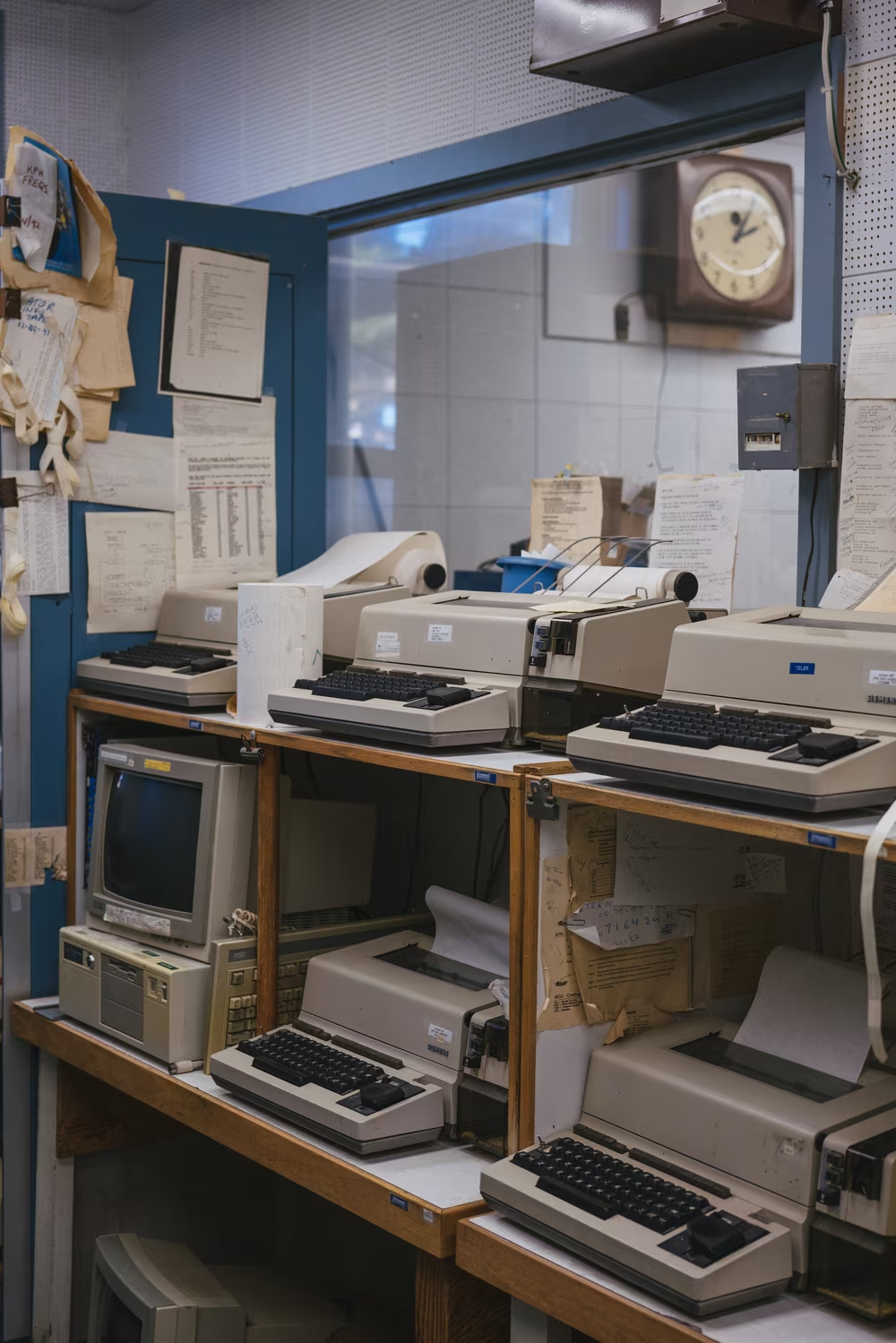
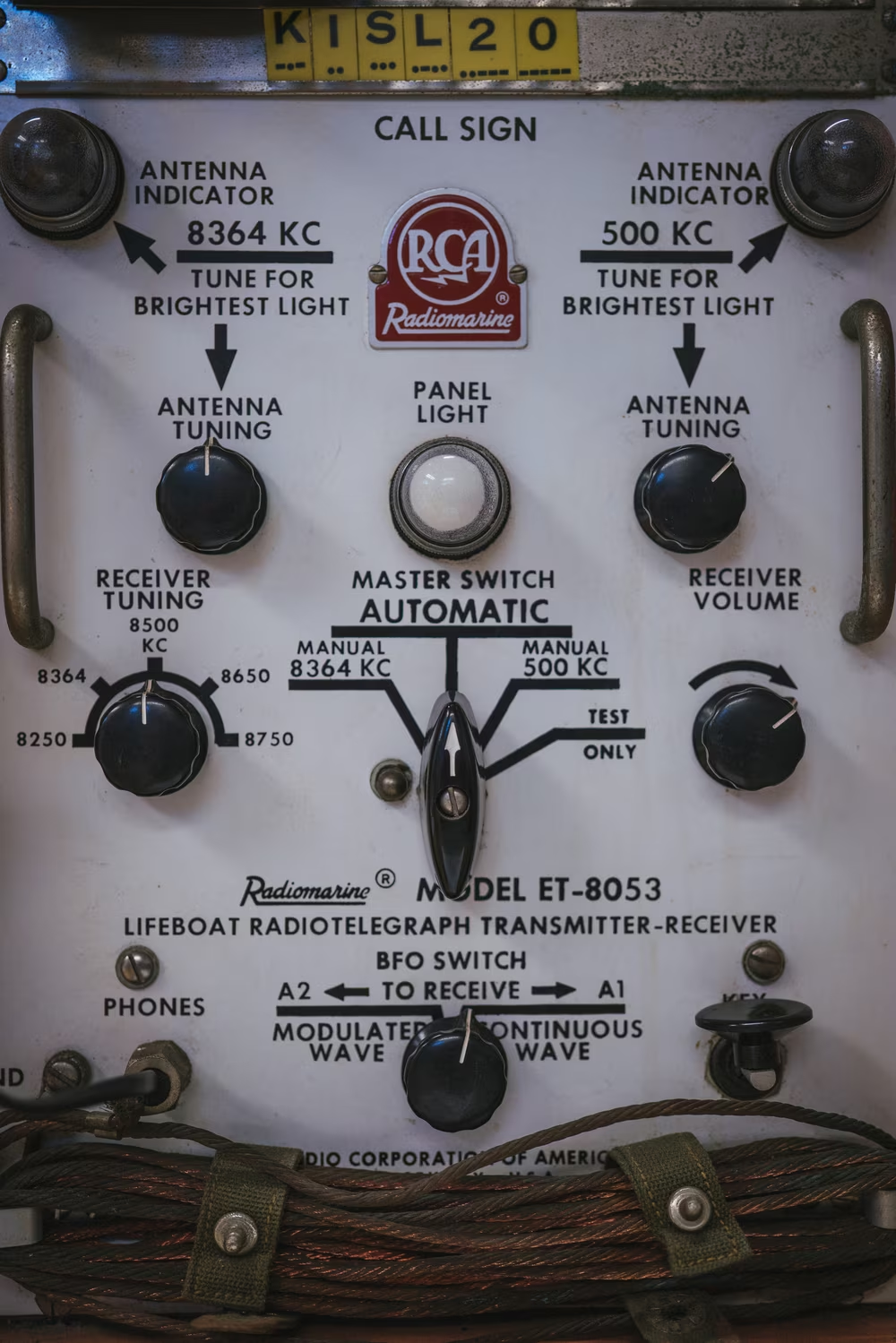
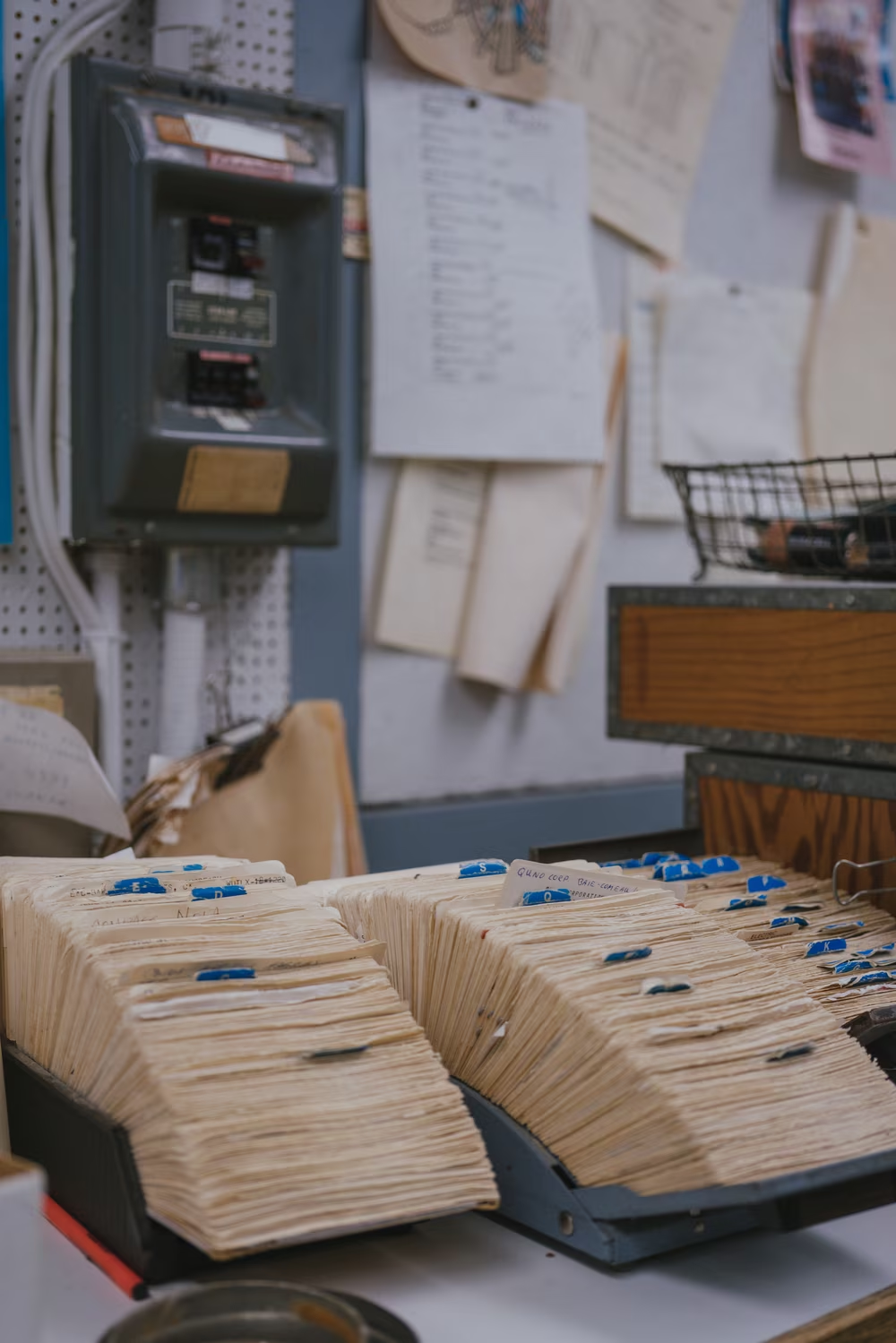
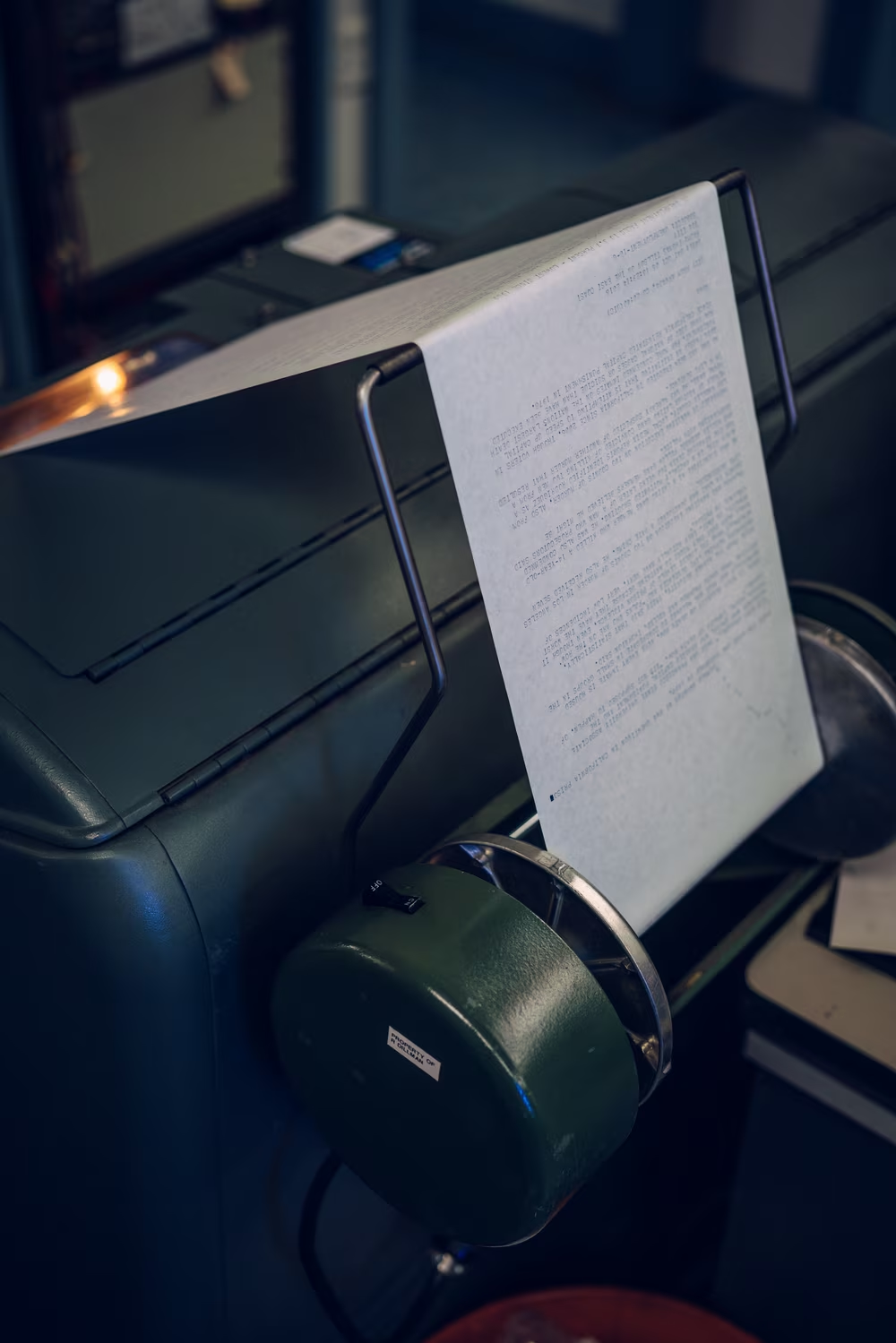
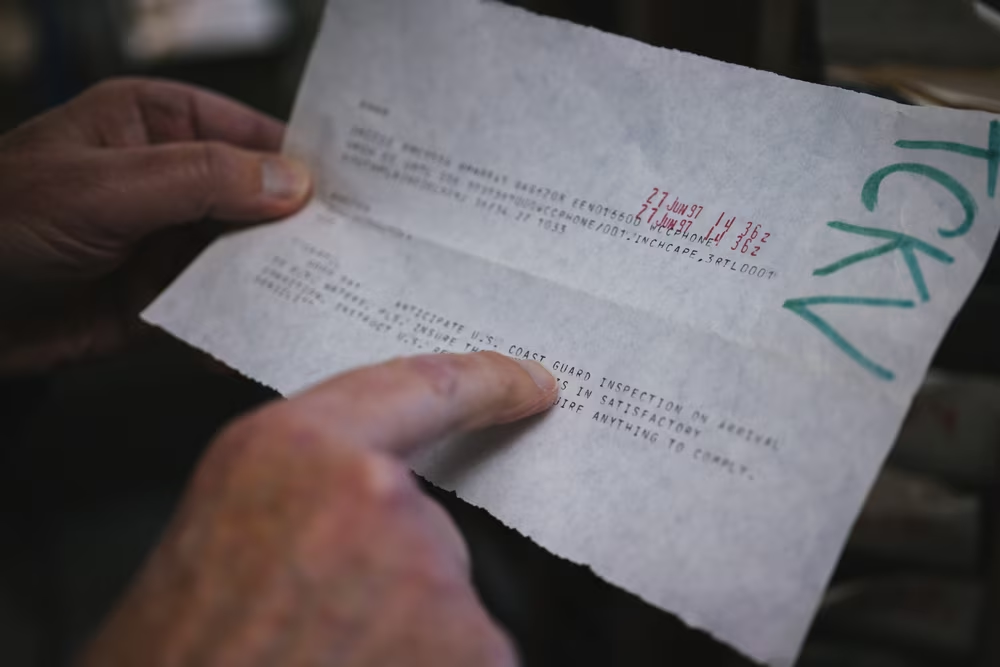
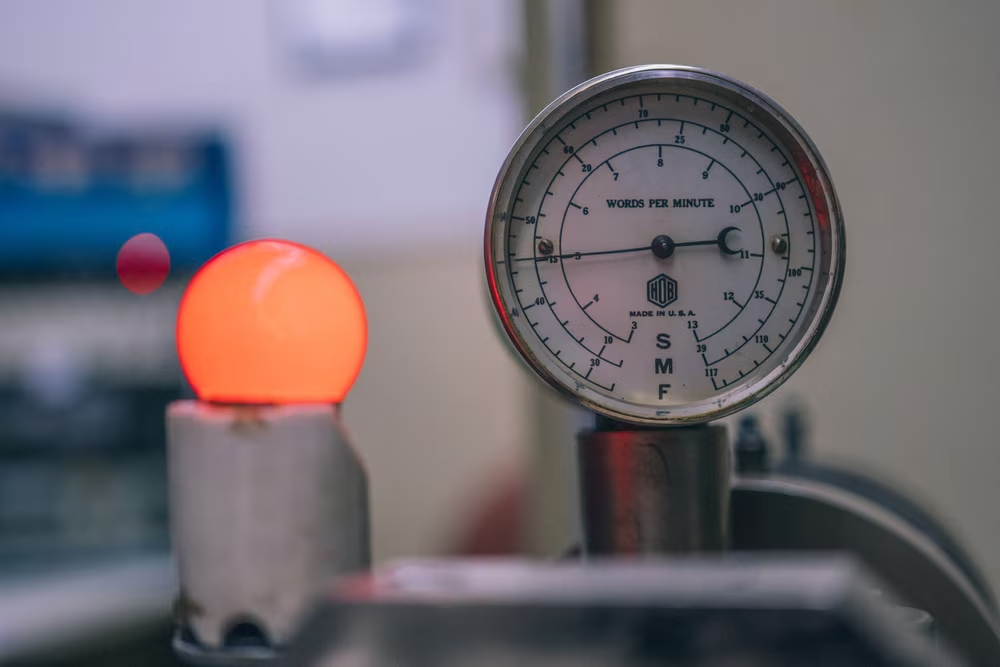
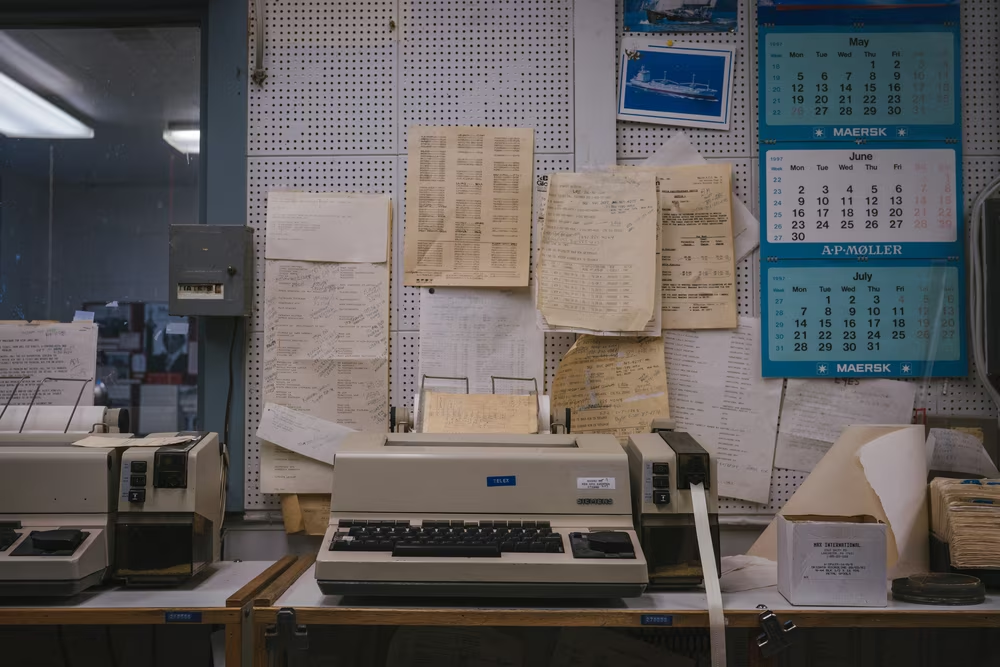
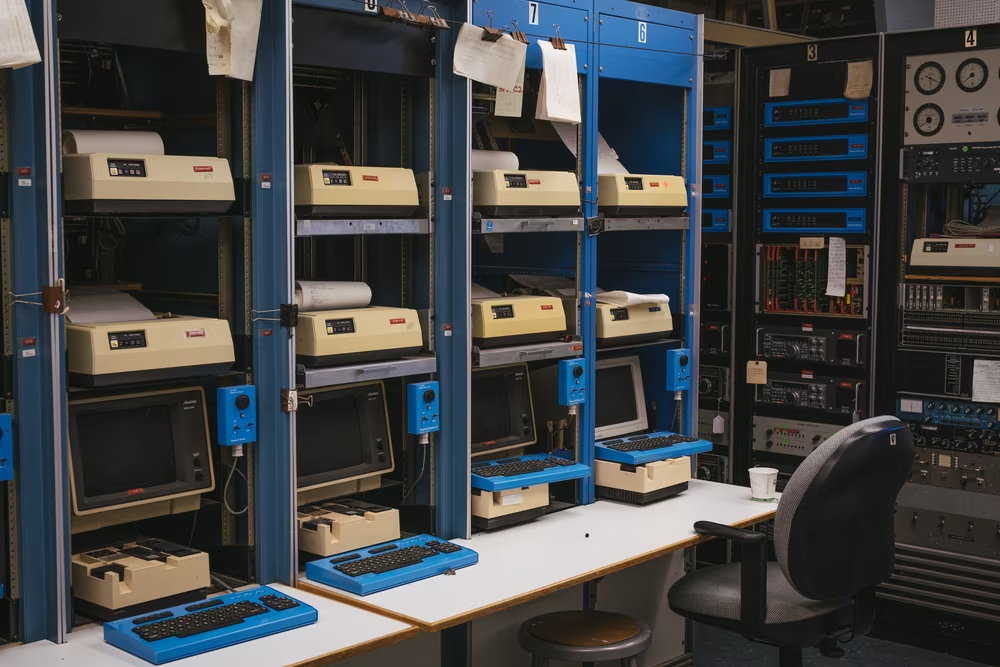
KPH is an old maritime radio station, frozen in time for decades, and now occasionally resurrected not for tours or demonstrations, but for volunteers to… use it once again to communicate with the ships hanging out nearby.
I remain enchanted with this building a drive away from San Francisco, where time now stands still. It captures an industry obscure to most, with teletype machines and Morse code mills, which adds a level of authenticity. There is a layer of translation that might be missing to some, but that makes it ever so sweeter if you manage to translate it yourself.
Musée des Arts et Métiers
&
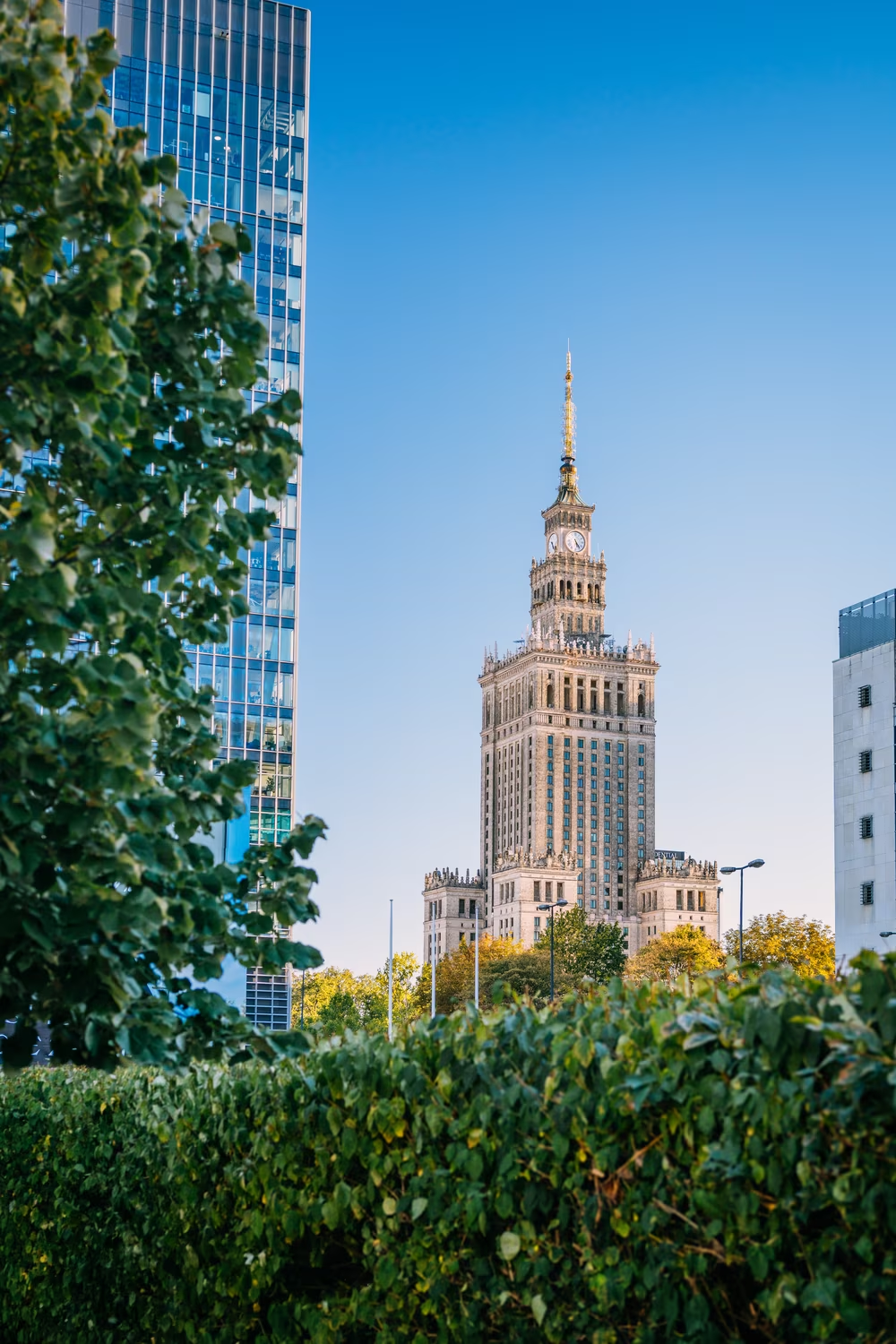
Narodowe Muzeum Techniki
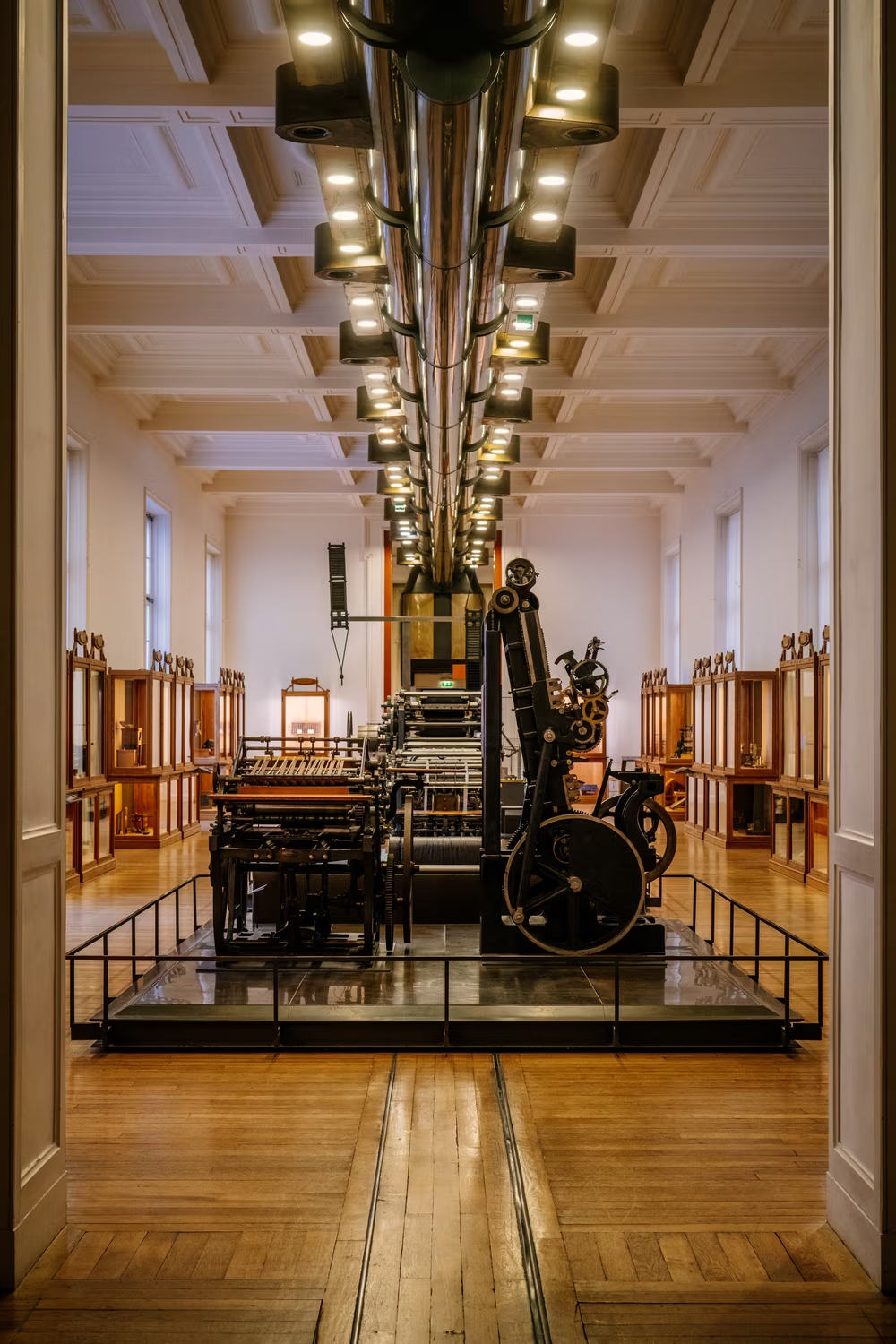
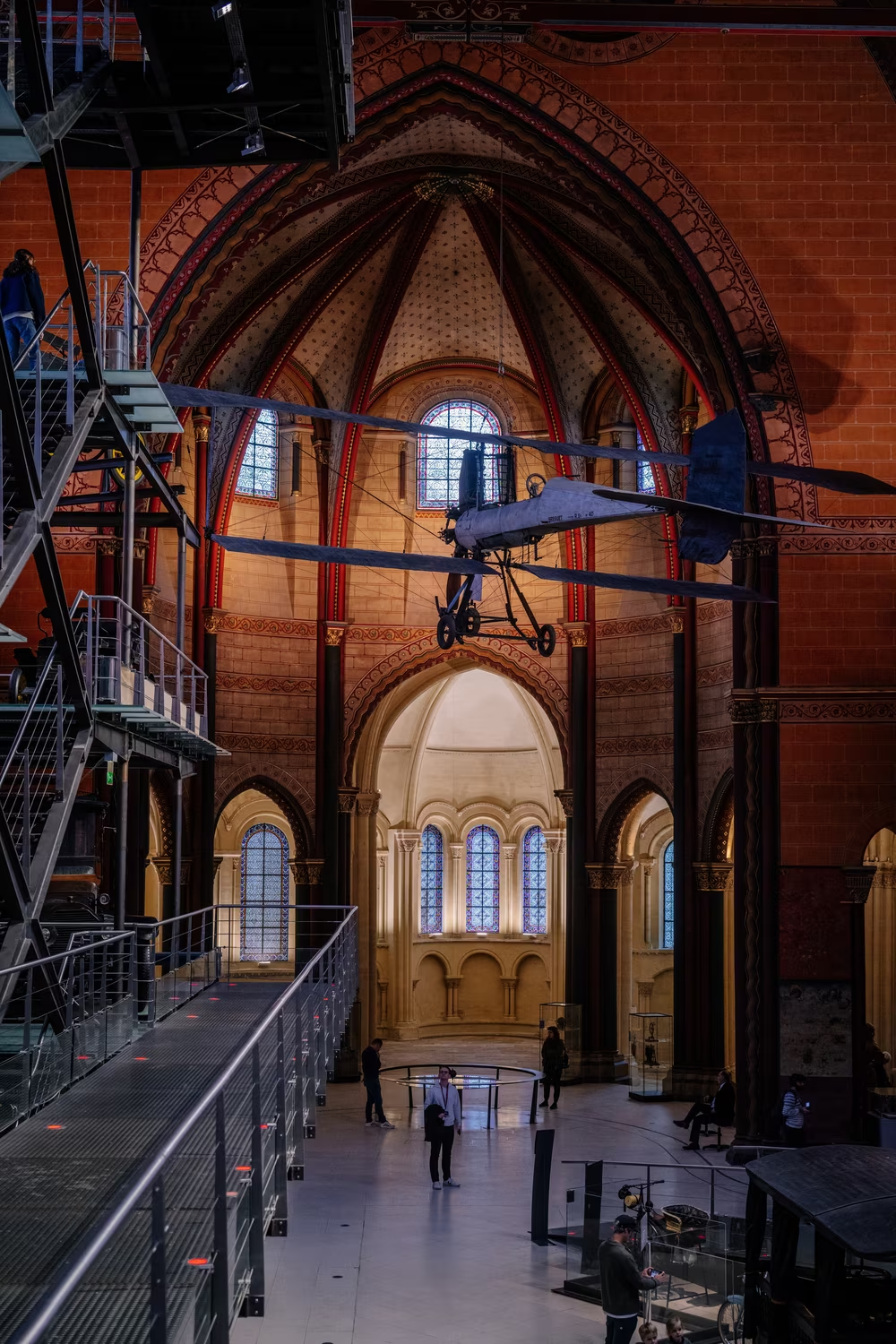
I used to look down on old tech museums in buildings from a different era. I thought them old and creaky, in desperate need of a whole week of coordinated dusting, themselves needing to be packaged in some sort of a metamuseum – “look how tech museums used to be made.”
Perhaps growing older softened that stance, or maybe it was visiting of many museums that felt more modern, yet completely soulless.
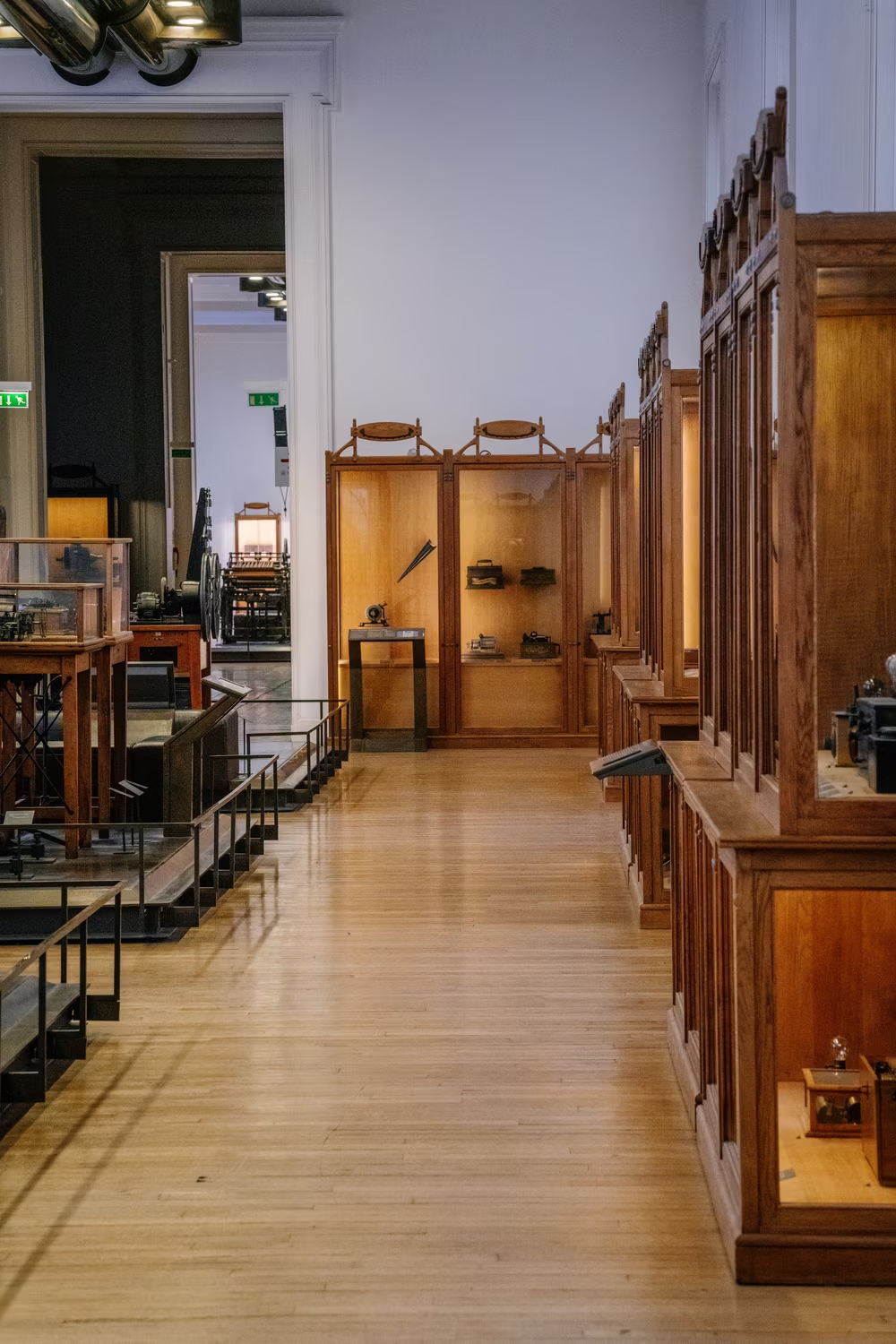
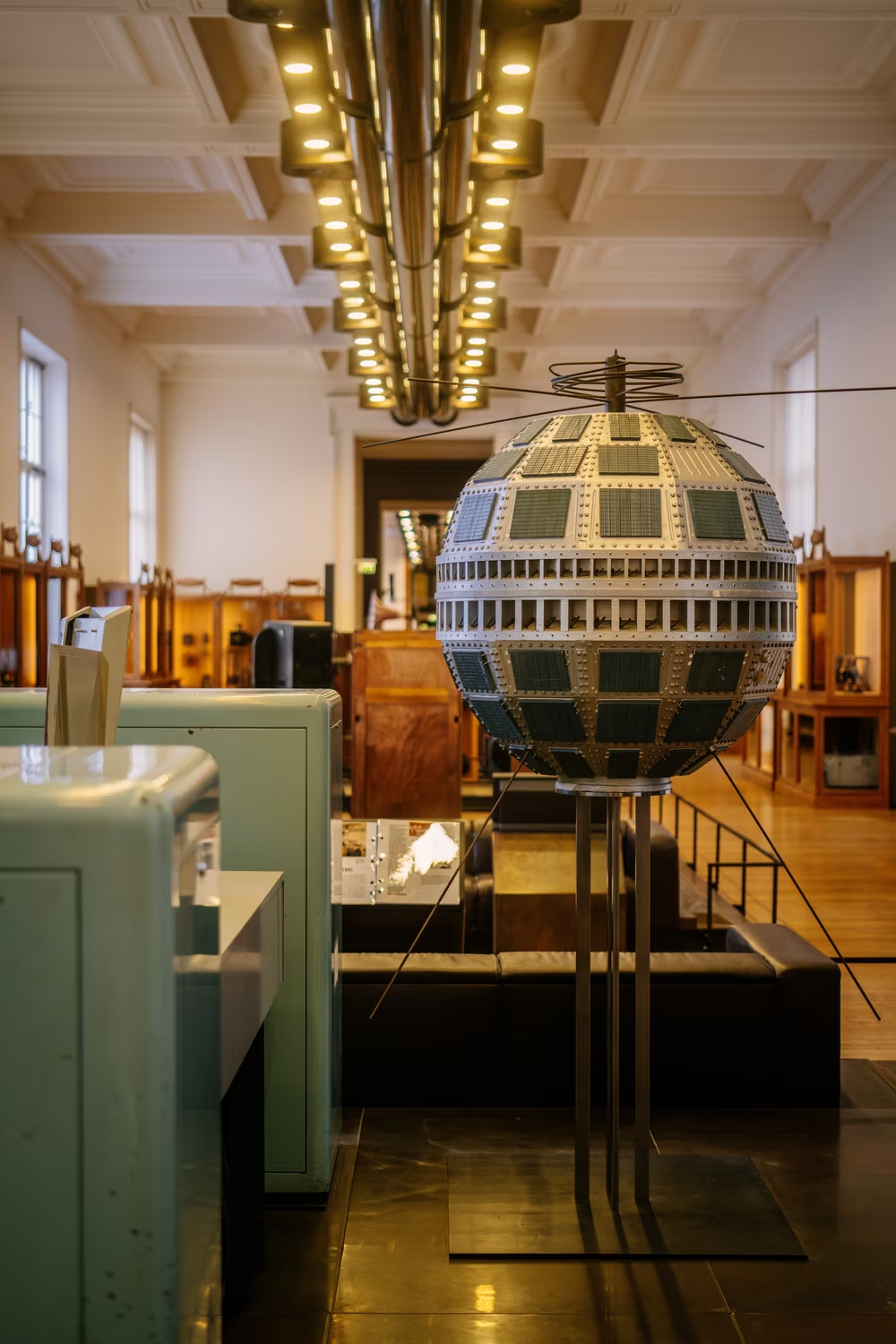
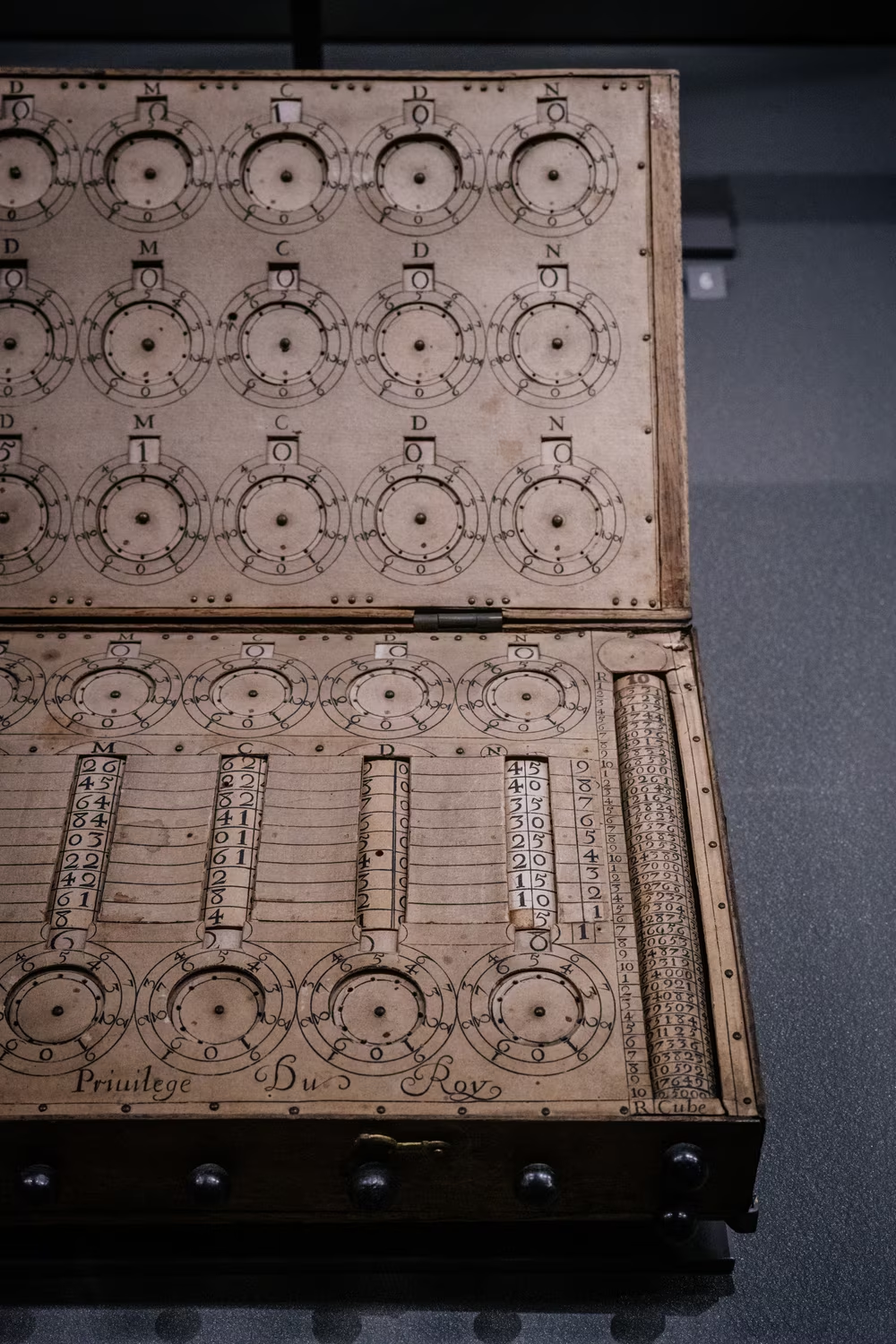
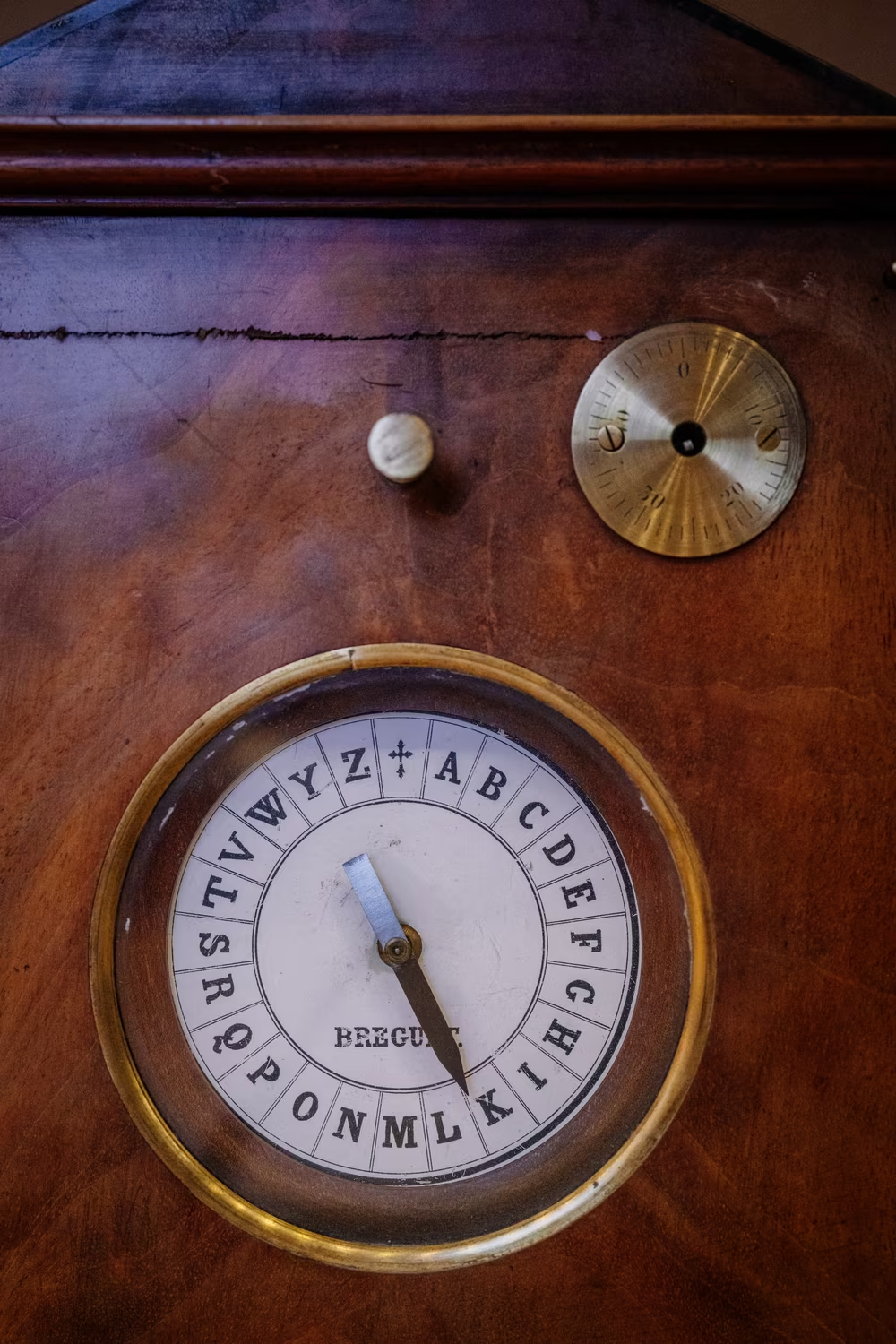
Both of these are old, but worth a visit. They feel like institutions subscribing to an early definition of a “museum” – a historical building, a bit of a distance and aloofness, maybe even some holier-than-thou attitude. But that can also be in a way inspiring, and doesn’t mean you can’t have fun or learn new things.
I mentioned “pride” earlier. Here the right word might perhaps be “respect” or “reverence.” A museum can overdo it, of course, but I think these two get the balance right. And, if not, you can just come for the buildings.
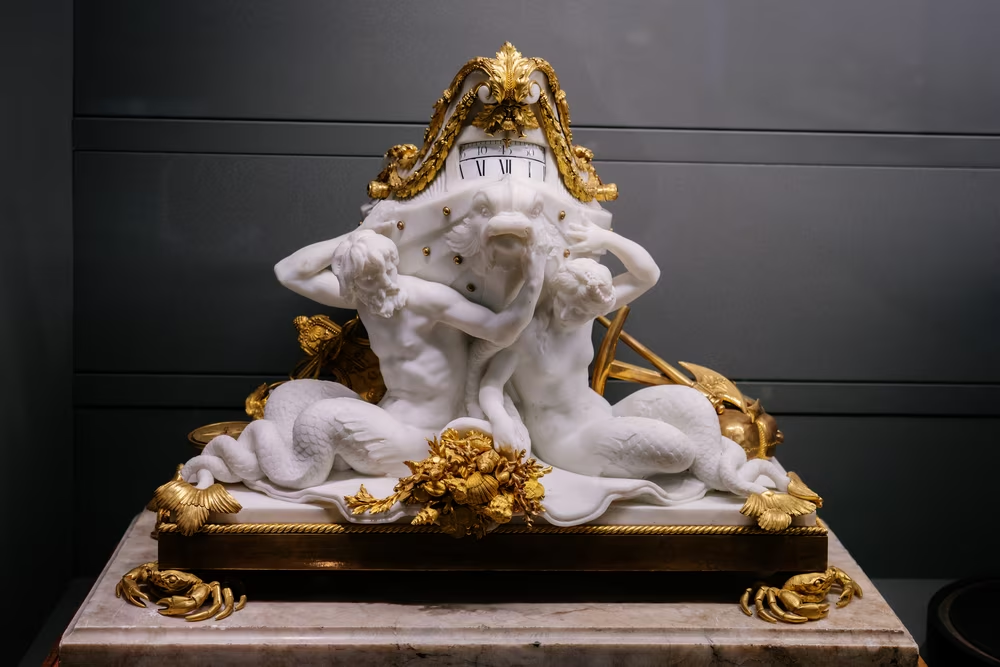
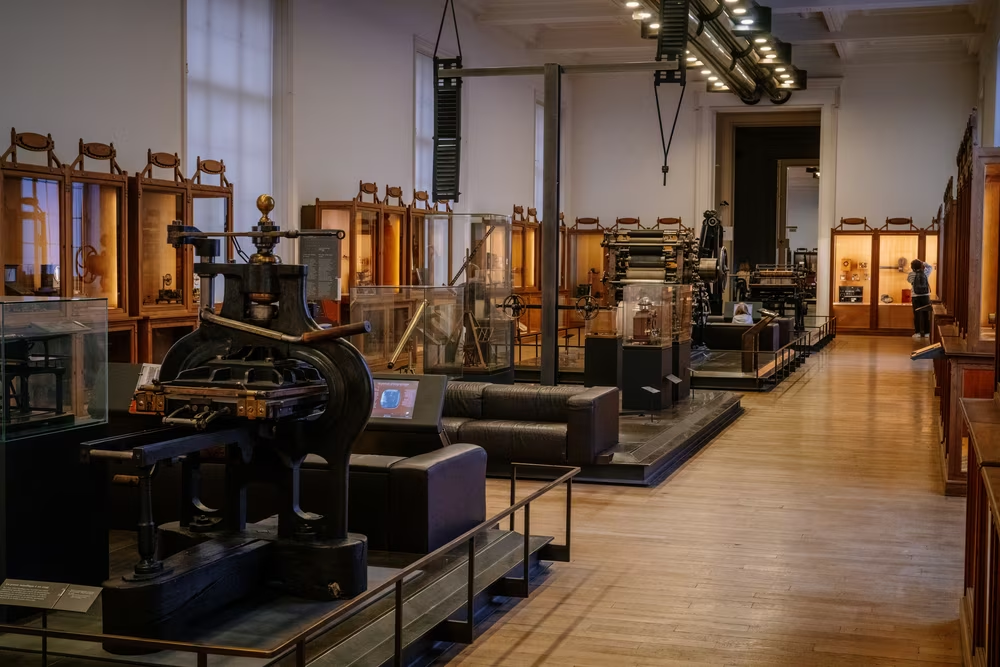
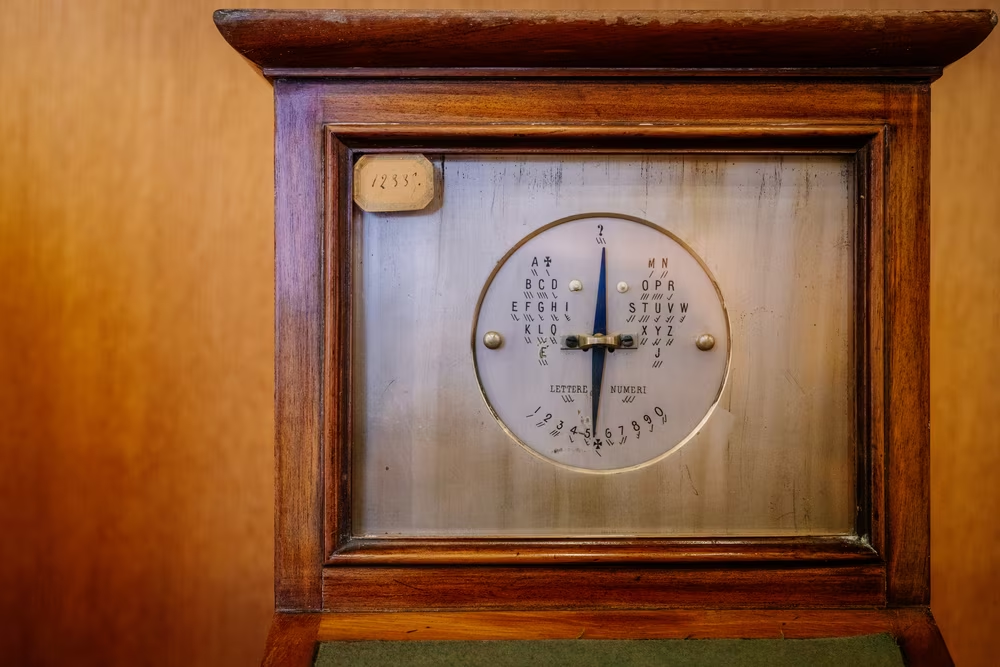
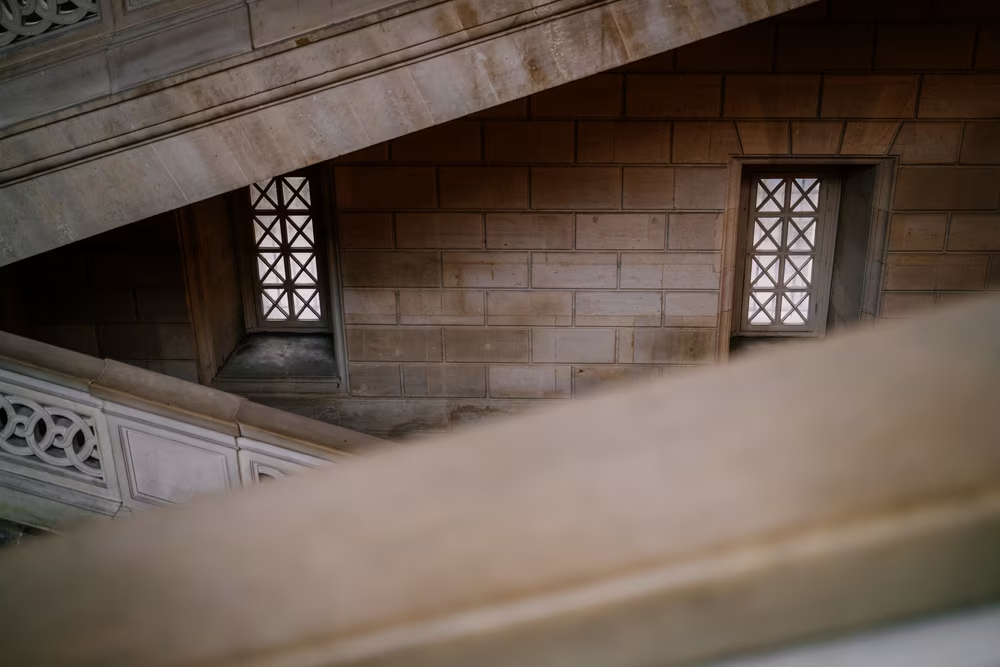
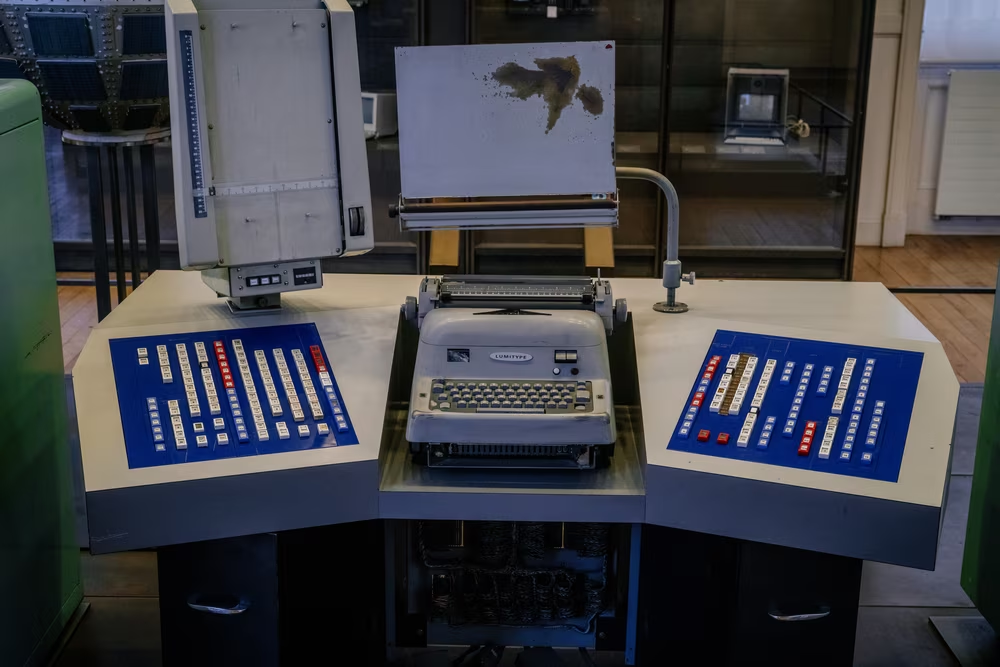
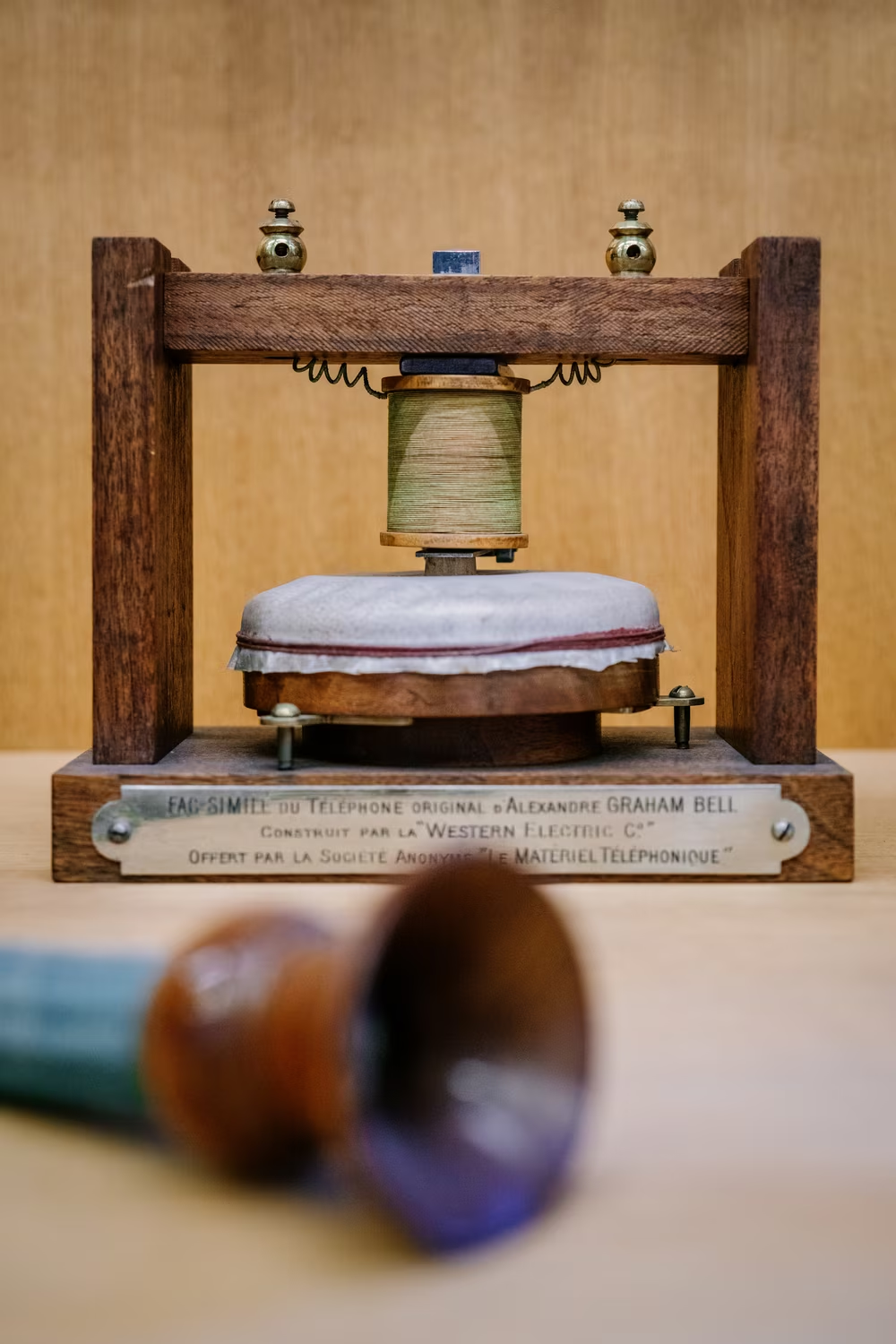
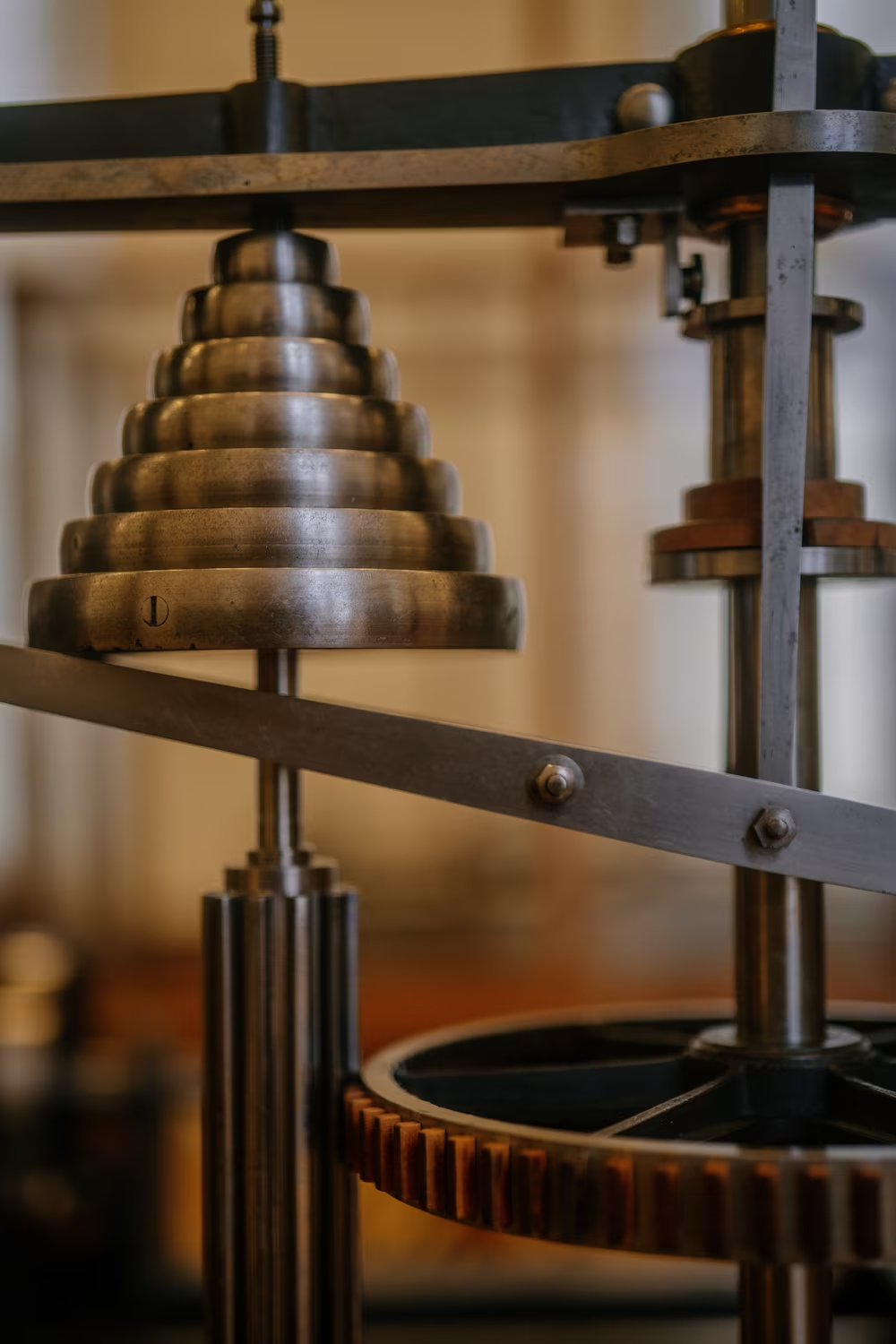
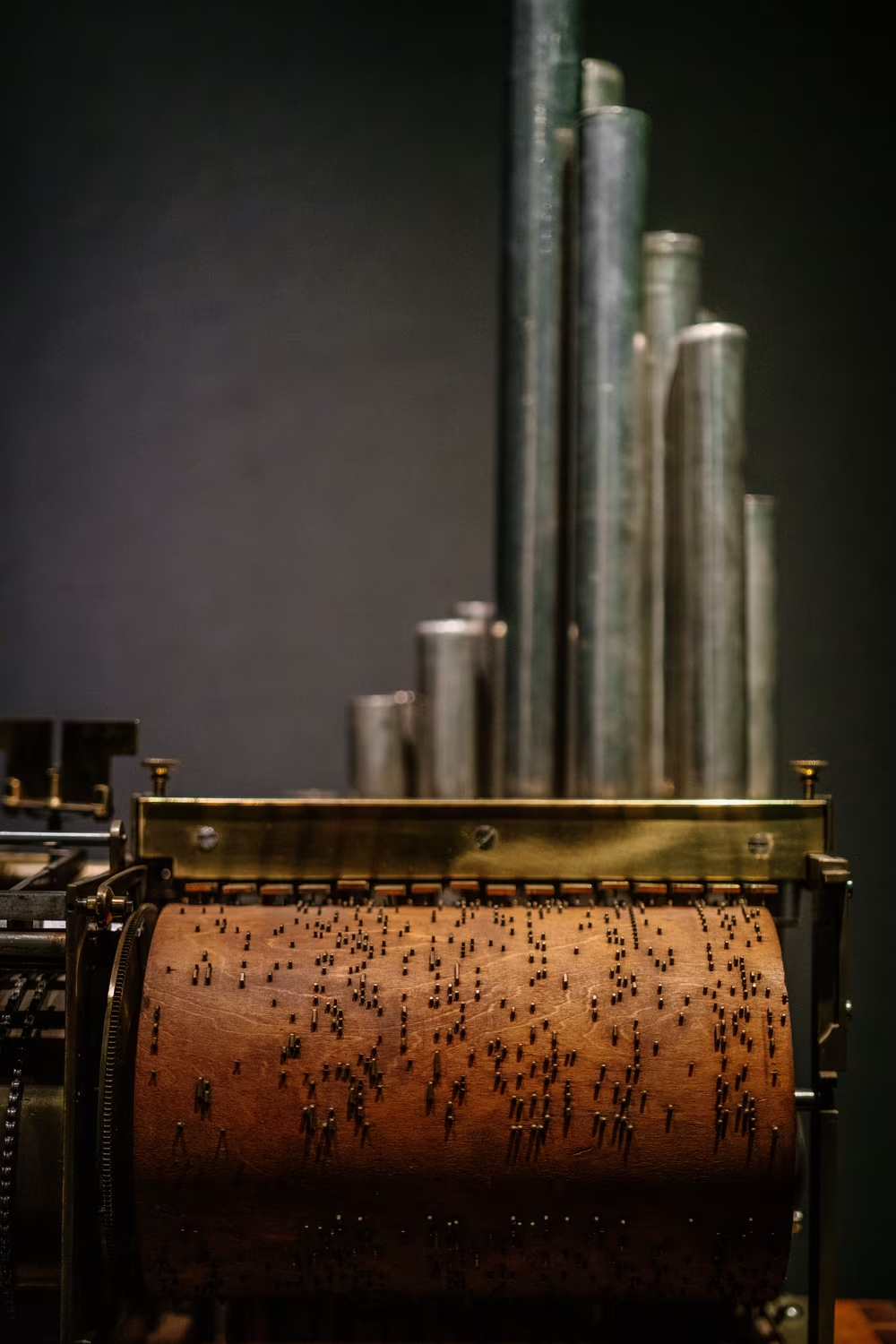

mNACTEC (Museu Nacional de la Ciència i de la Tècnica de Catalunya)
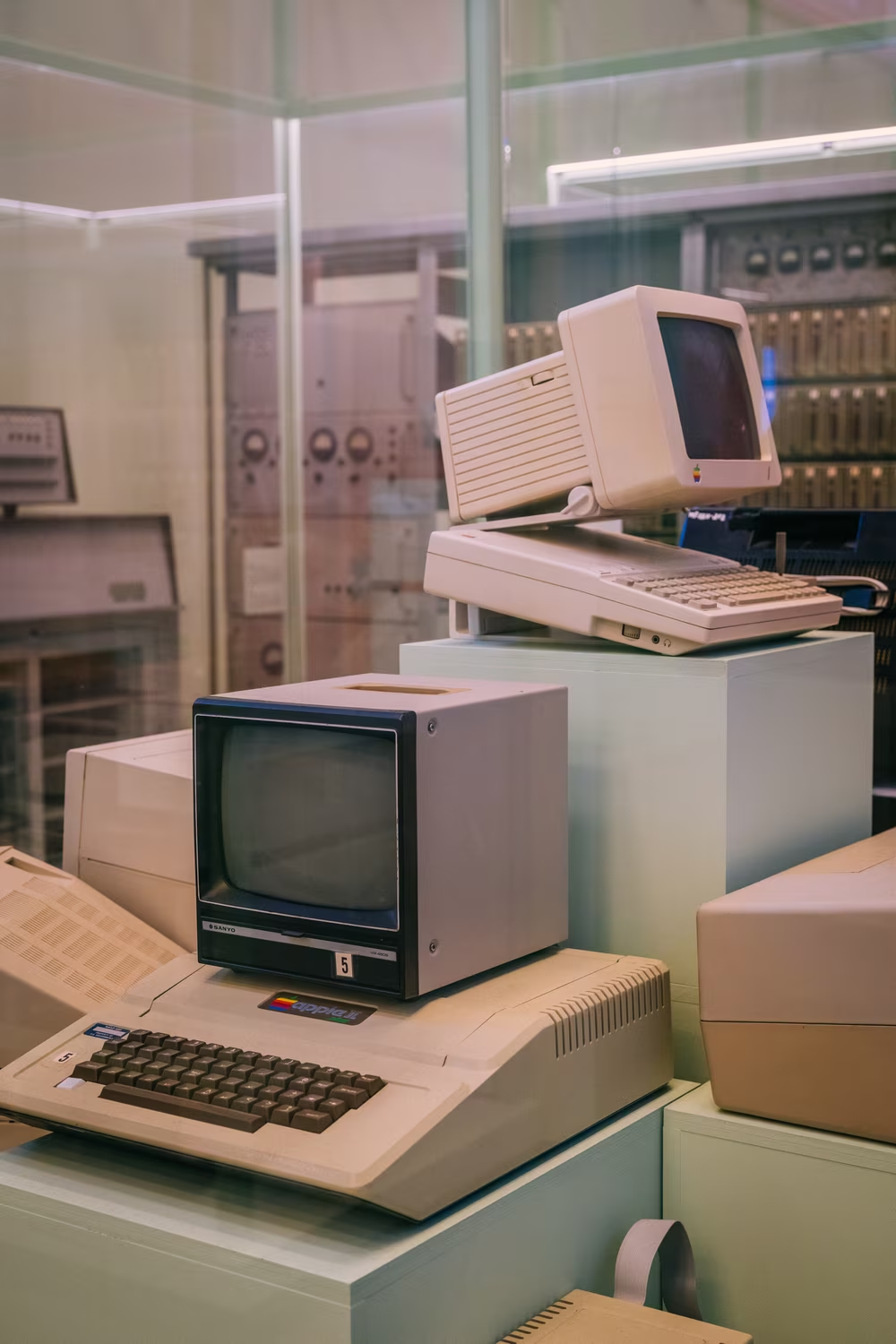
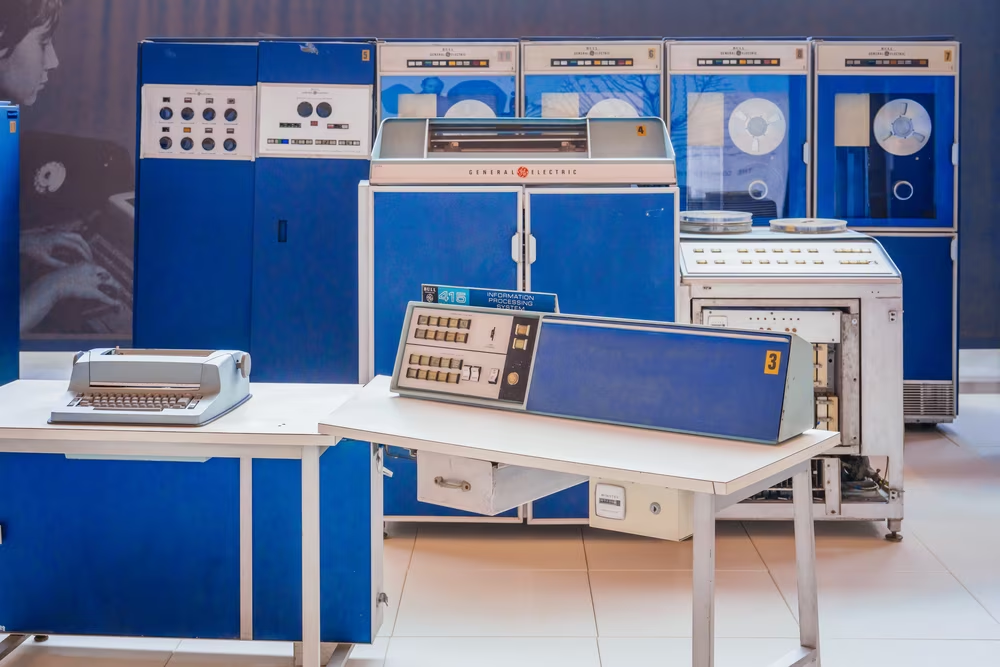
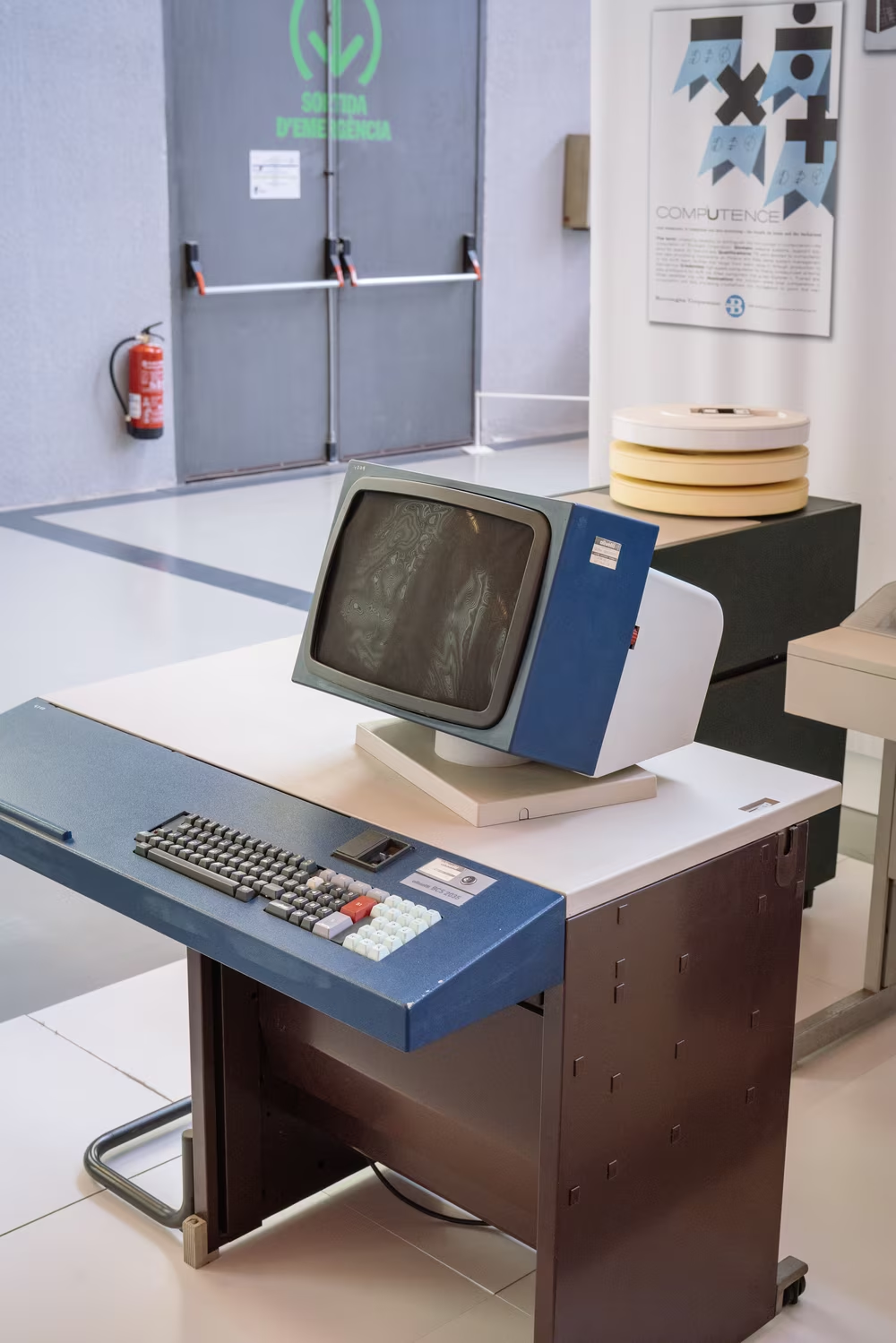
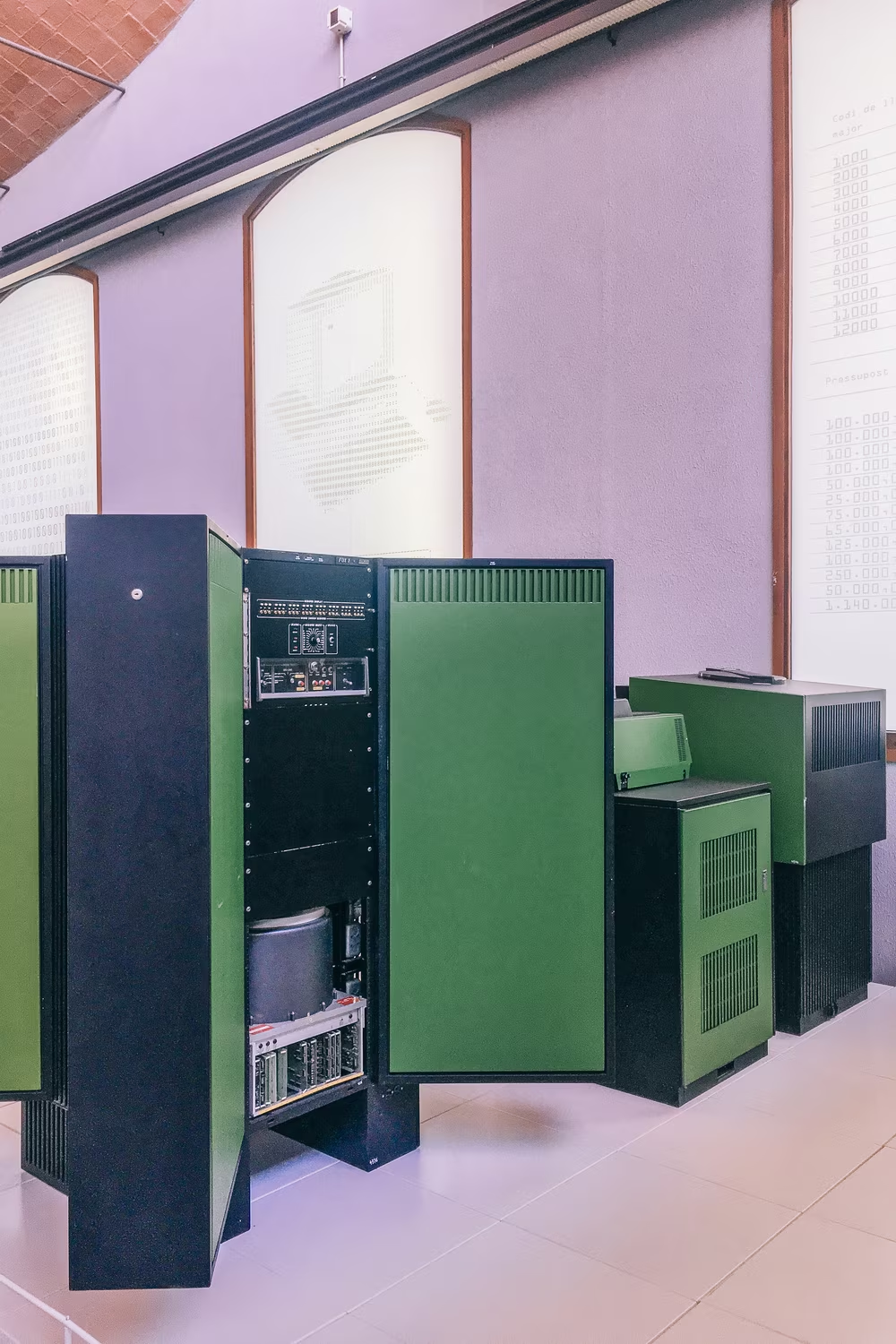
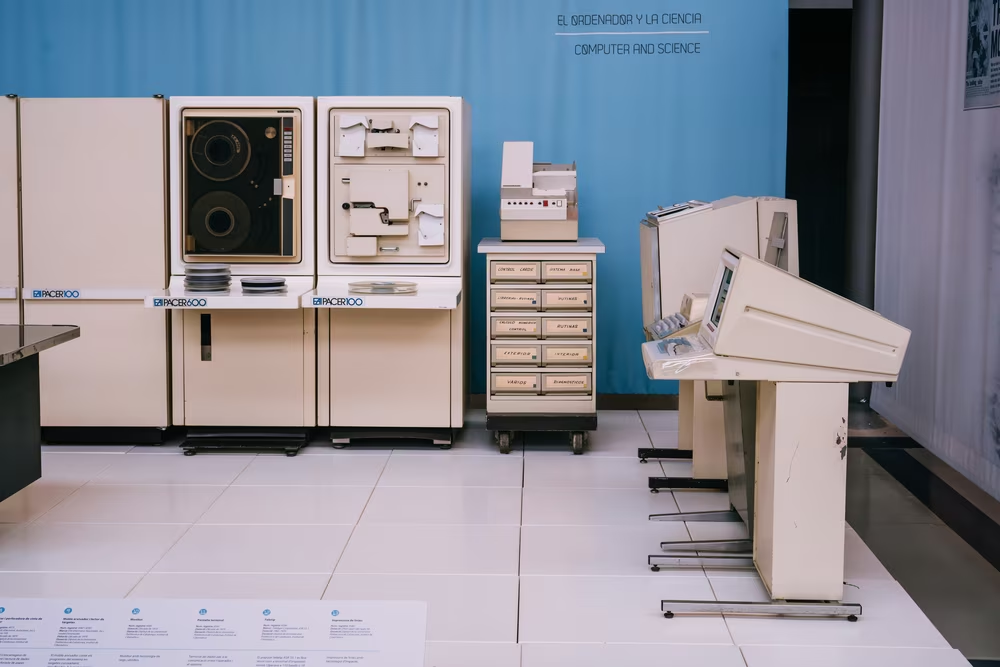
A cool museum north of Barcelona that hosts a sliver of computing history you don’t see often: European mainframes.
I’m worried that this might mean this part of the museum is not as popular as others – I imagine nostalgia for mainframes is a small sliver of nostalgia for microcomputers – but I appreciate it. There are a lot of microcomputer museums, but not enough of this.
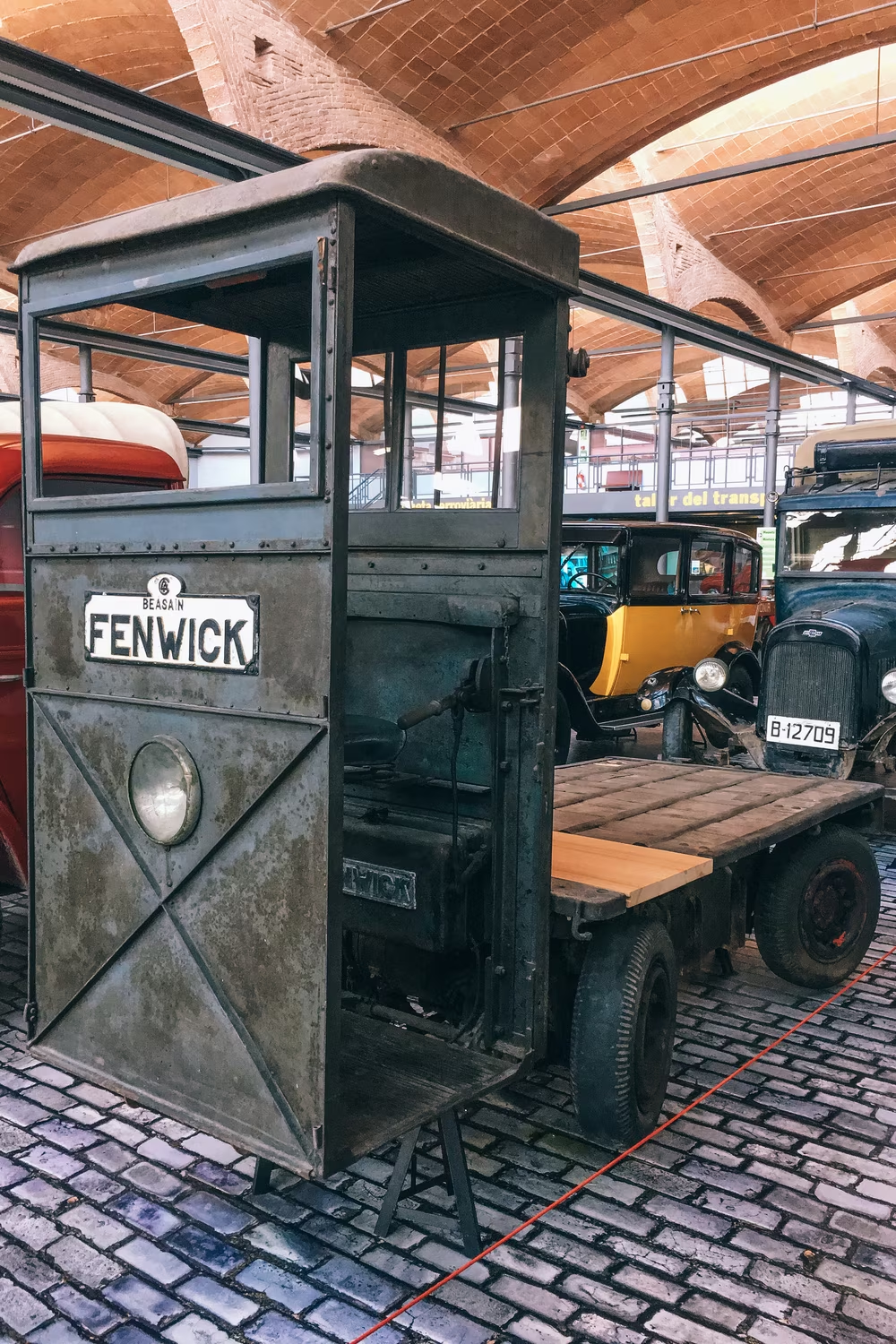
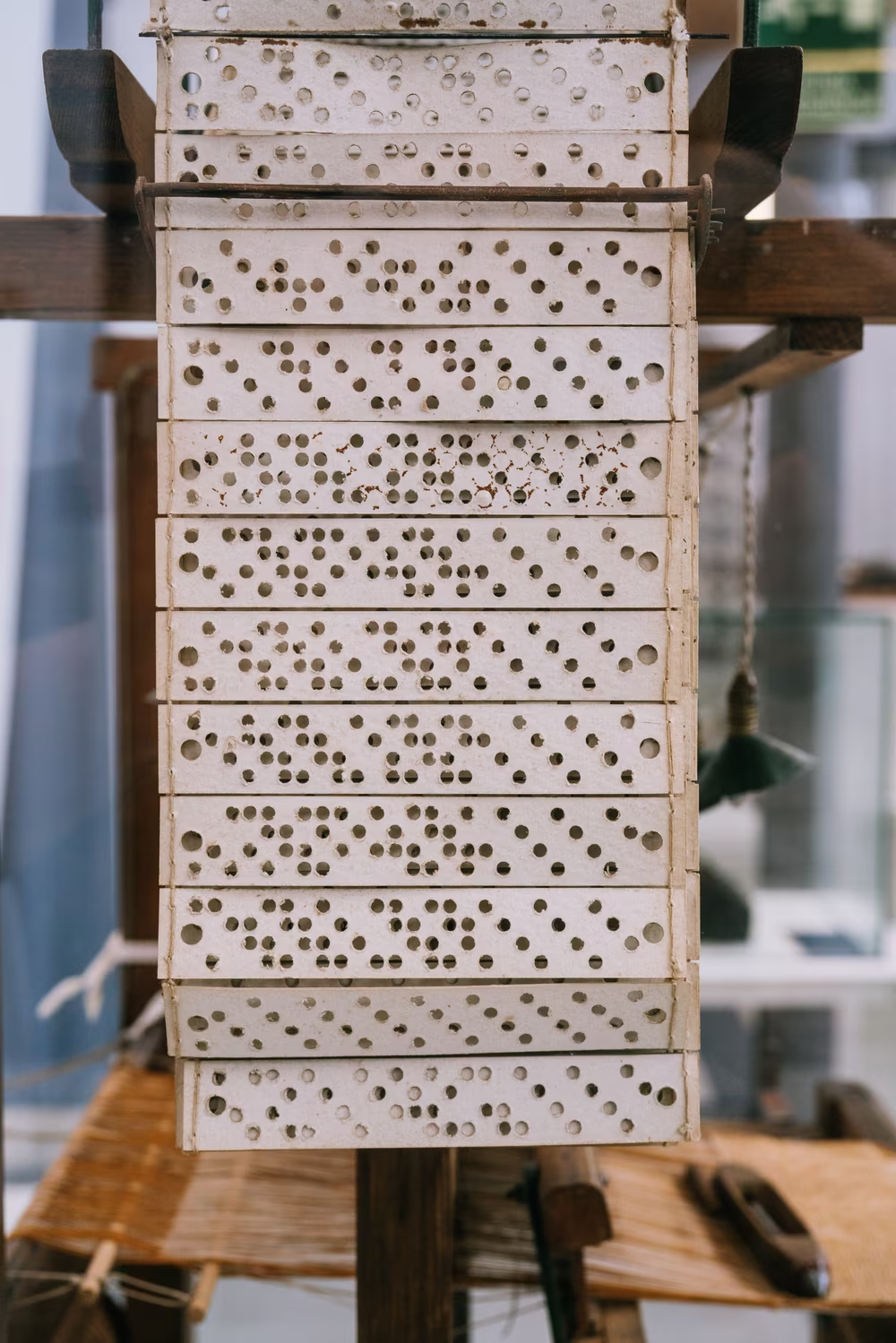
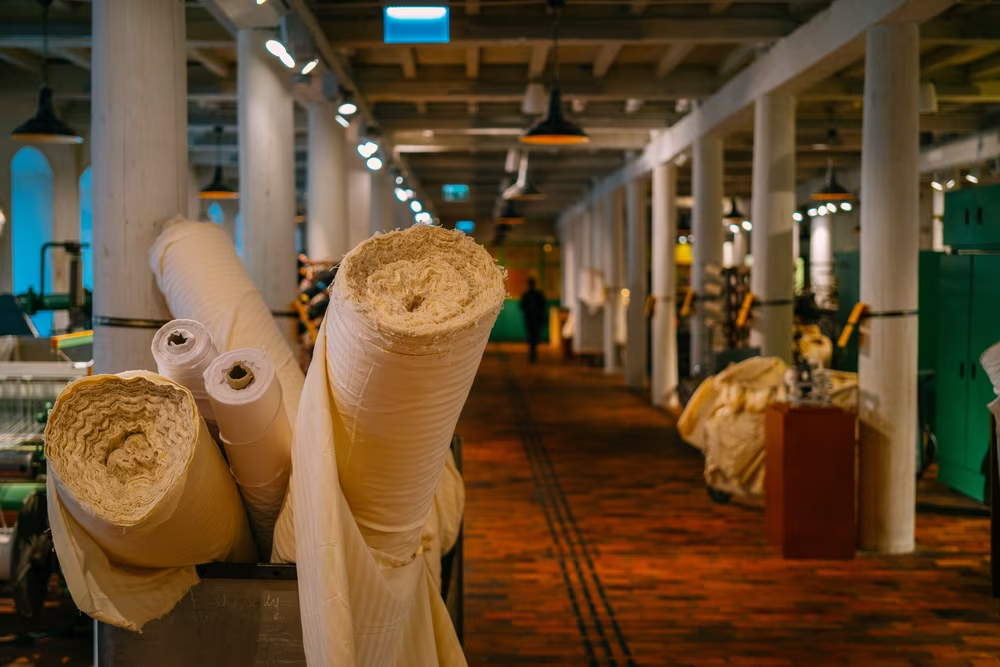
Mainframes require a lot of room and this museum has that, being in an old building that used to be a cotton mill that itself is part of the attraction. (Also, there is a lot more in the collection, specifically textile mills and cars.)
Muzeum Inżynierii i Techniki / Museum of Engineering and Technology
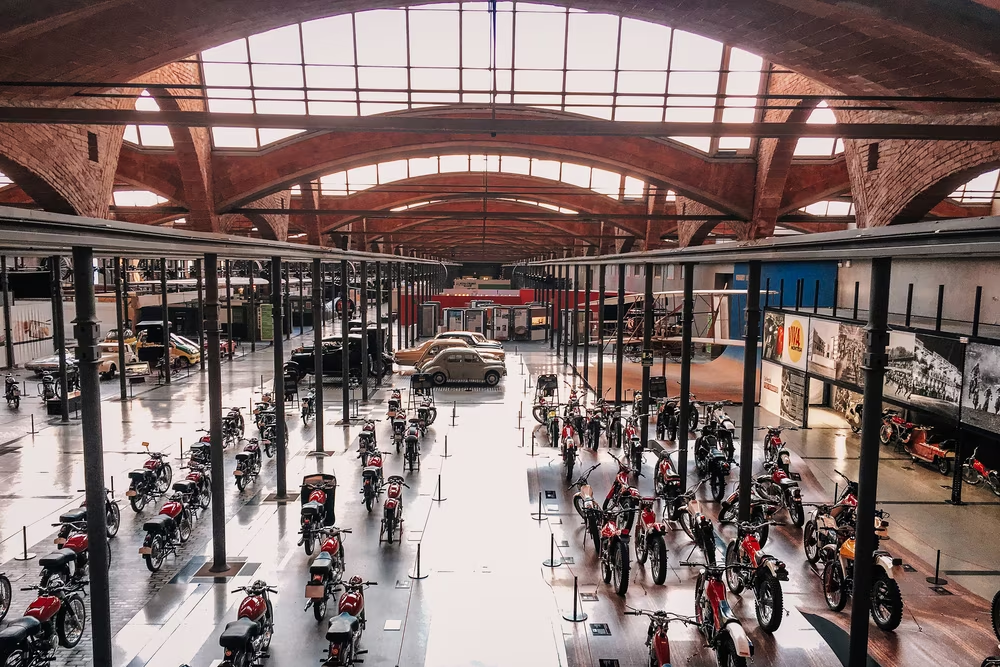
I keep harping about “big buildings” and “huge collections” as something becomes clear in my head: the museums often have an advantage of size. It’s not that you cannot have a tiny museum that works and means something to people… but if you have a huge building or an impressive collection and you use it well – you have something that few can replicate.
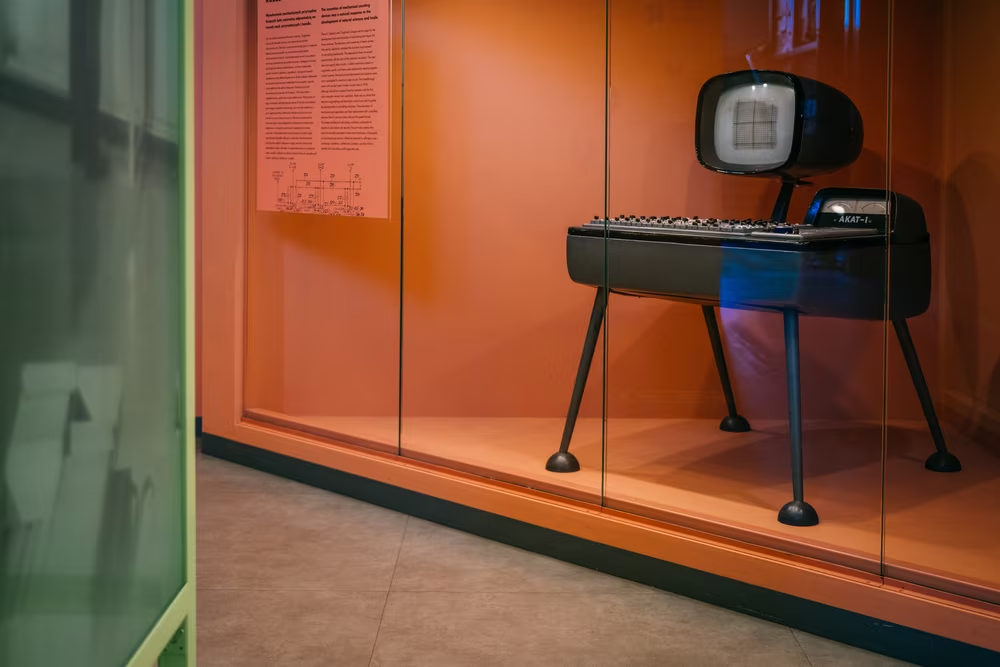
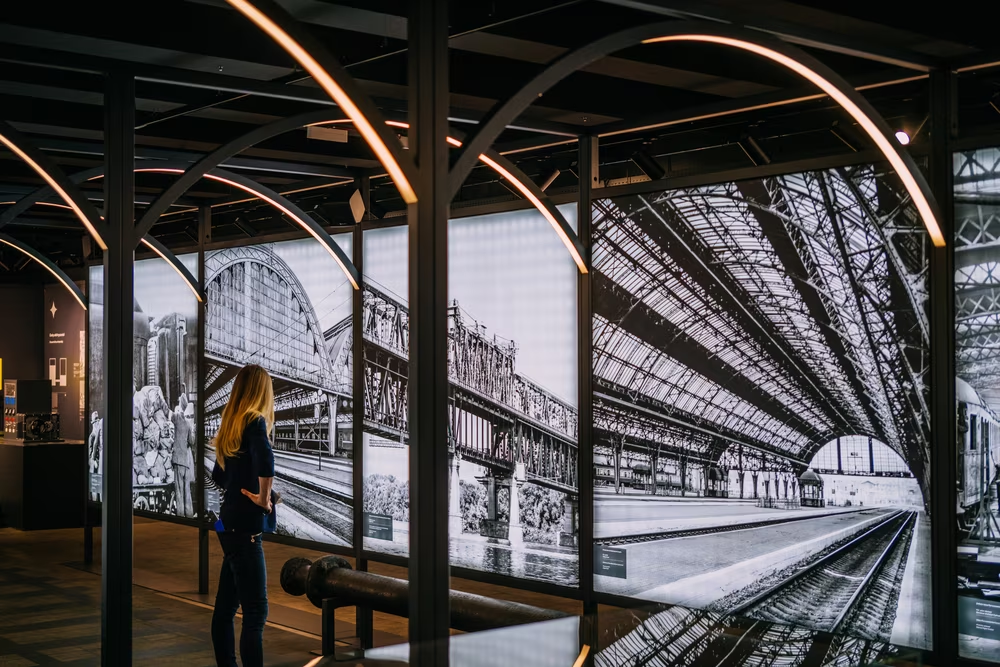
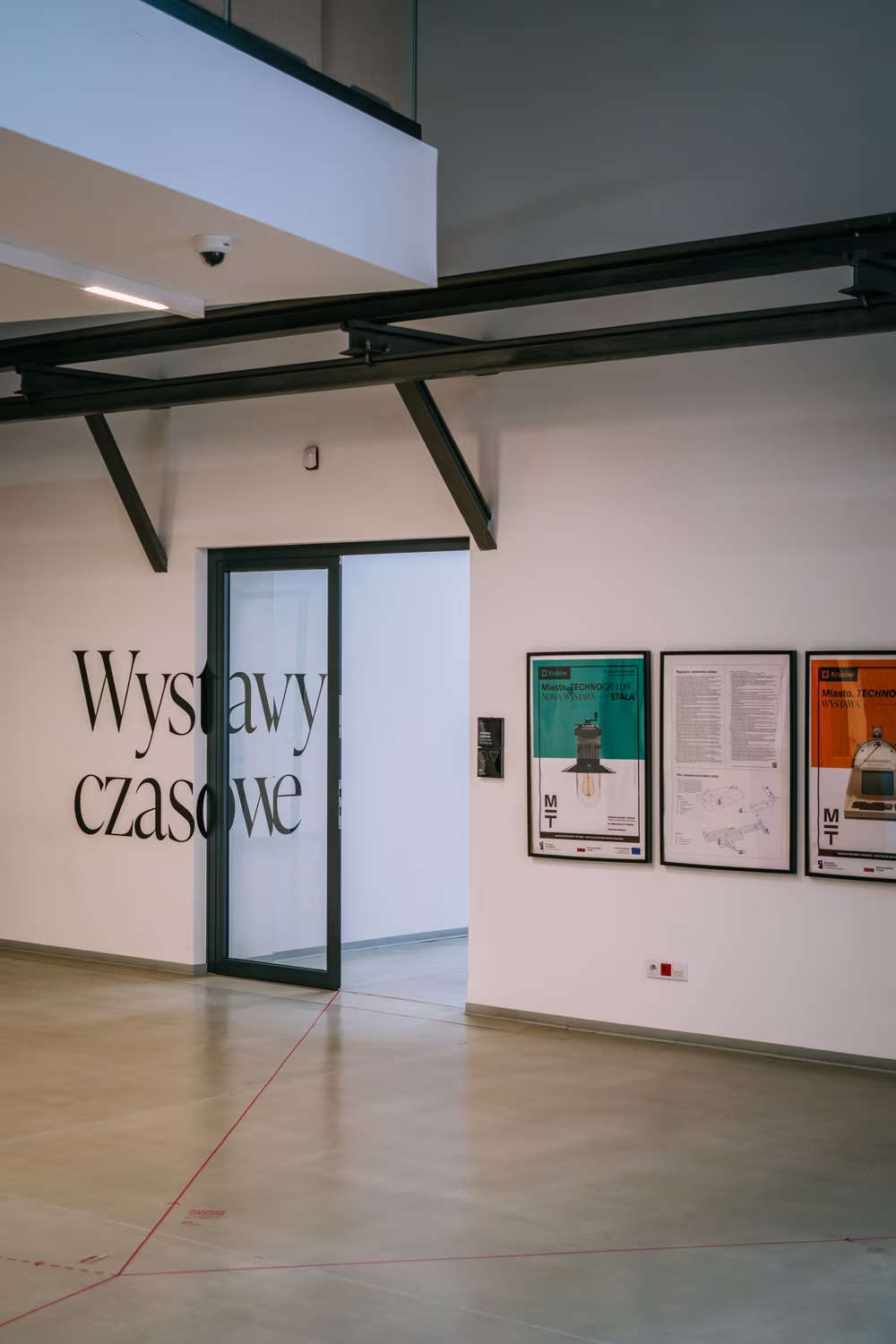
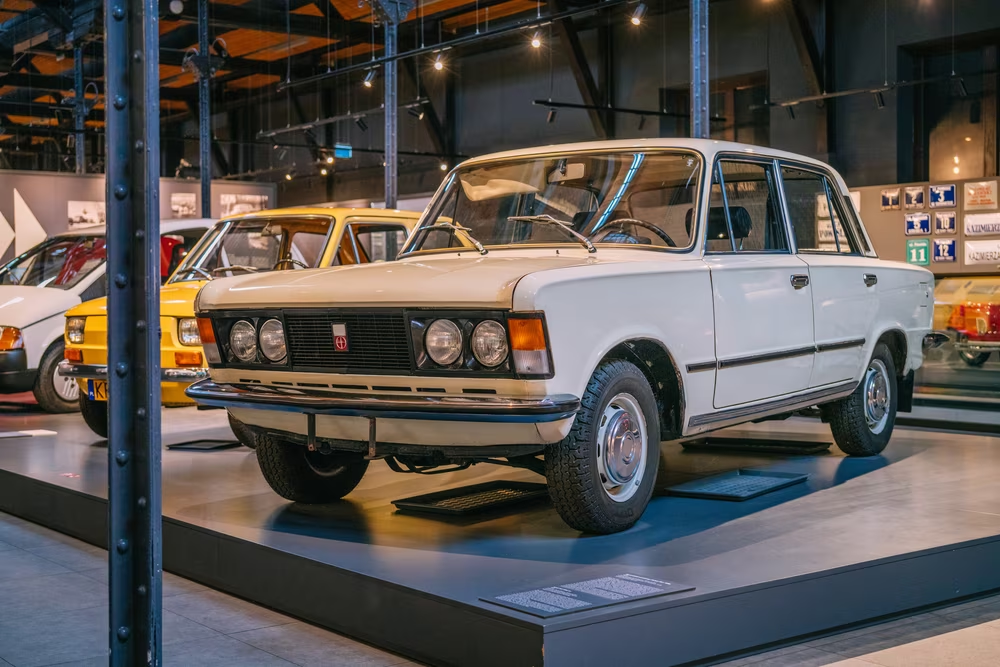
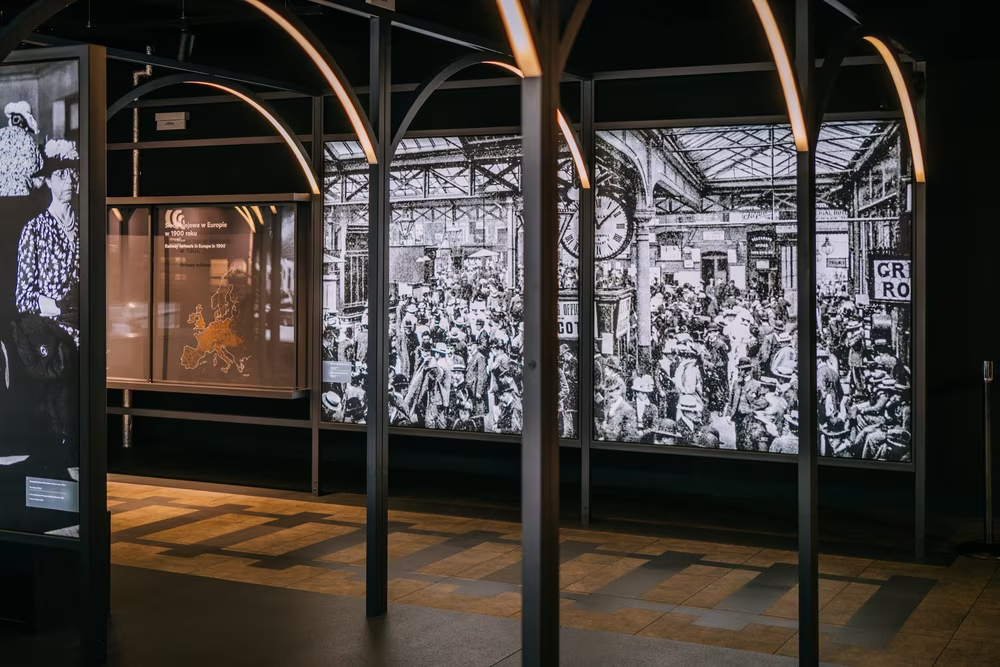
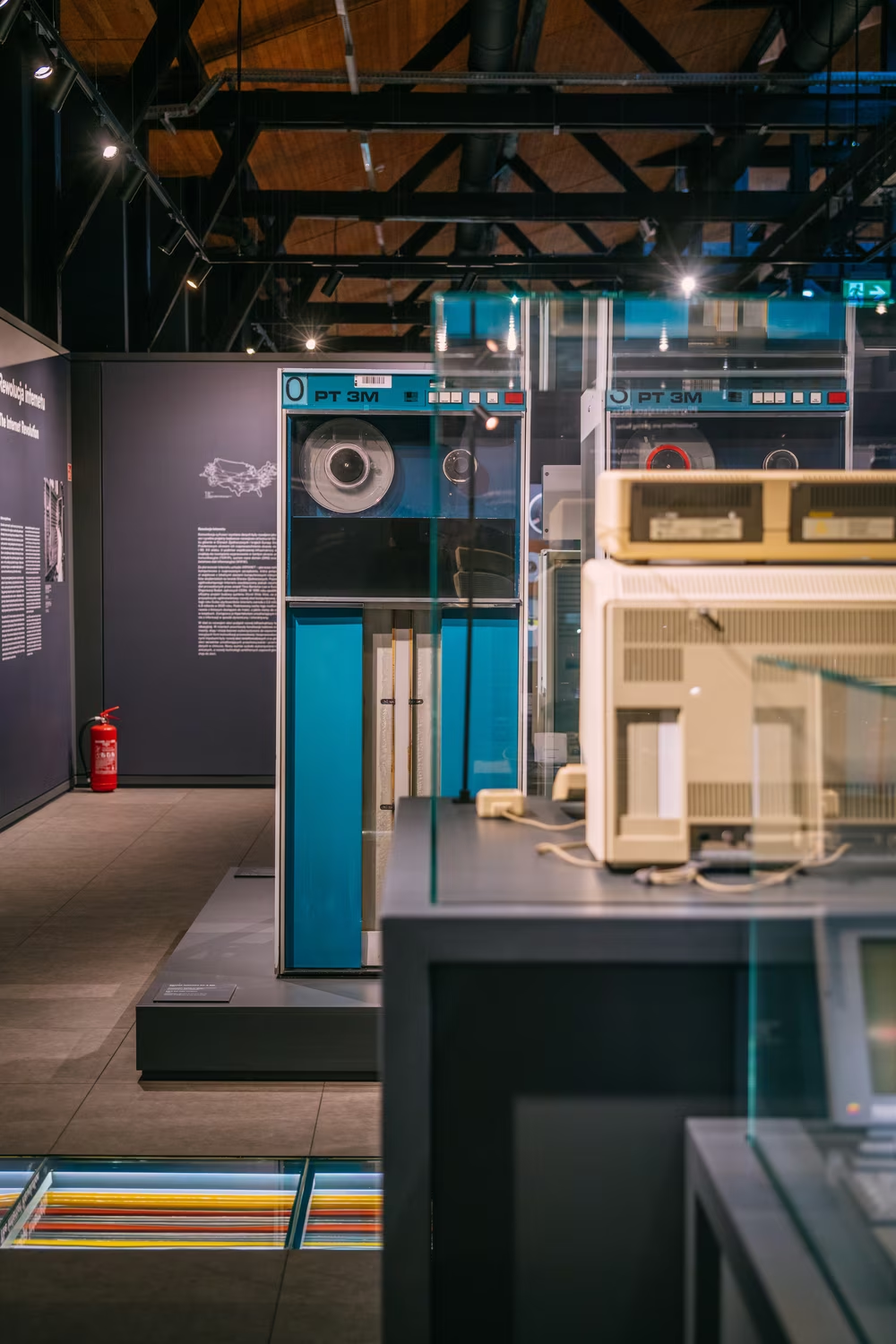
This city tech museum in Kraków reminded me of that rule in a very simple way: It has human-size photos that are really impressive. That’s it. That alone felt worth a price of admission, seeing Poland as it used to be a century ago, like you can’t in any other setting. I might have never moved less at a museum, just standing next to each photo for many minutes on end, noticing all the little details.
(It reminded me of Rick and Megan Prelinger’s Lost Landscapes of San Francisco, which approaches this in a very different format by putting people in a movie theatre once a year and have them watch – and react! – to old clips of San Francisco.)
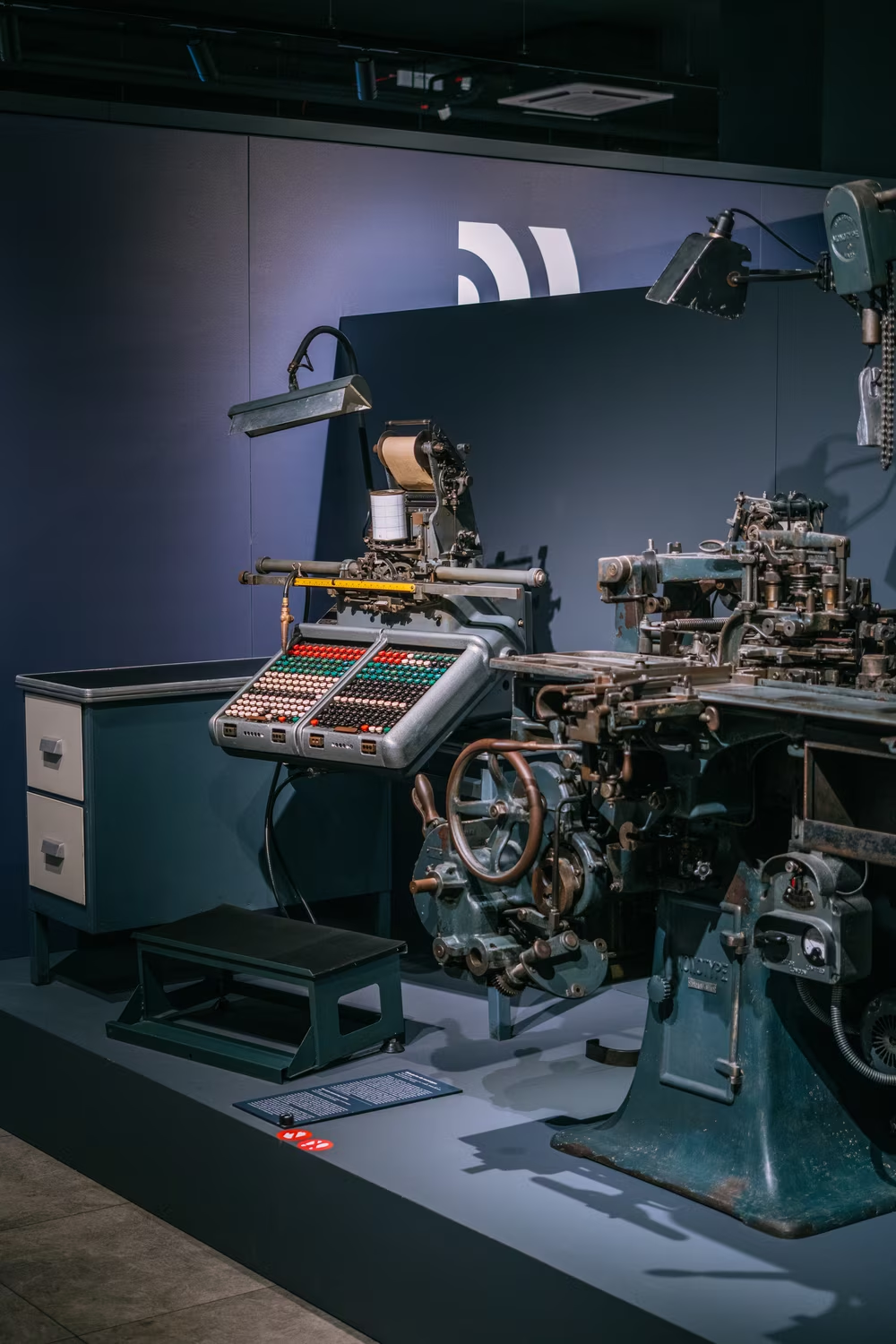
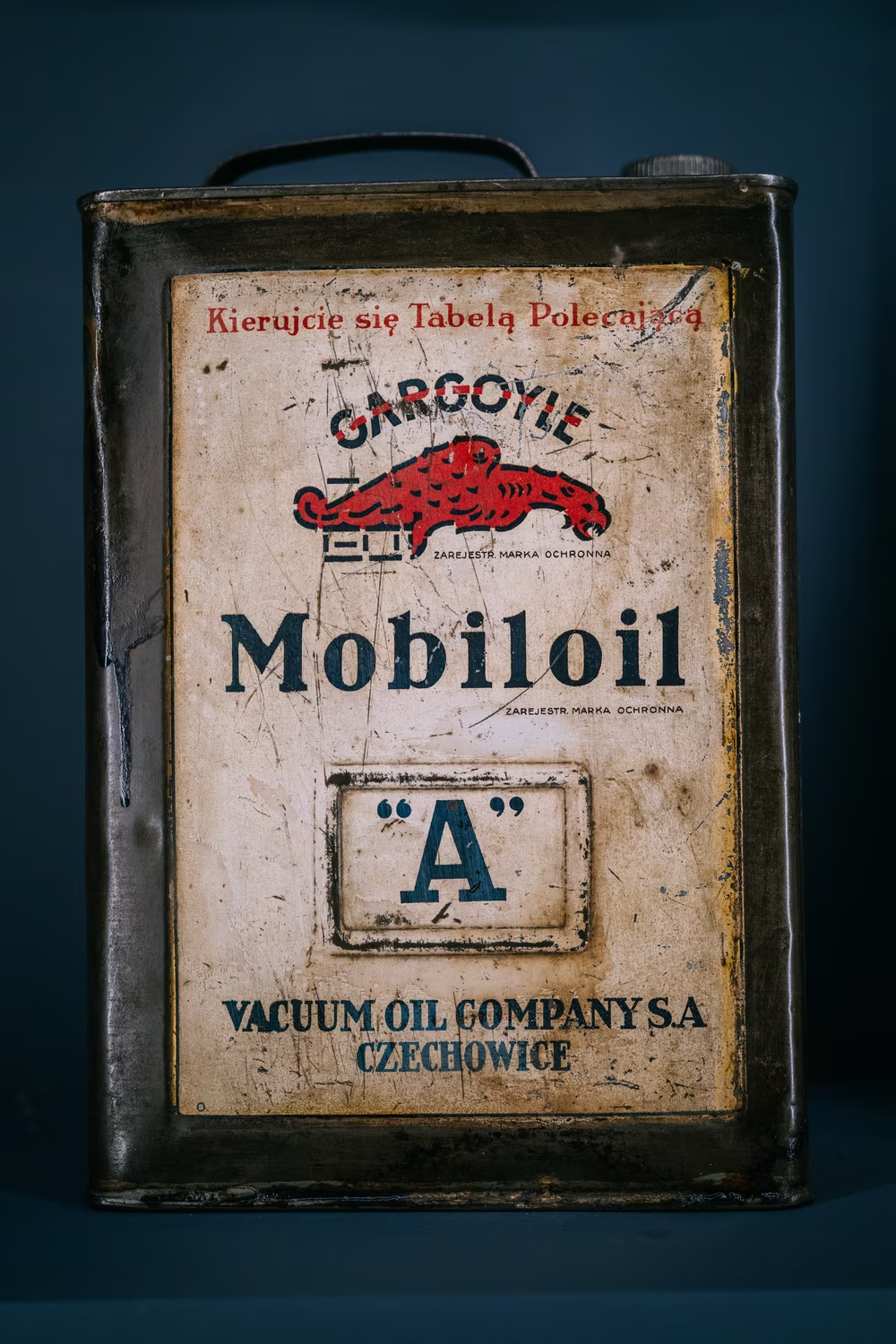
Many other design details here made me happy, from typography wrapping around, to dramatic lighting. (Unfortunately, some exhibits here are much more traditional and maybe a bit, to me, boring.)

Muzeum Neonów / Neon Museum
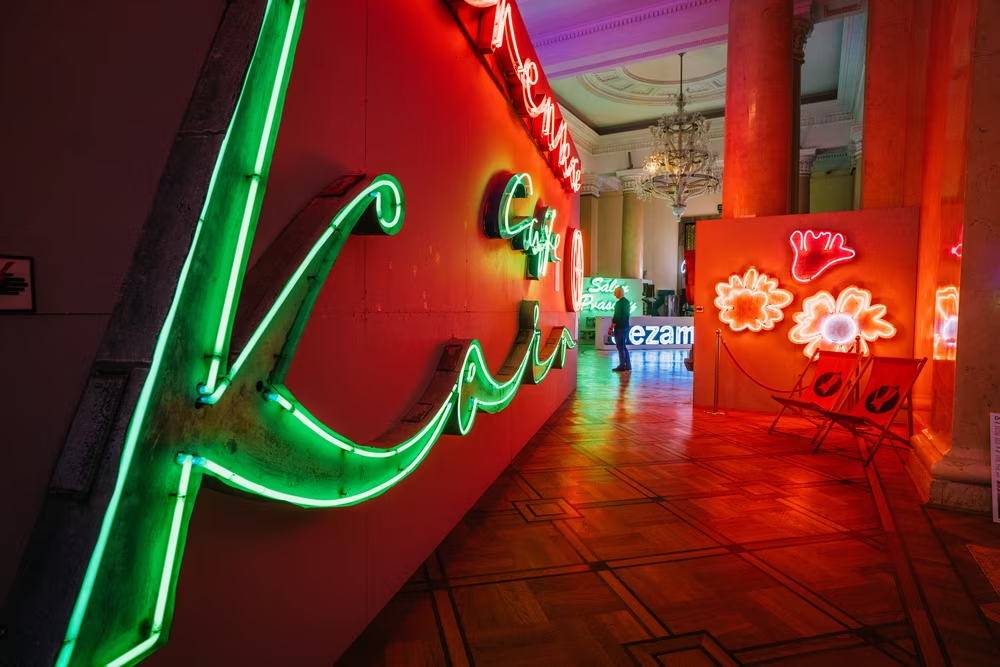
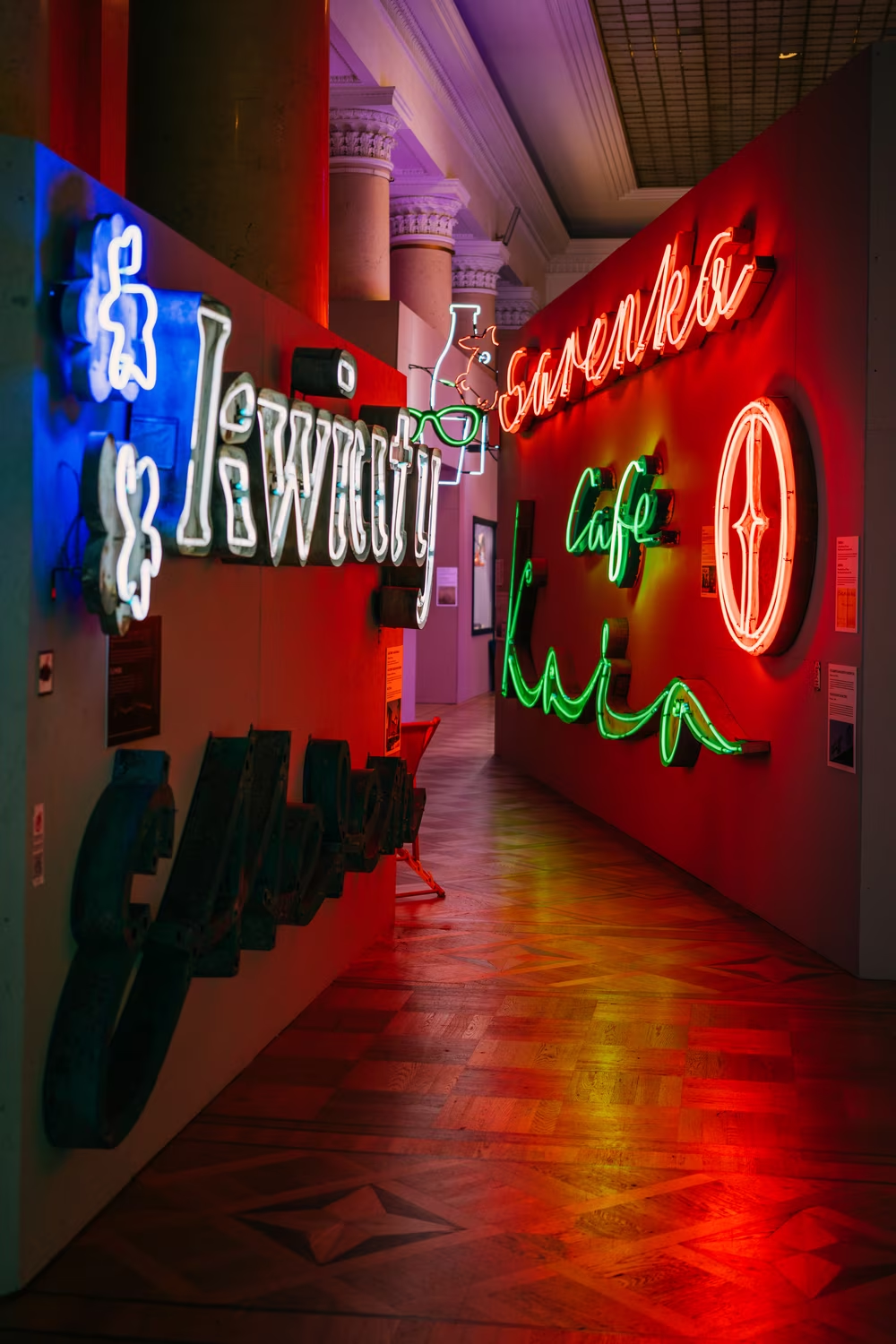
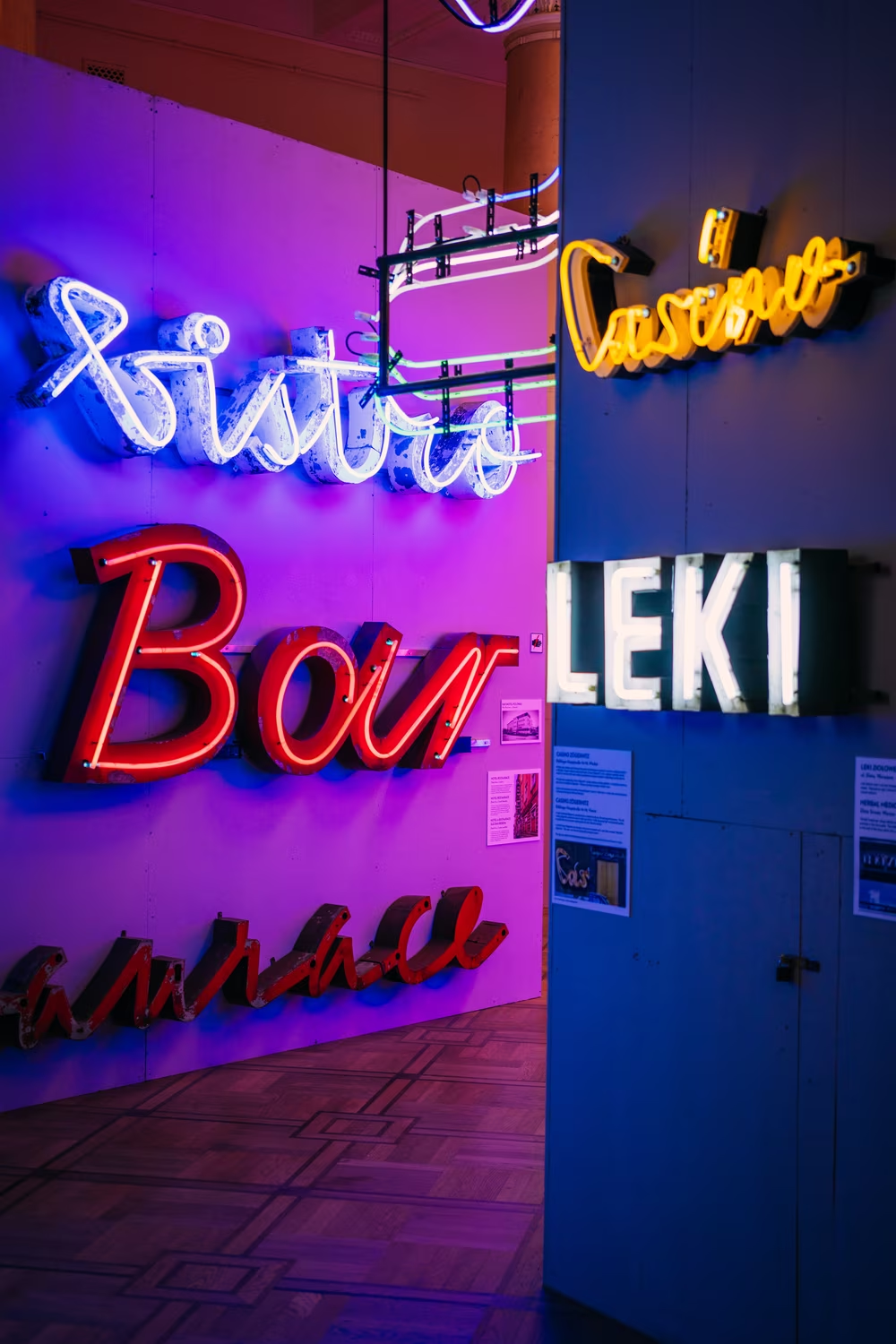
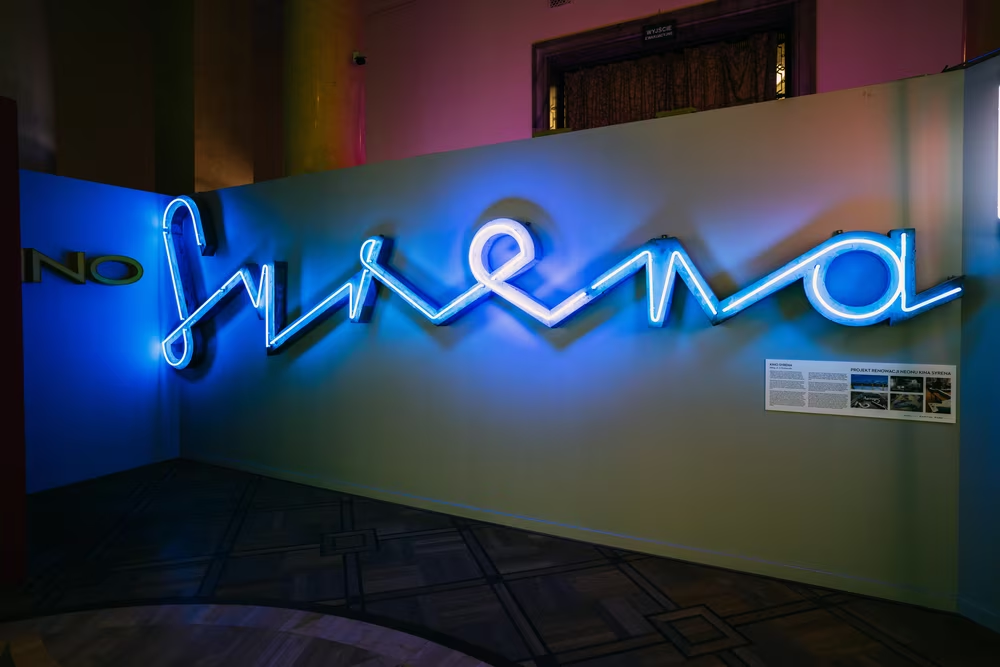
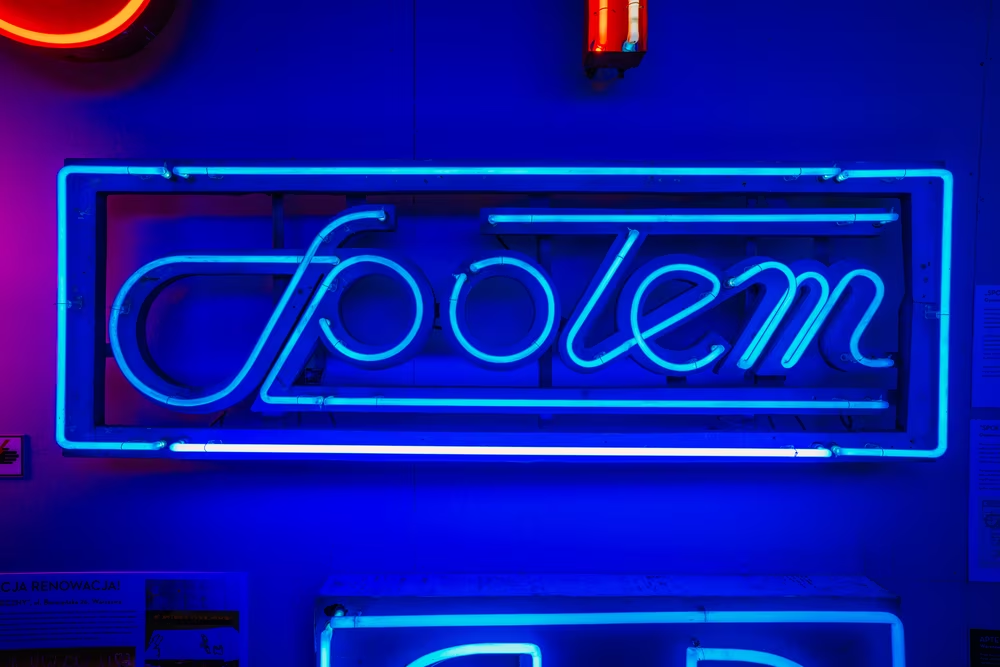
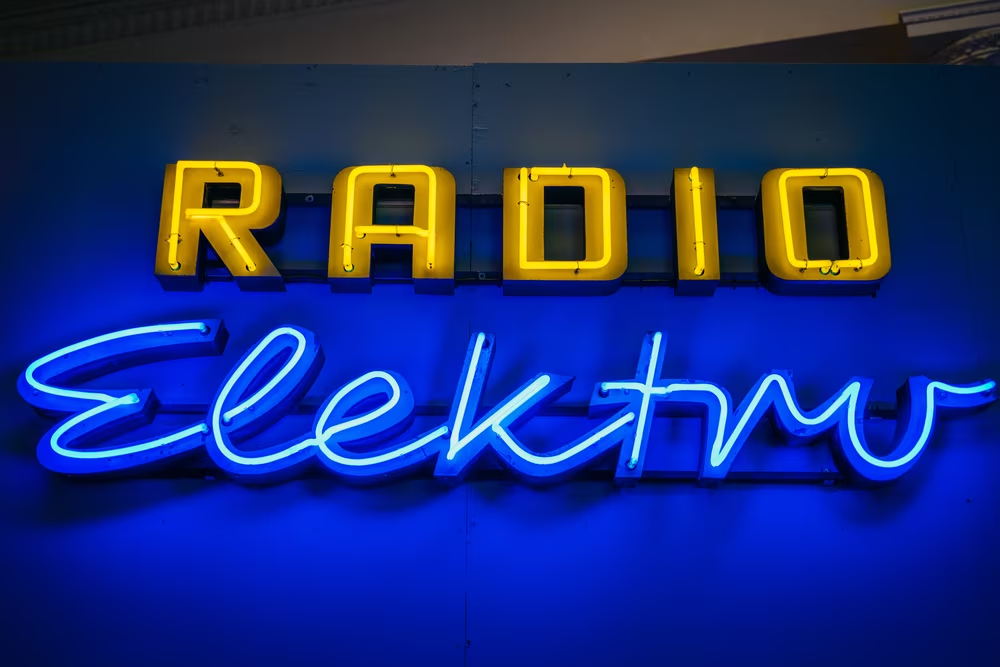
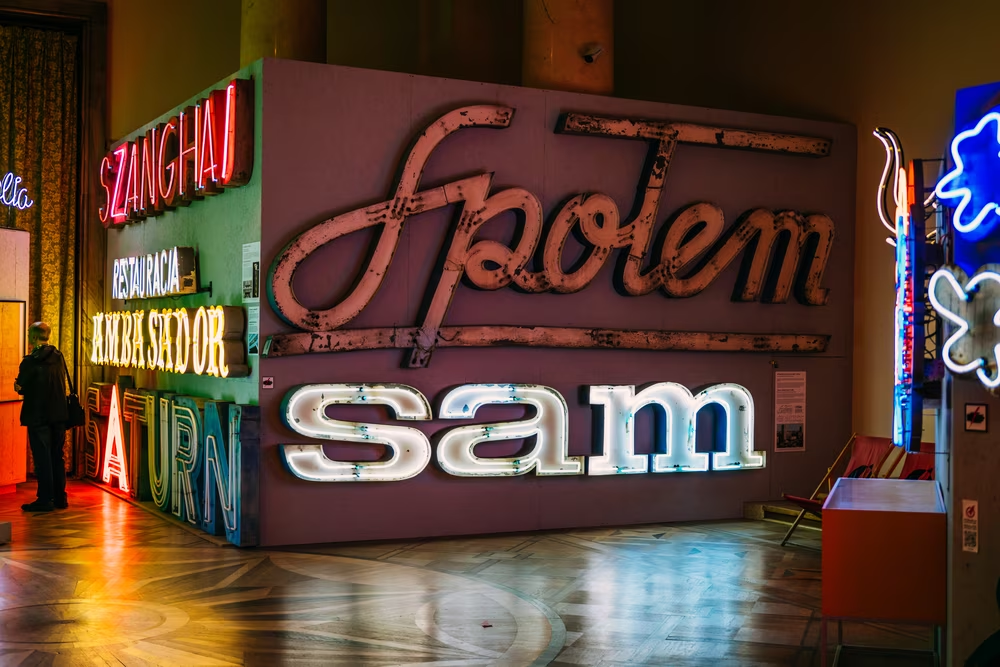
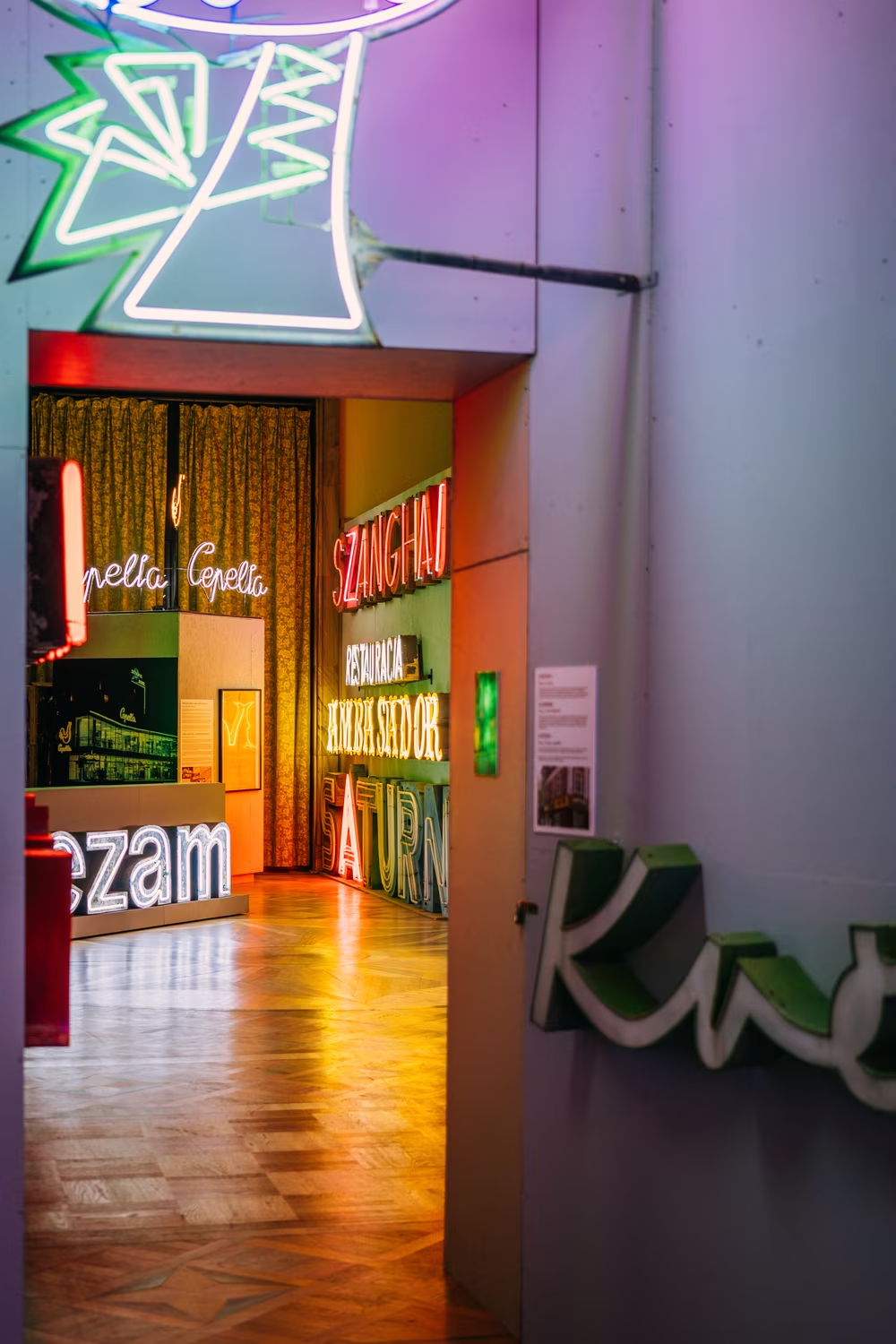
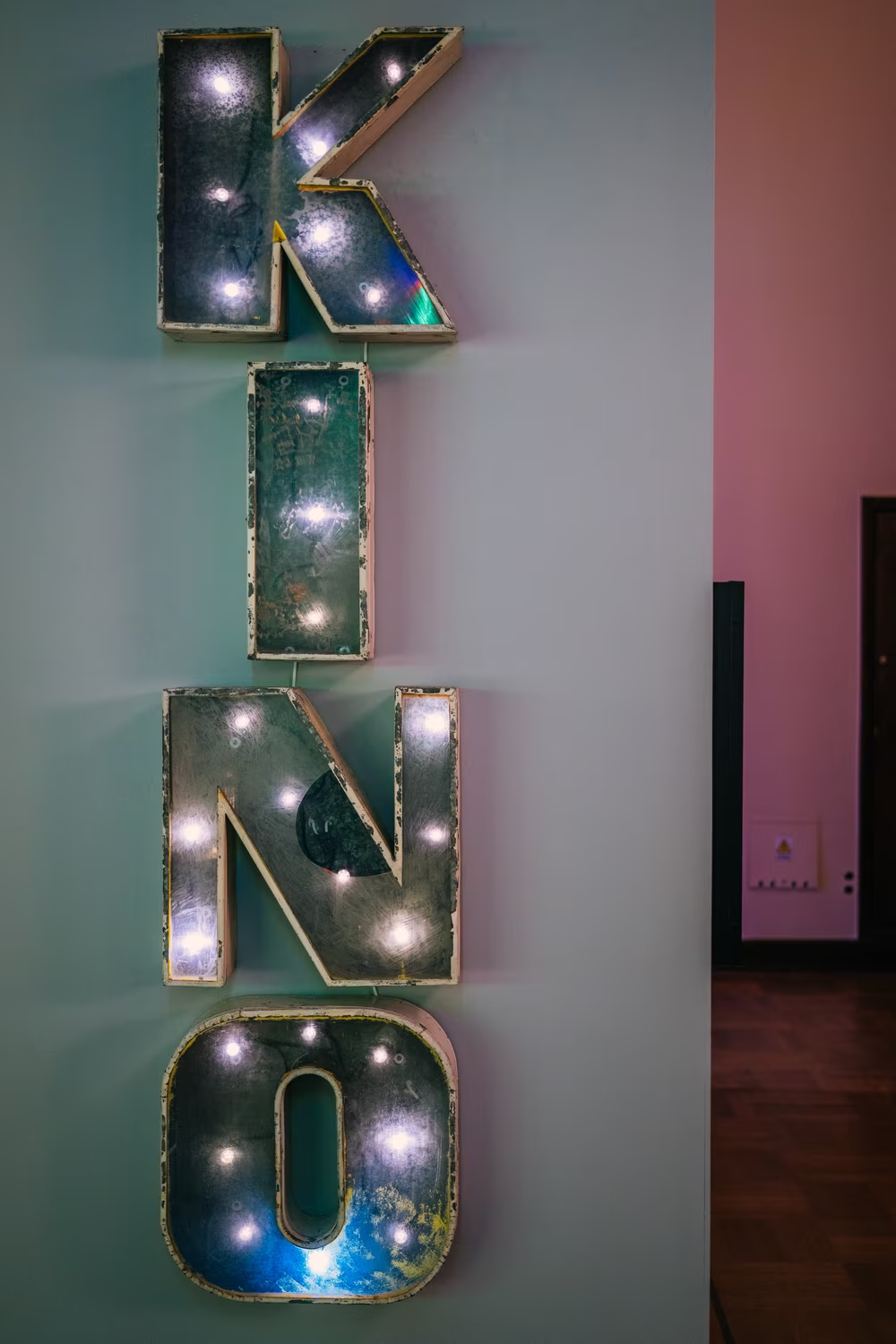
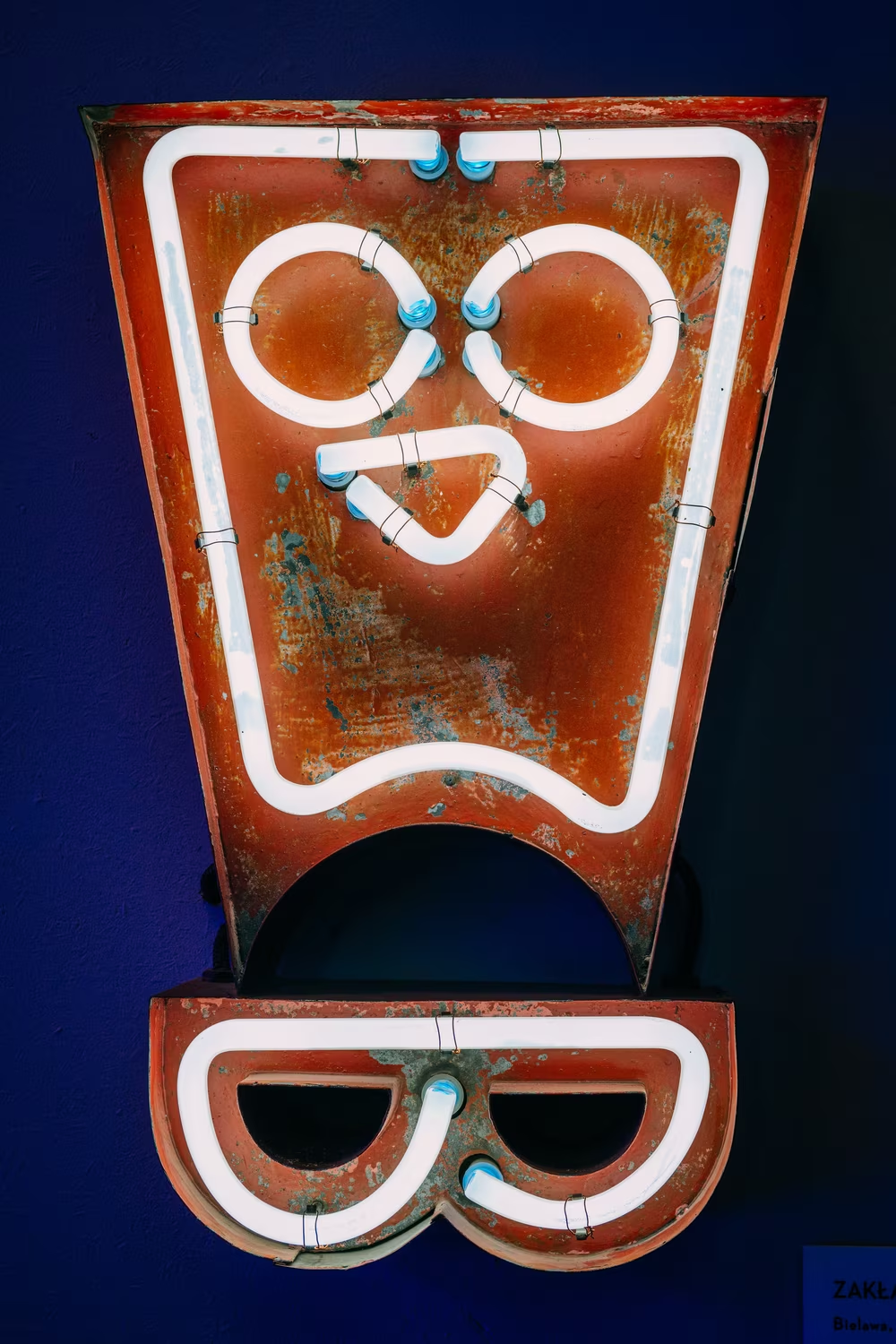
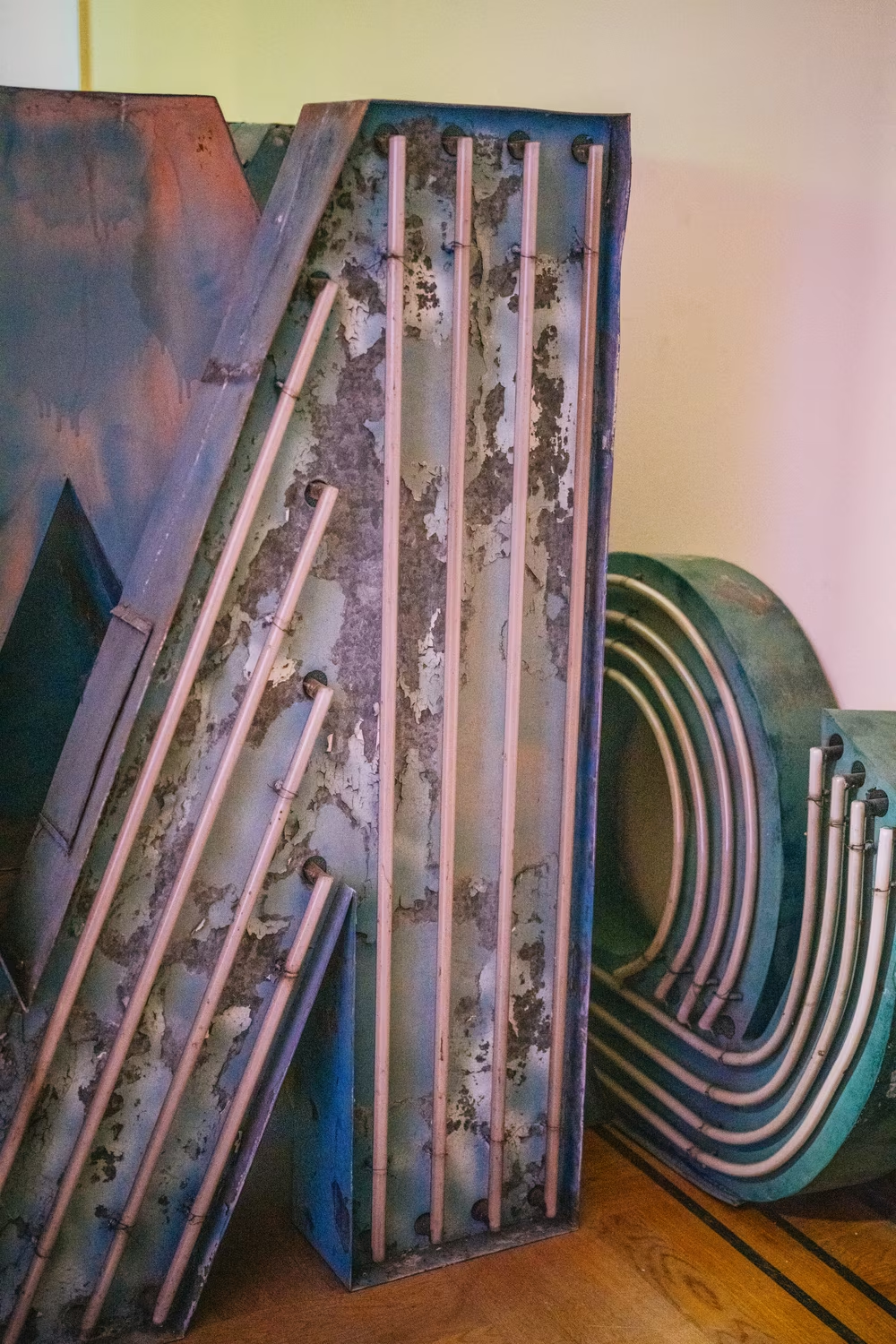
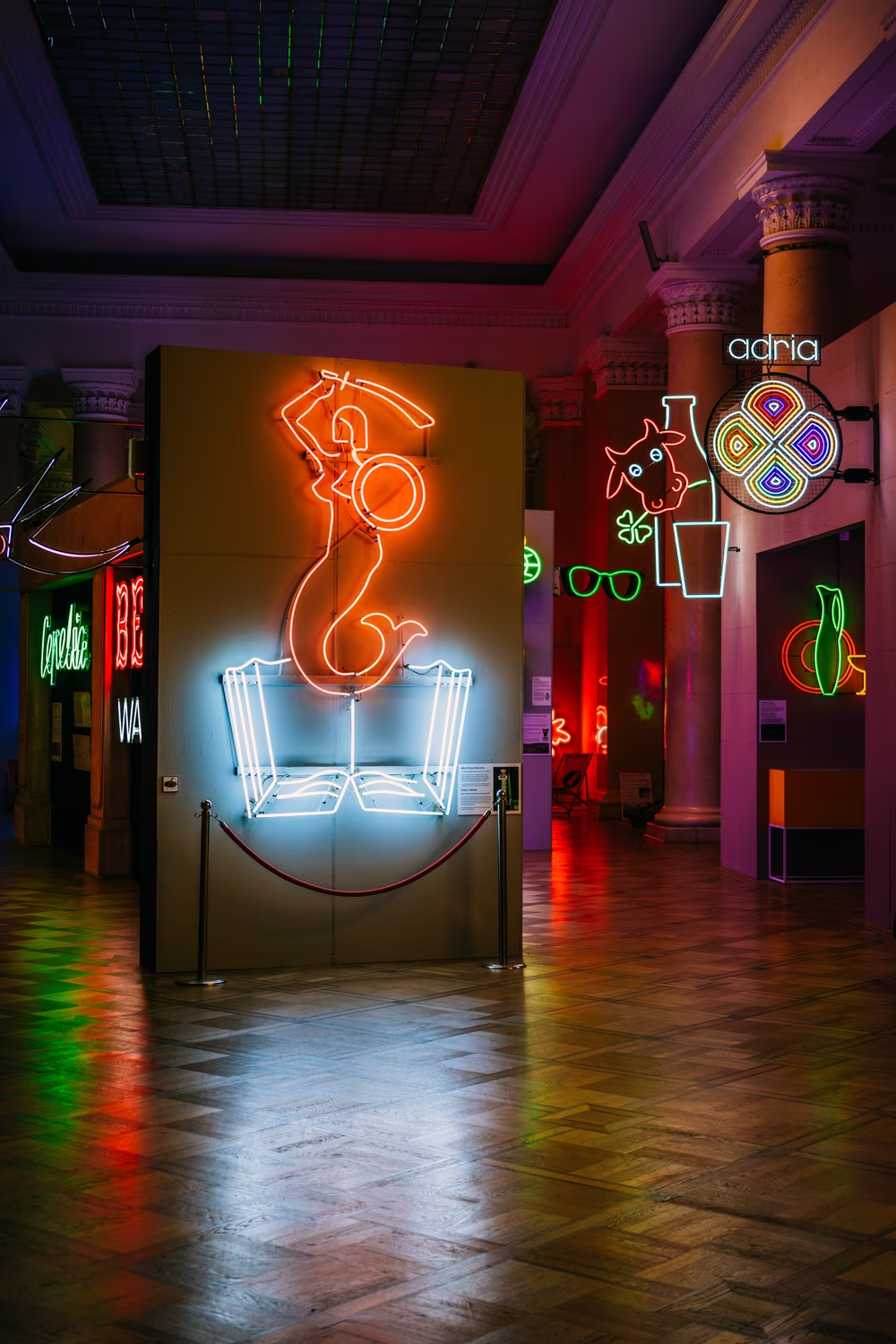
This museum looks good on insta, but it also looks really good in real life. Sometimes it’s as simple as that. For someone who cares about design and a typography, this was really fun and inspiring.
But this is not just some sort of a tourist trap or a “museum of ice cream” pop-up experience for social. I’ve already watched a movie about their preservation efforts, and have one of their books as well. I wanted to visit it because I like patronizing places where I feel people care, and in hindsight, I have been underestimating the effort and care here.
By the way, this is in the same fascinating building in Warsaw as Narodowe Muzeum Techniki.


Muzeum Gazowni Warszawskiej / Museum Gasworks Warsaw
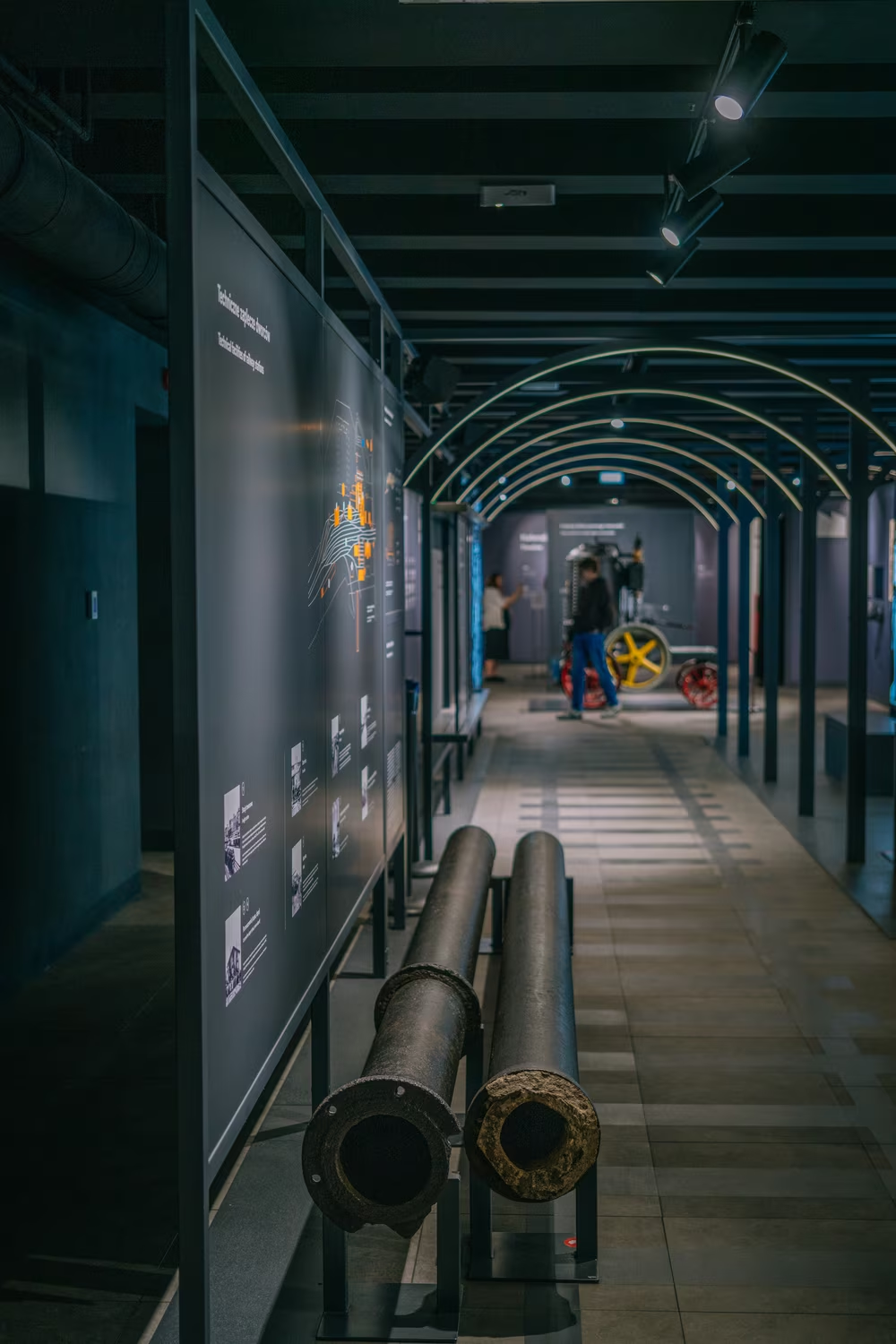
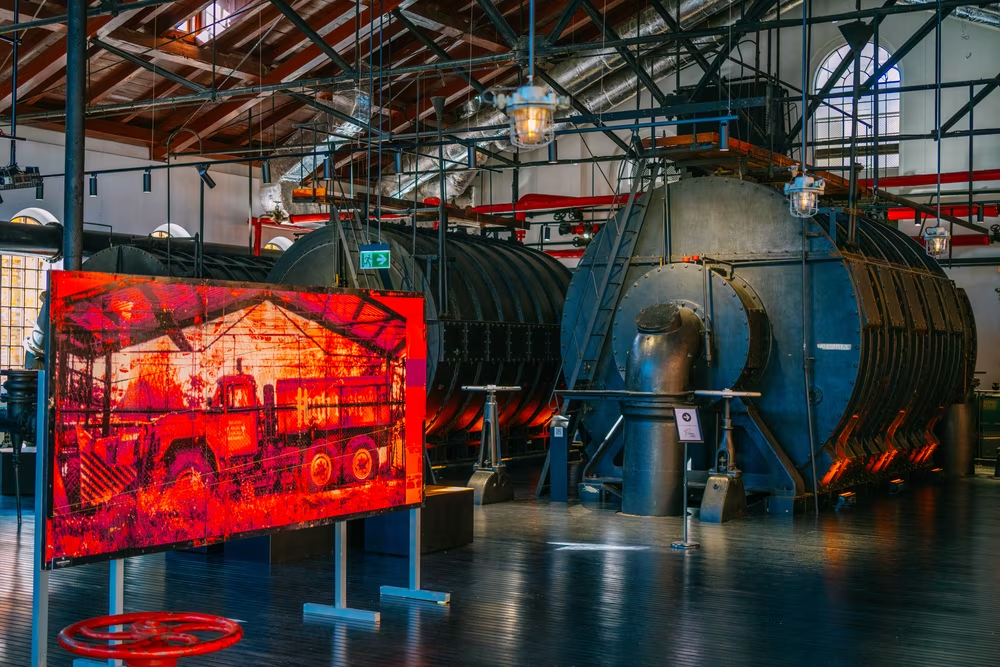
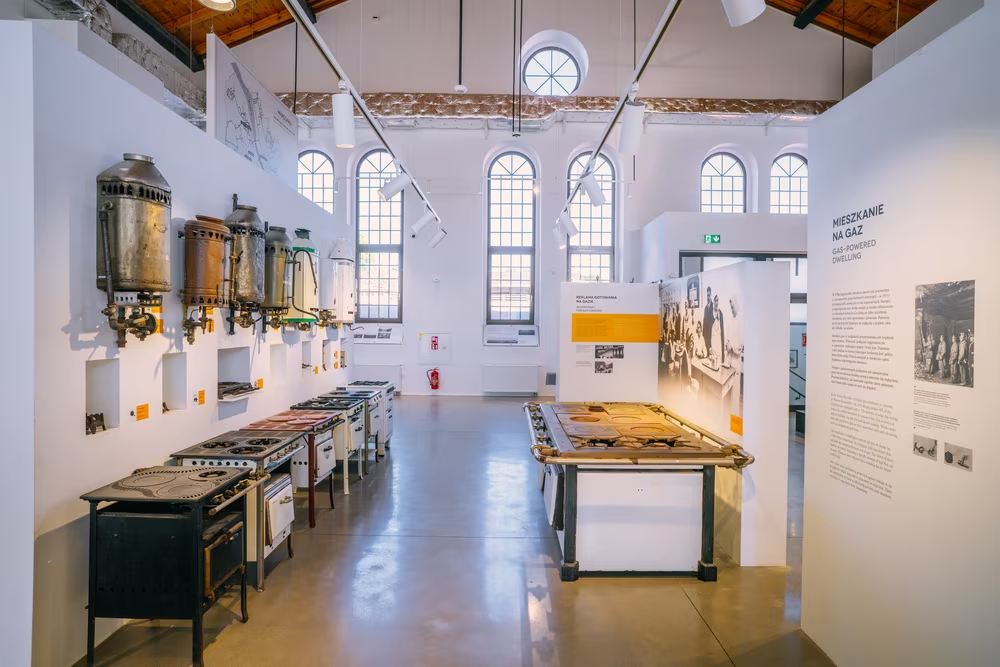
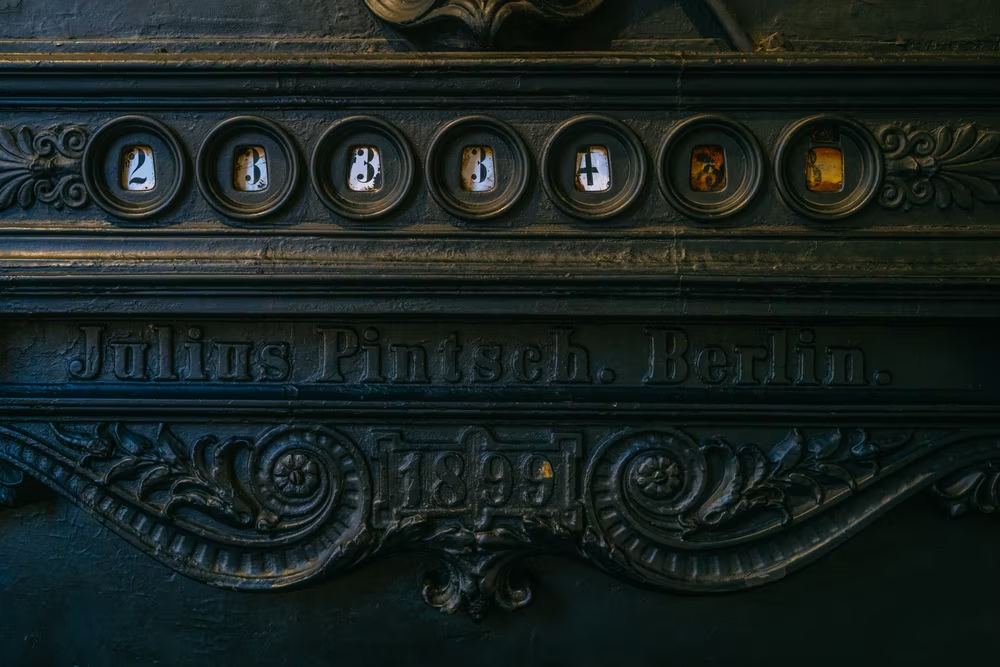
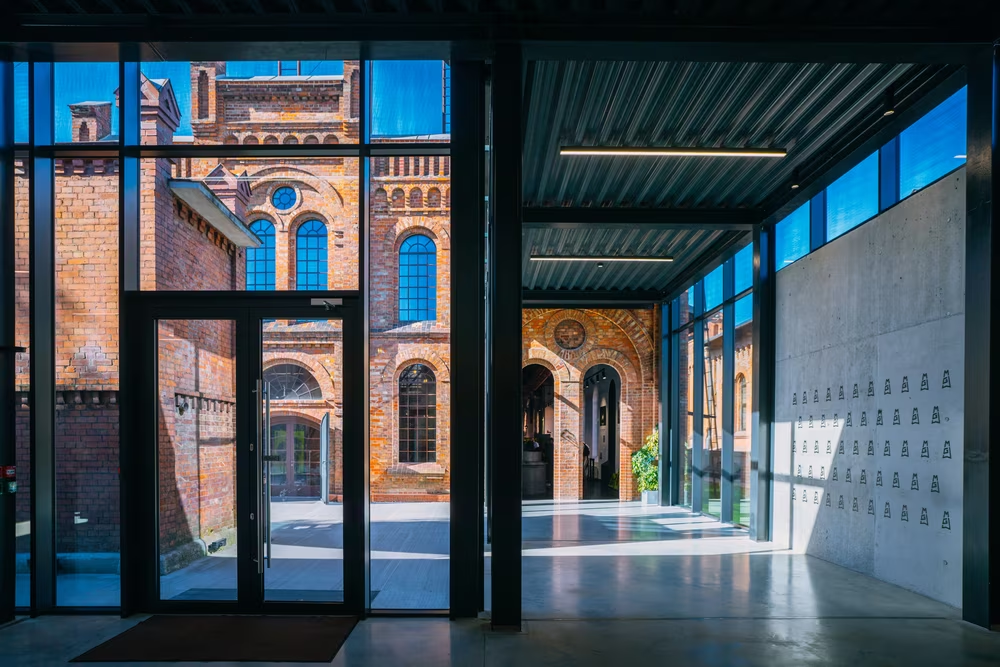
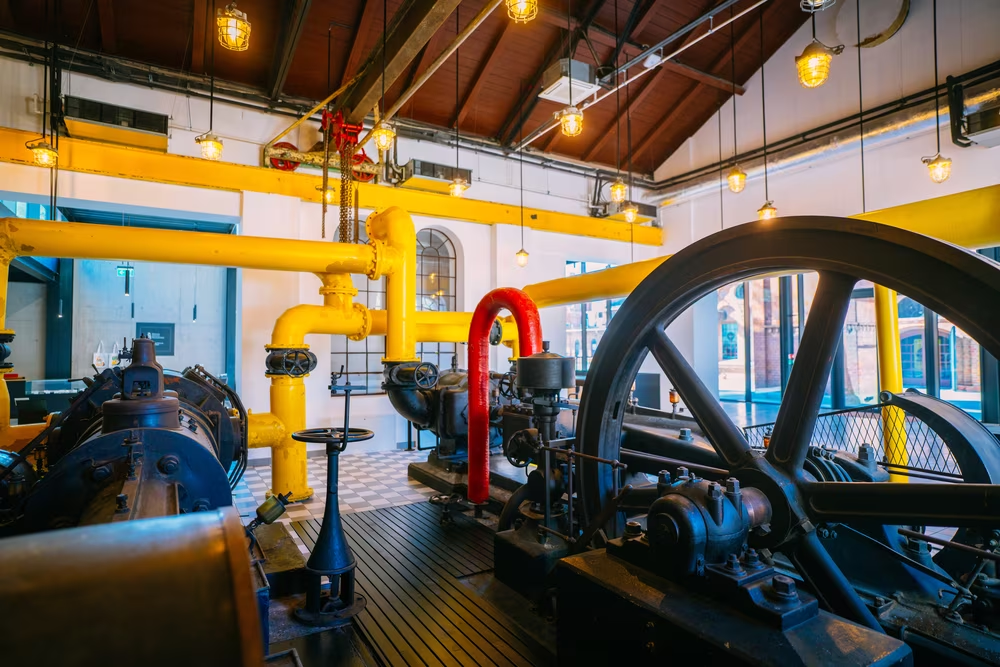
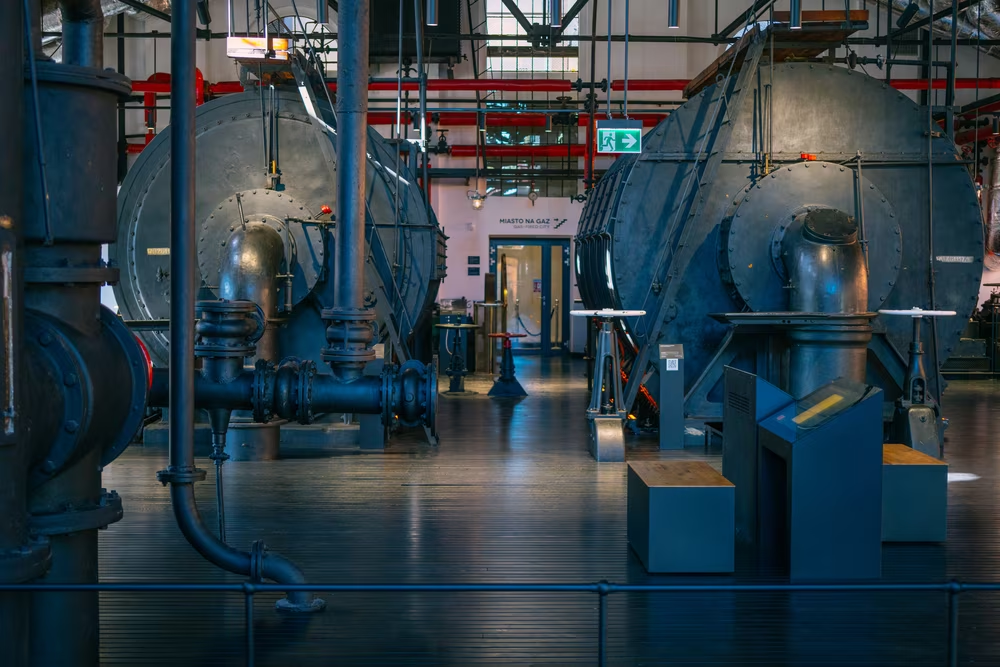
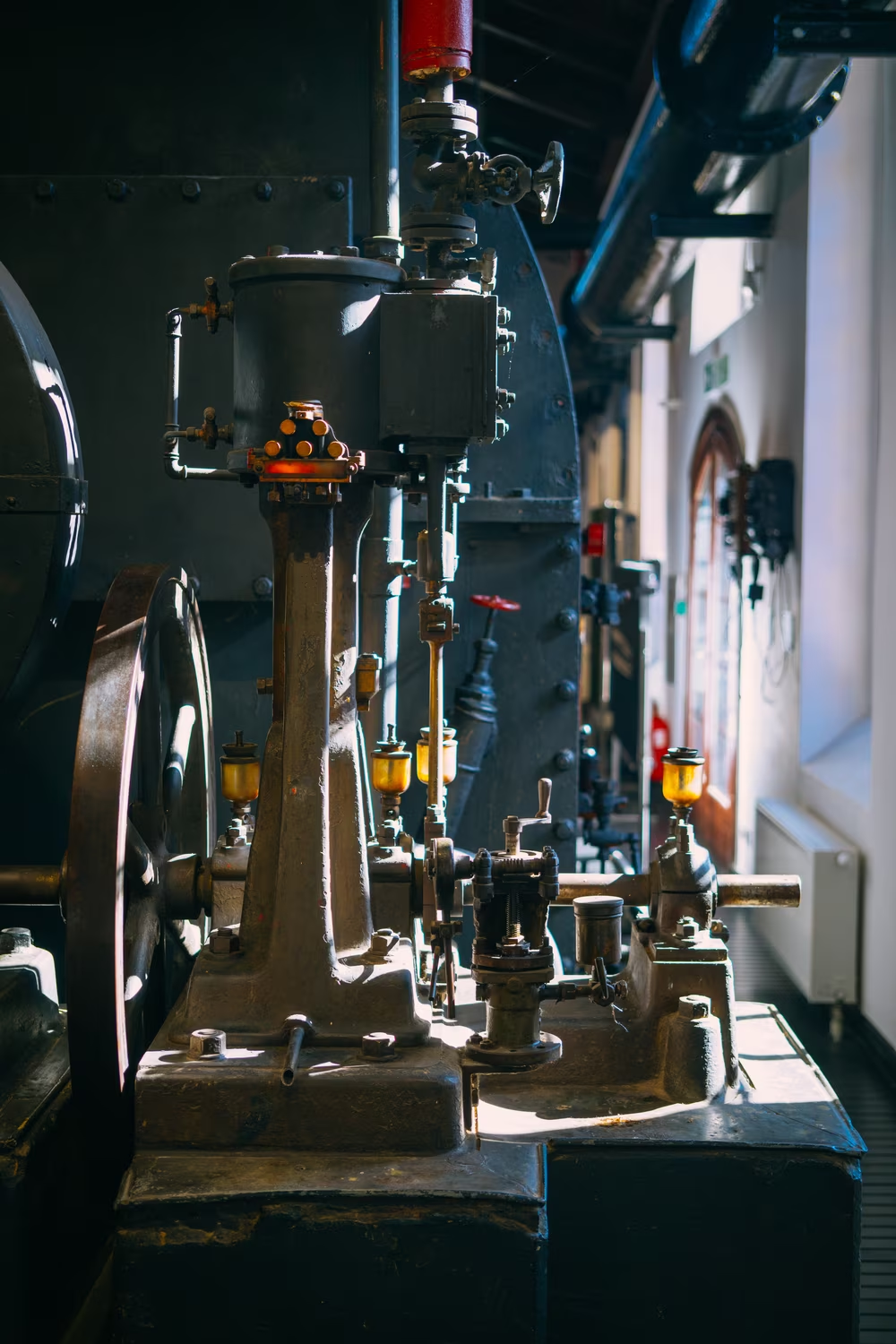
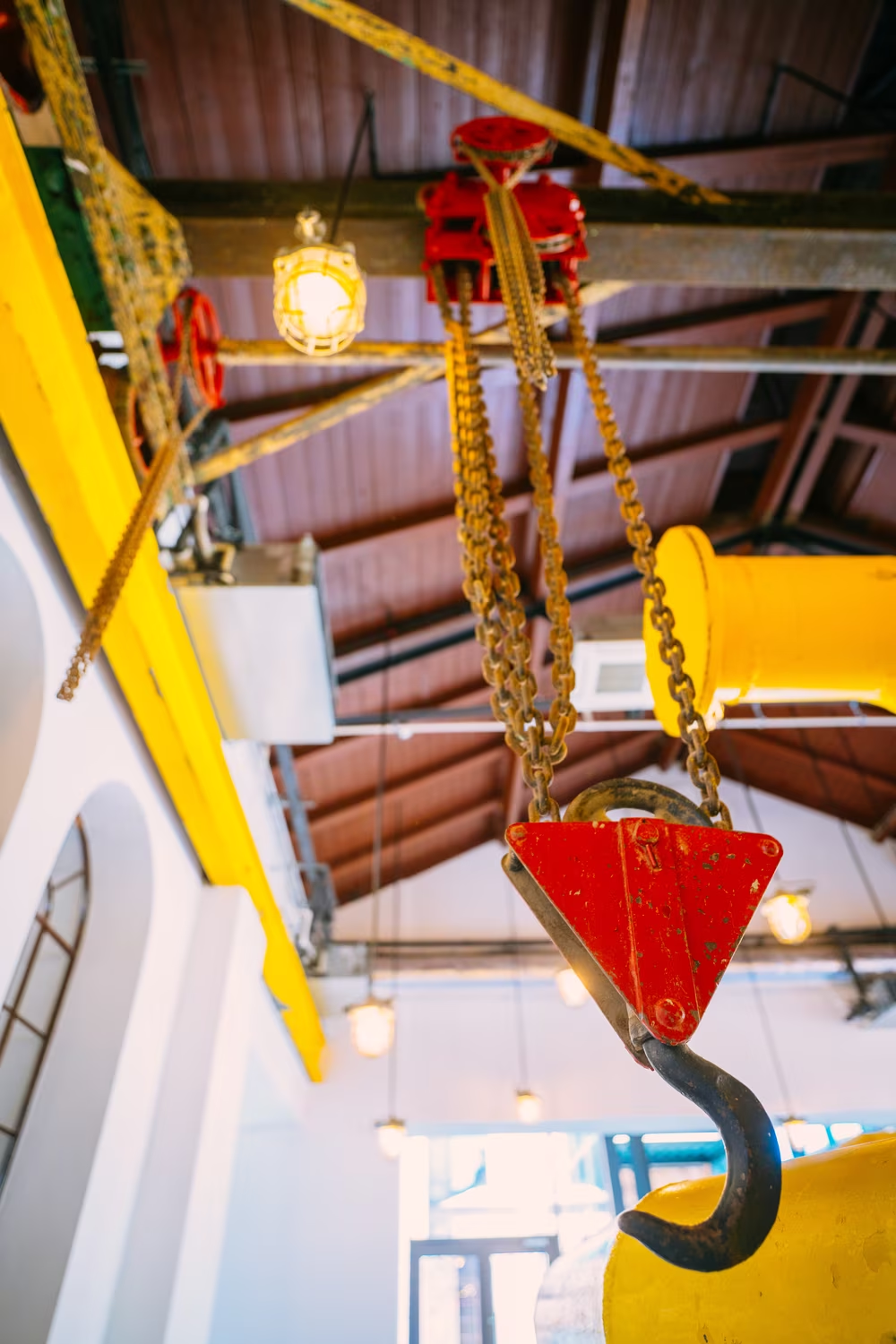
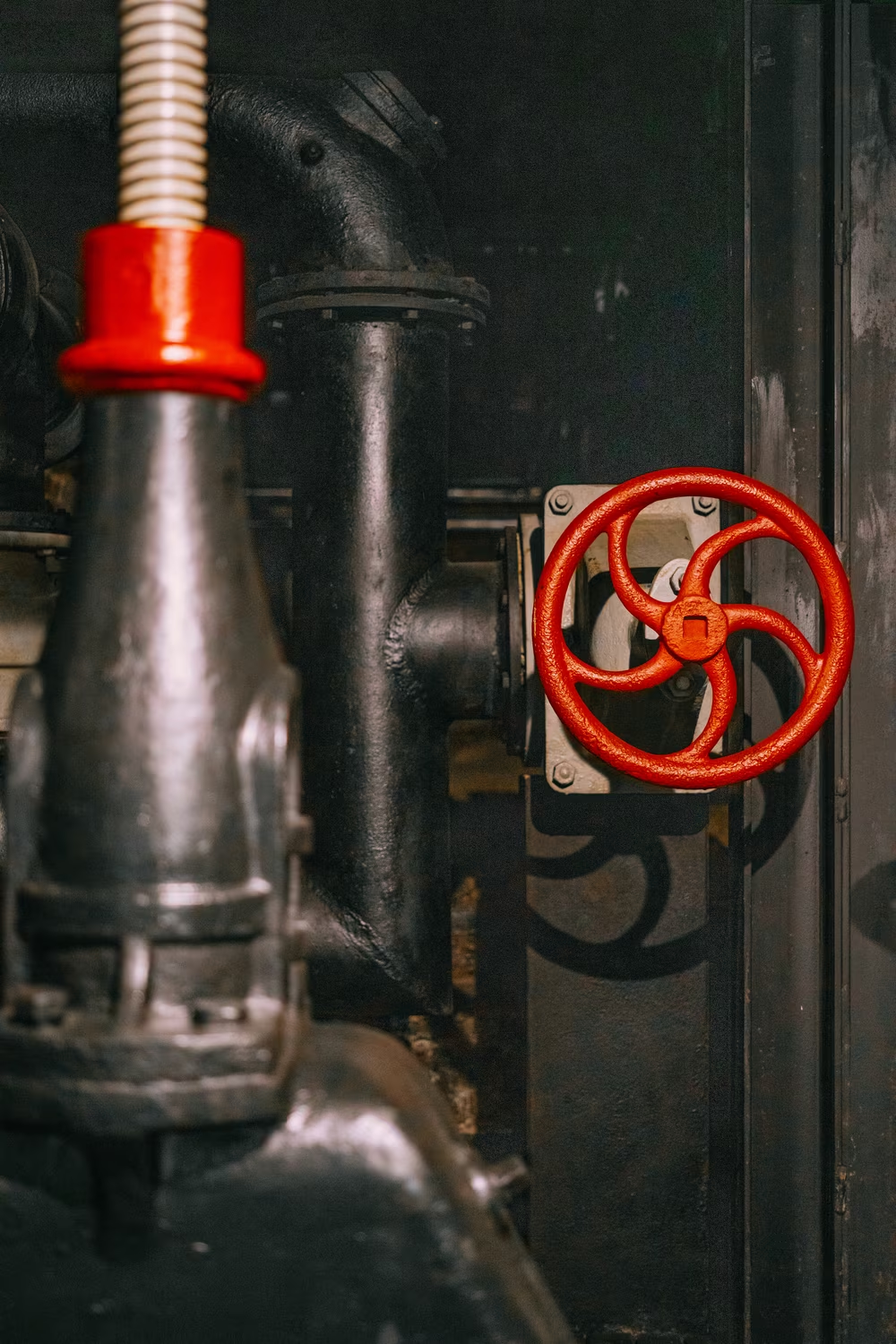
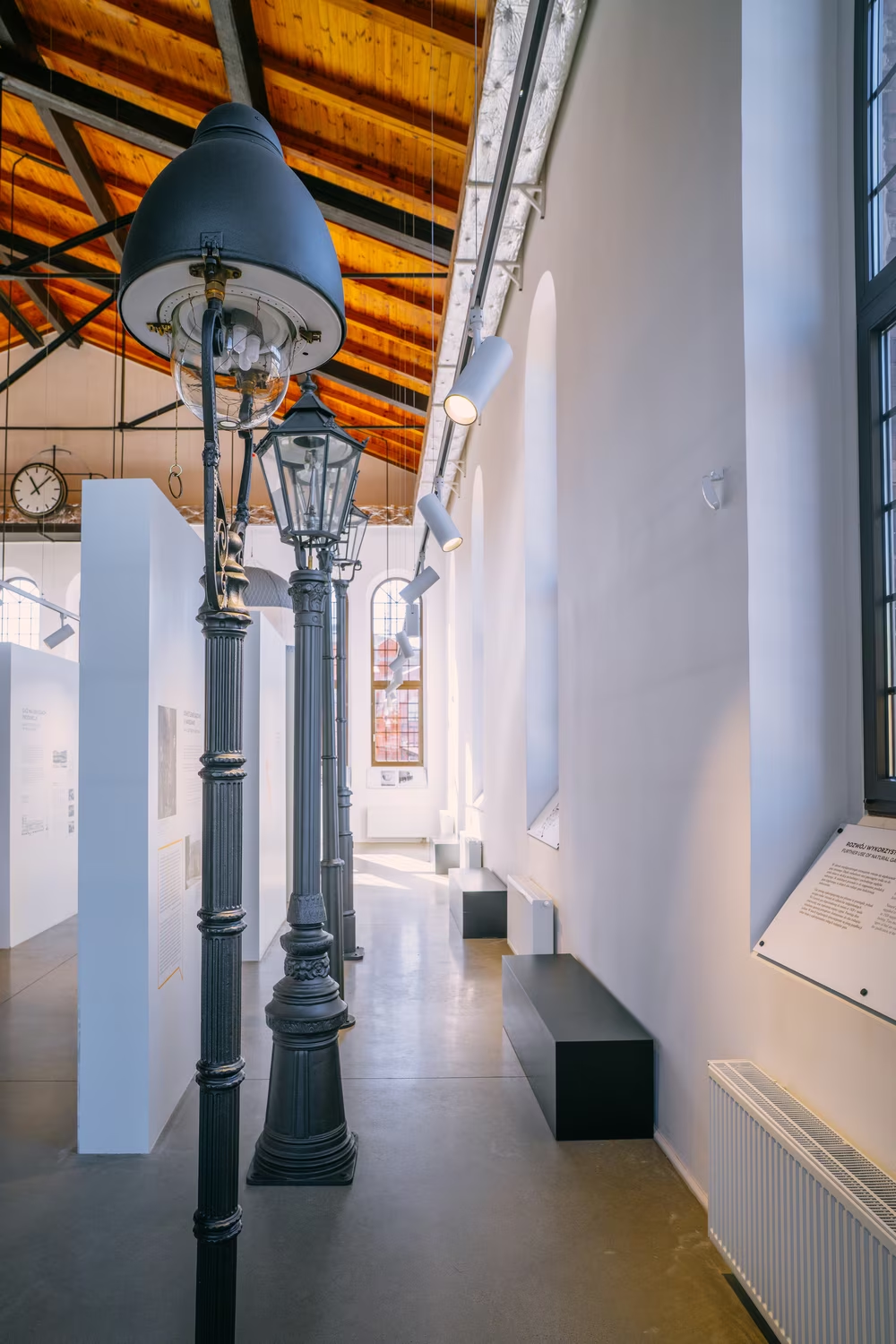
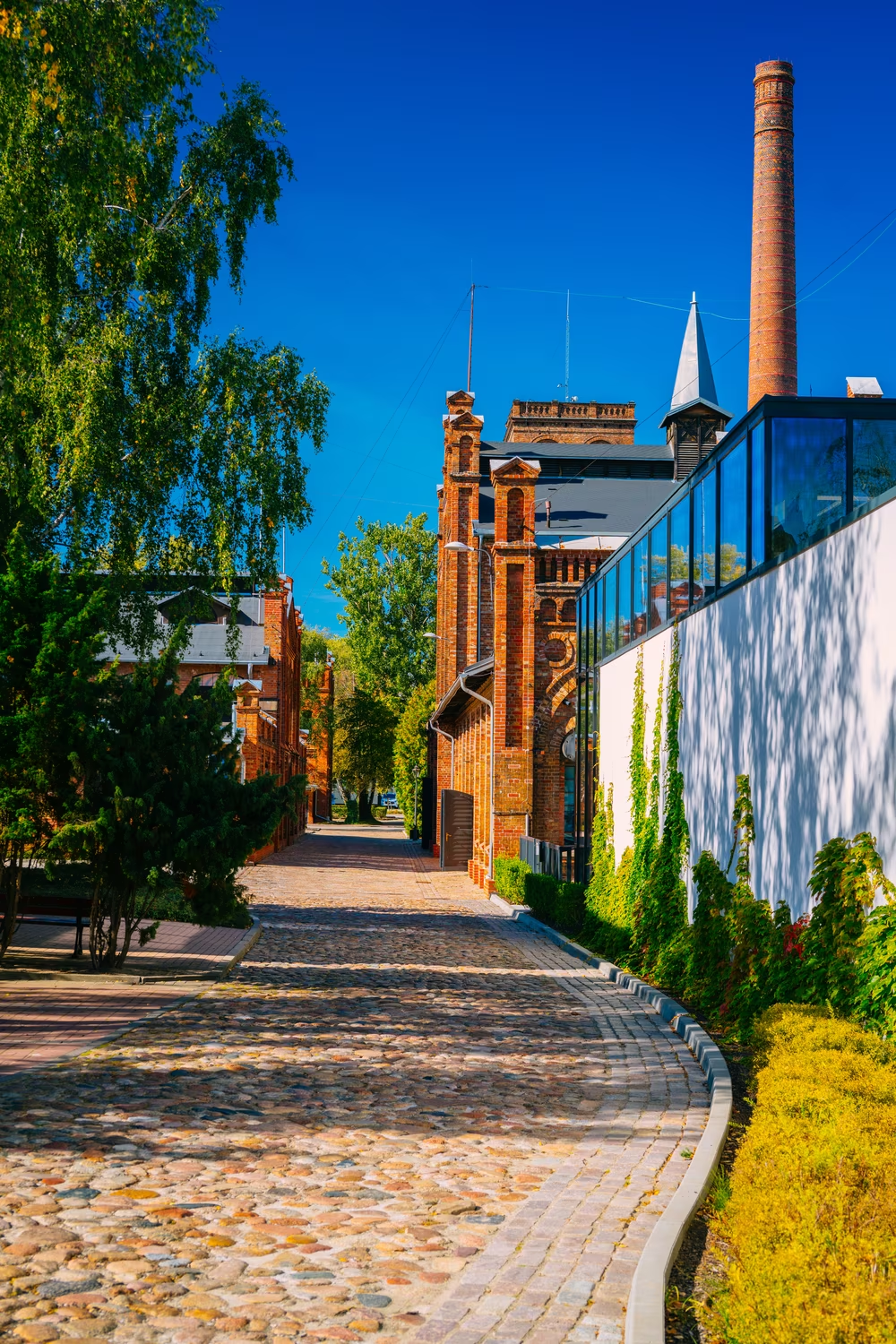
This museum is hiding in an old gasworks factory, with some impressive decommissioned machinery.
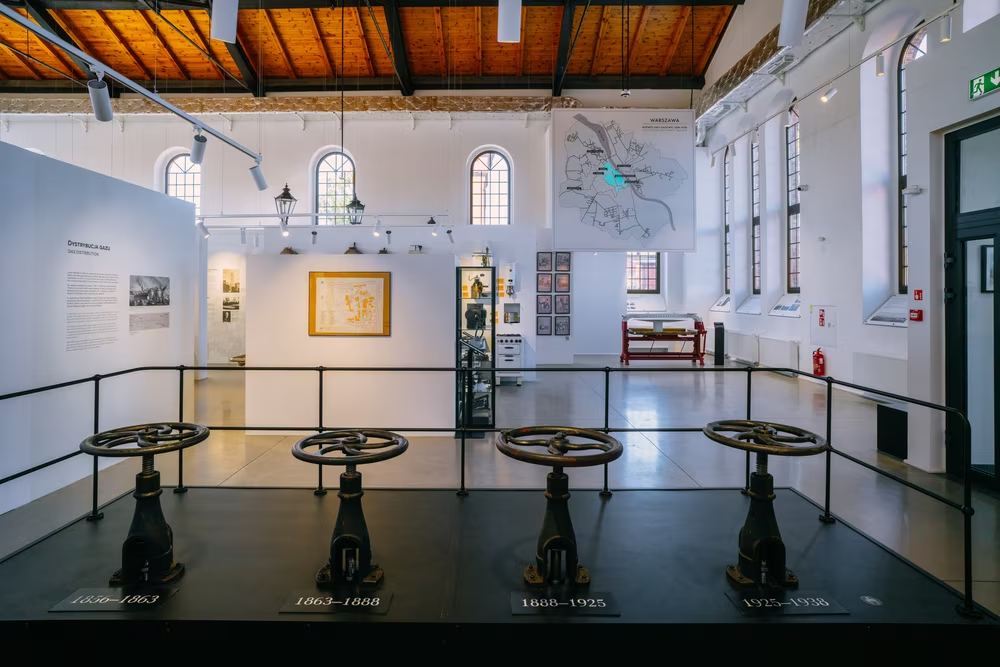
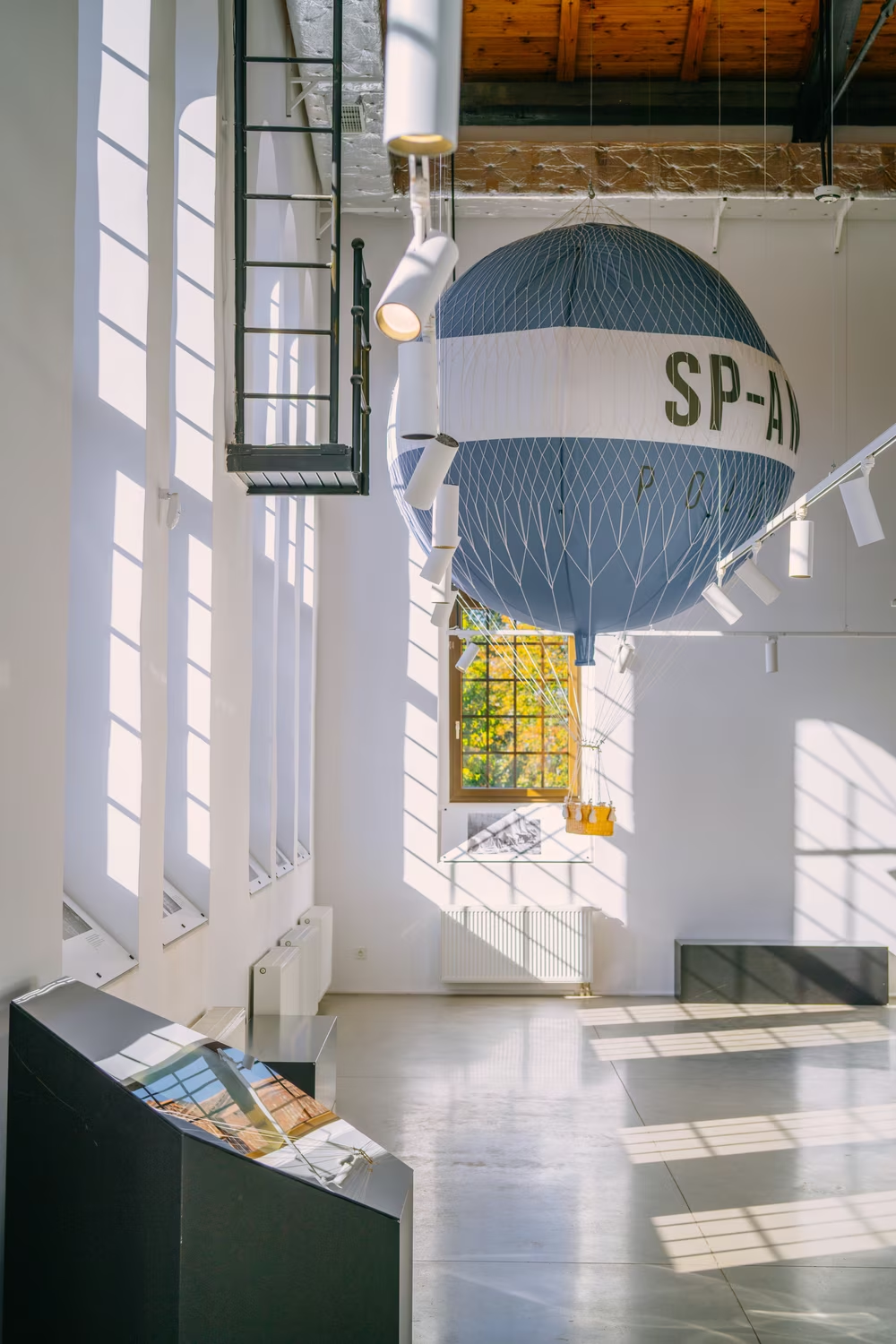
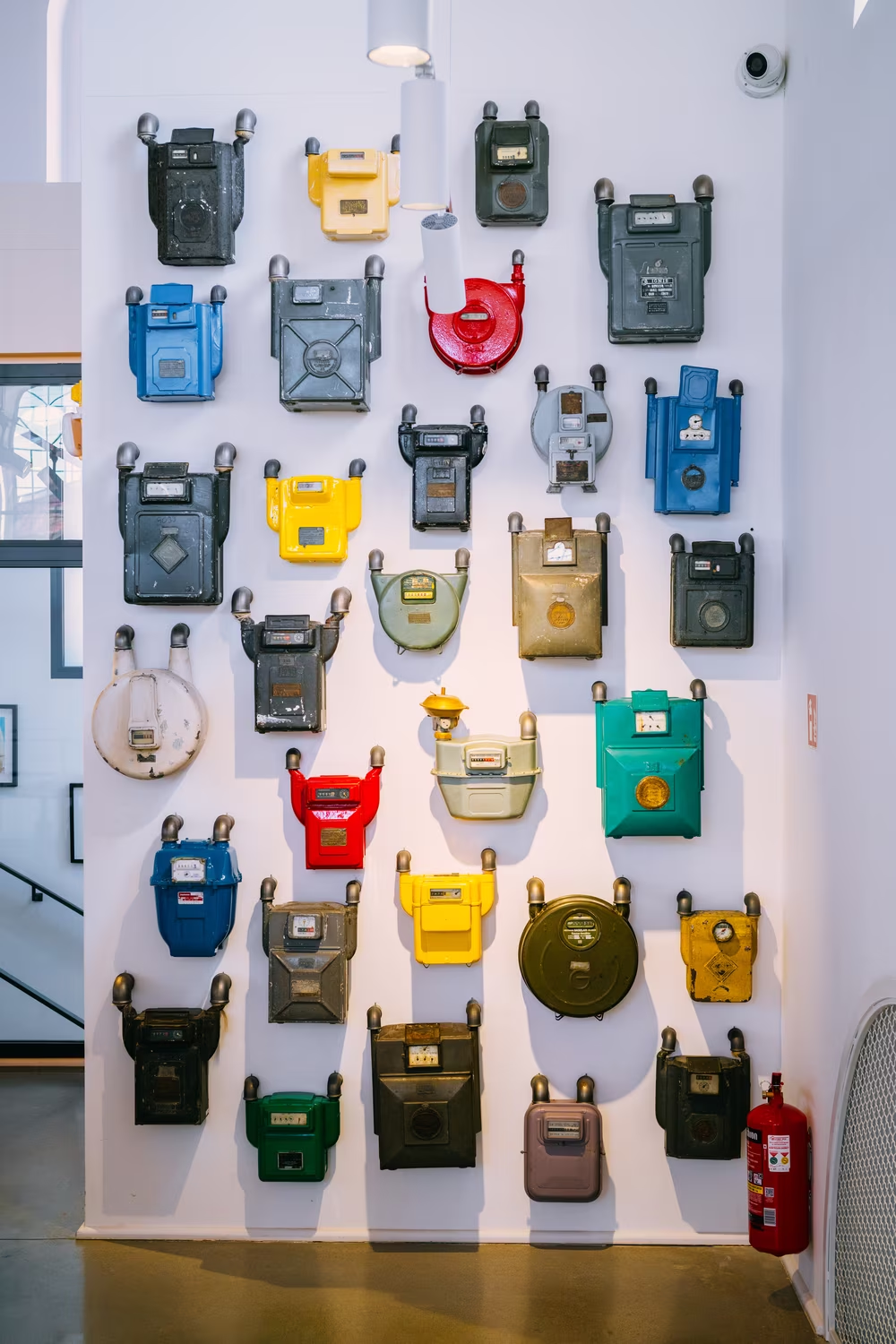
An interesting choice here is that the old building – a once-grimy hall with scary pumps and boilers – is connected with a brand new exhibit, painted in immaculate white, and really nicely put together.
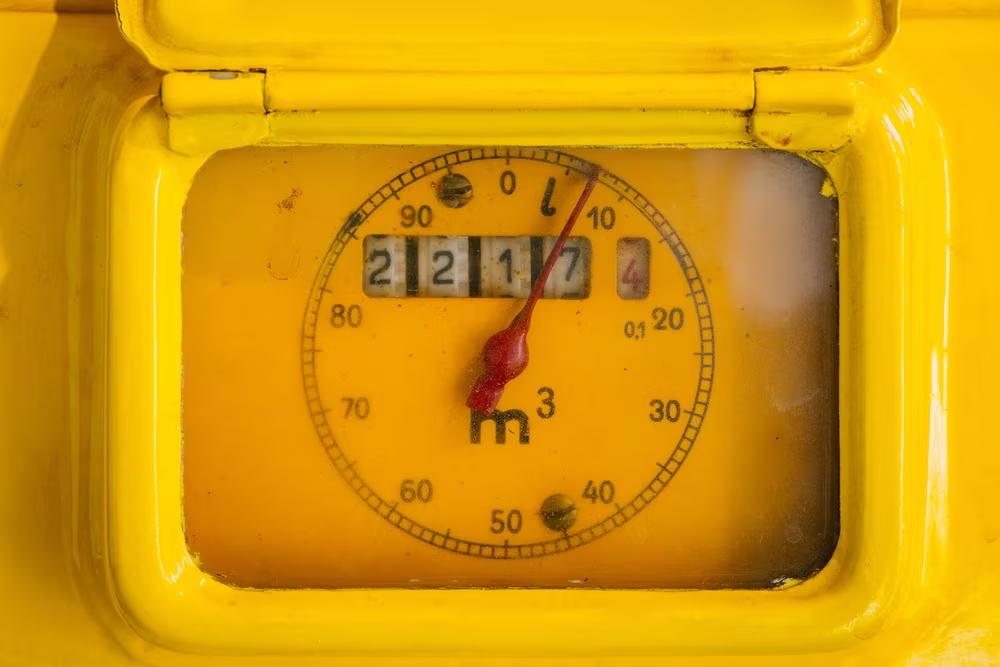
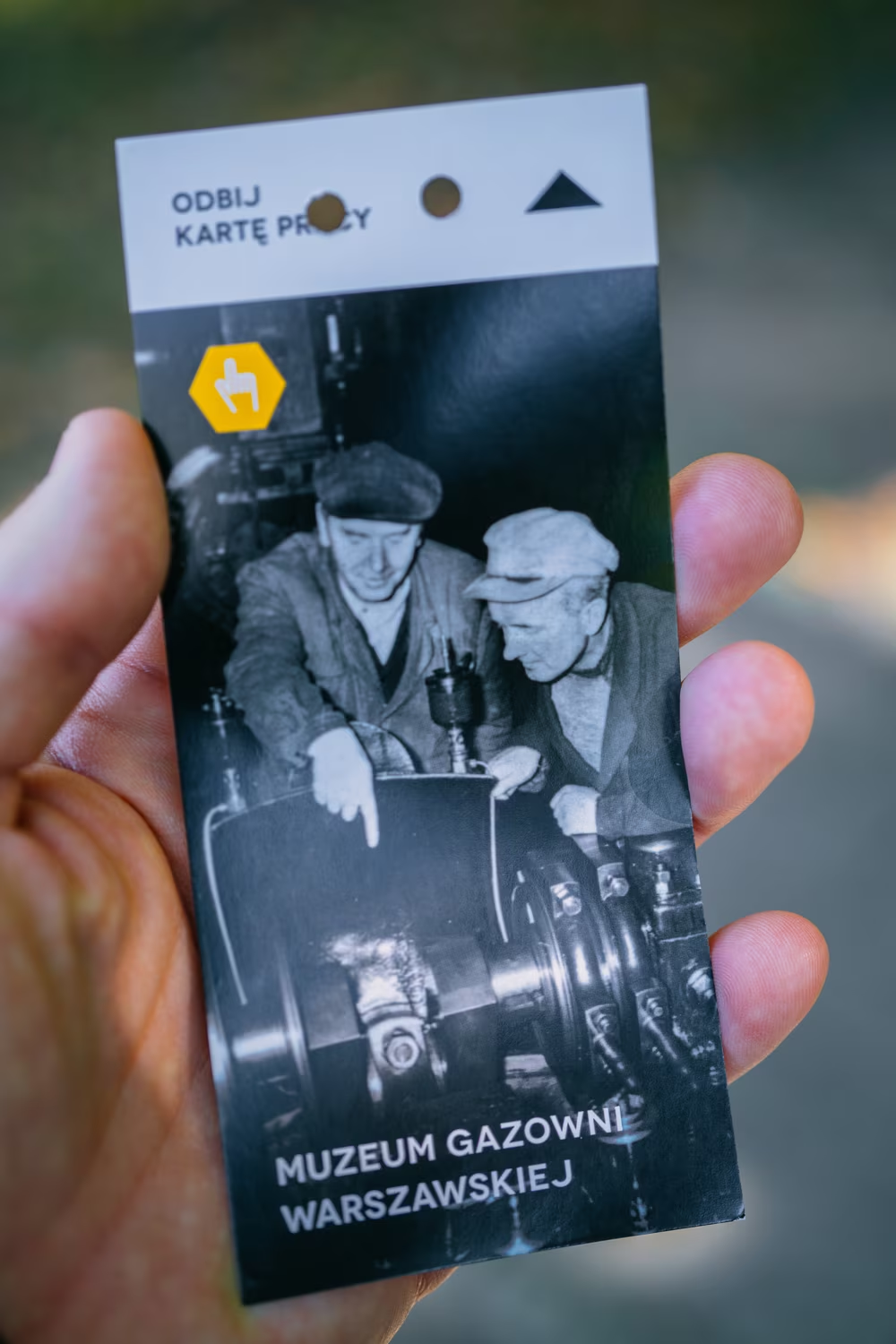
Unfortunately (and ironically), the museum feels too small, and some of the interactive parts in the “new” section fall a bit flat (although I liked how the ticket serves dual duty as a fake employment card you can punch and use elsewhere, and serves as a nice memento). The small size might be disappointing if you trek out here for a visit, and I hope the museum will expand in the future – but then again, I visited it and enjoyed it.
Muzeum Techniki i Komunikacji / The Museum of Technology and Transport
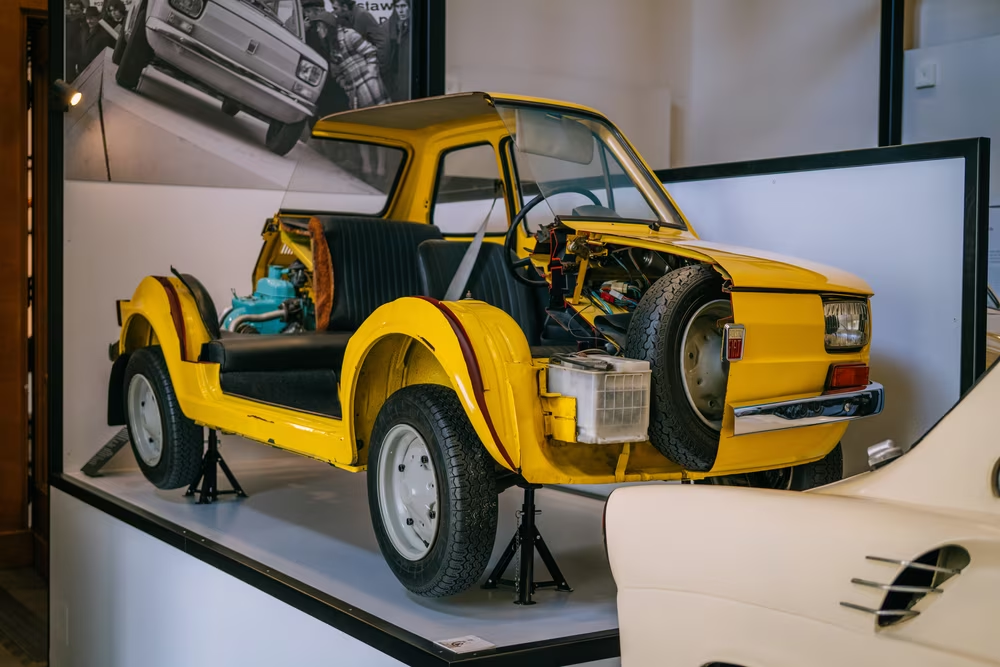
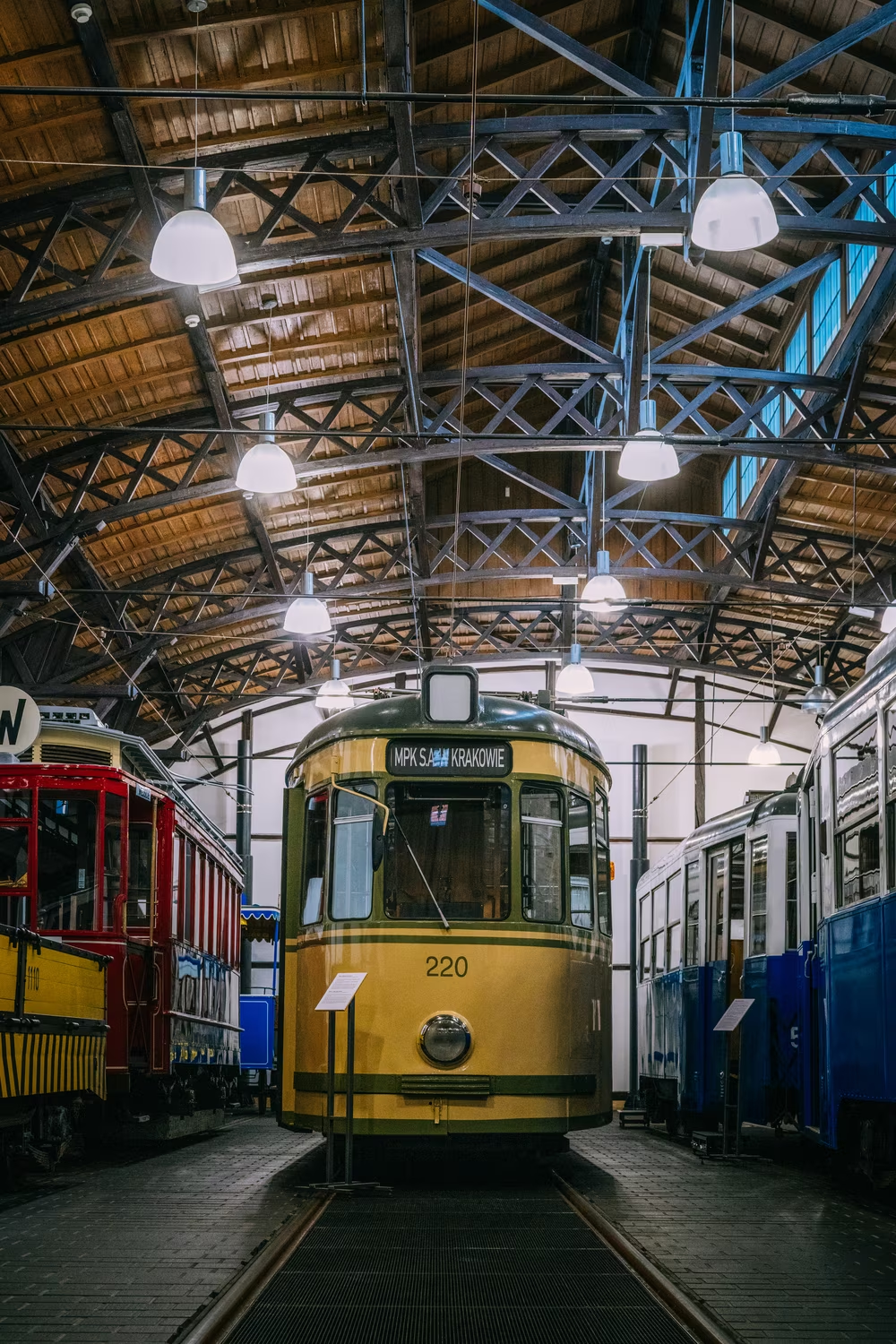
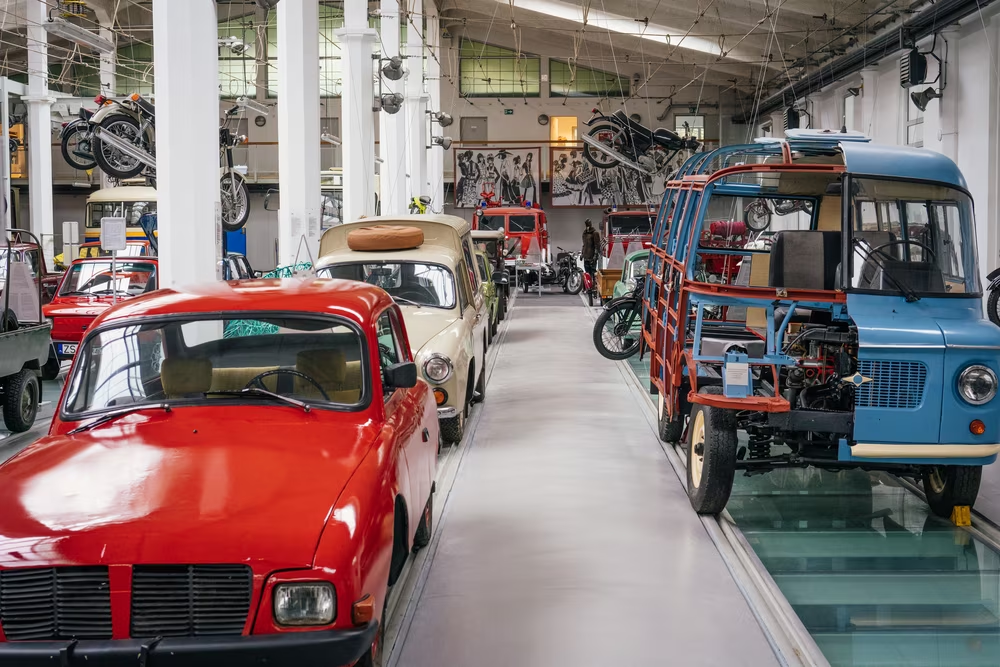
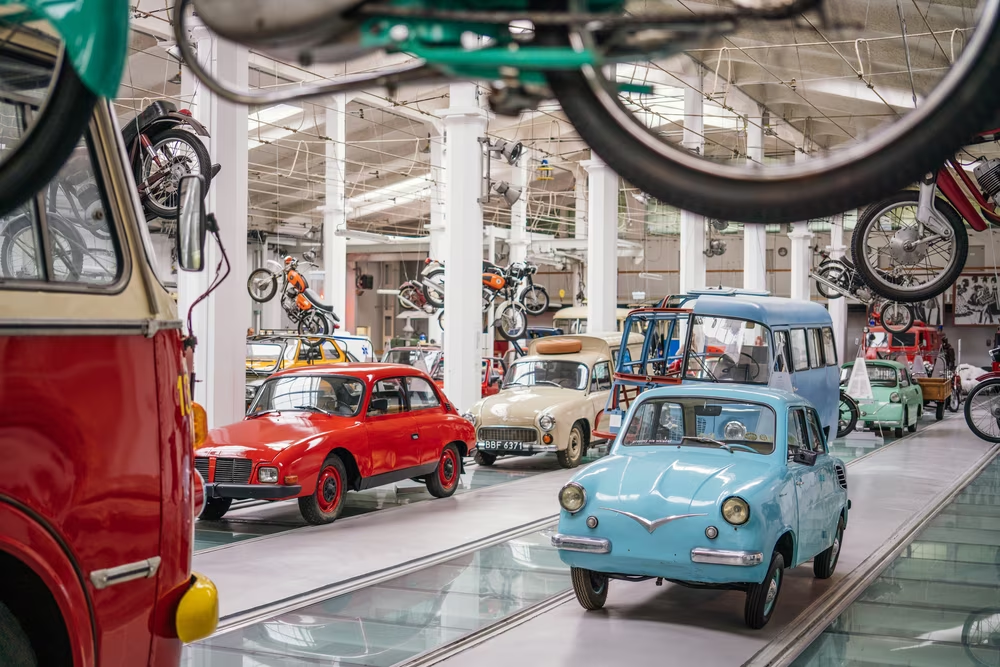
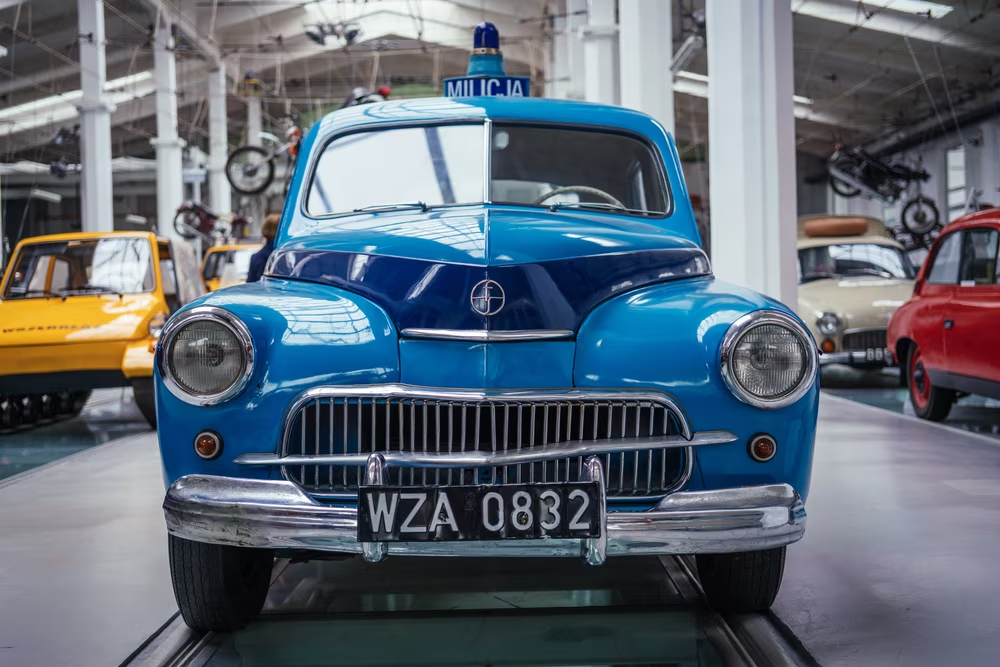
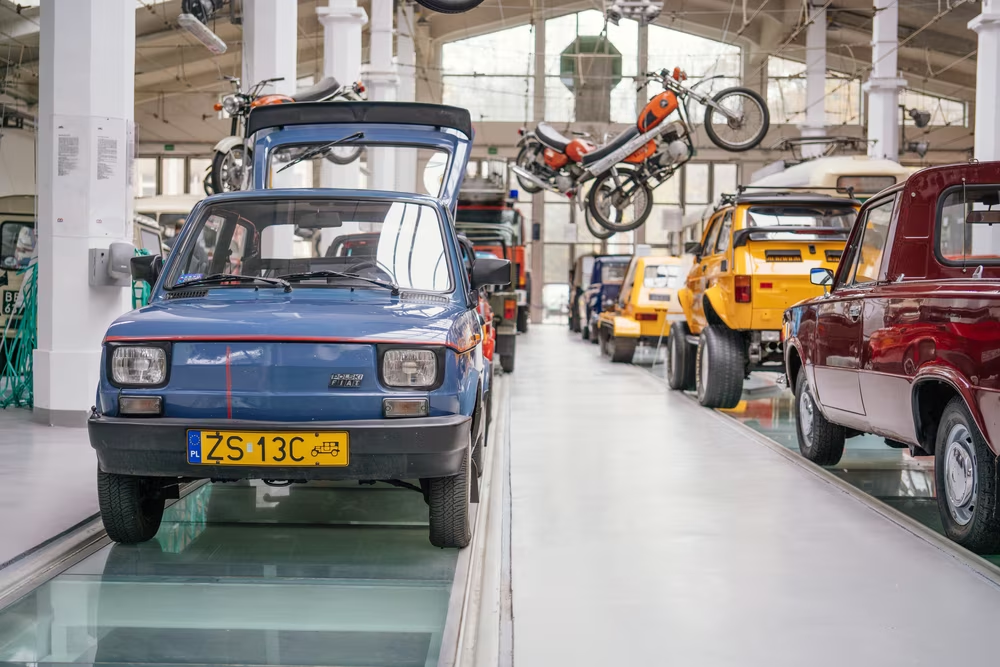
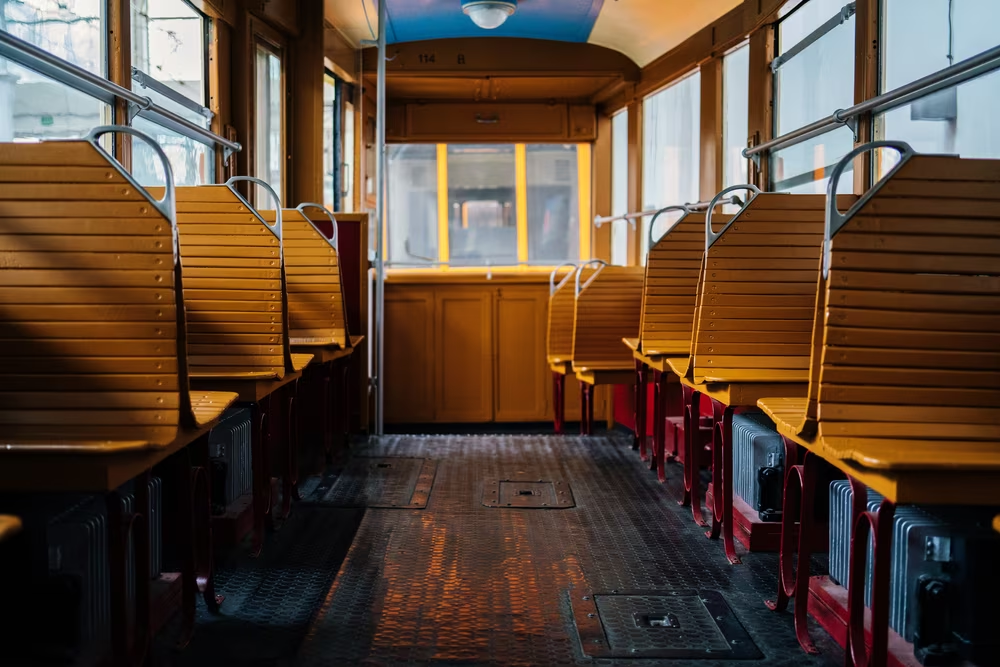
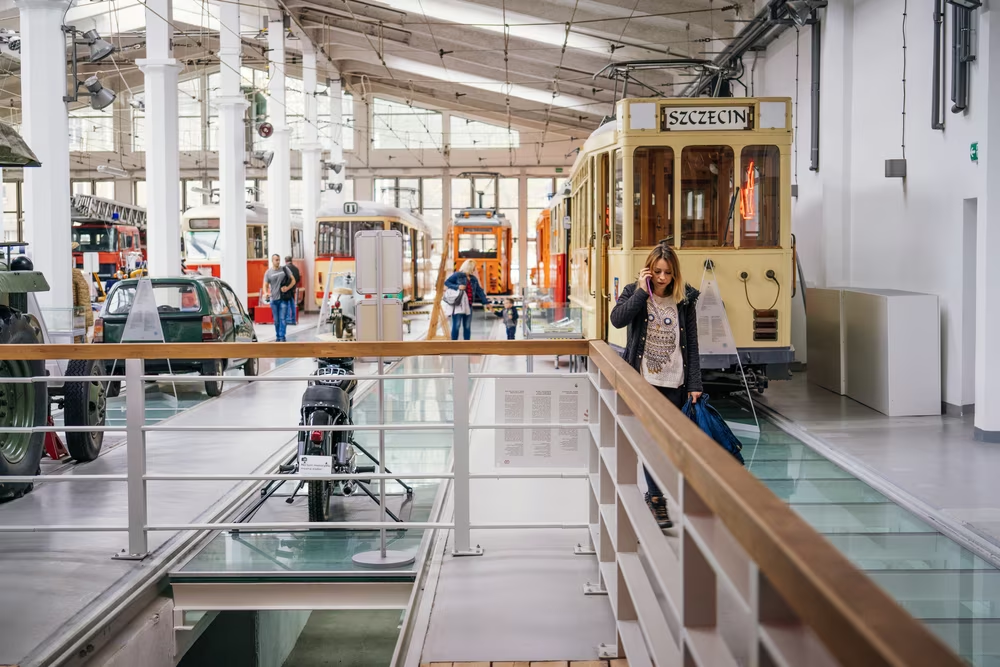
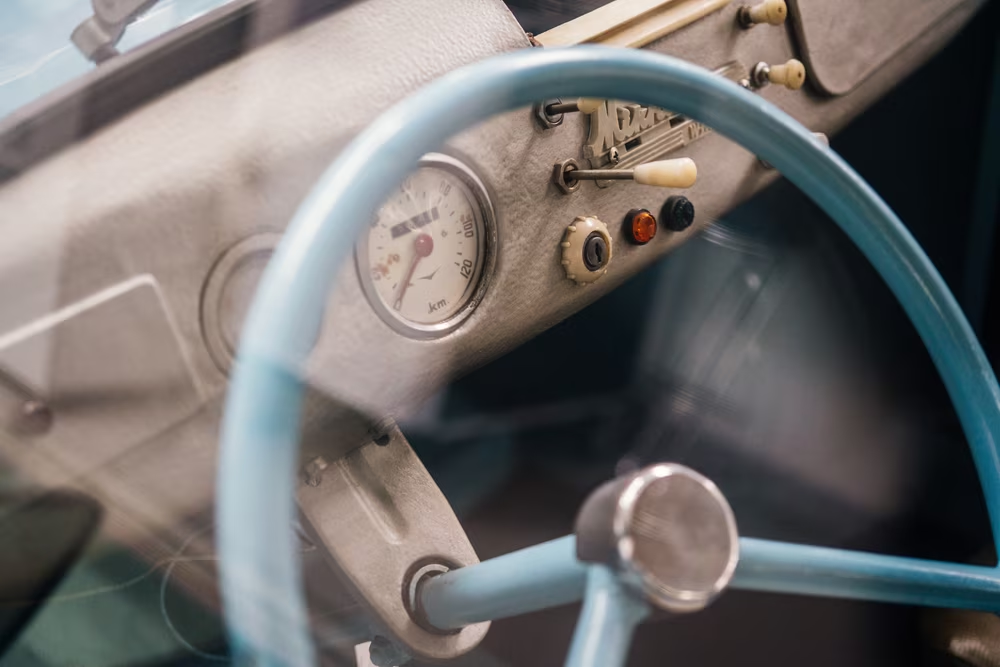
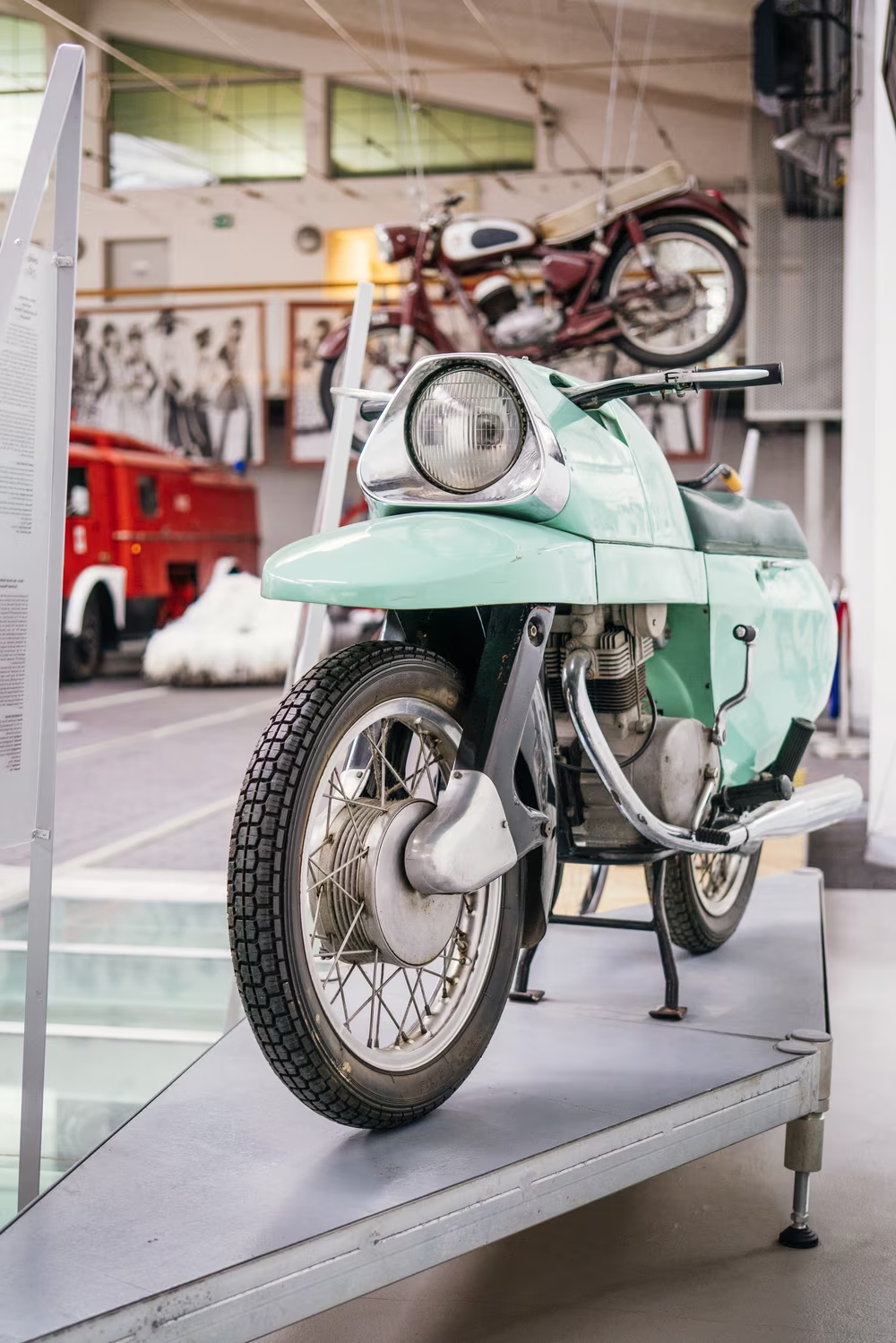
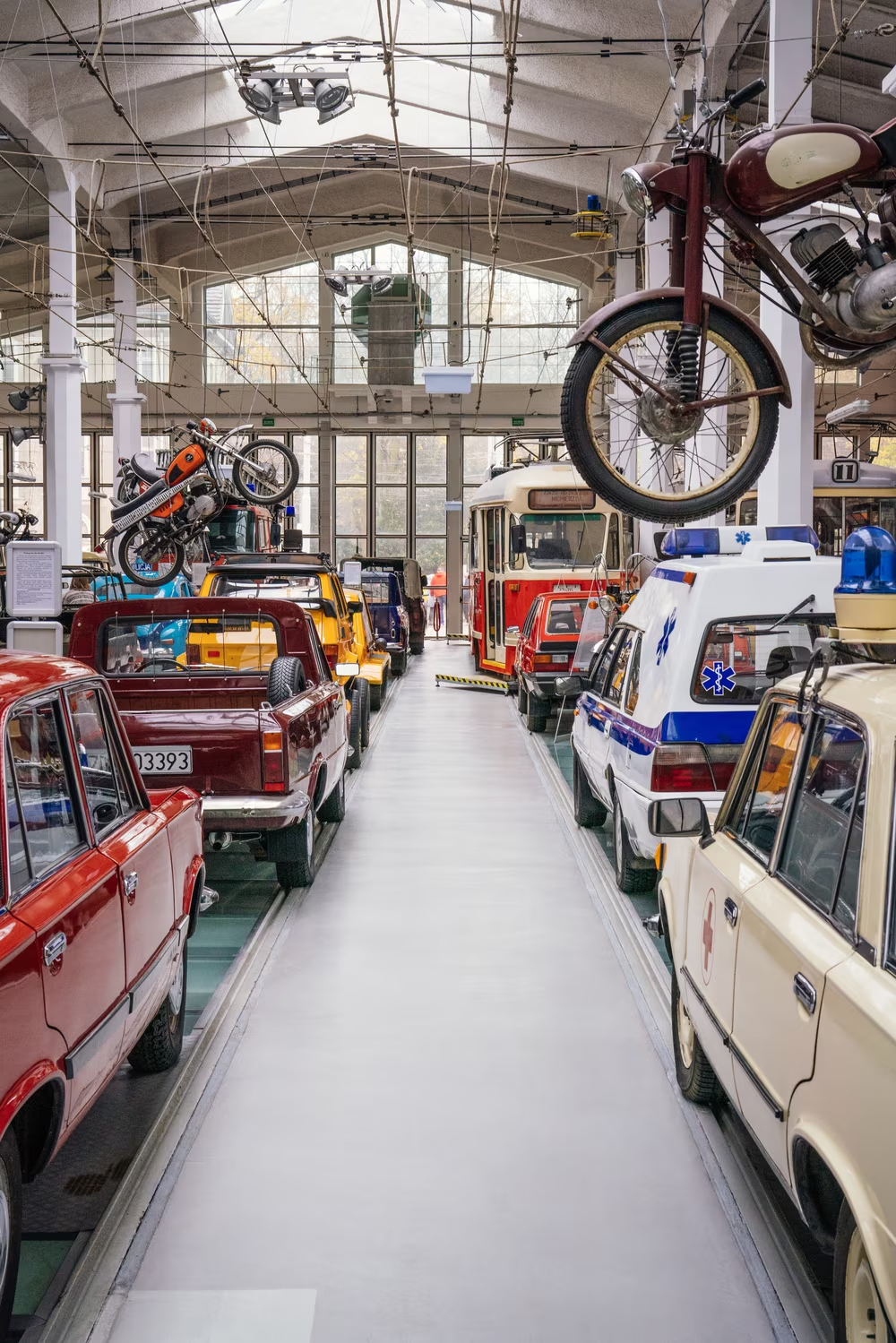
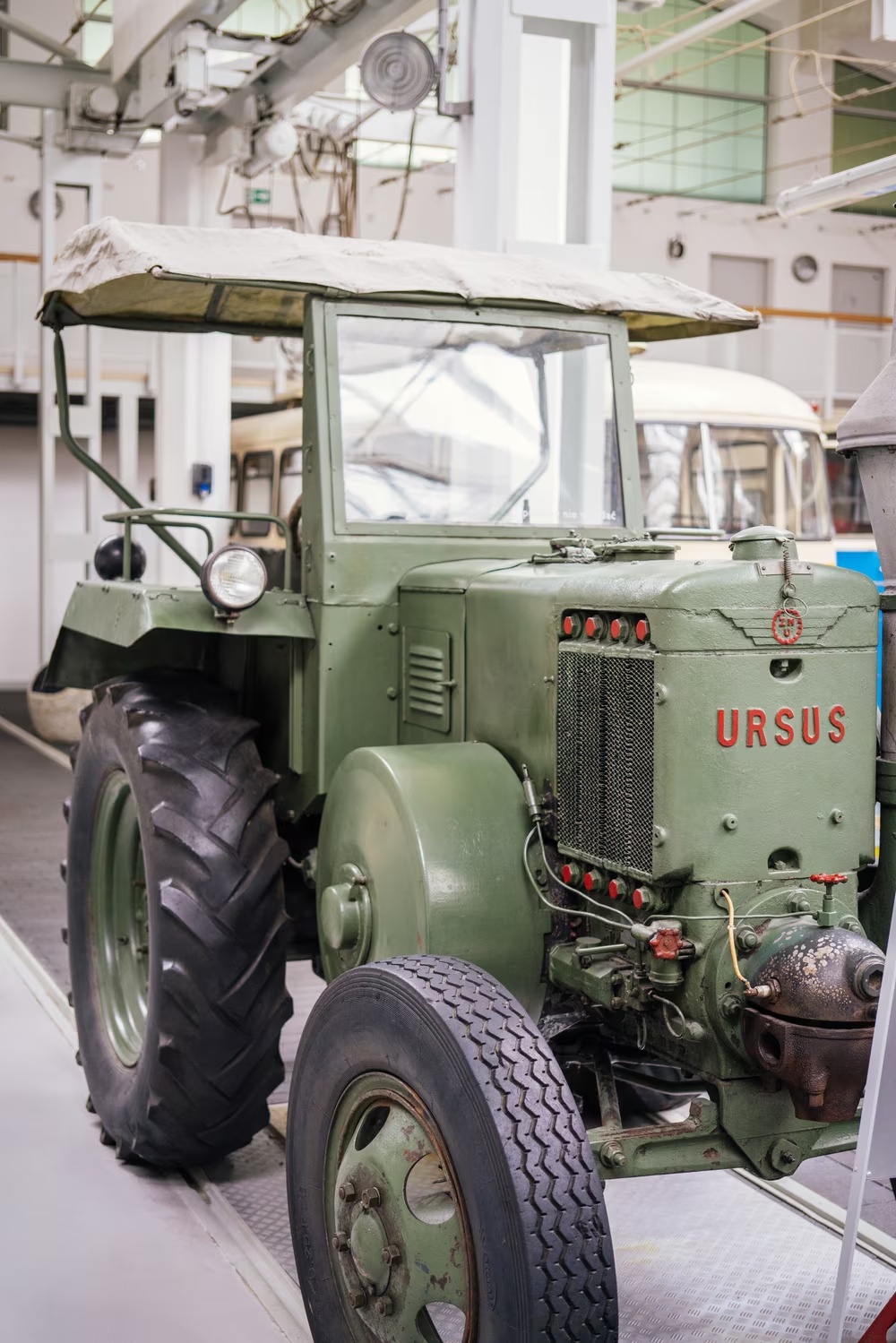
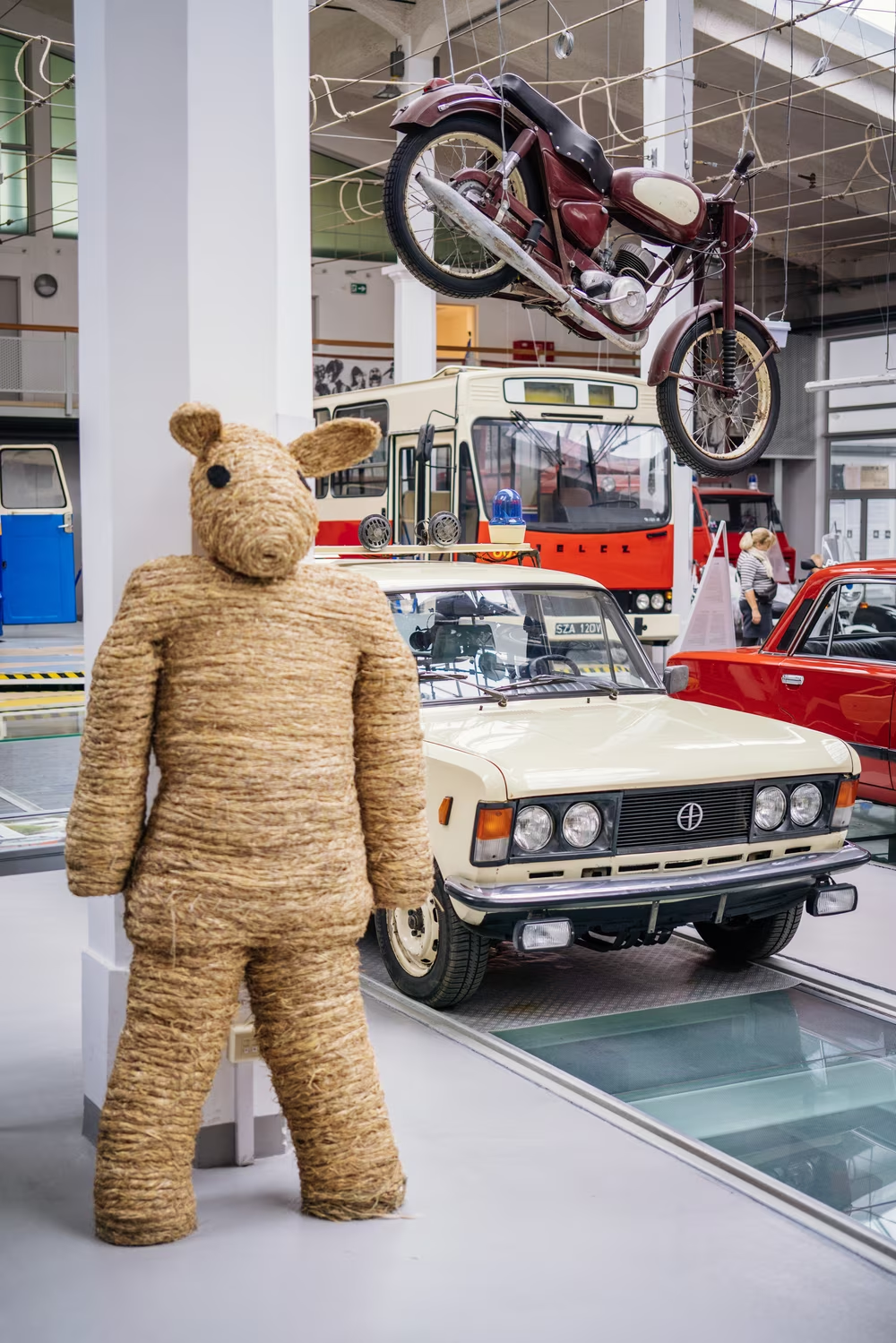
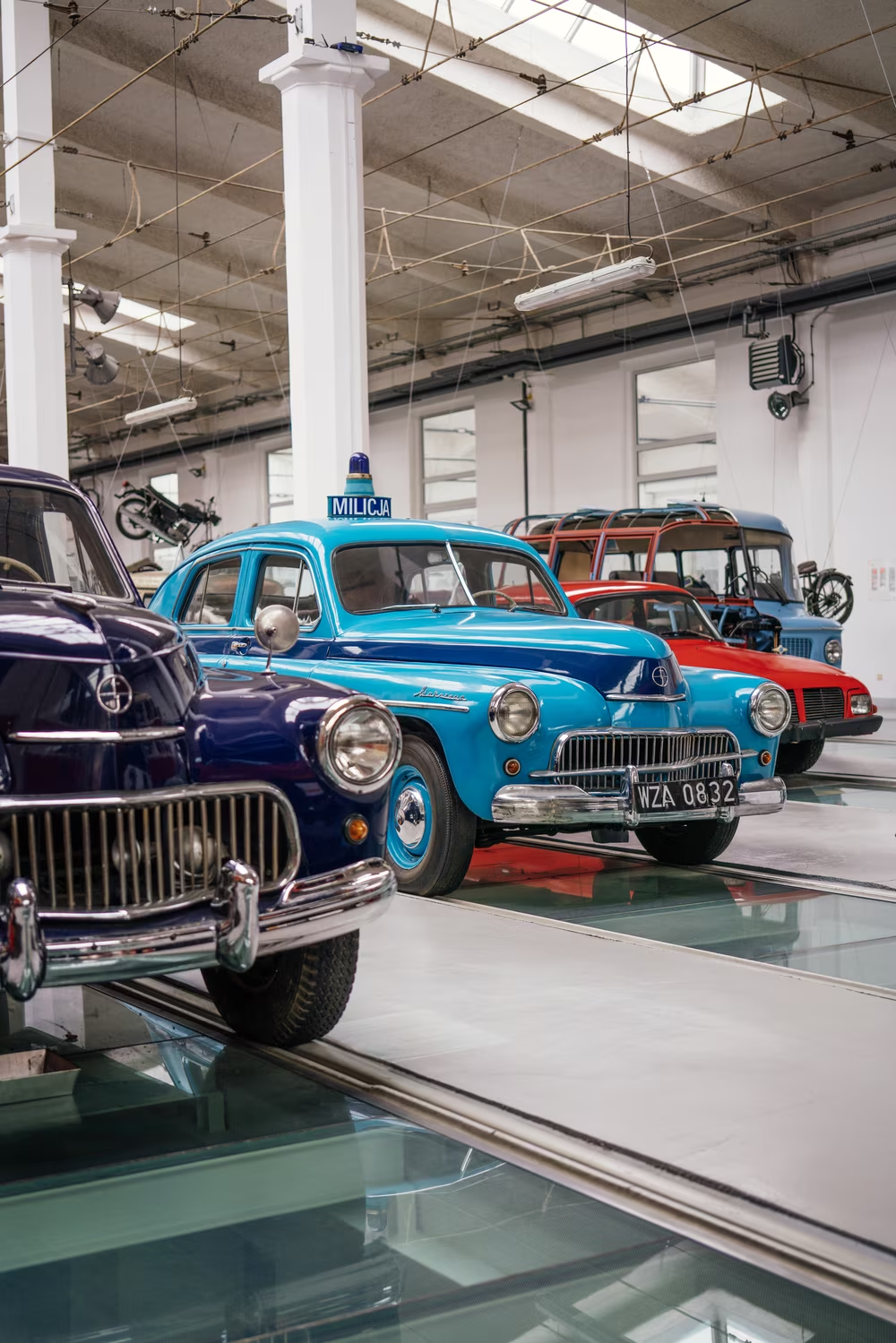
There are many museums like this – another “visible storage” with a bunch of vintage cars and trams under a roof, and not more else (at least not in 2018 when I visited it last), but I’m putting this on the list for two reasons.
First, it’s in my home town!
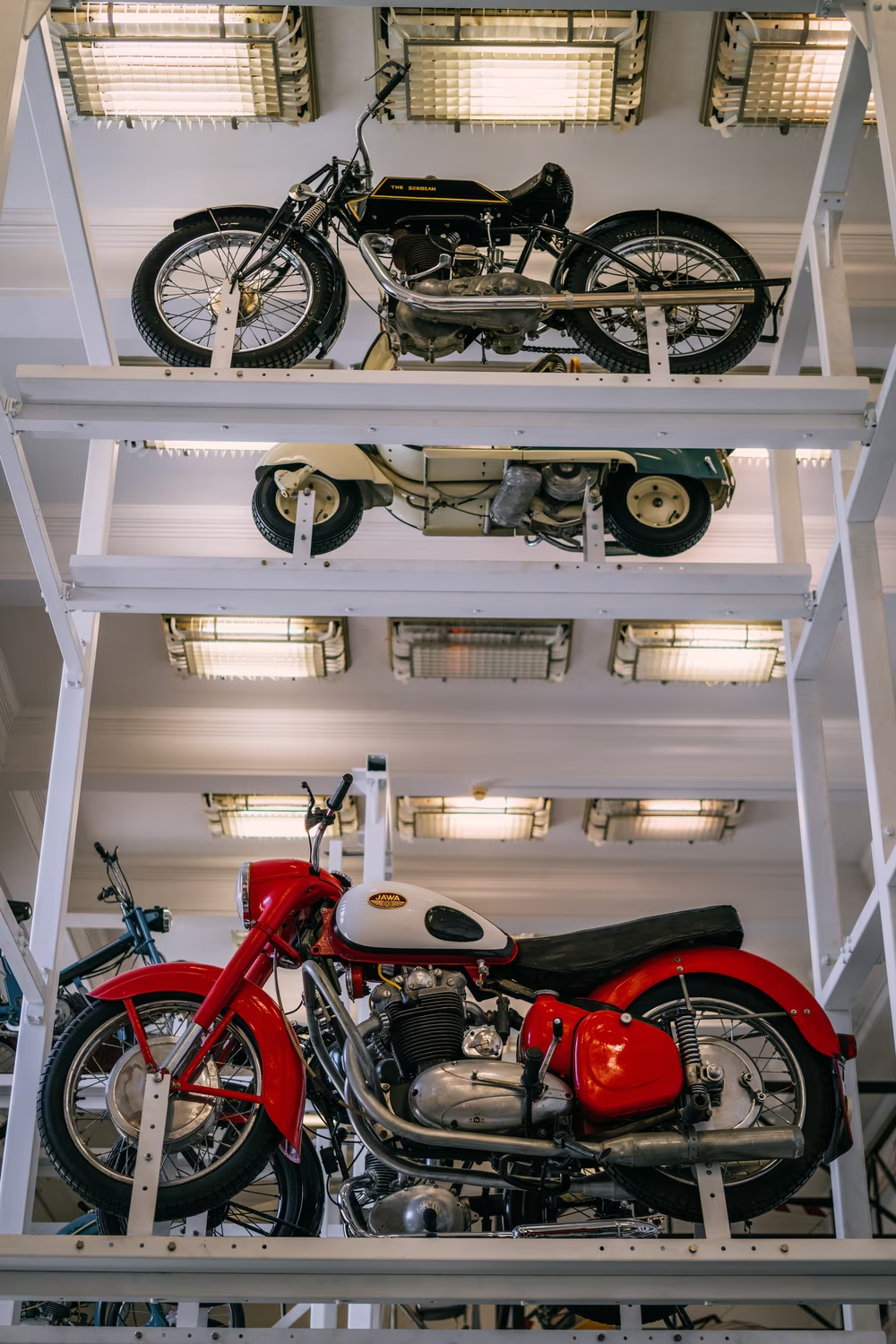
Second, all the vehicles are in an absolutely immaculate condition. This felt important to me when putting together photos for my book – I wanted these machines to never feel decrepit, abused, unloved. It’s the same here. The exhibit is well lit and airy; compared to many other museums where this kind of a setup would be dingy and dusty, this feels almost like a show room, which I appreciated.
(I missed some plaques explaining things, but also appreciated the minimalism and undisturbed sightlines. The museum in Łódź, just below, solved it well by giving you a gorgeous book you could refer to. This could be a fun solution here.)

Centralne Muzeum Włókiennictwa / Central Textile Museum
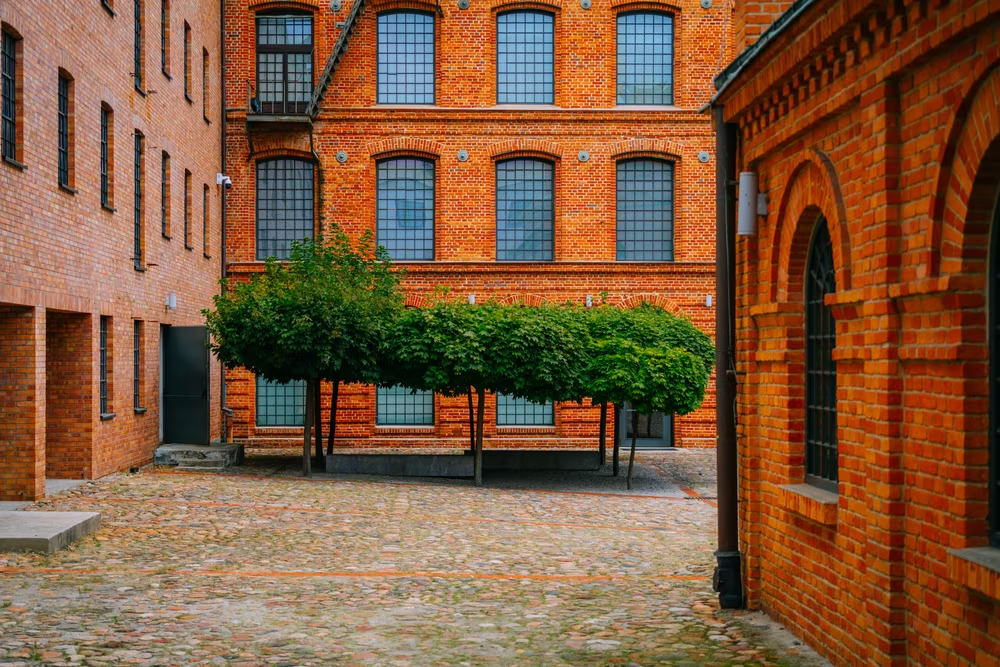
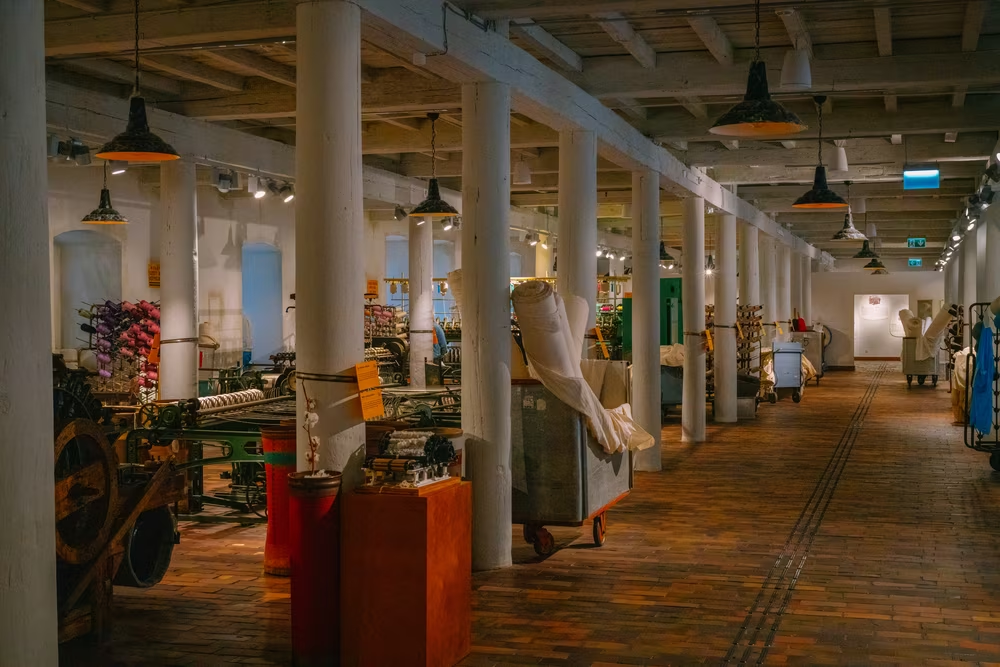
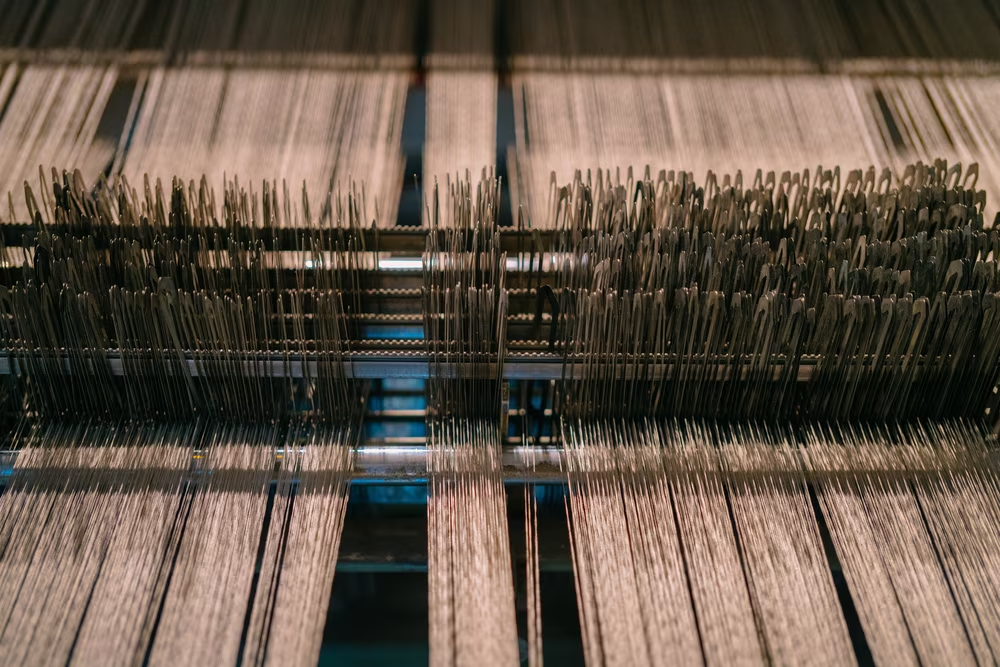
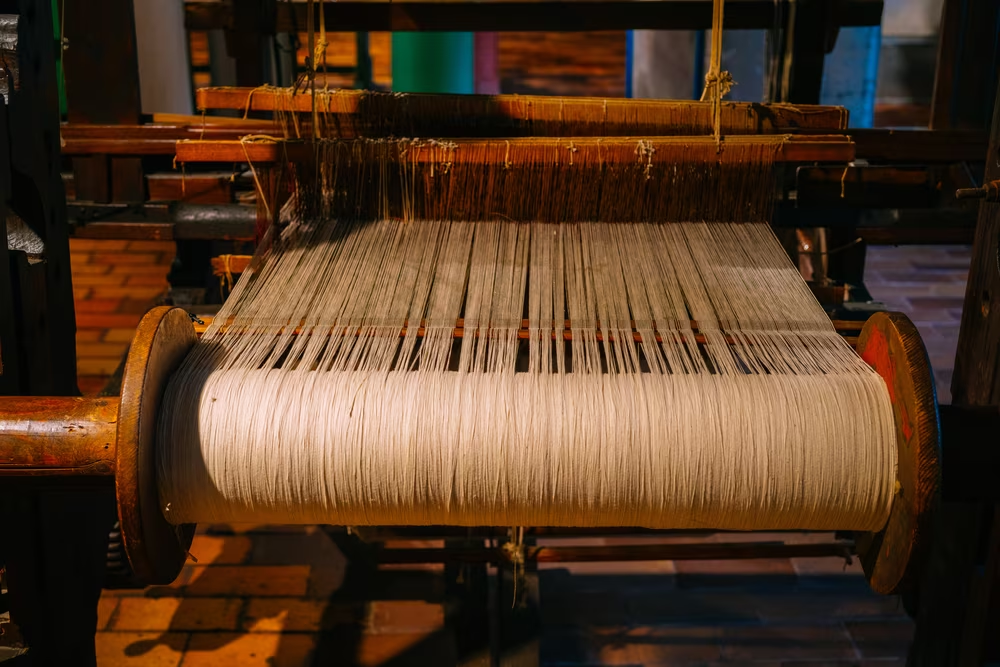
I was pleasantly surprised by this museum in Poland’s rough equivalent of Detroit – once again, blending the old and the new. A live demo of textile machines given by a guy with a certain attitude was fun (opinionated docents almost always are!), but what really impressed me was the book that I was given for free upon entry. It’s professional, well-written, and made me revisit what I saw and learned in a different way after I left the building.


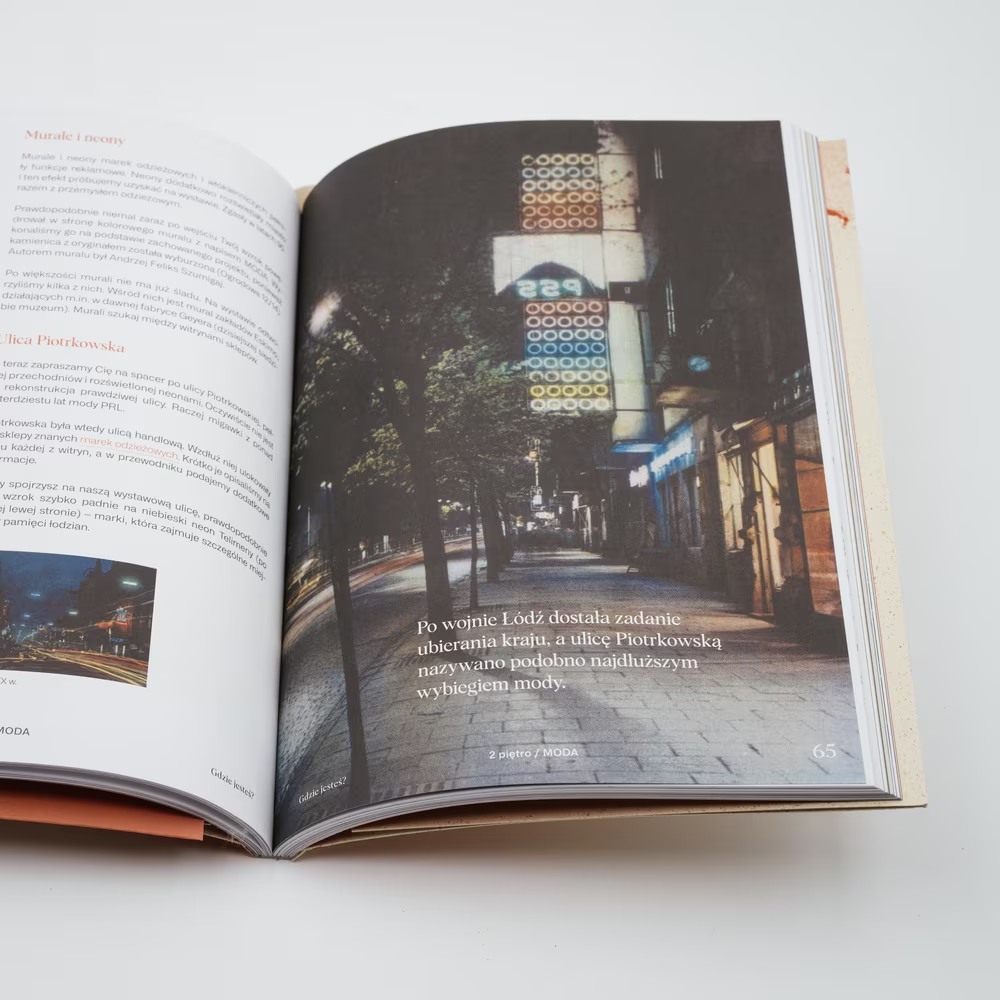
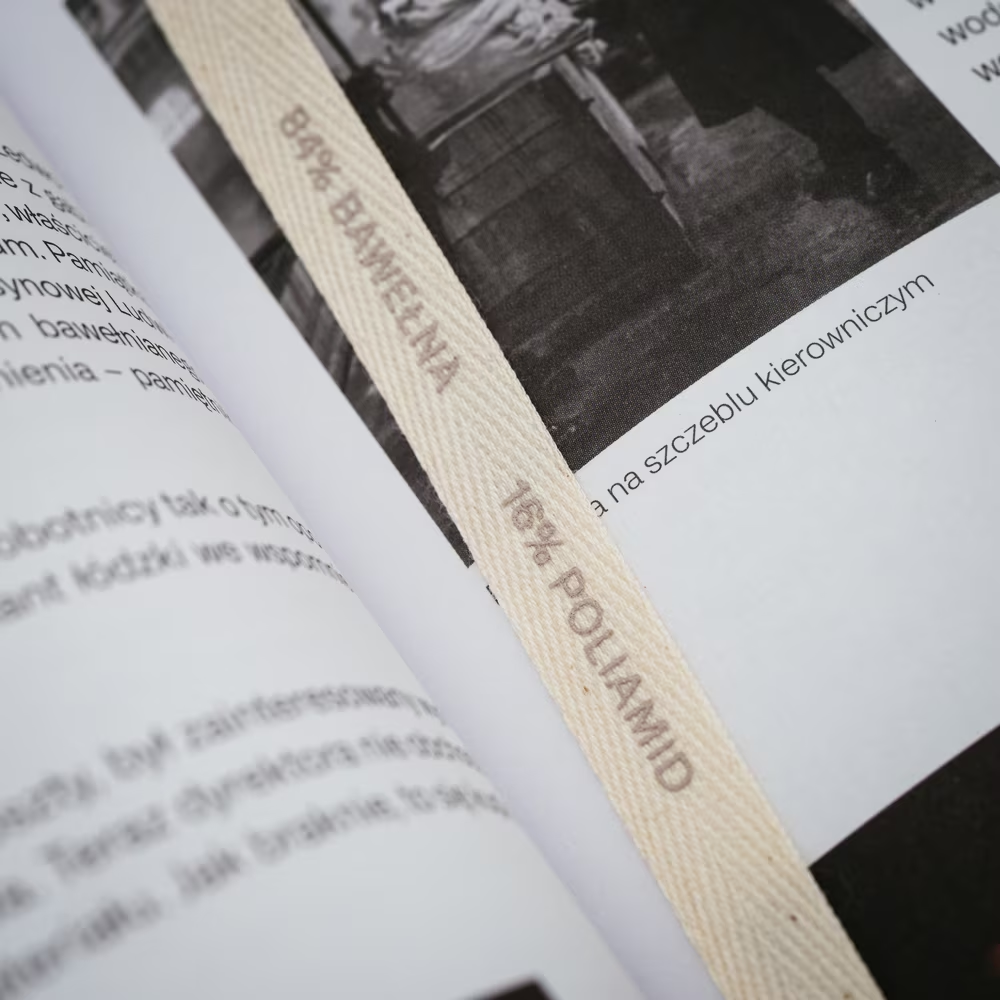
I really liked this idea and I wish more museums did that.



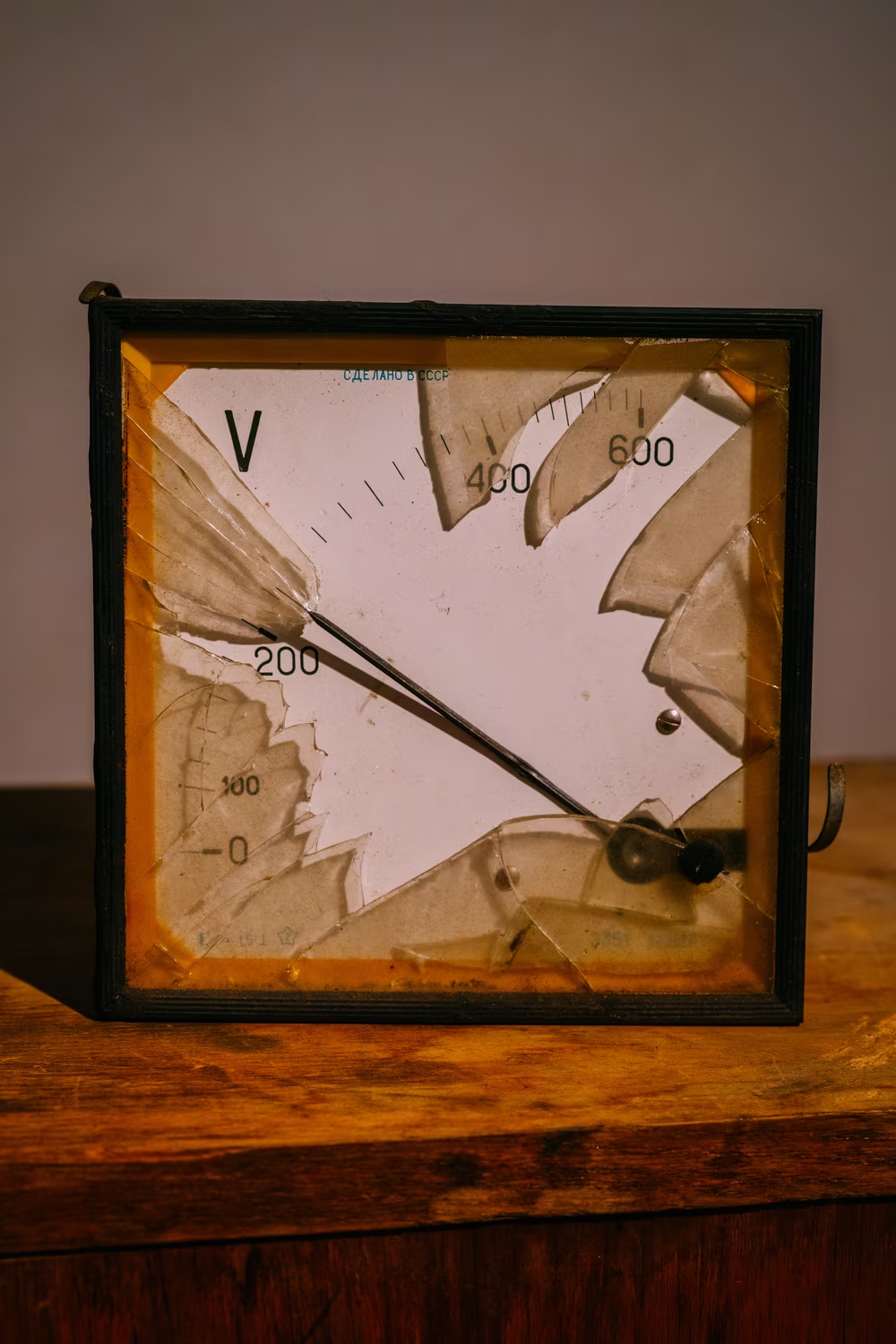
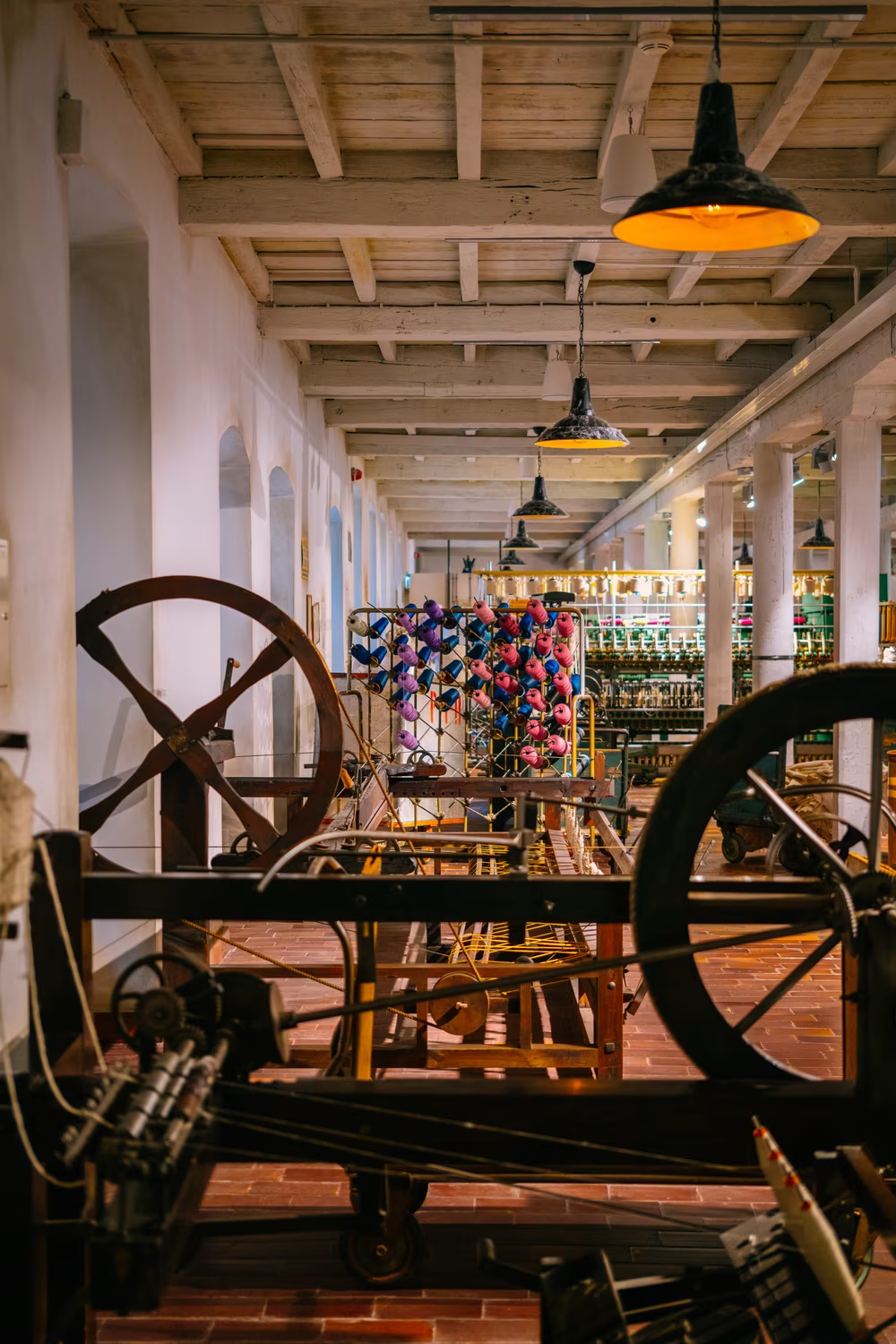
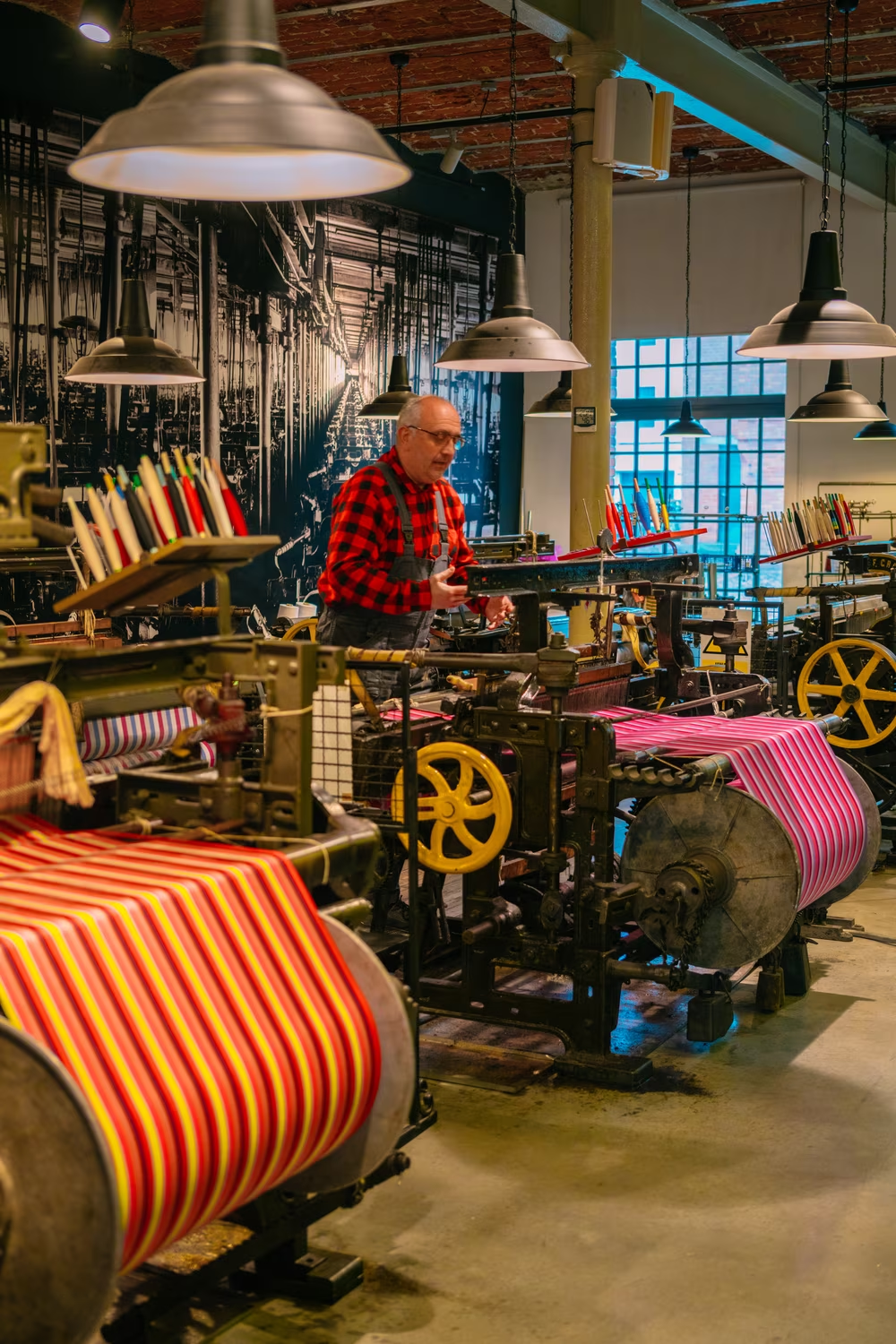
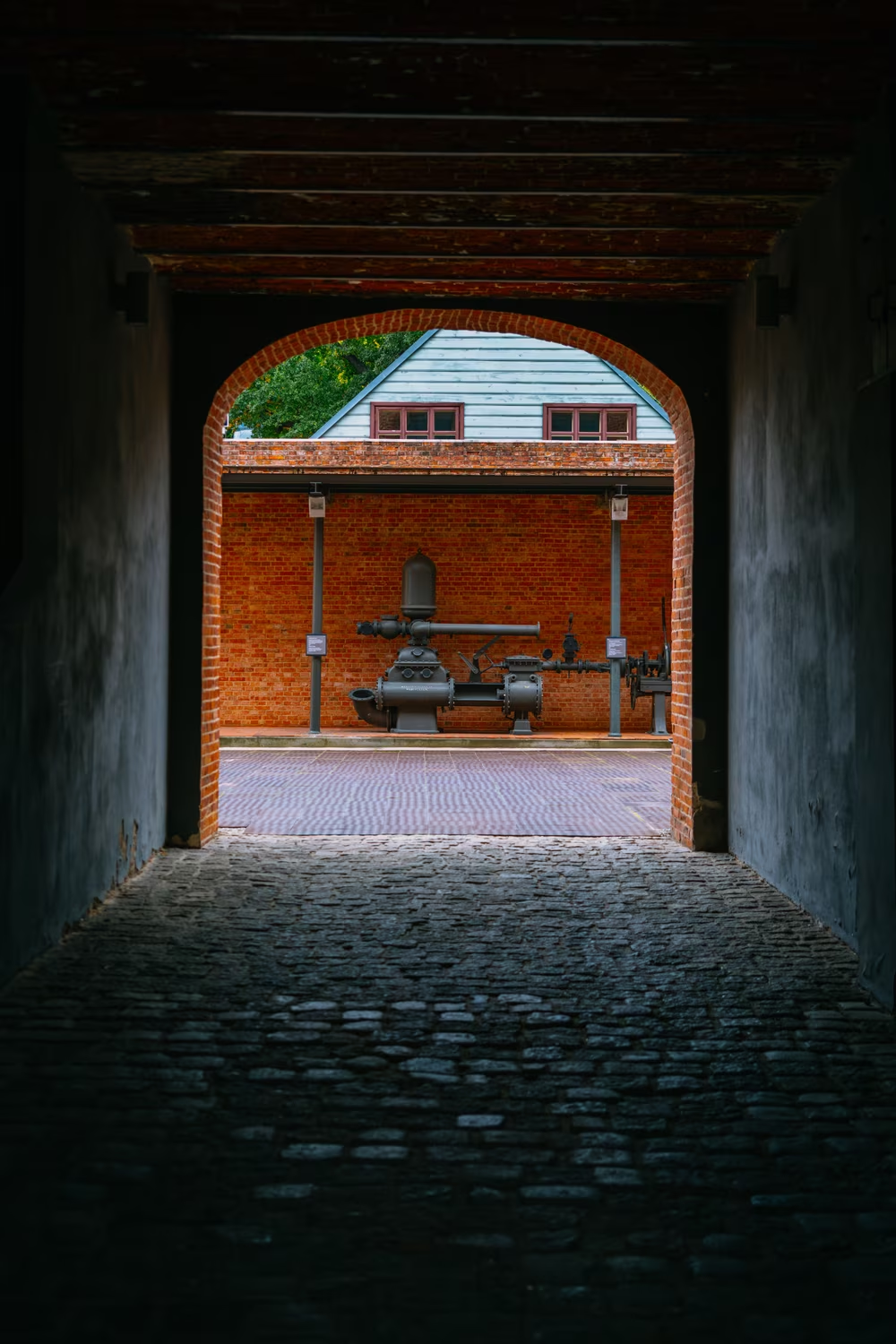
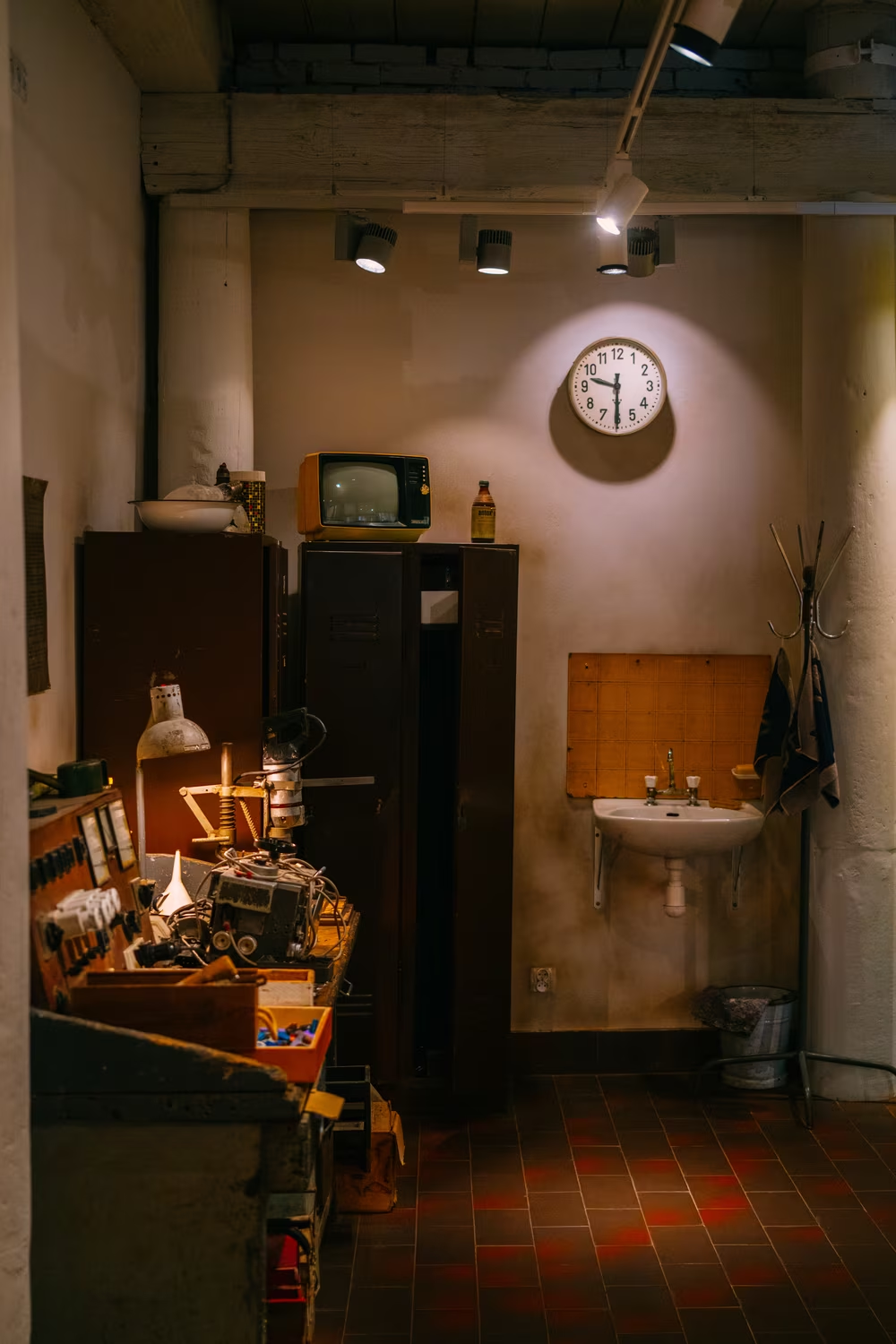
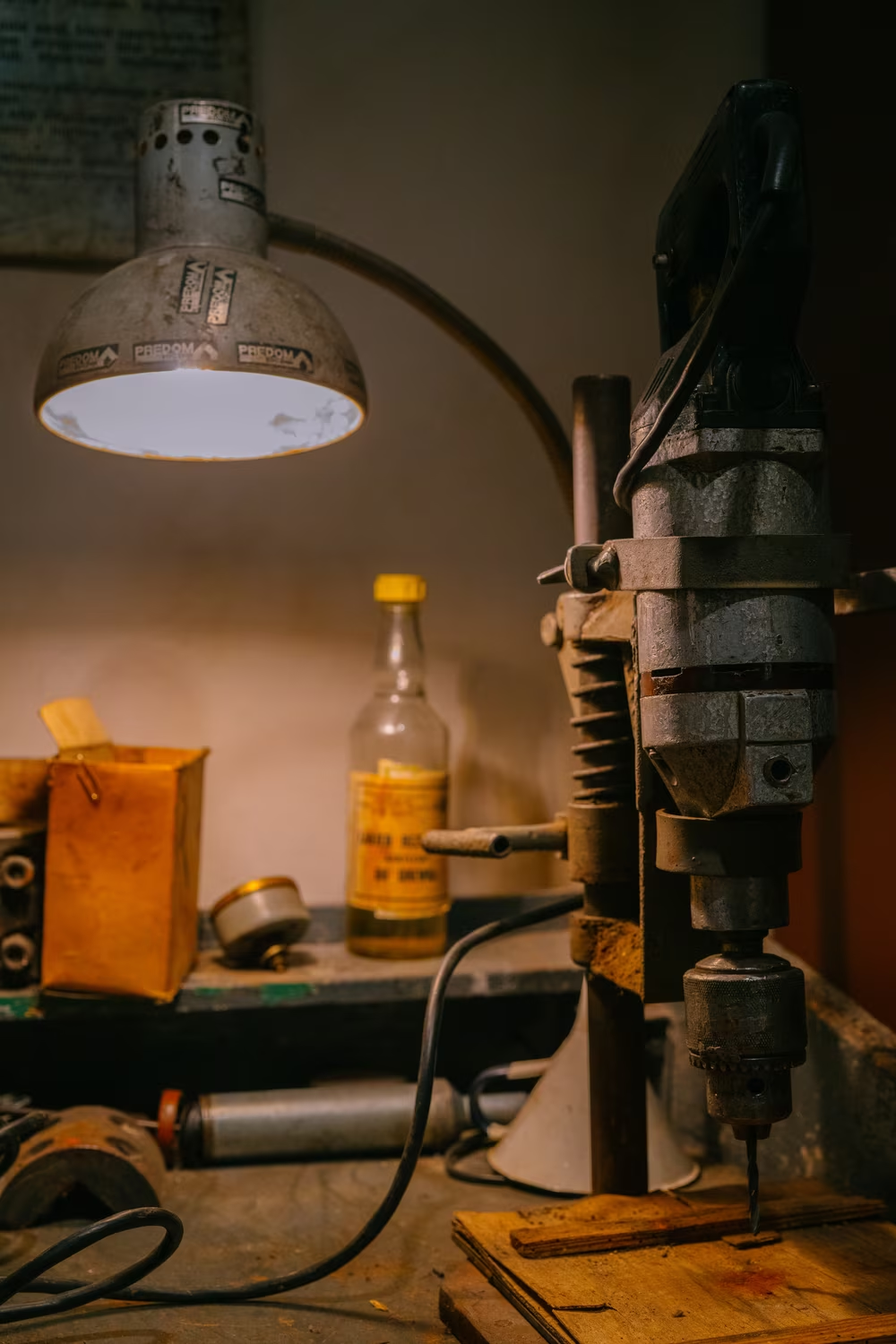

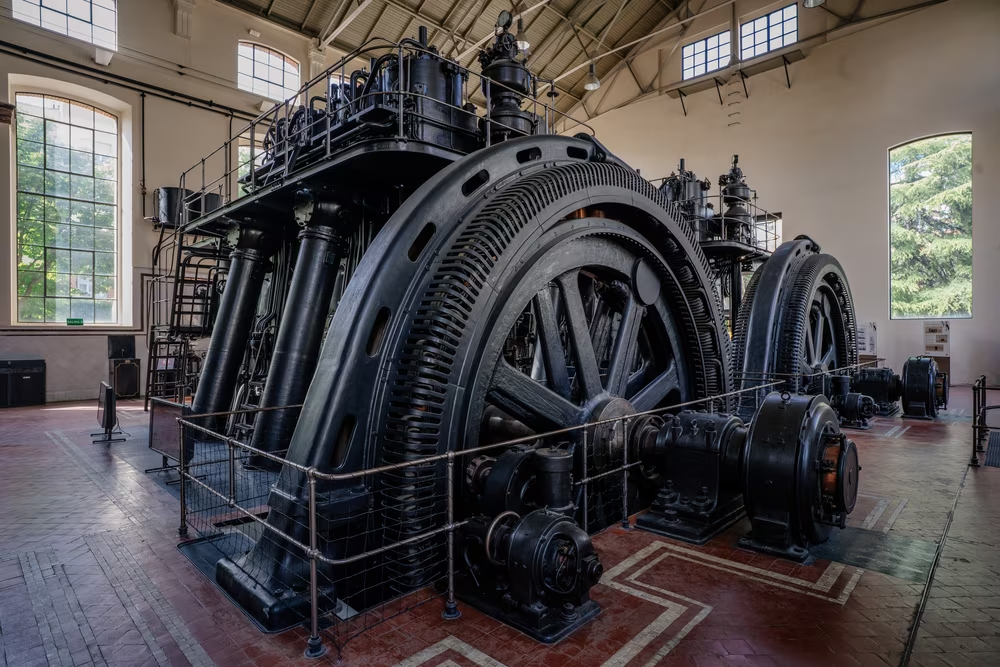
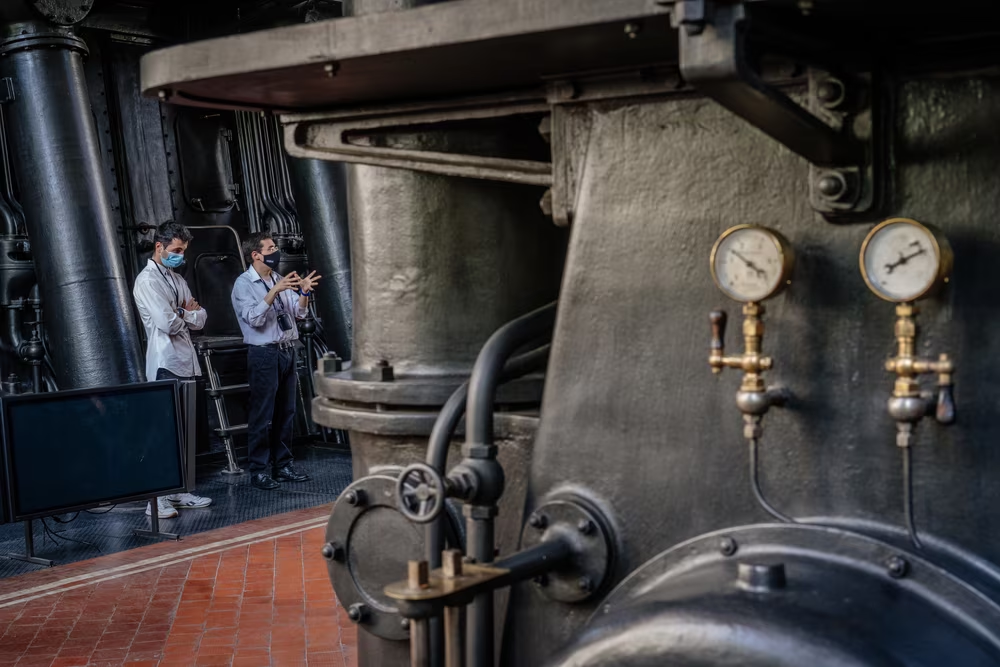
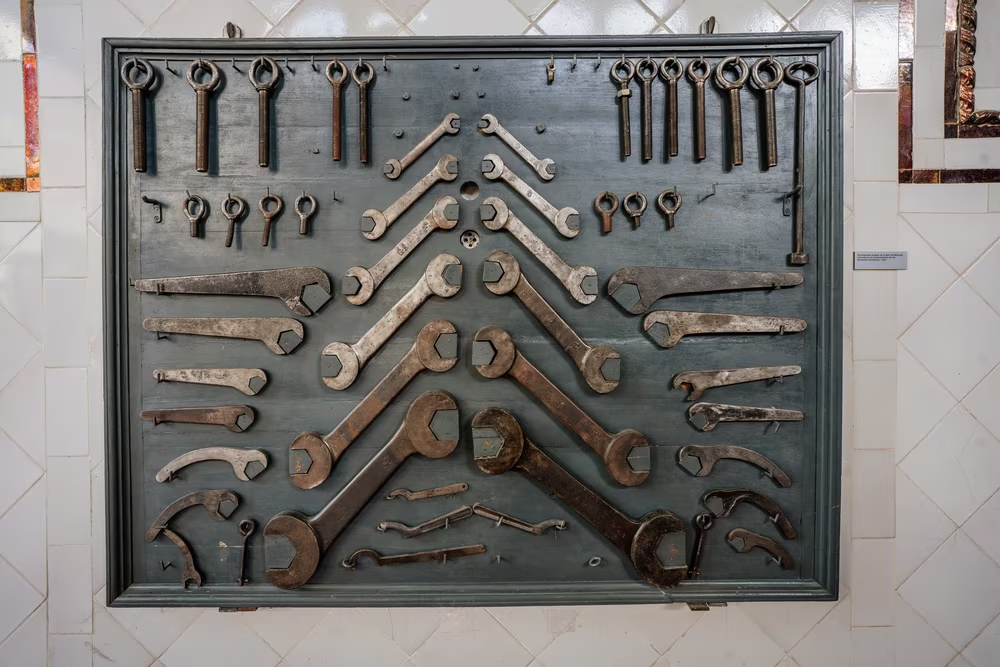
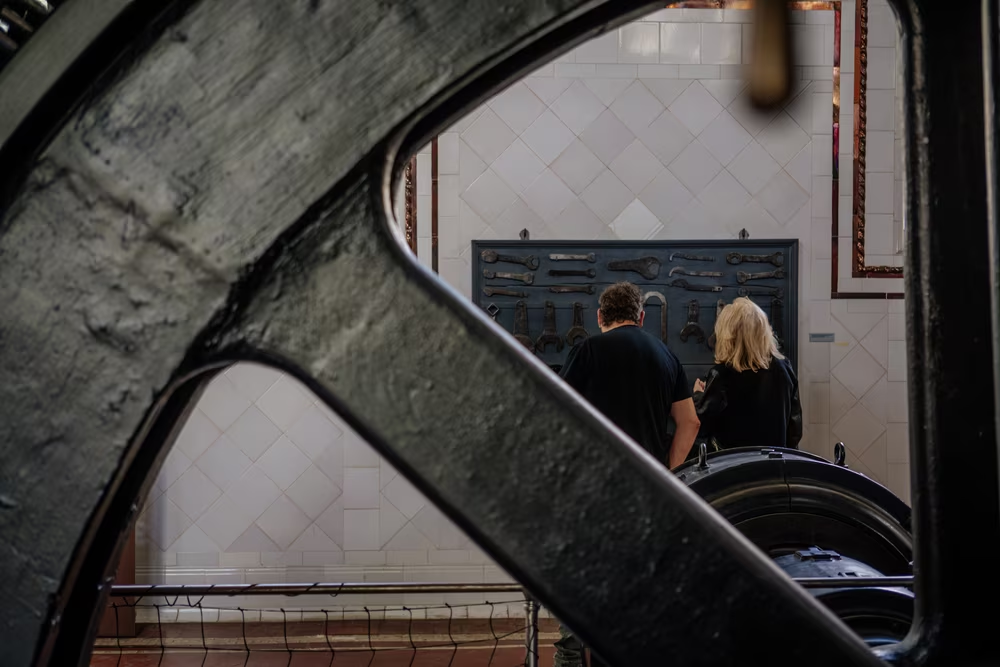
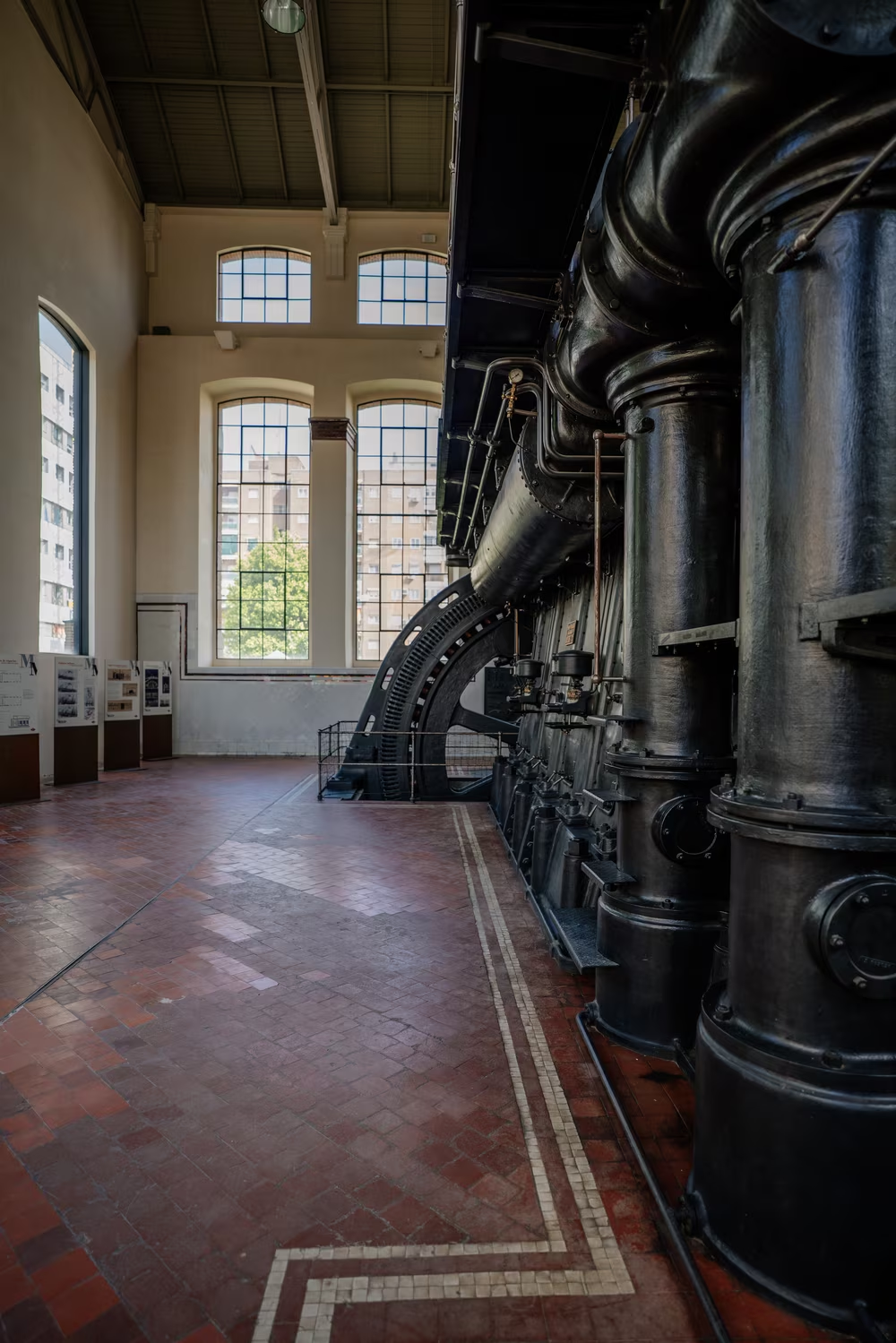
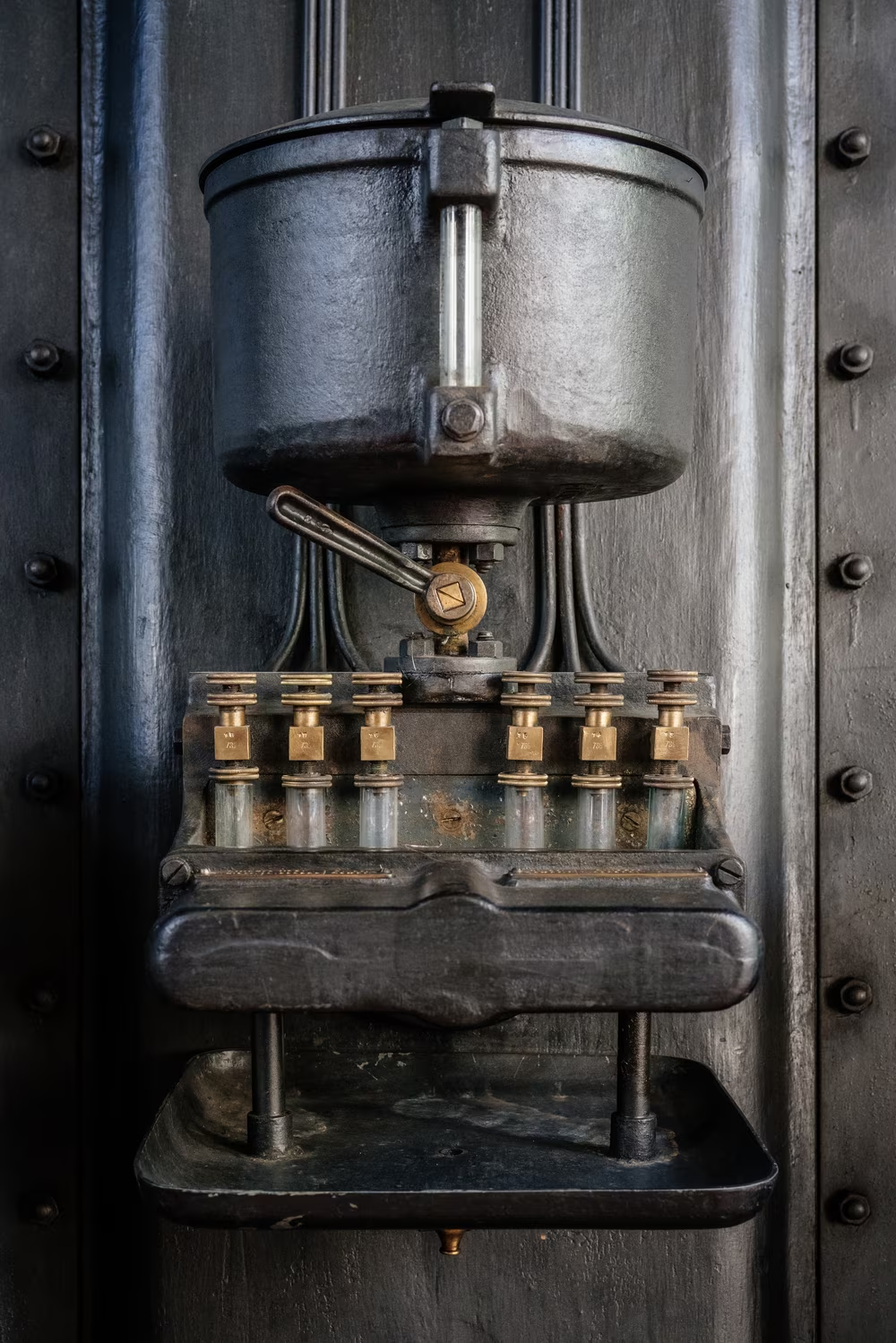
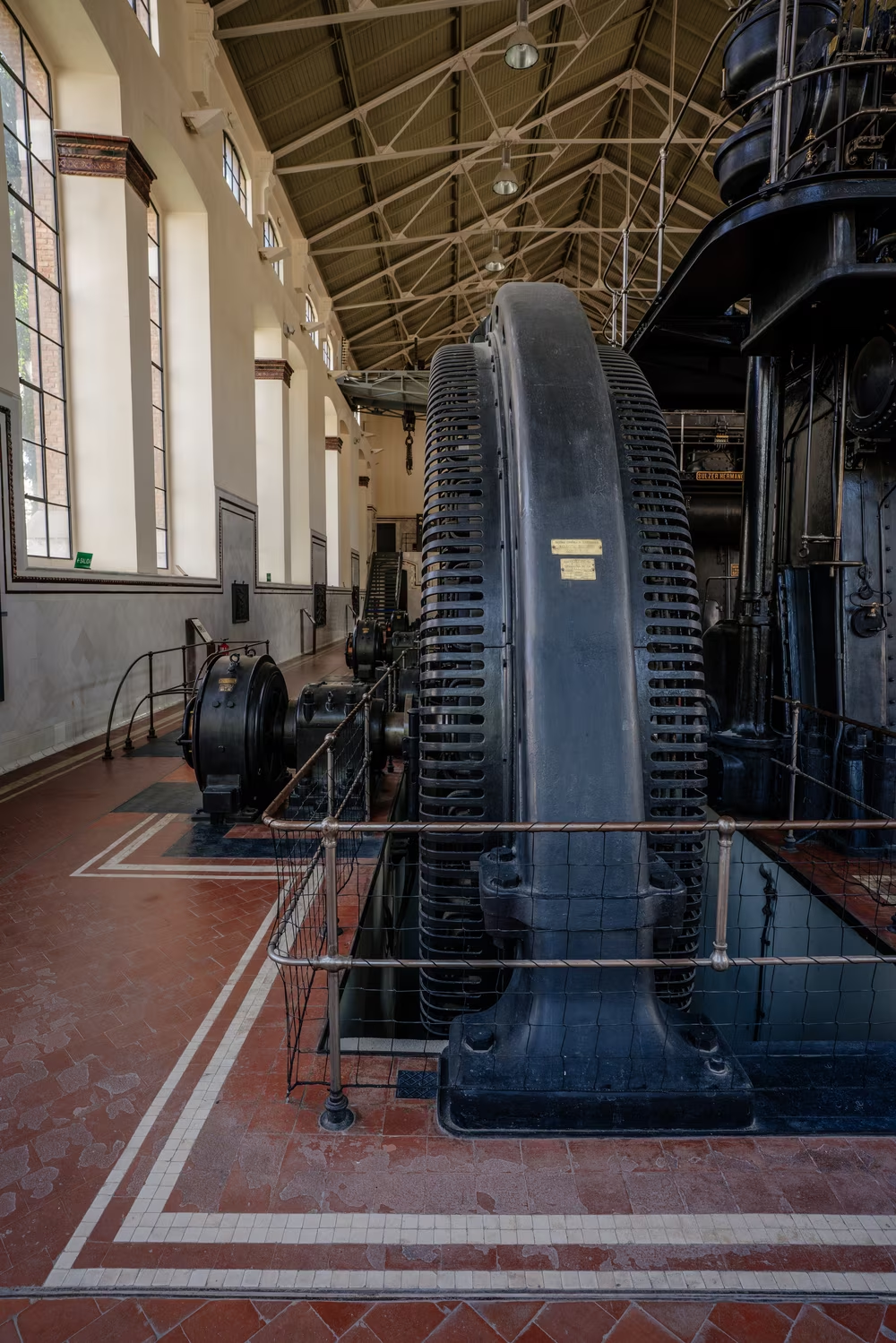
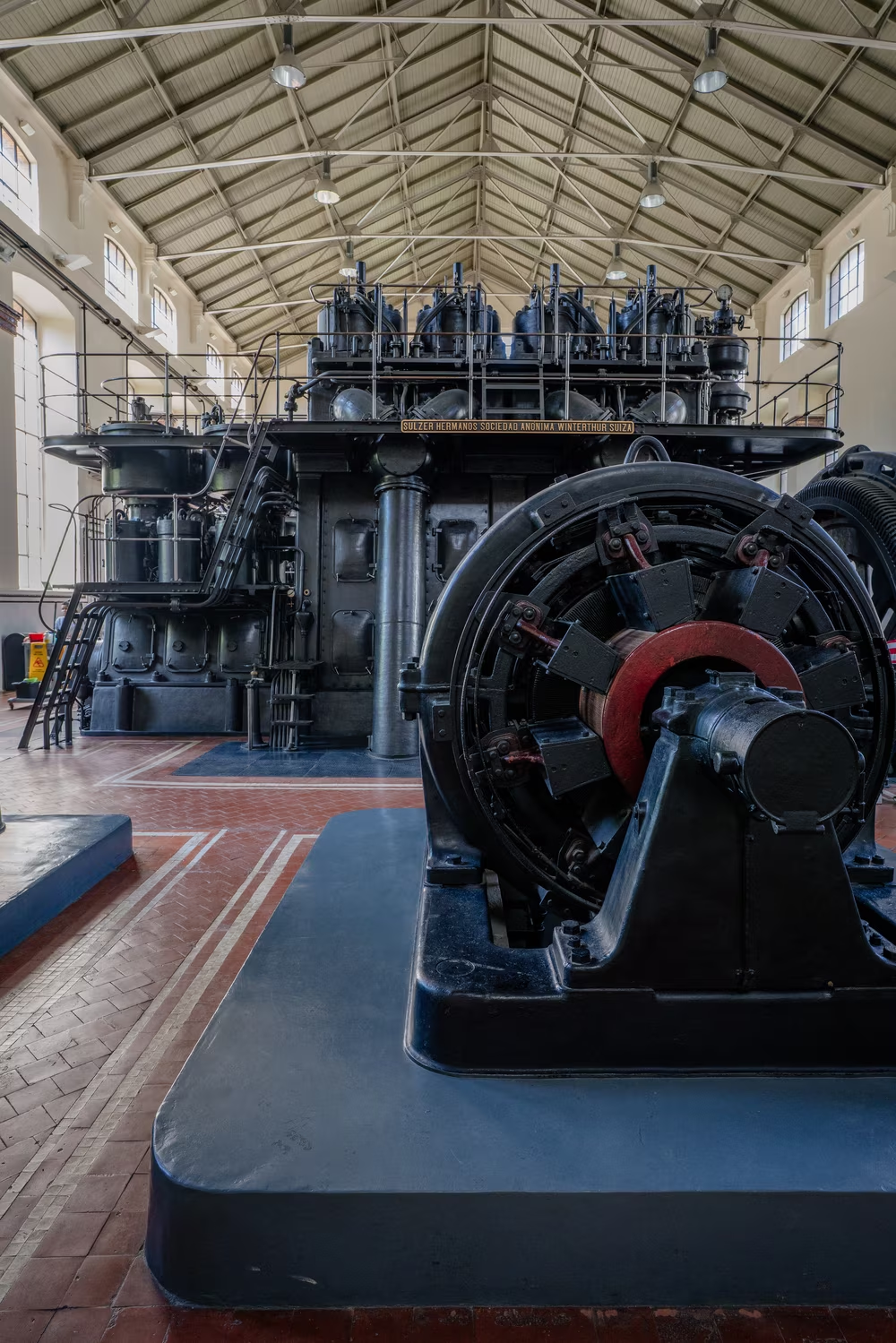
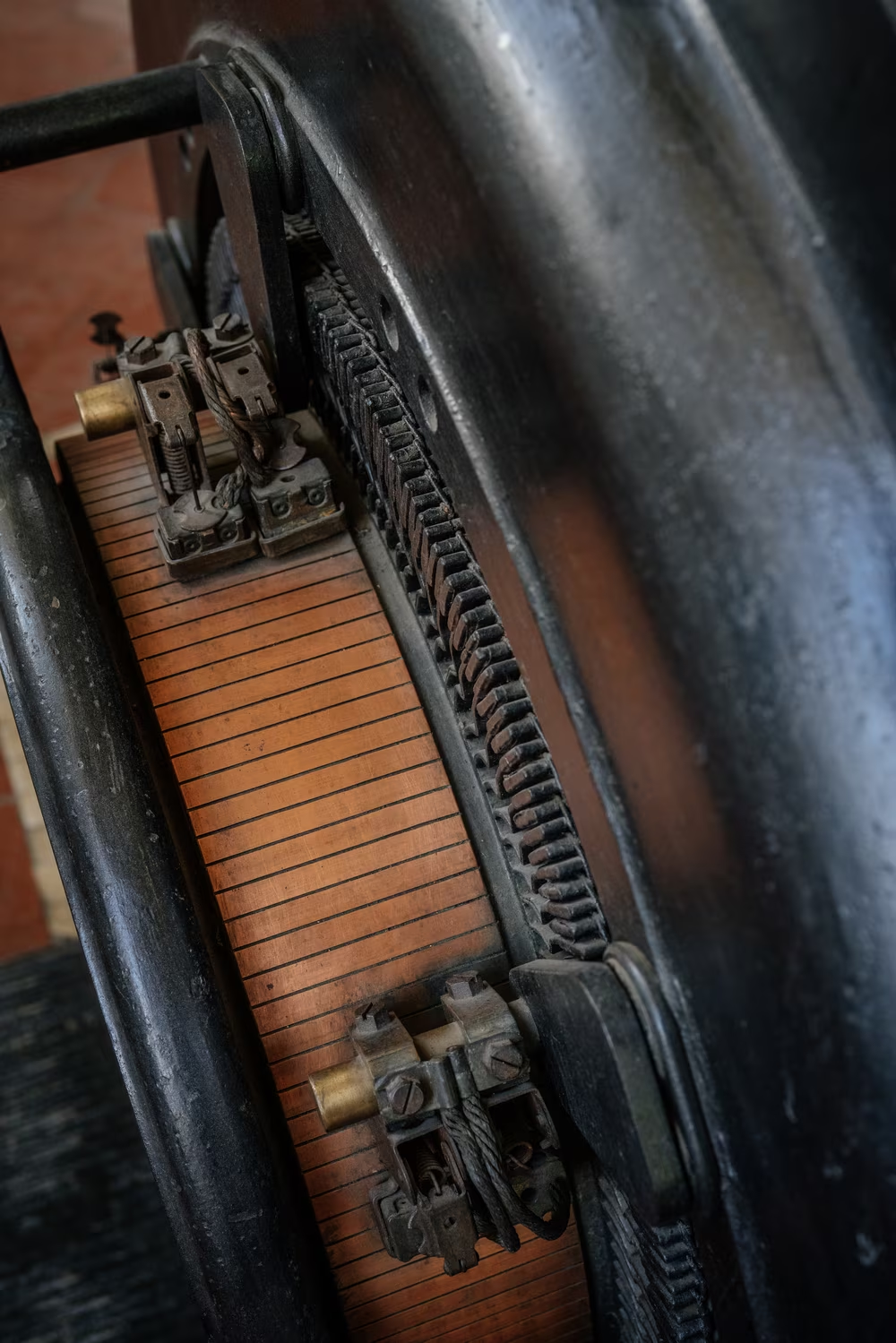
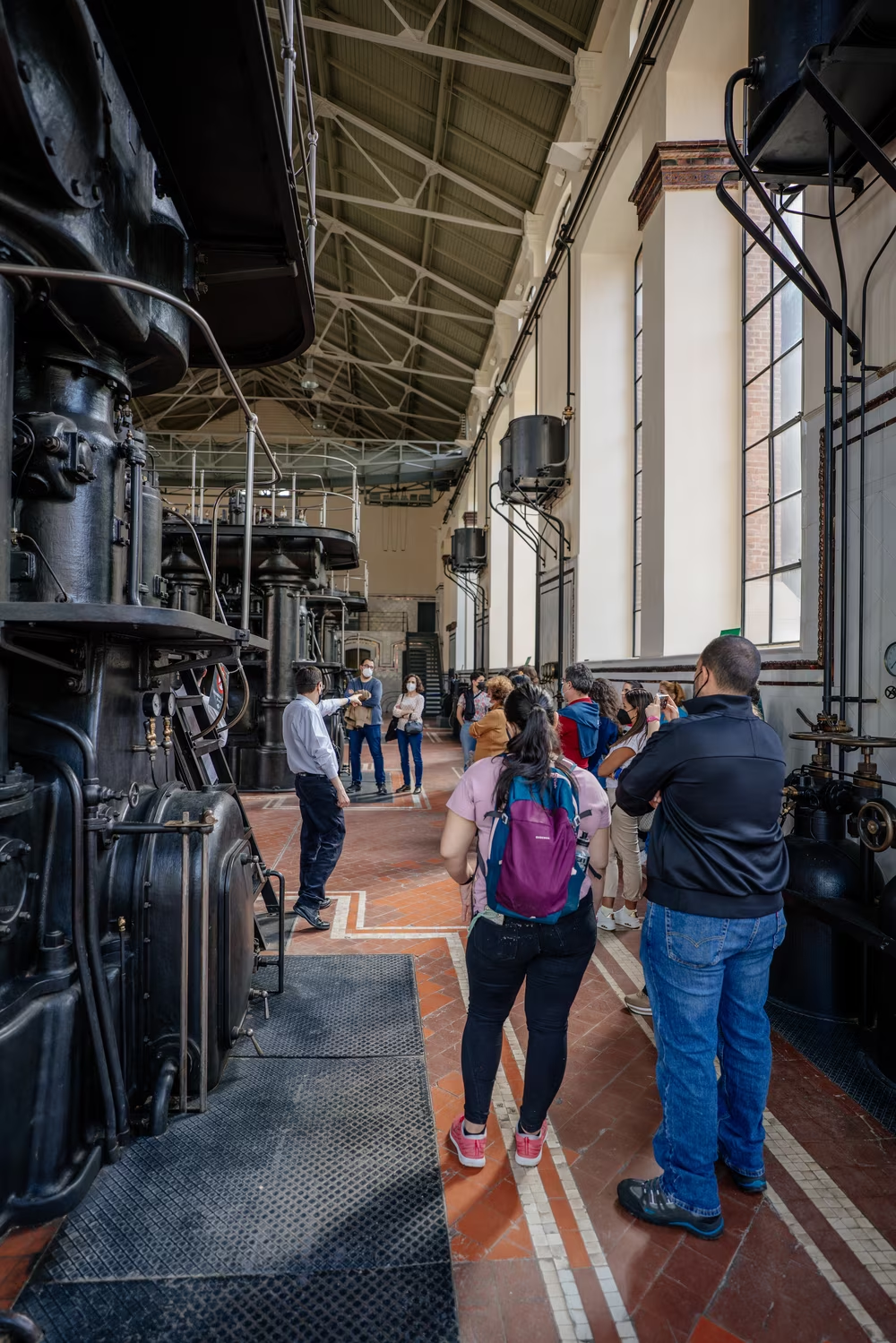
Nave de Motores
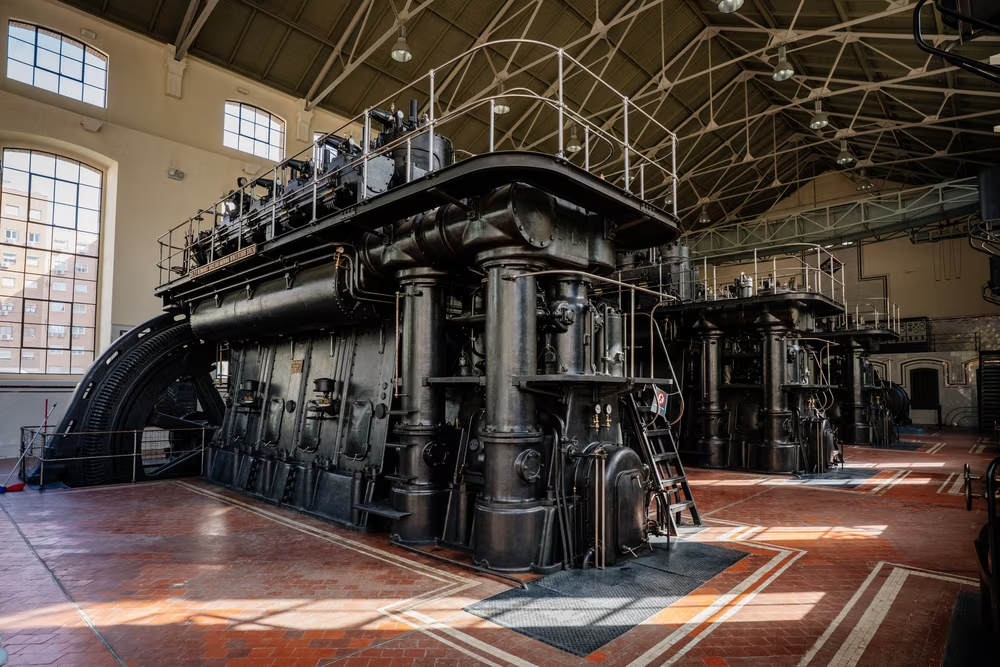
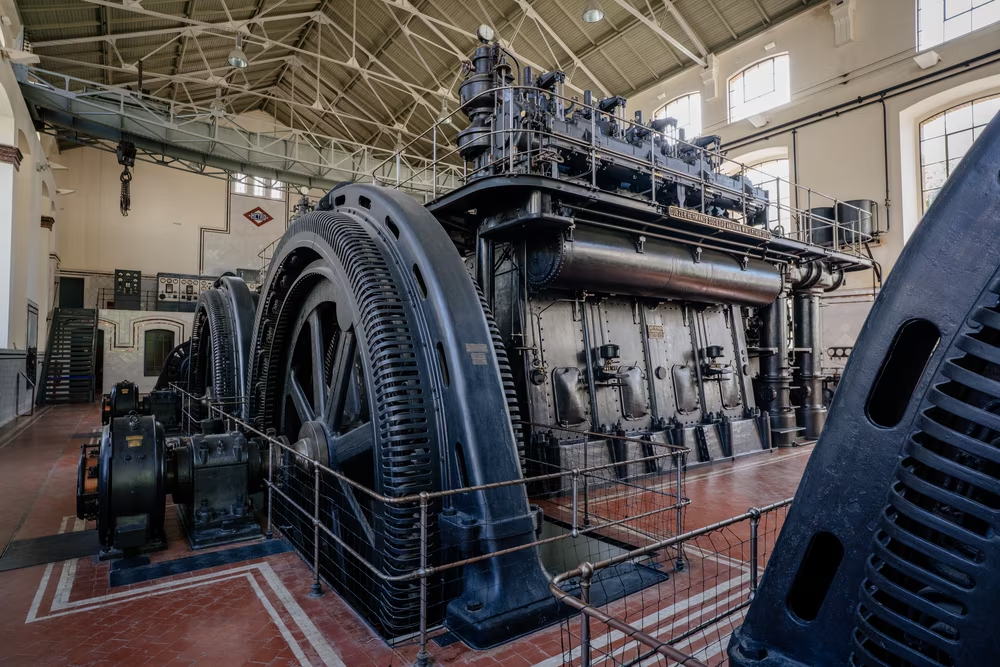
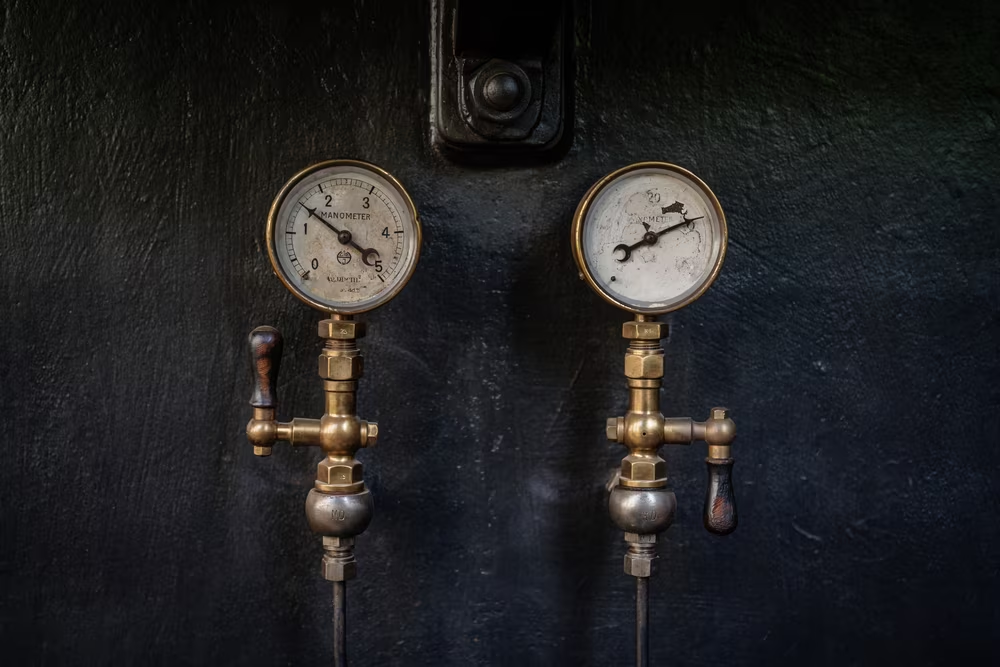
A simple story: I didn’t understand much of the tour because of the language barrier, but I could move around freely and take photos of this fascinating building hosting a 100-year-old engine shed once used by Madrid’s metro, and it was fascinating.
Just the vibes were enough for me.

Anti recommendations
I don’t love putting museums on blast because so much of this stuff is contextual, and I might not even be the right customer anyway! So I wanted to talk about a few I didn’t like mostly as a way to highlight what’s important to me and why they didn’t work for me – figuring it all out via some negative examples.
Railway Museum (Utrecht)
As I mentioned above, this museum is just okay – but could be so, so great if it cared about density – there are many spaces and corridors here absolutely devoid of anything. You have tons of space and tons of stuff in the collection. Why waste it like this?
To me it feels important that a museum “meets your freak” – if you want to just scan and have fun and take a selfie and leave after 15 minutes, this should work. But there should always be more. There should always be too much for one visit, a certain sense of overwhelm and exhaustion and the depth of history. This doesn’t have to be in the amount of exhibits or space to cover, but it could be a fractal – a few exhibits, but each one with a lot of details if you want to go deeper; a few dedicated tours or demos; videos to watch or books to read and come back.
I know this is not always possible, but “the second date” – coming back to a museum where you already know the ground rules and established some understanding of what a place is and what are its “dimensions,” and you can just revel in details and connecting things together – can be one of the best things ever.
The House of the Book (The Hague)
The thing I mentioned above about “old and creaky and in need to be dusted”? That’s what this museum feels like. They boast being the oldest book-related museum in the world which should feel like heaven, right? But I found this museum mostly kind of… lazy, with exhibits that are simple and uninspiring. I can see some people finding it intimate, but to me this is a museum that ran out of energy and care, and exchanged it with pretense. To me, books deserve so much more.
Maybe what’s important for me is good combination of creativity and care on display – in putting things together, in designing the exhibits, in even one crucial restoration, in small but meaningful details.
Benjamin Franklin Museum (Philadelphia)
I don’t know if this counts as a tech museum, but this was such a miserable experience. One thing I absolutely hate for museums is being boring and this one is an exemplary boring experience: boring exhibits, boring visuals, boring layout. I realized this in the moment, and also later when I noticed I didn’t take one single photo, which is rare for me.
The museum is in a dingy underground space, and it just feels old in that 1970s brutalist way where you can’t even appreciate the vintage. I worry it’s these kind of places that give museums a bad name – you visit one on a school trip, and you develop a sense that all museums are a waste of time.
To perhaps oversimplify the three anti-examples above: I love tech museums that are rich in content, rich in effort, and rich in curiosity – but not necessarily just rich. The 20+ I listed above have all of that in spades, and deserve recognition for that.
That’s it! I hope you enjoyed this little tour. I also thought it was fun to look at all the logos of the “good” museums. They’re not all perfect, but it’s fun to see the themes emerging – including at least 5 places using the shape of their building in the logo! Many of these feel like logos for subway systems, which is also fun to realize.
Thank you for reading or scanning all the way to the end. I am always curious about your suggestions of places you loved that I should visit – please let me know if you have any!